

I’ll be honest with you. When I first started working with older homes, I thought it’d be just like any regular renovation. Boy, was I wrong.
Historic homes are a completely different beast. You open up one wall and find newspaper insulation from 1927. You go to replace an outlet and discover cloth-wrapped wiring that makes modern electricians nervous. But here’s the thing – these homes have something new construction will never have. Character. Soul. Craftsmanship that doesn’t exist anymore.
The trick is updating them without destroying what makes them special. And yeah, doing it safely because some of those old systems are legitimately dangerous.
Understanding the Needs of an Older Home
Okay, so you’ve got this beautiful old house. Maybe it’s a Victorian, maybe a 1940s Cape Cod. Doesn’t matter. First thing you need to do? Stop thinking like it’s a modern home.
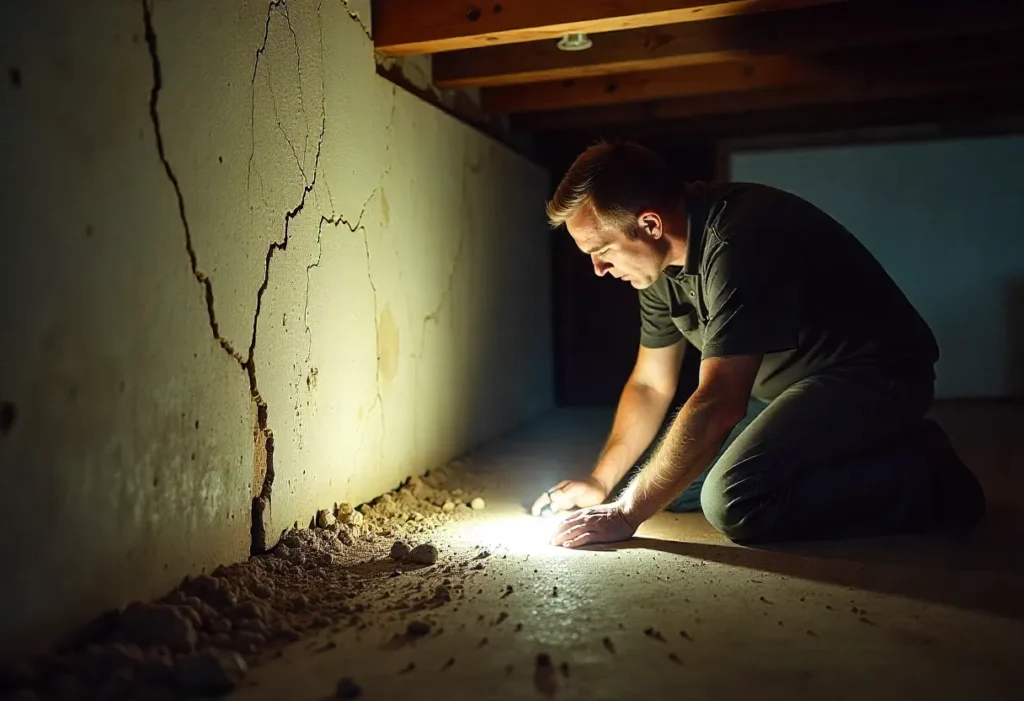
Walk through and really look at things. I mean really look. Get down on your hands and knees in the basement. Check the foundation for cracks that look fresh versus old settling. Big difference there.
Your electrical system is probably the scariest part. Houses built before 1960 often have wiring that wasn’t meant for our lifestyle. Back then, people had a few lamps and maybe a radio. Now we’re running computers, TVs, kitchen appliances, and charging stations. That old wiring can’t handle it, and that’s how fires start.
Plumbing’s another fun surprise. I once opened a wall in a 1920s home and found pipes so corroded they crumbled when I touched them. The owner had no idea. They just thought low water pressure was normal for old houses. It’s not.
Check your attic too. Water stains up there tell stories. You’ll see where the roof leaked in 1985, where someone patched it badly in 2003, and where it’s probably leaking right now. Those stories matter because they show you patterns.
Planning Updates the Right Way
Here’s where people mess up. They get excited and start ripping things out without a real plan.
Don’t do that.
Sit down with a notebook. List every single problem you’ve found. Then rank them. Is your electrical panel a fire hazard? That’s priority one. Does the guest bedroom need new paint? That’s priority fifty-seven.
Budget for surprises because they will happen. I tell everyone to add at least 20% to whatever they think the project will cost. Usually it’s more like 30%, but I don’t want to scare people off.
Some areas have rules about historic homes. If you’re in a designated district, you might need approval before you change exterior features. I’ve seen people get halfway through a window replacement only to find out they needed permits. They had to put the old windows back. Expensive lesson.
Talk to your neighbors who’ve renovated. They’ll tell you which contractors know old homes and which ones treat them like new builds. Big difference in the results.
Preserving Key Features During Renovation
This is my favorite part because it’s where you get creative.
Those original hardwood floors? They’re probably old-growth timber. You literally cannot buy wood that quality anymore. The trees don’t exist. So before you cover them with laminate because they look rough, consider what you’d be losing.
Same with the trim work. I was in a 1910 Craftsman last year where someone had ripped out all the original oak trim and replaced it with basic pine boards from a big box store. It looked awful. And it dropped the home’s value by thousands.
Windows are touchy. Everyone wants to replace them for energy efficiency. I get it. But original windows can be restored to work beautifully. Add storm windows if you need better insulation. You keep the character and improve function.
When you add new stuff, make it fit. I saw someone put ultra-modern chrome fixtures in a 1880s Victorian. It looked like a spaceship crashed into a history museum. Not good.
Safe Methods for Modern Upgrades
You can make an old home comfortable without turning it into a modern box.
Insulation is huge. Most older homes have basically none. You can blow cellulose into wall cavities through small holes that you patch later. Nobody sees the work but everyone feels the difference in heating bills.
For heating and cooling, mini-split systems are kind of amazing for historic homes. No ductwork tearing through your walls. Just thin lines running to wall units. I’ve installed these in homes where running ducts would’ve destroyed original plaster, and the homeowners love them.
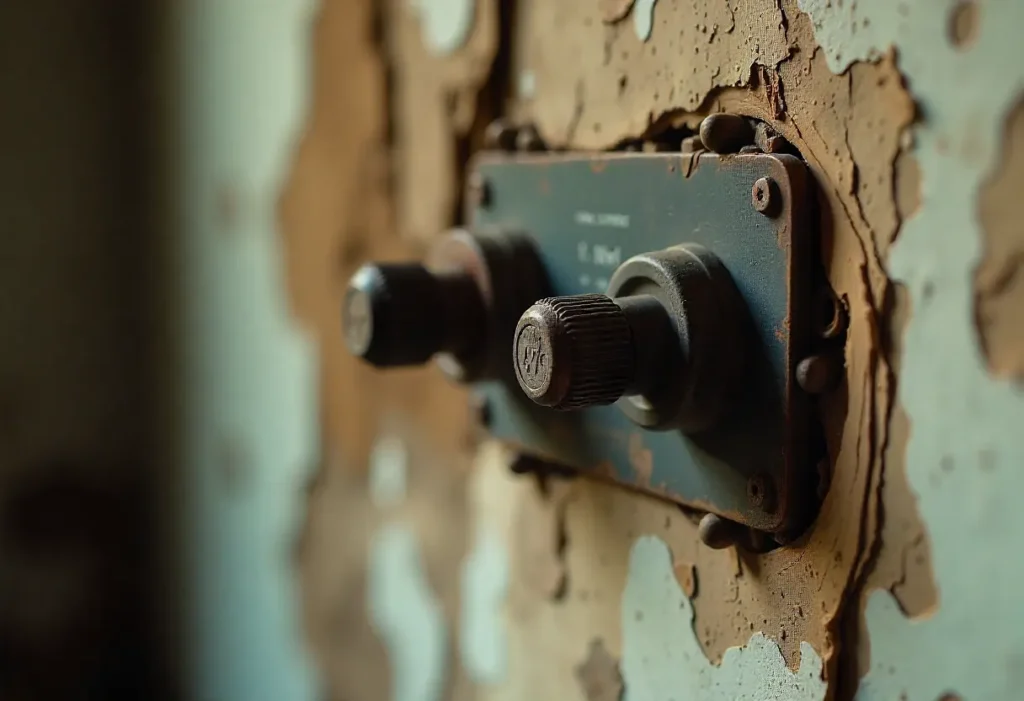
Electrical upgrades aren’t optional though. If you’ve got a fuse box, it needs to go. Circuit breakers are safer and give you way more capacity. GFCI outlets in bathrooms and kitchens prevent shocks. These aren’t just nice-to-haves. They’re safety essentials.
One guy I know tried to keep his original knob-and-tube wiring because he liked how it looked. His insurance company disagreed. They wouldn’t cover the house until he upgraded. Sometimes safety wins over aesthetics.
DIY Projects You Can Handle
Not everything needs a professional. Some jobs are perfect for learning.
Painting is pretty straightforward if your house was built after 1978. Before that? Test for lead first. You can get kits at any hardware store. If you’ve got lead paint, you’ll need special precautions, but you can still do the work yourself with proper prep.
I refinished my own floors in a 1935 bungalow. Rented a drum sander, watched probably fifteen YouTube videos, and went for it. Made some mistakes but nothing unfixable. Took a weekend and cost maybe $300 in rentals and supplies versus $2,000 for professionals.
Swapping light fixtures is easier than people think. Turn off the breaker, take down the old fixture, connect the new one to the same wires. Black to black, white to white, copper to copper. Just don’t mess with it if the wiring looks weird or damaged.
Cabinet hardware is the cheapest upgrade that makes the biggest visual impact. Spend $50 on new knobs and pulls and your kitchen looks completely different.
When to Call a Professional
Some stuff? Yeah, don’t touch it.
Load-bearing walls are no joke. You need an engineer to tell you what’s supporting what. I’ve seen DIYers cut into walls and have ceilings sag within days. Not worth the risk or the repair costs.
Full electrical rewiring needs a licensed electrician. The code requirements change constantly, and your insurance won’t cover fires caused by DIY electrical work. Just don’t.
Anything on a roof is professional territory. Heights are dangerous and roofing is more technical than it looks. One bad flashing job and you’ve got water damage throughout your house.
Same with chimneys. They need specific knowledge about mortar types, structural integrity, and building codes. Plus the liability if something goes wrong is massive.
Comparison: What You Can DIY vs What Needs a Pro
| Project Type | Can You DIY? | Need a Pro? | What You’d Save |
|---|---|---|---|
| Painting Interior | Yes, pretty easy | No | Around 65% |
| Sanding Floors | Yes, with rented tools | Optional | About 55% |
| Basic Light Fixtures | Yes, if comfortable | Good idea for complex | Maybe 45% |
| Full House Rewiring | Absolutely not | Yes, always | Can’t DIY this |
| Removing Walls | Nope | Yes, need engineer | Too dangerous |
| New HVAC System | No way | Yes, licensed required | Not an option |
| New Drawer Pulls | Easy yes | Definitely not | Almost 90% |
| Roof Work | Don’t risk it | Yes | Safety issue |
Final Checks Before You Move Back In
You’re done with construction. Exciting, right? Hold on a minute though.
Test everything. And I mean everything. Run every faucet. Flip every switch. Turn on the heat, then the AC. Look for leaks, listen for weird sounds, feel for drafts.
Walk around looking at details. Do doors close smoothly? Are there gaps around windows? Any new cracks in walls or ceilings? Small problems now become big problems later if you ignore them.
Get an inspection if you’ve done major work. Yeah, it costs a few hundred bucks. But an inspector catches stuff you miss. Last one I hired found a gas line issue I’d completely overlooked. Could’ve been deadly.
Check that everything’s level and stable. Floors shouldn’t bounce. Walls shouldn’t bow. If something feels off, it probably is.
Final Thoughts
Look, renovating an old home isn’t easy. It takes more time than you expect. It costs more than you budget. You’ll find problems you never imagined.
But there’s something special about taking a piece of history and making it work for modern life. You’re not just fixing up a house. You’re preserving craftsmanship and character that doesn’t exist in new construction.
Start with safety stuff first. Then tackle the projects you’re comfortable with. Learn as you go. Ask for help when you need it. And don’t rush.
My favorite renovation took three years. We did it room by room as we had time and money. It wasn’t fast but the results were worth it. The house kept its character while gaining comfort and safety.
Your old home has good bones and a story. Respect both. Fix what’s broken, preserve what’s special, and don’t be afraid to blend old with new when it makes sense. That’s how you end up with a home that works for today while honoring yesterday.