

Ever walked into a room and felt instantly calmer? That’s the magic of ferns. These ancient plants have been around for over 300 million years, and honestly, they’ve perfected the art of looking effortlessly beautiful while being surprisingly low-maintenance.
I’ve seen ferns transform dull corners into lush green retreats and boring patios into tropical-looking sanctuaries. Whether you’re working with a bright bathroom, a shaded garden bed, or that awkward space under your stairs, there’s a fern that’ll thrive there.
Today, I’m sharing 20 fantastic ferns that work beautifully in homes and gardens. Some are perfect for beginners, others reward you with show-stopping displays if you give them a bit more attention. Let’s find your next green companion.
Top 20 Ferns for Your Home and Garden
1. Boston Fern (Nephrolepis exaltata)
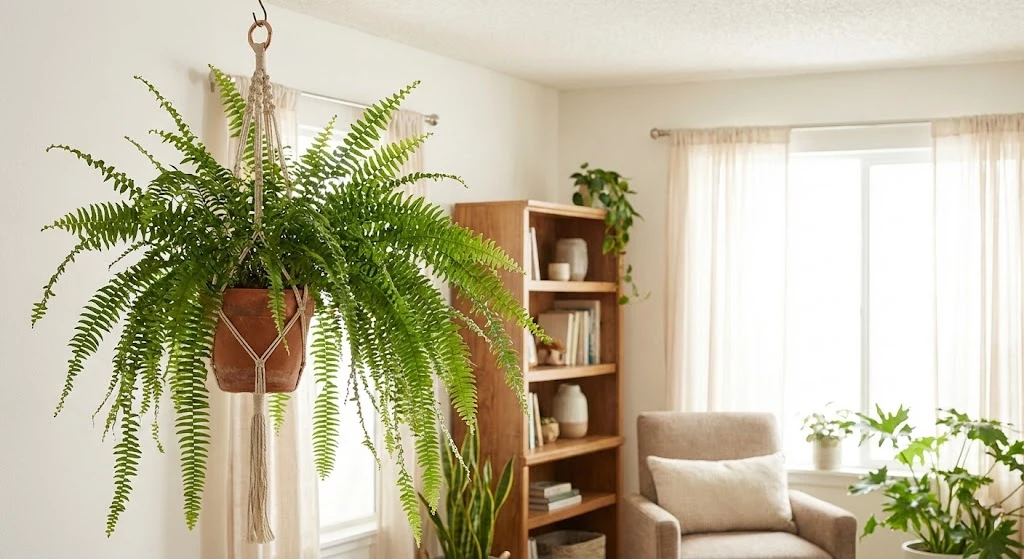
This is probably the fern you picture when someone says “fern.” Its arching fronds can reach up to 3 feet long, creating that classic cascading effect that looks stunning in hanging baskets.
Boston ferns love humidity and consistent moisture. Keep the soil damp (not soggy) and mist the leaves every few days. They prefer bright, indirect light and temperatures between 60-75°F.
2. Maidenhair Fern (Adiantum)
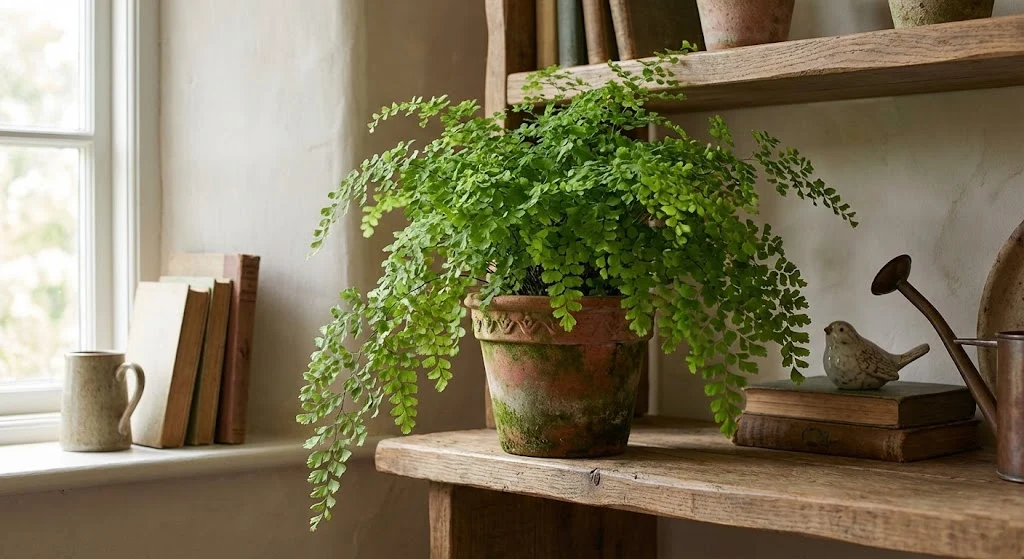
If you want elegance, this is your fern. The delicate, fan-shaped leaflets on thin black stems look almost too beautiful to be real. They’re perfect for terrariums or shaded corners where nothing else seems to grow.
Fair warning: maidenhair ferns are a bit fussy about watering. They’ll crisp up fast if you let them dry out, but they’ll also sulk if overwatered. The trick is keeping them consistently moist in well-draining soil.
3. Bird’s Nest Fern (Asplenium nidus)
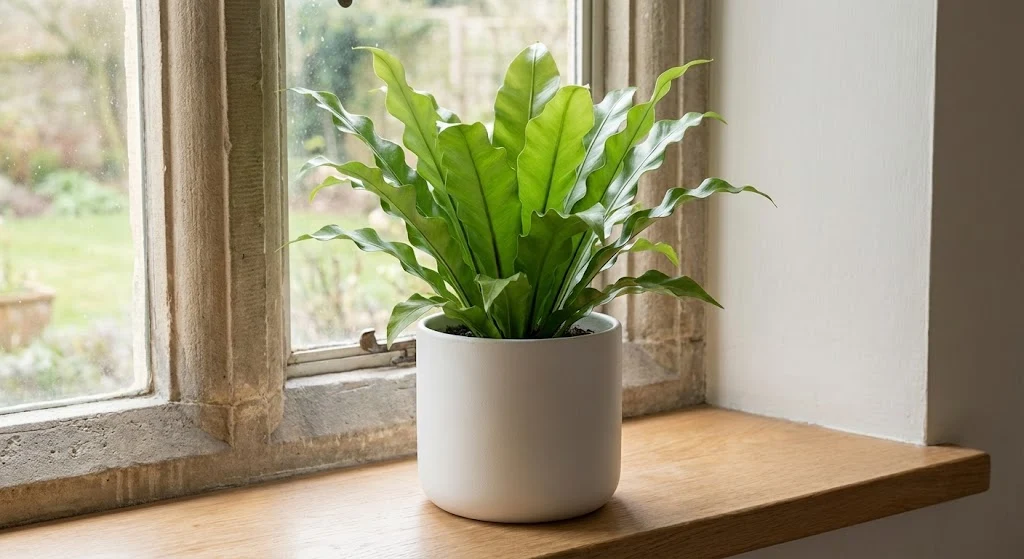
Unlike most ferns, this one has broad, undivided fronds that grow upward from a central rosette. It genuinely looks like a bird’s nest, which makes it a great conversation starter.
This fern thrives in low to medium light, making it ideal for offices or rooms without many windows. Water when the top inch of soil feels dry, and keep water out of the central rosette to prevent rot.
4. Staghorn Fern (Platycerium)
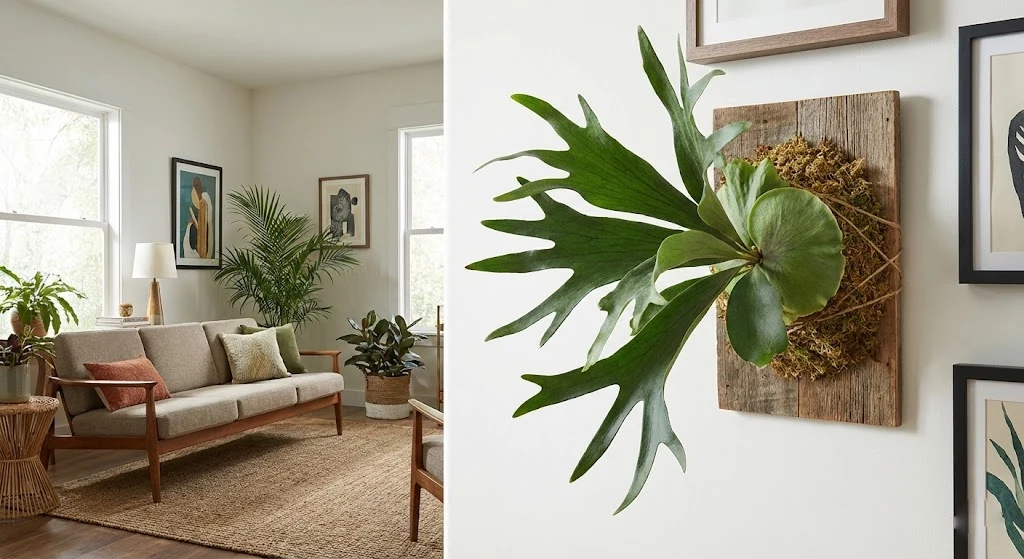
Now this is where things get interesting. Staghorn ferns grow on trees in nature, so mounting them on wooden boards creates a living piece of wall art. The antler-shaped fronds can span several feet as the plant matures.
They need bright, indirect light and should be watered by soaking the mount or misting heavily. The brown shield fronds at the base are normal—don’t remove them.
5. Button Fern (Pellaea rotundifolia)
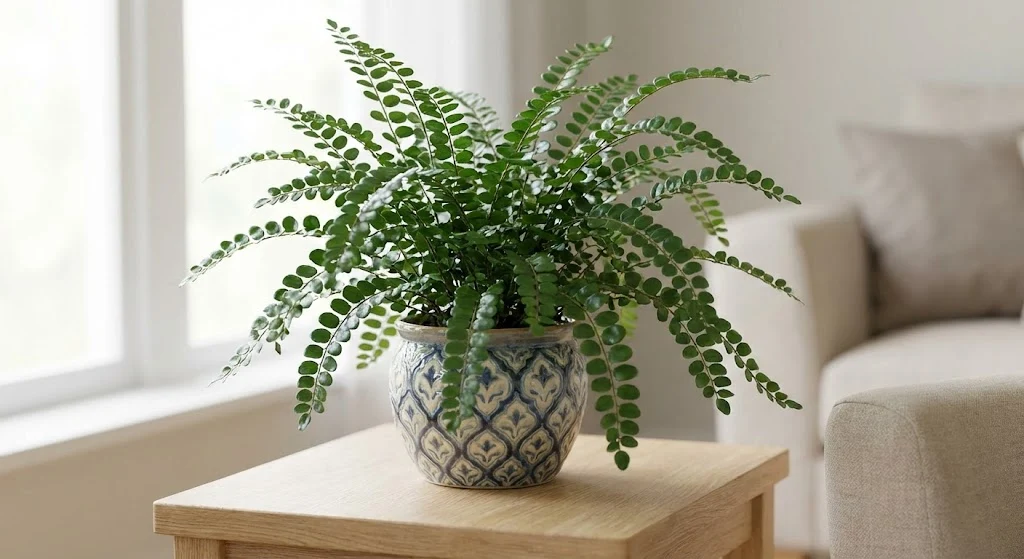
Small, round leaflets line arching stems, creating a compact plant perfect for desks or small spaces. Button ferns stay relatively small, usually under 12 inches tall.
They’re more drought-tolerant than most ferns, which makes them forgiving if you occasionally forget to water. They do well in medium light and prefer slightly drier conditions than their moisture-loving cousins.
6. Rabbit’s Foot Fern (Davallia fejeensis)
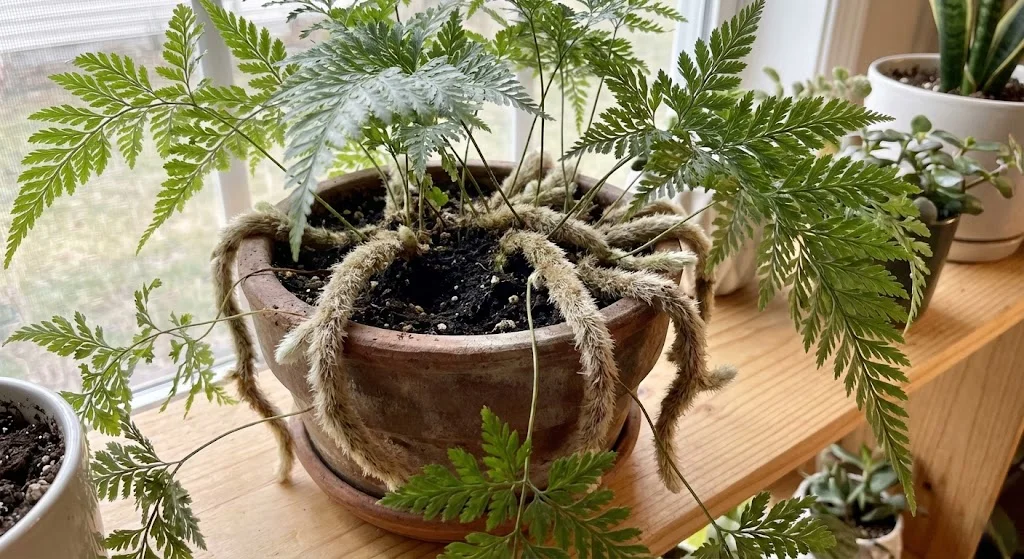
The fuzzy rhizomes that creep over the pot’s edge give this fern its name. Kids especially love touching the soft, furry “feet” that hang down.
These ferns like to dry out slightly between waterings. Plant them in well-draining soil and give them medium to bright indirect light. The creeping rhizomes will eventually cascade over the container.
7. Crested Fern (Thelypteris confluens)
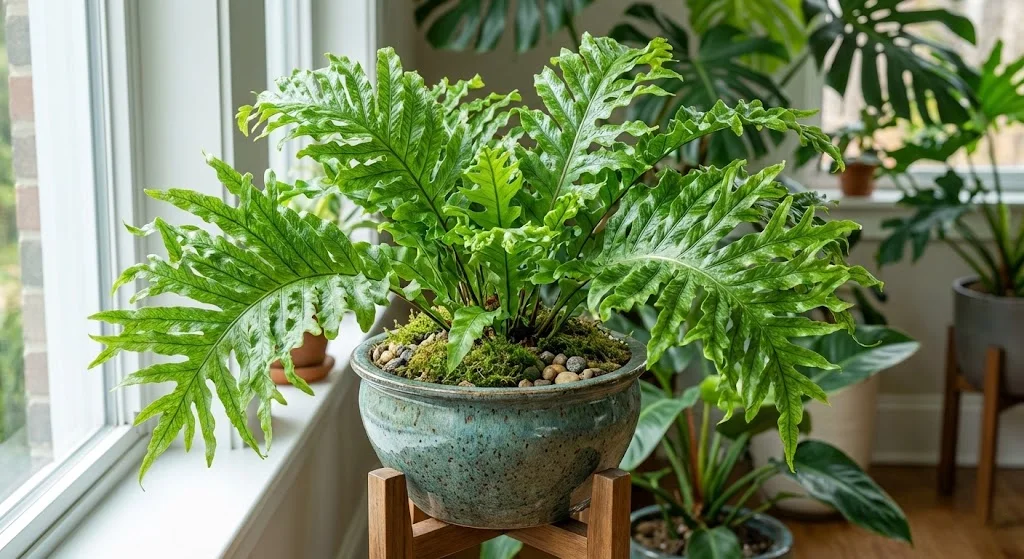
The wavy, crested edges of the fronds add texture that stands out in any plant collection. This fern works beautifully in mixed arrangements or as a standalone feature.
It needs consistently moist soil and moderate light. The unique frond shape makes it worth the extra attention to watering.
8. Silver Lace Fern (Pteris ensiformis)
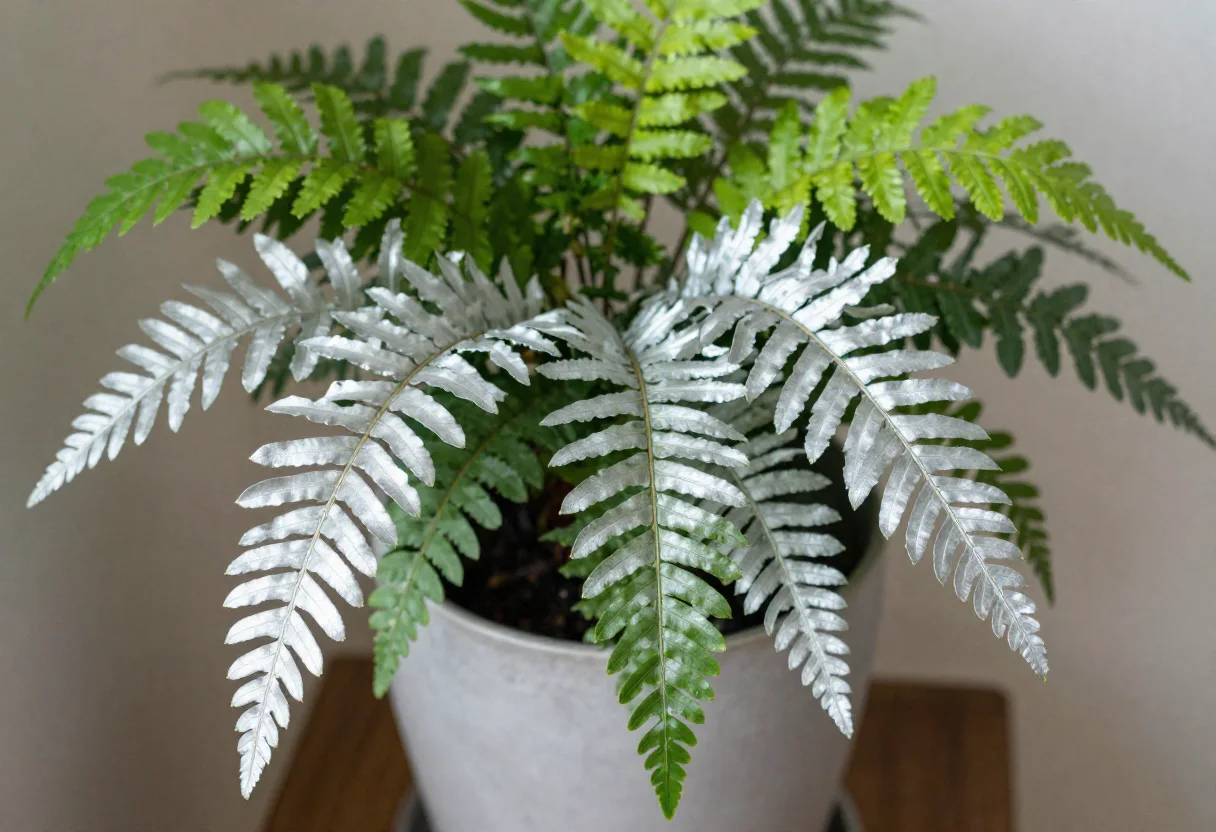
Silvery-white variegation runs through the center of each frond, creating a striking contrast against the deep green edges. This fern brightens up any space.
It prefers bright, indirect light (the variegation needs good light to maintain its color) and high humidity. Regular misting keeps the leaves looking their best.
9. Kangaroo Paw Fern (Microsorum diversifolium)
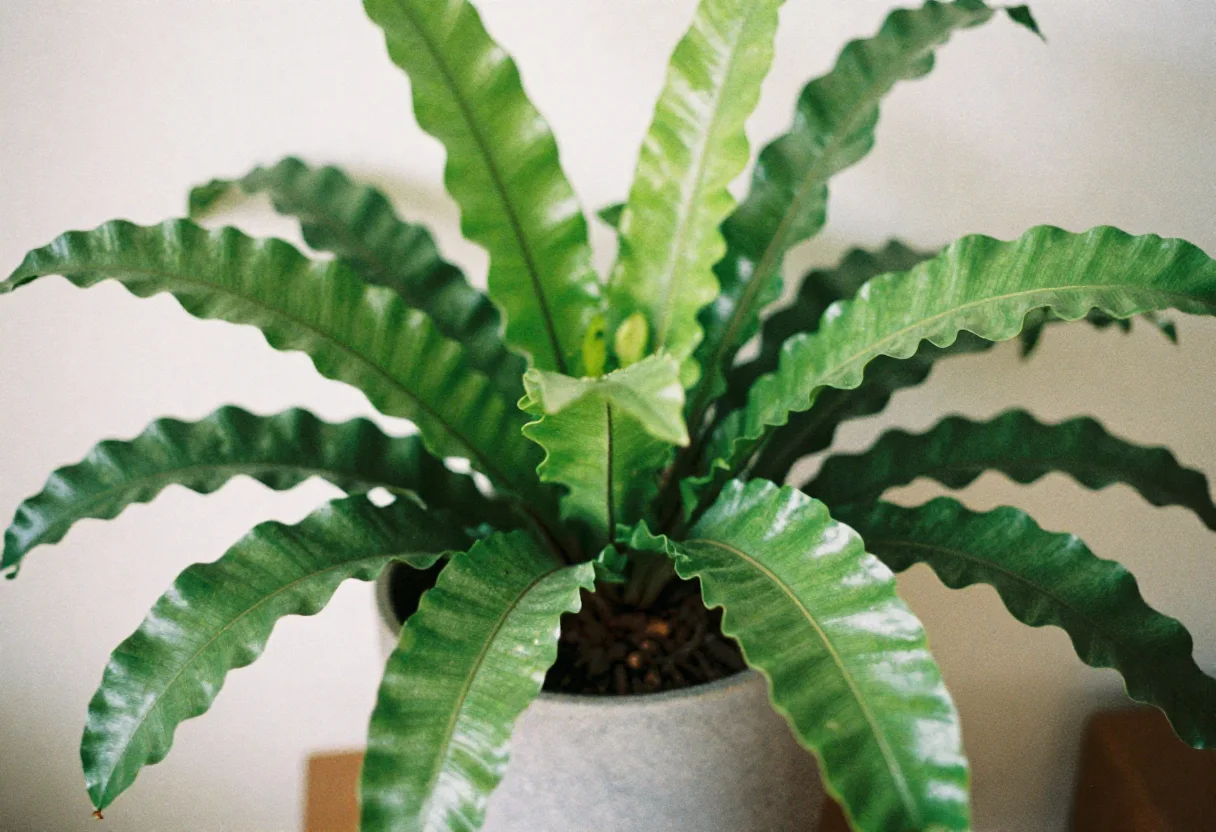
Thick, glossy fronds with deep lobes make this Australian native instantly recognizable. It’s tougher than most ferns and handles neglect better.
This one tolerates lower humidity and occasional dry spells. Medium light works fine, and it doesn’t mind cooler temperatures than tropical ferns.
10. Lemon Button Fern (Nephrolepis cordifolia ‘Lemon’)
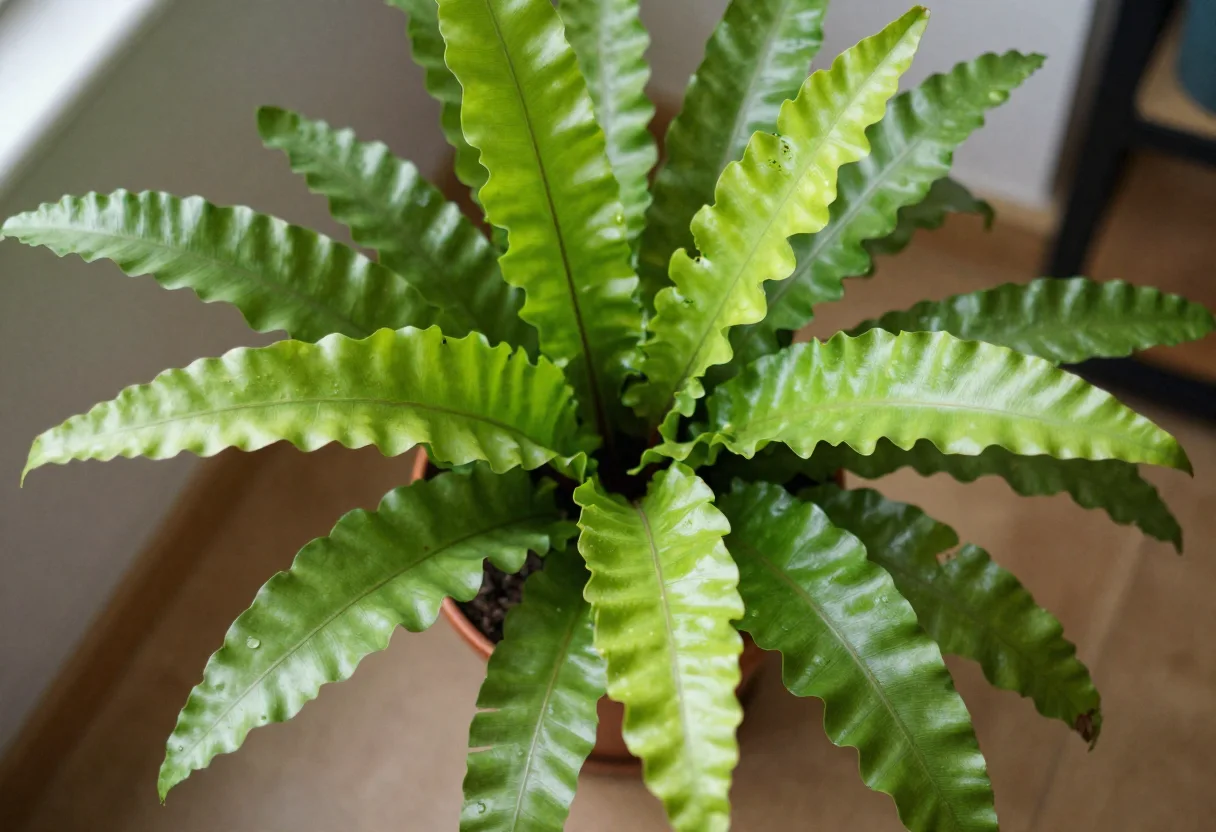
Small, bright green fronds create a compact, cheerful plant. When you brush against the leaves, they release a subtle lemony scent—hence the name.
Care is similar to Boston ferns but on a smaller scale. Keep soil moist, provide indirect light, and maintain moderate humidity.
11. Asparagus Fern (Asparagus setaceus)
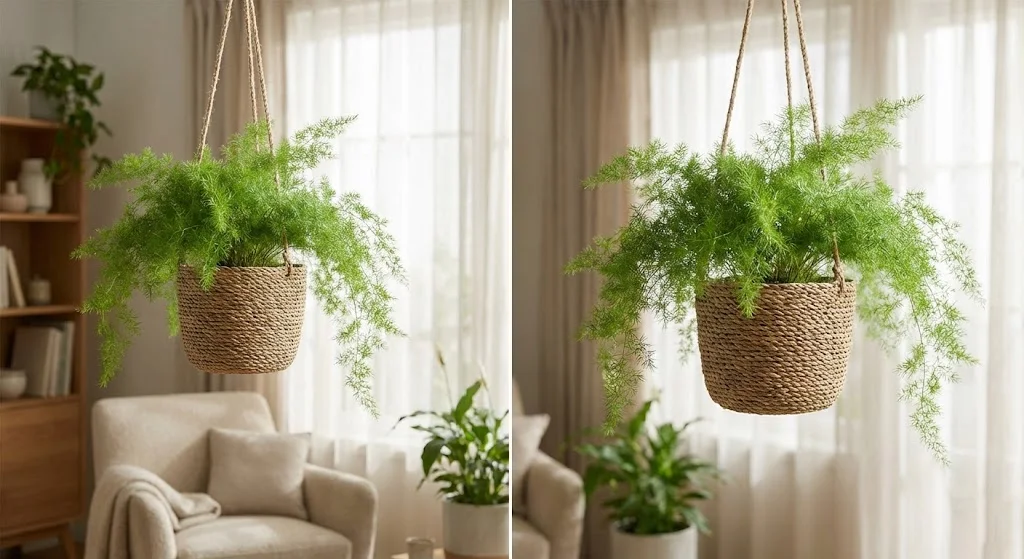
Technically not a true fern, but its fine, feathery foliage earns it a spot on this list. The delicate texture works beautifully in arrangements or as a trailing plant.
It’s quite forgiving and handles more sun than most ferns. Water when the soil dries out partially, and it’ll reward you with lush growth.
12. Cinnamon Fern (Osmundastrum cinnamomeum)
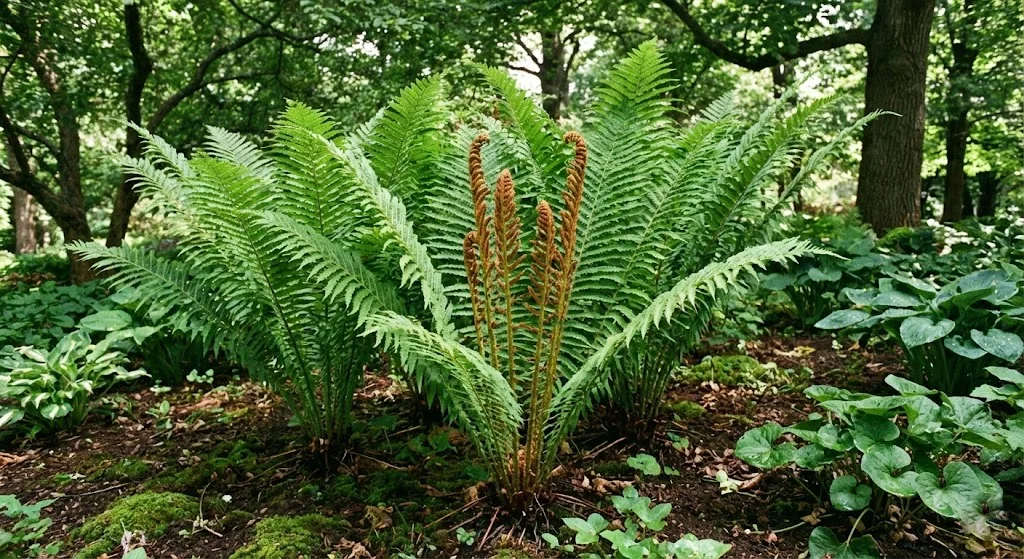
This garden favorite can reach 3-5 feet tall with distinctive cinnamon-colored fertile fronds in the center. It’s a North American native that looks spectacular in woodland gardens.
Plant it in consistently moist soil with partial to full shade. It naturally grows near streams and wetlands, so it loves damp conditions.
13. Royal Fern (Osmunda regalis)
Large, divided fronds can stretch 4-6 feet, making this one of the most impressive garden ferns. It’s called “royal” for good reason—the presence it commands is regal.
Give it plenty of space, wet soil, and partial shade. It’s perfect for bog gardens or alongside ponds where other plants struggle.
14. Japanese Holly Fern (Cyrtomium falcatum)
Glossy, dark green leaflets look almost plastic they’re so shiny. This is one of the toughest ferns for indoor growing, handling lower light and cooler temperatures than most.
Water when the top soil feels dry, and keep it in low to medium light. It’s nearly indestructible, making it perfect for beginners.
15. Sword Fern (Nephrolepis cordifolia)
Upright fronds create a fountain-like shape. It’s adaptable enough for both indoor pots and outdoor garden beds in mild climates.
This fern handles a bit more neglect than Boston ferns. Keep it in bright, indirect light indoors or partial shade outdoors, and water regularly.
16. Ox Tongue Fern (Microsorum scolopendrium)
Thick, tongue-shaped fronds have a unique leathery texture. It’s an eye-catching choice that doesn’t look like typical ferns.
Medium light and regular watering keep it happy. The unusual frond shape makes it a standout in any collection.
17. Tree Fern (Dicksonia antarctica)
This isn’t your average houseplant. Tree ferns develop a trunk-like base that can eventually reach 15 feet tall outdoors. They create a prehistoric atmosphere in gardens.
They need consistent moisture, high humidity, and protection from direct sun and harsh winds. Best suited for mild climates or large conservatories.
18. Leatherleaf Fern (Rumohra adiantiformis)
Tough, long-lasting fronds make this a florist favorite. The triangular fronds have a leathery texture that holds up well in arrangements.
It’s one of the more adaptable ferns, handling some drought and lower humidity. Medium light and regular watering keep it looking fresh.
19. Hart’s Tongue Fern (Asplenium scolopendrium)
Bold, undivided fronds shaped like straps stand upright instead of cascading. It’s a completely different look from typical ferns.
This woodland fern needs cool, shady conditions and consistently moist (but not waterlogged) soil. It’s perfect for shaded rock gardens.
20. Cretan Brake Fern (Pteris cretica)
Compact size and attractive light-colored veins running through each frond make this an excellent tabletop plant. It stays neat and manageable.
Provide bright, indirect light and keep soil evenly moist. It’s less fussy about humidity than many ferns, making it easier to grow.
General Care Tips for Ferns
Most ferns share similar needs. They evolved in forest understories, so they naturally prefer indirect light and consistent moisture. Direct sun typically scorches their delicate fronds.
The biggest mistake people make is underwatering. Ferns generally need soil that stays slightly moist—think damp sponge, not soggy. During active growth in spring and summer, you might water 2-3 times weekly. In winter, once a week often suffices.
Humidity matters more for some ferns than others. If your home’s dry, especially in winter, group plants together, use pebble trays, or run a humidifier nearby. Brown, crispy leaf tips usually signal humidity problems.
Use well-draining potting mix that retains some moisture. A blend for African violets or orchids often works well. Feed monthly during the growing season with diluted liquid fertilizer.
Best Ferns for Indoor Spaces
Boston ferns, bird’s nest ferns, and button ferns top my list for indoor success. They adapt well to home conditions and forgive occasional care mistakes.
Japanese holly fern deserves special mention for low-light spaces. If you have a bathroom with some natural light, maidenhair or Boston ferns will love the natural humidity.
Staghorn ferns work beautifully as living wall art in bright rooms. Rabbit’s foot ferns add interest with their fuzzy rhizomes and work great in hanging planters.
Best Ferns for Outdoor Gardens
Cinnamon fern and royal fern excel in consistently moist garden beds. They’re perfect for those challenging damp areas where other plants rot.
Sword ferns and Japanese holly ferns handle a wider range of conditions, making them reliable choices for shaded borders. Tree ferns create dramatic focal points in frost-free climates.
Hart’s tongue fern adds architectural interest to shaded rock gardens, while leatherleaf fern provides reliable ground cover in mild regions.
Conclusion
Ferns offer something for every space and skill level. Whether you want the classic elegance of a Boston fern or the unusual appeal of a staghorn mounted on your wall, there’s a perfect option waiting.
Start with one or two that match your conditions. Once you see how they transform your space, you’ll probably want more. I still remember my first Boston fern—now I have eight different varieties, and honestly, I’m eyeing a few more.
Which fern caught your attention? Pick one that fits your light and humidity conditions, and give it a try. These ancient plants have survived this long for a reason—they know how to thrive.