

Decoradyard offers practical, budget-friendly home decoration strategies that turn everyday spaces into beautiful, functional havens. Learn how to style your home like a pro without expensive renovations or designer fees.
Your home should feel like you. It should wrap around you like a warm hug after a long day. But somewhere between scrolling through glossy magazines and browsing designer showrooms, many of us forget one simple truth: you don’t need a fortune to create a space that feels beautiful and works for your life.
That’s where Decoradyard comes in. This isn’t another platform showing million-dollar homes you’ll never afford. Instead, Decoradyard focuses on real homes where real people live—with kids, pets, tight budgets, and rental restrictions. The approach works because it starts with a simple question: what makes you feel at home?
What Makes Decoradyard Different
Most home decor advice falls into two camps. Either it’s aspirational eye candy that requires unlimited funds, or it’s so basic you already know it. Decoradyard splits the difference perfectly.
The platform acknowledges something refreshing: we all live differently. Some rent apartments with strict rules. Others own sprawling houses. Some have young children who treat furniture like jungle gyms. Others live solo and want sleek, minimal spaces. Decoradyard doesn’t pretend one size fits all.
About 61% of Americans now choose to renovate rather than move. People want to improve what they have instead of starting over somewhere new. Decoradyard speaks directly to this mindset by offering creative, budget-conscious ideas that respect your wallet, your time, and your sanity.
The philosophy centers on three core beliefs. First, comfort always comes before style. Second, beauty lives in balance, not excess. Third, your home should reflect your real life, not some impossible standard.
Start With Your Actual Lifestyle
Before you buy a single throw pillow, take a hard look at how you actually live. This step saves money and prevents expensive mistakes.
Walk through your home and ask yourself what isn’t working. Is the living room always cluttered? Does the kitchen lack counter space? Do you constantly lose your keys? These pain points tell you where to focus your energy.
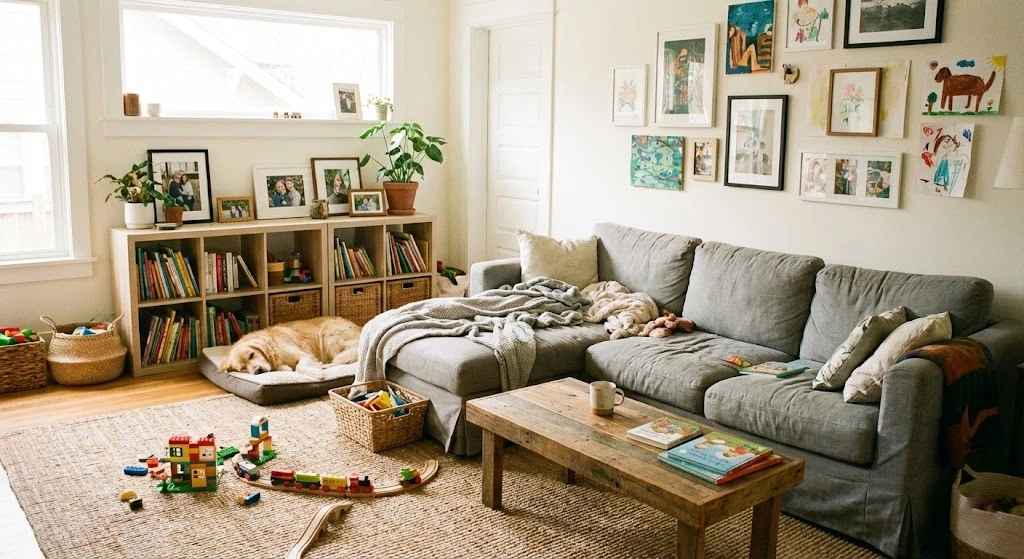
One person following Decoradyard advice decorated her living room with white sofas and delicate decor. Beautiful, sure. But then she realized her dog and two kids made that setup impossible. She switched to washable fabrics, sturdy furniture, and clever storage. Now her space looks great and survives daily life.
Function shapes form in successful home design. Your dining table needs to handle homework and dinner parties. Your entryway should catch keys, mail, and shoes before they travel through the house. Your bedroom needs to promote sleep, not display every decorative item you own.
Create drop zones near doorways. A basket for mail, hooks for keys, a small bench for shoes. This one change prevents clutter from spreading through your entire home. Store items where you use them. It sounds obvious, but most people don’t do it.
The average American home contains around 300,000 items. That’s overwhelming. Smart storage becomes crucial for maintaining both sanity and style. Look for furniture that works double duty—ottomans with hidden compartments, beds with drawers underneath, coffee tables with shelves.
Find Your Design Style Without Getting Lost
You can’t decorate effectively until you know what you like. But figuring out your style doesn’t require hiring a designer or taking courses.
Try the yes/no test. Every time you see a decor item online or in stores, ask yourself two questions: Does this bring me joy? Would I actually use it? Pay attention to patterns. Maybe you always say yes to earthy tones and no to bright colors. Maybe you love clean lines but hate fussy details.
Browse photos and save what makes you smile. Don’t overthink it. Your gut knows what feels right. You’ll start noticing whether you lean toward sleek minimalism, colorful eclecticism, or rustic warmth.
Once you identify your visual identity, maintain consistency across rooms. You can mix styles, but choose one dominant theme and let everything else support it. A modern apartment can include vintage accents. A rustic home can feature metal elements. But jumping between wildly different aesthetics creates chaos instead of charm.
Paint Changes Everything
Paint ranks as the easiest, most affordable way to transform any space. A few gallons can make a tired room feel brand new.
Light colors make small rooms feel larger. Dark shades create intimacy in big spaces. Accent walls add drama without overwhelming your senses. You don’t need to paint every surface. Sometimes refreshing one wall makes all the difference.
Choose colors that match your desired mood. Blues and greens promote calm. Warm neutrals feel cozy. Whites create clean backdrops for colorful art and furniture. Don’t be afraid to test samples on your walls before committing.
One trick: paint old furniture instead of replacing it. A tired dresser becomes a statement piece with the right color. Outdated chairs gain new life. Decoradyard encourages this approach because it saves money and reduces waste.
Layer Lighting Like a Pro
Most people rely on one overhead light per room. This creates harsh shadows and kills ambiance. Decoradyard recommends layering three types of lighting: ambient, task, and accent.
Ambient lighting provides overall illumination. Think ceiling fixtures or recessed lights. Task lighting helps you work—desk lamps, under-cabinet strips, reading lights by your bed. Accent lighting creates mood through table lamps, floor lamps, or wall sconces.
Dimmers give you control over brightness depending on the time of day or activity. Morning coffee needs different light than evening relaxation. This simple upgrade costs little but changes how your space feels.
Don’t forget natural light. Keep windows clean and use sheer curtains that filter rather than block sunshine. Plants near windows thrive and make rooms feel alive.
Bring Nature Inside
Plants instantly improve how spaces look and feel. They add color, purify air, and create visual interest at different heights.
Start with nearly indestructible varieties if you’re new to plant care. Snake plants, pothos, and ZZ plants tolerate irregular watering and less-than-ideal light conditions. They’re hard to kill and reward minimal effort with lush growth.
Group plants in odd numbers—three or five look more natural than pairs. Experiment with unexpected locations. Bathrooms, kitchens, even offices benefit from greenery. Vertical gardens or mounted planters transform blank walls into living displays while saving floor space.
Studies show rooms with plants reduce stress and improve wellbeing by up to 60%. That’s not just decoration. That’s improving your quality of life.
Mix Textures for Depth
Combining different materials adds dimension that flat, uniform rooms lack. Pair soft with rough, matte with shiny, warm with cool.
Layer a chunky knit throw over a leather sofa. Place a sisal rug beneath a glass coffee table. Mix linen curtains with metal curtain rods. These contrasts make everything feel more thoughtful and complete.
Decoradyard often recommends rug layering. Put a smaller patterned rug over a larger neutral one. This creates zones within rooms and defines conversation areas. It also lets you use that beautiful-but-too-small rug you couldn’t resist buying.
Wood, metal, ceramic, fabric, glass—each material brings its own personality. Combining them creates visual interest without adding clutter.
Shop Smart and Save Money
Budget-friendly decorating doesn’t mean sacrificing quality. It means making smart choices about where to spend and where to save.
Thrift stores and flea markets hide incredible treasures. A wooden dresser or brass lamp transforms with fresh paint, new hardware, or simple polish. You can save 50-80% while creating one-of-a-kind pieces that feel uniquely yours.
Invest in high-impact items like quality mattresses, sofas you’ll use daily, or statement lighting. Save on smaller accessories like throw pillows, vases, or decorative objects. Mix store-bought items with handcrafted pieces for balance.
DIY projects stretch budgets further. Paint old furniture. Create wall art. Craft centerpieces from natural materials. These projects add personality while keeping costs down.
Buy durable materials that last. Solid wood beats particleboard. Metal fixtures outlast plastic. Quality pieces cost more upfront but save money over time because you won’t replace them every few years.
Use Walls as Design Opportunities
Empty walls waste valuable space. But filling them requires strategy, not just random picture hanging.
Create gallery walls with personal photos, artwork, or prints. Mix frame sizes and styles for an eclectic look, or match them for cohesion. The key is planning layout before hammering nails.
Vertical gardens turn walls into living features. Try tiered stands or hanging pots at different heights. This approach works especially well in small spaces where floor area comes at a premium.
Floating shelves display books, plants, and decorative objects while adding storage. They cost less than built-in units and work in rentals because they require minimal wall damage.
Create Outdoor Extensions
Your yard, patio, or balcony deserves attention too. These spaces expand your living area and boost curb appeal.
Start with pathways if you have ground space. Flagstone, brick, or gravel creates structure and guides movement through your yard. Choose materials that match your home’s character.
Outdoor furniture doesn’t need to cost thousands. Look for weather-resistant pieces you can paint or refinish. Add cushions in colors that make you happy. String lights or lanterns create ambiance after dark.
Container gardens work for any size space. Cluster pots in odd numbers and vary heights. Fill them with herbs, flowers, or vegetables depending on your interests.
Even small balconies transform with the right approach. A hammock chair creates a reading nook. Vertical planters maximize growing space. Outdoor rugs define areas and add softness underfoot.
Make It Personal
The best homes tell stories about the people who live there. Display items that matter to you, not what magazines say you should own.
Travel souvenirs, family photos, collections, handmade items—these create character that store-bought decor can’t match. Don’t hide your personality trying to achieve some perfect aesthetic.
Decoradyard believes beautiful homes should also be comfortable and work with your lifestyle. If you love books, display them proudly instead of hiding them. If you collect vintage cameras, show them off. Your interests make your space unique.
Common Mistakes to Avoid
Rushing the process leads to regret. Take time to plan, save for quality pieces, and live with your choices before making permanent changes.
Don’t buy everything at once. Homes evolve naturally. Start with essentials, then add pieces as you find items you truly love. This prevents that “everything came from one store on one day” look.
Avoid trends that don’t match your personality. You’ll tire of them quickly and waste money replacing items that never felt right anyway.
Scale matters. Oversized furniture overwhelms small rooms. Tiny pieces disappear in large spaces. Measure carefully and visualize how items fit before buying.
The Real Goal
Creating a beautiful home isn’t about impressing visitors or copying magazine spreads. It’s about crafting a space where you feel happy, relaxed, and authentically yourself.
Decoradyard reminds us that decoration should be joyful, not stressful. Small changes create big impacts. Creativity matters more than budgets. Your home reflects your life, and there’s nothing wrong with showing the real you.
Start small if you feel overwhelmed. Pick one room or even one corner. Make it work better. Make it feel better. Then move to the next space when you’re ready.
Your home is a living thing that grows with you. It doesn’t need to be perfect. It needs to be yours.