

SQRWomensRestroom represents a modern approach to women’s restroom design that prioritizes safety, privacy, hygiene, and accessibility through smart technology, touchless fixtures, and inclusive layouts for better public facility experiences.
Understanding the SQRWomensRestroom Concept
Have you ever walked into a public restroom and immediately felt uncomfortable? Maybe the stalls had huge gaps, the lighting was dim, or the whole place just felt unsafe. You’re not alone in that experience. Millions of women face these challenges every single day, which is exactly why the SQRWomensRestroom concept has become such an important conversation in modern facility design.
SQRWomensRestroom isn’t just a fancy name for a bathroom. It’s actually a complete redesign philosophy that puts women’s needs first. The term combines several important ideas: “SQR” stands for Safe, Quiet, and Reliable, while also referencing “square” layouts and “smart quality restroom” technology. When you put it all together, you get a restroom experience that’s miles ahead of what most public facilities offer today.
Think about the last time you used a public restroom in a mall or airport. Did you feel truly comfortable? Probably not. Traditional designs have been failing women for decades, with inadequate privacy, poor hygiene standards, long waiting times, and layouts that don’t consider real-world needs. The SQRWomensRestroom movement is changing all of that by bringing together modern architecture, smart technology, and genuine concern for user experience.
Why Traditional Women’s Restrooms Fall Short
Let’s be honest about the problems we’ve all experienced. Traditional women’s restrooms come with a long list of frustrations that have been ignored for way too long. The privacy issue alone is enough to make anyone uncomfortable. Those gaps at the bottom and top of stall doors aren’t just annoying; they make people feel exposed and anxious. Nobody should have to worry about eye contact with strangers while using a restroom.
Then there’s the cleanliness problem. How many times have you walked into a restroom and immediately turned around because it was just too gross? Inconsistent cleaning schedules, outdated fixtures that harbor germs, and poor ventilation create environments that nobody wants to use. Women deserve better than having to hold their breath or hover uncomfortably because the facilities aren’t properly maintained.
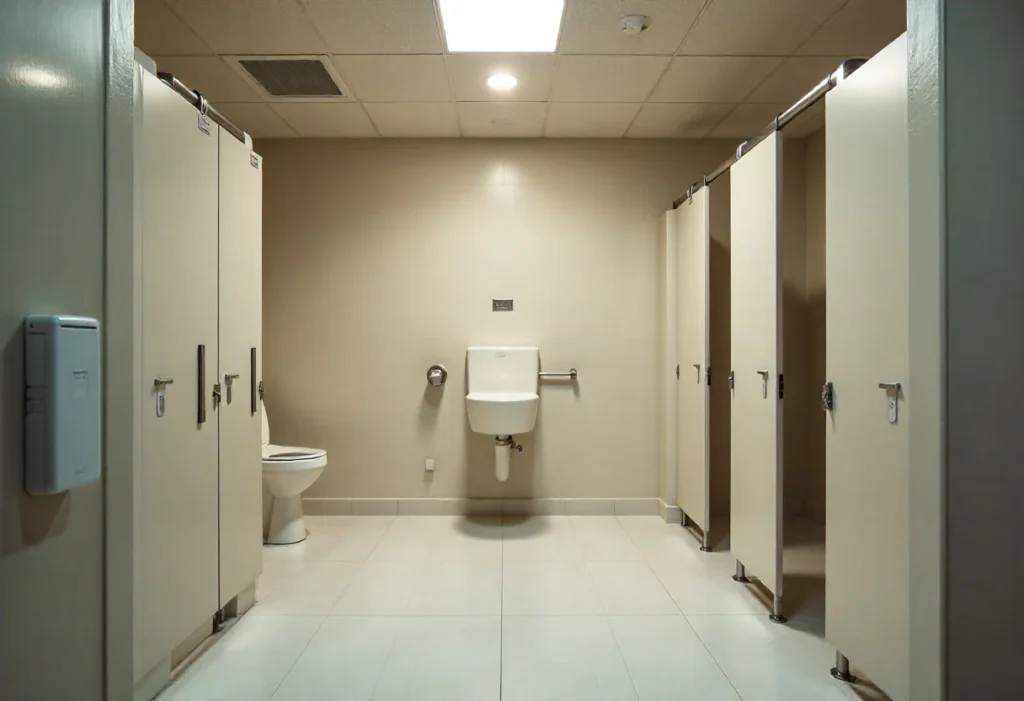
Safety concerns are real and valid. Poorly lit restrooms with hidden corners or isolated locations create genuine anxiety. Women often feel vulnerable in these spaces, which is completely unacceptable. Public facilities should be places where everyone feels secure, not threatened.
Accessibility gets overlooked far too often. People using wheelchairs, parents with strollers, elderly individuals, or anyone with mobility challenges face unnecessary obstacles. Narrow doorways, cramped stalls, and fixtures placed at awkward heights turn a simple restroom visit into a frustrating ordeal. Design should make life easier for everyone, not harder.
The Core Features That Make SQRWomensRestroom Different
So what exactly sets SQRWomensRestroom apart from the old-fashioned restrooms we’re used to? The difference starts with privacy that actually works. Instead of those flimsy partitions with embarrassing gaps, modern facilities feature floor-to-ceiling enclosures. These stalls function more like private rooms than exposed cubicles. You get complete visual privacy, and soundproofing helps maintain dignity and comfort.
Smart technology brings hygiene to a whole new level. Motion-activated faucets, soap dispensers, flush systems, and hand dryers mean you’re not touching surfaces that hundreds of other people have touched. Some facilities even include air quality sensors that monitor freshness and trigger cleaning alerts when needed. Antibacterial surfaces and self-cleaning technologies work continuously to maintain sanitary conditions without constant human oversight.
The layouts themselves are smarter too. Rather than cramped, confusing spaces, SQRWomensRestroom facilities use modular designs with clear movement paths. There’s proper spacing between fixtures, dedicated zones for different activities, and layouts that prevent congestion even during peak times. Many use a square or grid-based arrangement that makes expansion or renovation much easier down the road.
Lighting makes a massive difference in how safe and comfortable a space feels. Bright, well-distributed lighting eliminates dark corners and creates a welcoming atmosphere. Some facilities even adjust lighting based on time of day or occupancy levels, using smart systems to optimize visibility while saving energy.
Accessibility isn’t an afterthought; it’s built into the design from the beginning. Wide doorways accommodate wheelchairs and strollers easily. Grab bars, adjustable-height fixtures, and spacious stalls ensure that people with mobility challenges can use the facilities independently. Family-friendly features include changing tables, nursing areas, and stroller-accessible layouts. Research shows that 75 percent of users with disabilities find these modern facilities significantly easier to access compared to traditional designs.
Smart Technology Integration
The technology aspect really sets SQRWomensRestroom apart from anything that came before. We’re talking about facilities that use Internet of Things sensors to track usage patterns, maintenance needs, and cleaning schedules. This isn’t just cool technology for its own sake; it solves real problems that have frustrated users and facility managers for years.
Imagine checking an app on your phone before leaving your seat at a conference and seeing which restrooms have available stalls. That’s what real-time occupancy tracking does. It helps you avoid congested facilities during peak times, reducing wait times and improving everyone’s experience. The system doesn’t invade privacy; it simply counts occupancy without identifying individuals.
Digital cleaning logs bring transparency and accountability. Users can see when facilities were last cleaned and what procedures were followed. If supplies are running low or maintenance is needed, smart sensors alert staff automatically. This means problems get addressed before they become major issues, keeping facilities cleaner and more functional.
Some advanced locations include emergency features like panic buttons connected to security systems. If someone feels unsafe, help can be summoned immediately. This kind of safety integration gives women genuine peace of mind when using public facilities.
Mobile apps are becoming standard tools for locating the nearest SQR facilities, checking cleanliness ratings, and even providing feedback. Crowdsourced reviews help maintain standards because facilities know their performance is being monitored and shared. This creates positive pressure to maintain high standards consistently.
Environmental Sustainability Built In
Modern restroom design can’t ignore environmental impact, and SQRWomensRestroom facilities take sustainability seriously. Water-saving fixtures like low-flow toilets and faucets reduce consumption without sacrificing performance. Some facilities report cutting water usage by 30 to 40 percent compared to traditional fixtures.
Energy-efficient lighting, particularly LED systems, dramatically reduces electricity consumption. Motion sensors ensure lights only run when needed, and natural lighting gets incorporated wherever possible. Some cutting-edge facilities even include solar panels or other renewable energy sources.
The materials themselves matter too. Sustainable building materials, recycled content, and finishes that don’t require harsh chemicals for cleaning all contribute to a smaller environmental footprint. Long-lasting, durable materials reduce the need for frequent replacements, cutting down on waste over time.
Smart monitoring systems help facilities track their resource usage in real-time, identifying opportunities for improvement. When you can see exactly how much water or energy you’re using, you can make informed decisions about conservation. This data-driven approach to sustainability makes environmental responsibility practical and measurable.
User Experience and Real Results
Does all this technology and design philosophy actually work? The data says absolutely yes. Studies show that 85 percent of women feel more comfortable using upgraded facilities compared to traditional restrooms. That’s not just a marginal improvement; it’s a dramatic shift in how people experience public spaces.
Among users with disabilities, satisfaction rates reach 75 percent, representing a significant improvement in accessibility. When people can use facilities independently and comfortably, it changes their entire relationship with public spaces. Nobody should have to plan their day around whether they’ll be able to access basic facilities.
The privacy features receive particularly high marks from users. Many women report that floor-to-ceiling stalls eliminate anxiety they’ve felt in public restrooms their entire lives. That constant worry about someone looking through gaps or under doors? It’s gone. The psychological relief of actual privacy can’t be overstated.
Touchless technology scores well too, with 90 percent of users appreciating the improved hygiene measures. In a post-pandemic world, minimizing surface contact isn’t just nice to have; it’s essential. People notice and value facilities that take hygiene seriously.
These improvements translate into real behavioral changes. Women are more likely to use public facilities when they meet higher standards. This improves overall quality of life and public space utilization. The ripple effects extend to increased foot traffic for businesses and greater participation in public activities. When people feel comfortable using facilities, they spend more time in those locations.
Implementation Challenges and Solutions
Setting up a SQRWomensRestroom sounds great, but implementation comes with real challenges. Older buildings often face plumbing limitations and structural constraints that make retrofitting expensive. You can’t always just tear everything out and start over. However, many features like sensors, upgraded fixtures, and improved partitions can be added modularly, allowing facilities to upgrade in phases as budgets allow.
The upfront costs can be significant. Installing floor-to-ceiling partitions costs more than standard dividers. Smart technology requires ongoing maintenance contracts. Increasing stall counts demands additional square footage, which is premium real estate in urban cores. Yet the investment makes financial sense when measured against user satisfaction and operational efficiency.
Building codes vary by jurisdiction, which can complicate design standardization. What works in one city might need modifications to meet requirements elsewhere. Working with experienced architects and designers who understand both the vision and local regulations helps navigate these challenges.
Staff training matters too. Smart fixtures require proper maintenance by people who understand the technology. Automated systems need professional repairs when things go wrong. Building strong relationships with vendors and service providers ensures problems get resolved quickly.
Despite these challenges, forward-thinking organizations are finding ways to make it work. They start with pilot projects, gather user feedback, measure results, and then expand. The data consistently shows that facilities meeting modern standards attract more visitors and generate positive brand perception.
The Future of Women’s Restroom Design
Looking ahead, the evolution of SQRWomensRestroom concepts shows no signs of slowing down. AI-driven facilities management will use machine learning to predict usage patterns, optimize cleaning cycles, and anticipate maintenance needs before problems occur. Imagine a system that knows Tuesday afternoons are busy and automatically schedules extra cleaning staff.
Biometric touchless interaction might include voice or gesture controls for operating fixtures. Advanced materials like self-healing coatings and nano-silver antimicrobial surfaces could make facilities even more hygienic with less maintenance. Energy harvesting technology might capture human heat and motion to power sensors, making facilities more self-sufficient.
The conversation is shifting from “Do we need better facilities?” to “How quickly can we implement them?” Organizations that prioritize user-centered restroom design gain competitive advantages in attracting visitors, employees, and customers. In competitive markets like shopping centers, airports, and office buildings, providing well-designed restrooms sets businesses apart.
Global standardization efforts are underway to establish benchmarks for hygiene, accessibility, and sustainability in public restroom design. As these standards become more widespread, the SQRWomensRestroom model will likely become the norm rather than the exception.
Taking Action
If you’re a facility manager, architect, or business owner, now is the time to consider upgrading to SQRWomensRestroom standards. Start with a thorough assessment of your current facilities and identify the biggest pain points. Gather feedback from actual users, especially women, parents, and people with disabilities. Their input will guide you toward the most impactful improvements.
For users, you have more power than you might think. Download official apps if available to find quality facilities quickly. Use emergency features if you ever feel unsafe. Provide feedback to help facilities improve. Encourage the businesses and organizations you frequent to adopt these higher standards. Your voice matters.
Promote awareness in your community about what good restroom design looks like. The more people expect quality facilities, the more pressure there is on organizations to deliver them. This creates a positive cycle of improvement that benefits everyone.
SQRWomensRestroom represents more than just upgraded bathrooms. It’s a fundamental shift in how we think about public spaces and the dignity everyone deserves. By combining thoughtful design, smart technology, genuine concern for user experience, and environmental responsibility, these facilities set a new standard for what’s possible.
The challenges women have faced in public restrooms for decades aren’t inevitable. They’re the result of outdated thinking and misplaced priorities. When we choose to prioritize safety, privacy, accessibility, hygiene, and comfort, we create spaces where everyone can participate fully in public life.
The future is already here in some places, and it’s designed with women’s actual needs in mind. As more facilities adopt these standards, we move toward a world where using a public restroom isn’t something to dread or avoid. It becomes what it should be: a clean, safe, comfortable space that respects everyone who uses it. That’s not asking too much. That’s asking for basic human dignity, and SQRWomensRestroom is showing us how to deliver it.