

TheHomeTrotters.com offers practical home decor ideas blending timeless design with budget-friendly solutions. From DIY projects to seasonal updates, discover inspiration for every room in your home.
Your home tells your story. Every room, every corner, every piece of furniture reflects who you are and how you want to live. But creating a space that feels both beautiful and functional doesn’t require an unlimited budget or a professional designer. TheHomeTrotters centers on creating functional spaces that reflect personal style while maintaining visual harmony, making home design accessible to everyone.
When you walk into your home at the end of a long day, you should feel immediate relief. That sense of comfort comes from thoughtful design choices that blend practicality with personality. TheHomeTrotters.com has become a trusted resource for homeowners seeking this balance, offering thousands of ideas spanning interior design, organization hacks, and sustainable living solutions.
Understanding Your Design Style
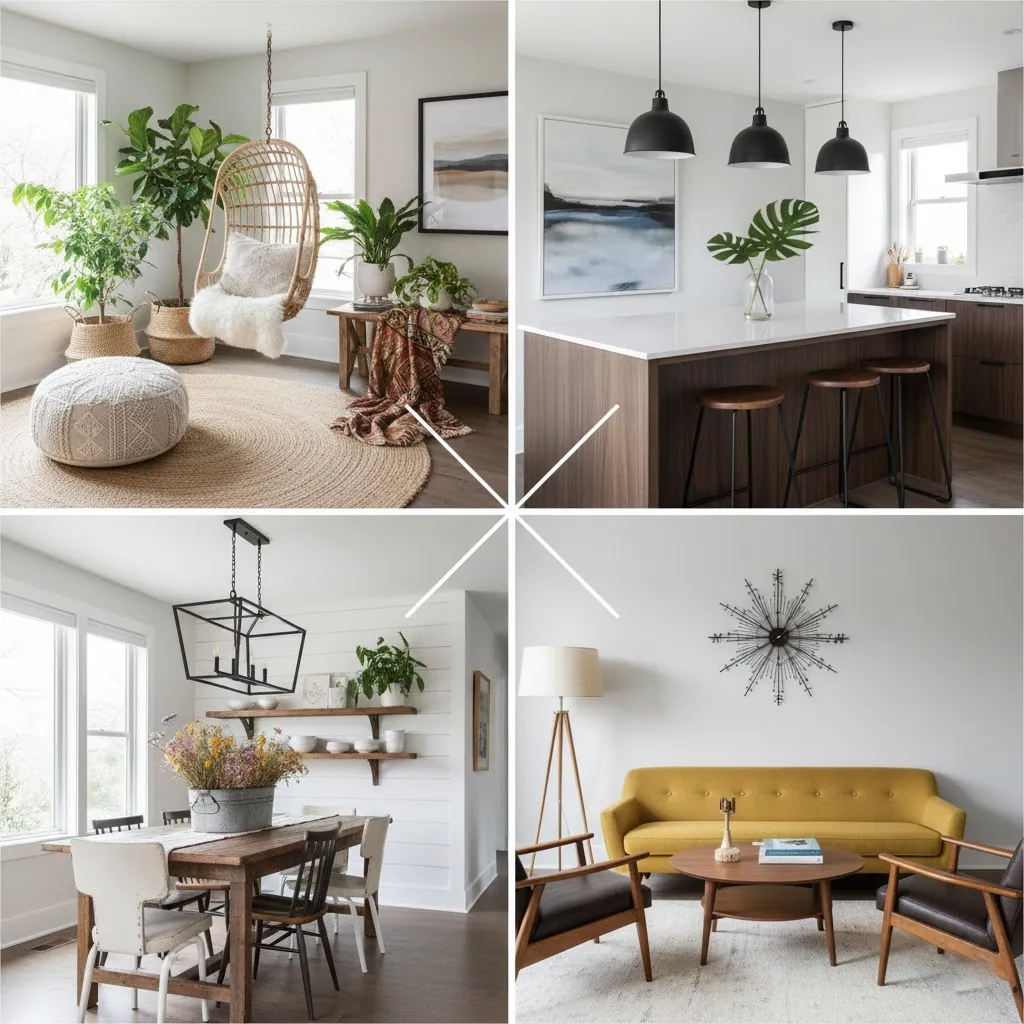
Before you start rearranging furniture or picking paint colors, take a moment to identify what truly speaks to you. Is it bohemian flair or sleek modernism? Couples may find that they must blend their tastes, creating a harmonious space reflecting both styles. You might be drawn to farmhouse charm with its cozy textures and rustic wood. Or perhaps mid-century modern with clean lines and minimalist appeal feels more authentic to your lifestyle.
Your design journey starts with honest self-reflection. Walk through your current space and notice what makes you smile. Which colors energize you? What textures make you want to reach out and touch? These instinctive reactions guide you toward your authentic style. Don’t force yourself into a trending aesthetic just because it looks good on social media. Your home should feel like you, not like someone else’s Instagram feed.
The best interiors combine multiple influences rather than strictly following one style. You might love the clean simplicity of Scandinavian design but also collect colorful pottery from your travels. That contrast creates interest and tells your unique story. TheHomeTrotters emphasizes three core design elements across their projects: Clean lines paired with organic textures, such as marble countertops with wooden accents.
Making Function Work for You
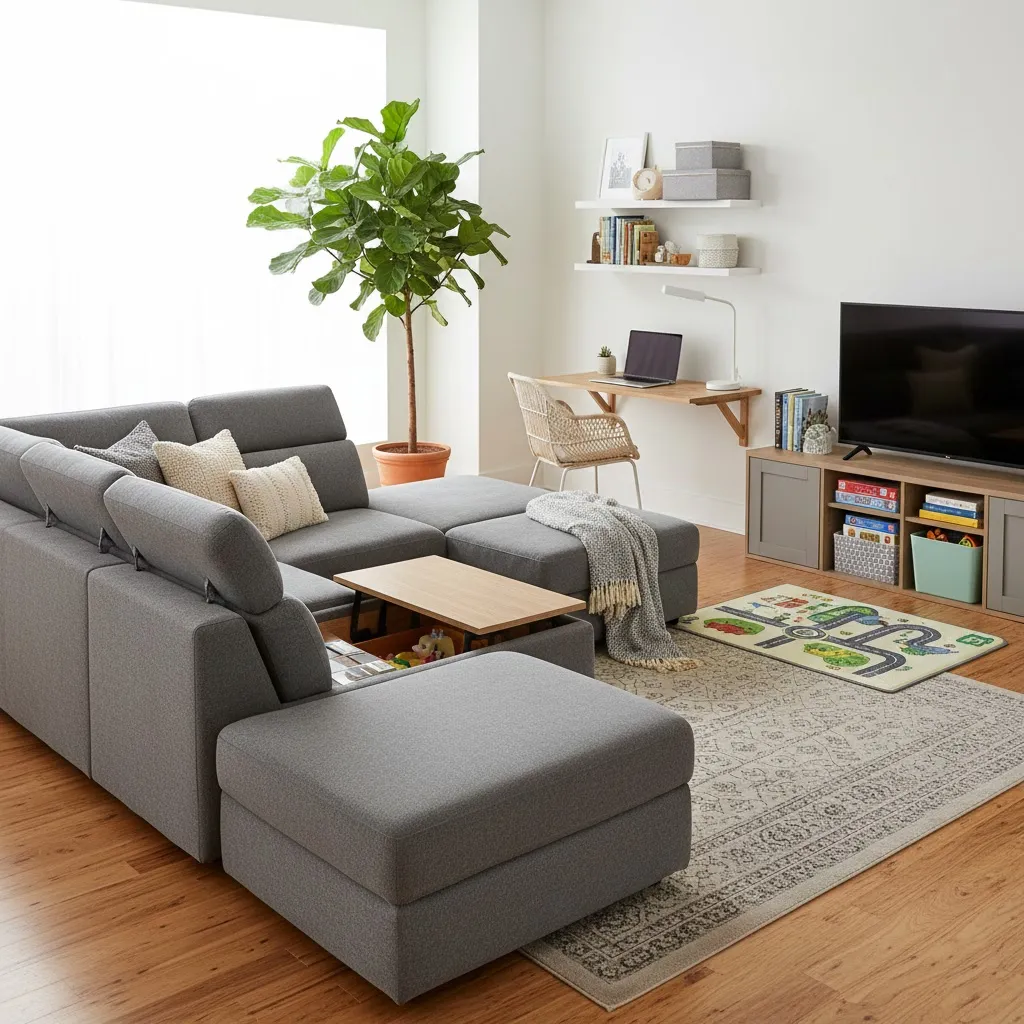
Pretty spaces that don’t serve your daily needs become frustrating quickly. Understanding how each room serves your lifestyle dictates the choice of furniture and decor. A cozy family room may require comfortable seating for movie nights, while a home office should foster productivity. Start by listing how you actually use each room, not how you think you should use it.
Your living room might need to accommodate work-from-home video calls, kids doing homework, and weekend entertaining. That’s three different functions requiring thoughtful planning. Consider modular furniture that adapts to different needs. A storage ottoman provides seating for guests, hides toys and blankets, and serves as an extra surface when topped with a tray.
Walk through your morning routine and evening wind-down. Where do bottlenecks happen? Maybe your entryway becomes a dumping ground for keys, mail, and shoes because there’s nowhere to put them. A simple wall-mounted shelf with hooks transforms chaos into order. Avoid overcrowding spaces but ensure that every piece serves a purpose. If a chair doesn’t see use, perhaps it’s time for it to find a new home.
Color Psychology in Your Home
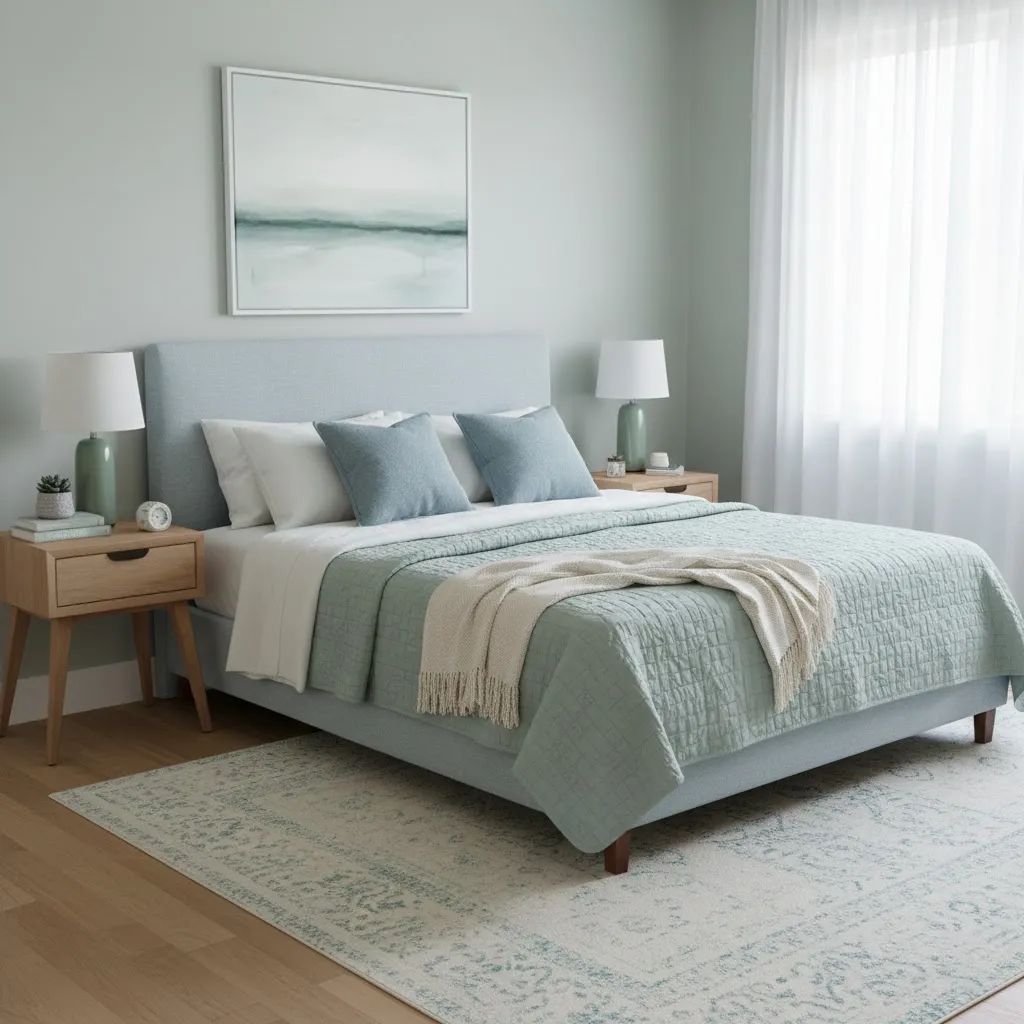
Color transforms mood more powerfully than almost any other design element. The right palette can increase energy or encourage serenity. One might opt for calming hues like soft blues and greens in the bedroom. Meanwhile, vibrant oranges or yellows can create a lively atmosphere in the kitchen. Your color choices should support how you want to feel in each space.
Bedrooms benefit from colors that promote relaxation. Soft blues, sage greens, and warm grays create a restful environment that helps you unwind. These colors lower blood pressure and slow your heart rate, preparing your body for sleep. Save the energizing colors for spaces where you want to feel alert and engaged.
Kitchen and dining areas thrive with warm, inviting colors that stimulate appetite and conversation. Terracotta, mustard yellow, and rich burgundy make these spaces feel welcoming. You don’t need to paint every wall in bold colors. Strategic accent walls or colorful accessories deliver the same impact with less commitment.
Neutral bases provide flexibility for changing your accent colors seasonally. A room with beige walls and natural wood floors becomes a blank canvas. Switch out throw pillows, artwork, and curtains to refresh the space without major renovation. This approach saves money while keeping your home feeling current and intentional.
Budget-Friendly Transformation Strategies
DIY home improvements deliver significant savings through hands-on project execution. You don’t need thousands of dollars to create a stunning home. Small, strategic updates often create the biggest impact. Start with high-visibility areas where changes will be noticed immediately.
Paint remains the most cost-effective transformation tool. A single weekend and a few cans of paint can completely change how a room feels. Try an accent wall behind your bed or sofa to create instant drama without overwhelming the space. Color-blocking techniques add modern flair for minimal investment.
Hardware updates deliver surprising impact for minimal cost. Update cabinet hardware with modern pulls costing $2-5 per piece. Those outdated brass handles in your kitchen or bathroom can be replaced with sleek matte black or brushed brass options in an afternoon. This simple change makes cabinets look newly refinished without the expense of replacement.
Lighting changes everything. Swap outdated fixtures for modern pendants or stylish table lamps. Under-cabinet lighting in kitchens improves functionality while adding ambiance. Floor lamps in dark corners make spaces feel larger and more inviting. Good lighting costs less than furniture but creates atmosphere that makes every other element look better.
Storage Solutions That Actually Work
Clutter destroys even the most beautiful design. Vertical storage systems utilize wall space efficiently through mounted shelves floating cabinets brackets. Floor-to-ceiling built-ins create seamless storage while maintaining visual flow in compact areas. The key is creating dedicated homes for everything you own.
Think vertically when floor space is limited. Wall-mounted shelves, floating cabinets, and tall bookcases use often-wasted space above eye level. Under-bed storage containers with wheels for seasonal items blankets shoes make perfect sense in bedrooms. Corner shelving units transform dead space into functional storage zones.
Hidden storage integrates seamlessly into your design. Ottoman benches with lift-top compartments store blankets and games while providing extra seating. Coffee tables with drawers hide remotes, magazines, and coasters. Murphy beds with integrated storage compartments transform guest rooms into offices when not in use.
Don’t overlook door-mounted organizers. The back of closet doors, bathroom doors, and pantry doors offer valuable real estate. Over-door organizers with multiple pockets for accessories toiletries supplies keep small items accessible without cluttering counters. Magnetic strips on kitchen walls hold knives, freeing up precious counter and drawer space.
Personalizing Your Space
Generic homes feel cold no matter how professionally designed. Showcase your own travels, frame memories, and keep everyday items within reach without sacrificing style. Your personality should shine through in unexpected places. Family photos, travel souvenirs, and handmade items tell your story in ways store-bought decor never can.
Create a gallery wall mixing different frame sizes and styles. Start with one central piece that means something to you, then build around it. Include photographs from meaningful trips, artwork from local artists, or your children’s drawings. The eclectic mix feels more authentic than matched frames from a furniture store.
Collections deserve display space. Whether you collect vintage cameras, colorful pottery, or antique books, showing your interests makes your home distinctly yours. Group similar items together for visual impact rather than scattering them throughout your space. A dedicated shelf for your collection becomes a conversation piece that reflects your passions.
Inherited items connect you to family history. That quilt your grandmother made or the chair your father refinished carries emotional weight that new furniture can’t match. Don’t shy away from blending vintage treasures with new finds—a mid-century lamp or heirloom rug can become a room’s focal point against crisp, contemporary backdrops.
Seasonal Refreshes Keep Spaces Current
Your home should evolve with the seasons, not remain static year-round. Each season introduces distinct color palettes that energize living spaces. Spring embraces sage green paired with blush pink accents while summer features coastal blues matched with sandy neutrals. These changes keep your space feeling fresh without requiring major investment.
Spring calls for lighter textures and botanical touches. Swap heavy velvet pillows for linen ones. Replace dark curtains with sheer panels that let sunshine stream through. Add fresh flowers or potted herbs to windowsills and tables. The transition from winter’s coziness to spring’s airiness lifts spirits and welcomes warmer weather.
Summer invites natural materials and coastal influences. Woven baskets, jute rugs, and bamboo accessories bring outdoor elements inside. White and blue color schemes keep spaces feeling cool even on hot days. Replace heavy blankets with lightweight throws in natural fibers like cotton or linen.
Fall incorporates rust orange combined with deep browns while winter showcases icy blues paired with metallic silver details. Autumn demands warm textures and rich colors. Bring out wool throws, velvet pillows, and chunky knit blankets. Swap light curtains for heavier ones that retain warmth. Add amber and burgundy accents through candles, artwork, and accessories.
Sustainable Design Choices
Today’s homeowners increasingly consider environmental impact alongside aesthetics. Choosing sustainable materials and practices reduces your carbon footprint while creating a healthier home environment. More Americans are choosing sustainability, too: selecting local artisans or upcycled pieces reduces environmental impact while reinforcing a home’s individual narrative.
Secondhand and vintage furniture offers unique character while preventing waste. Thrift stores, estate sales, and online marketplaces overflow with quality pieces needing new homes. A solid wood dresser from the 1960s often surpasses modern particleboard alternatives in both durability and style. Refinishing or repainting these finds costs less than buying new while creating one-of-a-kind pieces.
Natural materials like wood, stone, and organic textiles improve indoor air quality. Low-VOC paints release fewer harmful chemicals into your home. Bamboo grows rapidly, making it an environmentally responsible choice for flooring and furniture. These materials often age more gracefully than synthetic alternatives, maintaining beauty for decades.
Energy-efficient choices reduce utility bills while helping the environment. LED bulbs use less electricity and last years longer than traditional options. Heavy curtains and cellular shades reduce heating and cooling costs. Proper insulation in walls and attics makes the biggest impact on energy consumption.
Starting Your Transformation
Feeling overwhelmed by possibilities is normal. Start small rather than attempting to renovate your entire home at once. Identify the bottleneck or “energy drain” area in your home—whether it’s a chaotic entryway, dull lighting, or blank walls. Focus your initial efforts where they’ll create the most noticeable improvement in your daily life.
Set a realistic budget before shopping. It’s easy to overspend when excited about new possibilities. Prioritize projects by impact rather than cost. Sometimes a $20 can of paint creates more dramatic change than a $500 furniture purchase. Track your spending and celebrate small victories rather than comparing your home to magazine spreads.
Take before photos so you can appreciate your progress. Gradual changes often go unnoticed until you look back at where you started. These photos also help identify what works and what still needs attention. Share your journey with friends or online communities for encouragement and ideas.
Remember that creating your ideal home is a process, not a destination. Your needs and preferences will evolve over time. What works for you now might need adjustment in five years. Embrace that flexibility rather than striving for static perfection. TheHomeTrotters offers a comprehensive approach to home design that’s both inspiring and practical, supporting you through every stage of your journey.
Your home is your sanctuary, your creative canvas, and your personal story. With thoughtful planning, budget-conscious choices, and authentic personal touches, you can create a space that truly feels like home. Start today with one small change, and watch as your house transforms into a reflection of your best life.