

Fire damage restoration is the process of cleaning, repairing, and rebuilding a property after a fire. It covers smoke and soot removal, water damage from firefighting, structural repairs, and odor elimination — returning your home or business to its safe, pre-fire condition as quickly as possible.
A house fire is one of the most frightening things a homeowner can face. Even after the flames go out, you’re left staring at blackened walls, the sharp smell of smoke, and a home that doesn’t feel like home anymore. It’s overwhelming, and it’s okay to feel lost. But here’s the thing — you don’t have to figure this out alone, and your home can be brought back. That’s exactly what fire damage restoration is all about.
This guide walks you through the entire process, from that first stressful call to your insurance company all the way to walking back into a clean, safe, rebuilt home. Let’s take it one step at a time.
What Is Fire Damage Restoration?
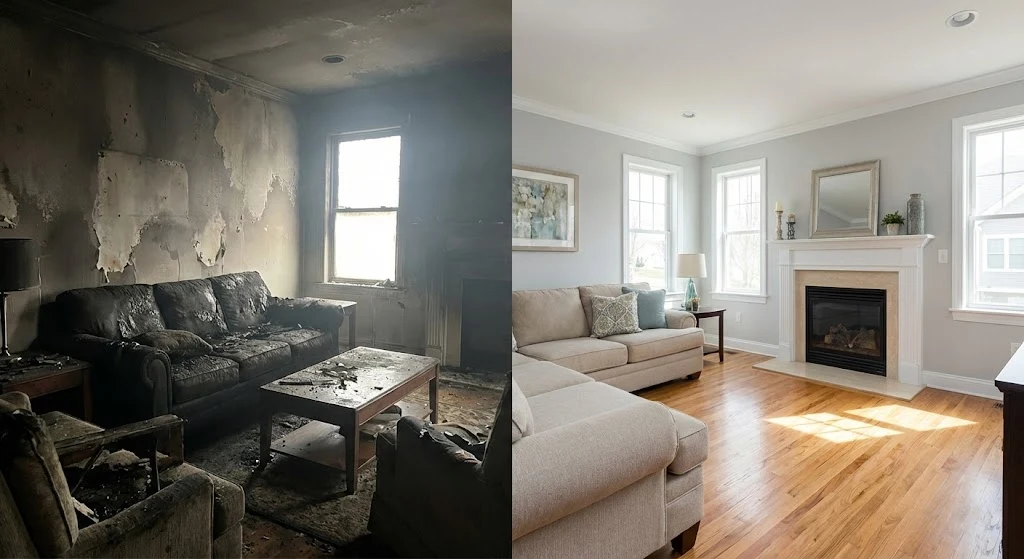
Fire damage restoration is the full process of bringing a property back to the condition it was in before the fire. It sounds simple, but there’s actually a lot going on behind the scenes. A fire doesn’t just burn things — it also pushes smoke and soot into every crack and corner of your home. Then the water used to put the fire out soaks into your floors and walls. And the structural heat can weaken beams and framing you can’t even see.
So when a professional restoration team comes in, they’re not just cleaning up burn marks. They’re also removing toxic smoke residue, drying out water damage, checking whether your walls and roof are still structurally sound, and making sure the air you breathe is safe. According to the National Fire Protection Association, fires cause roughly $23 billion in property damage in the U.S. every year — so this work is serious business.
The First 24 to 48 Hours Matter More Than You Think
Here’s something a lot of homeowners don’t realize: the clock starts ticking the moment the fire goes out. According to FEMA, beginning cleanup and restoration within the first 24 to 48 hours significantly reduces total damage and overall costs. That’s because smoke residue starts permanently staining surfaces quickly, and water from firefighting efforts creates the perfect environment for mold to grow if it sits too long.
So what should you do right away? First, don’t go back inside until the fire department or a licensed authority tells you it’s safe. Even if the structure looks okay from the outside, there could be hidden hazards like weakened flooring, damaged wiring, or toxic soot in the air. Once you get the all-clear, contact your insurance company right away and call a certified fire damage restoration company. The sooner that professional team arrives, the better your outcome is going to be.
Step-by-Step: How the Fire Damage Restoration Process Works
Every restoration job is a little different, but they all follow a similar path. Here’s what you can expect from start to finish.
The process always starts with a thorough damage assessment. Once it’s safe to enter, the restoration team inspects every inch of your property — not just the burned areas. They’re looking at fire damage, smoke penetration, water saturation, and anything that might be structurally compromised. They also identify items that can be saved versus what needs to go. This step forms the foundation of your entire restoration plan.
After that comes securing the property. If your windows, doors, or roof have been damaged, the team boards them up and places tarps to keep the weather out and prevent further damage. This is protective work that happens fast, often on the same day.
Next, water removal and drying take center stage. This surprises a lot of homeowners, but water damage is often one of the biggest challenges after a fire. Industrial pumps, air movers, and dehumidifiers get deployed to pull moisture out of floors, walls, and ceilings. Your HVAC system gets checked too, because smoke and water can travel through ductwork and spread damage to rooms that weren’t even near the fire.
Then comes smoke and soot removal. Soot isn’t just dirty — it’s toxic. It contains carbon, tar, and other chemicals that can seriously harm your lungs if you breathe them in over time. Trained technicians use specialized equipment, including scrubbers and thermal foggers, to clean surfaces and eliminate smoke odors at the source. This isn’t something a regular cleaning crew can handle. The chemicals in smoke residue require professional-grade treatment.
Once everything is cleaned and dried, the structural repair and rebuilding phase begins. This could mean replacing drywall, fixing the roof, installing new flooring, updating electrical systems, or in serious cases, rebuilding entire sections of the home. The goal is always to return the property to its pre-loss condition — or better.
Finally, a thorough walkthrough and final inspection confirms that everything is done right. A reputable company will go room by room with you to make sure nothing was missed before they call the job complete.
The Hidden Damage You Might Not See
One of the trickiest parts of fire damage restoration is that a lot of the worst damage is invisible. Smoke travels through wall cavities, attic spaces, and air ducts, leaving residue in places you’d never think to look. Soot can settle on insulation inside walls. Structural beams can be weakened even when they don’t look burned. Mold can start forming inside walls before you ever see a spot on the surface.
This is exactly why professional assessment matters so much. A trained restoration technician follows industry standards set by the Institute of Inspection, Cleaning and Restoration Certification (IICRC). These standards, known as S740, guide how professionals evaluate and restore fire and smoke damaged properties. When you hire an IICRC-certified company, you know they’re following a proven, thorough process — not cutting corners.
How Long Does Fire Damage Restoration Take?
This is one of the most common questions homeowners ask, and the honest answer is: it depends. Minor fire damage with limited smoke and no structural issues might take just a few days to a week. Moderate damage typically runs two to eight weeks. If the fire caused major structural destruction, you could be looking at two to six months or more.
The key factors that affect the timeline include the size of the fire, how far smoke and water traveled through the home, whether hazardous materials like asbestos were disturbed, and how quickly insurance approvals come through. A good restoration company will give you regular updates so you always know where things stand and can plan your temporary housing accordingly.
How Much Does Fire Damage Restoration Cost?
The cost of fire damage restoration varies widely based on the severity of the damage. For minor repairs — like cleaning up soot in one room — you might spend between $2,000 and $5,000. Moderate damage that requires more extensive cleanup and structural work typically costs $10,000 to $20,000. Severe fires that require major reconstruction can run $50,000 or more, and in the most extreme cases, costs can reach six figures.
The national average for fire damage restoration sits around $12,900, with costs generally ranging from $4 to $7 per square foot. Kitchen fires and grease fires tend to cost more to clean up because they leave behind heavier, stickier residue. Hard-to-reach areas like attics, crawl spaces, and basements also add to the labor cost.
The good news? Most standard homeowners insurance policies cover fire damage restoration, including structural repairs, smoke cleanup, personal property replacement, and even temporary living expenses while your home is being fixed. Always save your receipts for everything during this period — your policy may reimburse you for hotel stays, meals, and other out-of-pocket costs under what’s called Additional Living Expenses (ALE) coverage.
Navigating the Insurance Claims Process
Dealing with insurance on top of everything else can feel like a lot. But getting it right from the start makes a huge difference in how much you recover. The first thing to do is contact your insurance company within 24 to 48 hours of the fire — most policies require prompt notification, and delays can give insurers grounds to push back on your claim.
Before cleanup begins, document everything. Take wide-angle photos of every room and close-up shots of individual damaged items. This visual record is your strongest tool when it comes to getting a fair payout. Also request a copy of the official fire report from your local fire department — your insurer will need it.
A certified restoration company can help significantly here. They use the same software and terminology that insurers use (like Xactimate) to create detailed scopes of work, which makes your claim easier to process and harder to dispute. They can also work directly with your insurance adjuster, which takes a big load off your plate during an already stressful time. If you feel the initial offer is too low, you have the right to bring in a public adjuster to independently assess the damage and advocate on your behalf.
Can You Stay in Your Home During Restoration?
It depends on the extent of the damage. If only a small portion of your home was affected and the rest is structurally sound and free of toxic smoke residue, you may be able to stay in unaffected areas. But if there’s widespread fire damage, significant smoke contamination, or structural concerns, it’s not safe to remain in the home until restoration is complete.
Don’t try to make that call yourself. Let the restoration professionals and your insurance company guide that decision. Your safety always comes first, and your insurance’s loss of use coverage exists precisely for situations like this — to help cover the cost of a hotel or temporary rental while your home gets put back together.
Choosing the Right Fire Damage Restoration Company
Not all restoration companies are the same, and the one you choose makes a real difference in how well your home recovers. Look for a company that specializes specifically in fire damage restoration — not just general contractors who occasionally handle fire jobs. They should be IICRC-certified, licensed, insured, and bonded in your state.
Get at least two or three written estimates before committing. Ask about their timeline, communication process, and whether they work directly with insurance companies. A good restoration company operates 24/7 for emergency response, treats your belongings with care, and keeps you informed every step of the way. References from past clients and strong online reviews are also solid indicators that you’re working with a trustworthy team.
What About Your Personal Belongings?
Many homeowners assume that smoke-damaged furniture, electronics, clothing, and keepsakes are total losses. Surprisingly, that’s often not the case. Professional restoration companies use advanced cleaning methods to salvage items that were exposed to smoke or water but not directly burned. Thermal fogging, ozone treatments, and ultrasonic cleaning can restore things you’d never expect to save.
Items that are charred, melted, or severely burned usually can’t be brought back. But the rule of thumb is: don’t throw anything away until a professional has assessed it. Many restoration companies offer content cleaning and pack-out services, where they carefully remove your belongings, restore them off-site, and return them when your home is ready. This service is often covered by insurance.
Your Path Forward After a Fire
Going through a house fire is hard. There’s no other way to say it. The emotional weight of seeing your home damaged — and the uncertainty of what comes next — can feel crushing. But fire damage restoration gives you a clear path forward, one step at a time.
The moment the fire is out, start the clock. Call your insurance company, reach out to a certified restoration professional, and document everything you can. Trust the process, ask plenty of questions, and don’t be afraid to advocate for yourself throughout the insurance process. Thousands of families go through fire damage restoration every year and come out the other side with homes that are just as safe and comfortable — sometimes even better — than before.
You don’t have to figure this out alone. The right team will walk you through every single step, from that first overwhelming phone call to the day you walk back through your front door. Your home can be restored. And so can your peace of mind.