

Tips for Installing Windows Without a Professional: Installing windows without a professional is possible if you measure carefully, prepare the opening correctly, use shims to level the frame, and seal every edge with flashing tape and caulk. With the right tools and patience, most homeowners can complete a basic window replacement and get professional-quality results.
So you’ve decided to tackle window installation on your own. Good news — it’s absolutely doable. Thousands of homeowners replace their own windows every year and save hundreds of dollars in labor costs. The key is going in prepared, not just with tools, but with a clear understanding of every step before you touch a single screw.
This guide walks you through the most important tips so you get it right the first time.
Know What You’re Getting Into Before You Start
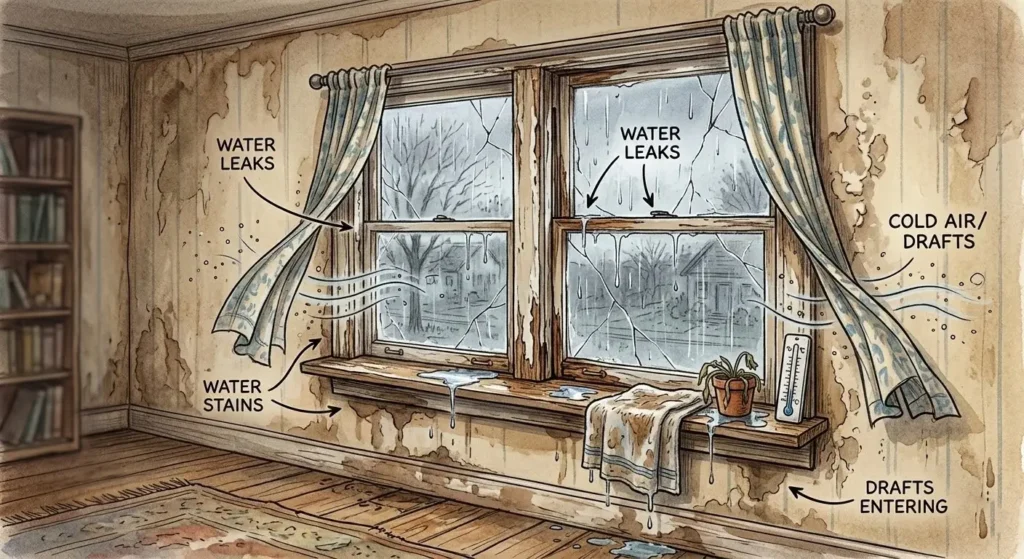
Window installation looks simple from the outside. You pull out the old window, drop in the new one, and seal the edges. That’s the idea, but the reality has more steps and more ways to go wrong.
Poor installation leads to drafts, water damage, mold, and windows that won’t open or close properly. According to research from home improvement experts, one of the most common DIY mistakes is skipping the air sealing step — and that alone can raise your energy bills by a noticeable amount.
Be honest with yourself about your skill level. If you’ve done basic carpentry, hung doors, or worked with framing before, you’re in good shape. If this is your very first home improvement project, start with a single ground-floor window and work your way up. Don’t attempt upper-floor windows without the right safety equipment.
Gather Every Tool Before You Touch the Window
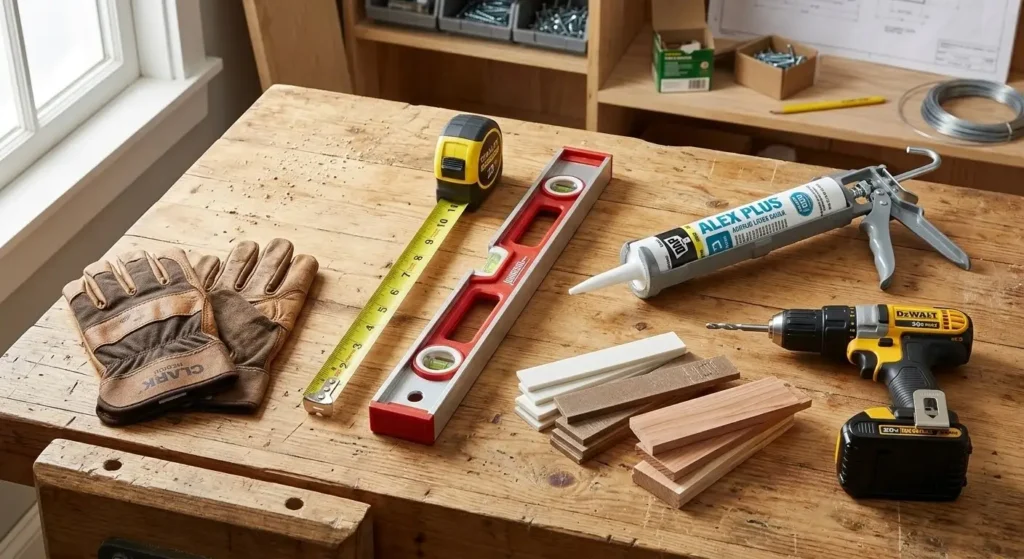
Nothing slows down a window installation like running back to the hardware store mid-job. Get everything ready before you start.
You’ll need a tape measure, a 4-foot level, a framing square, a utility knife, a pry bar, a caulking gun, a cordless drill, roofing nails or exterior-grade screws, composite shims, low-expanding spray foam, flashing tape, and silicone caulk. You’ll also want a protective tarp to cover your floor, safety glasses, and work gloves — broken glass is a real hazard.
Composite shims are worth mentioning specifically. They outperform wood shims because they don’t absorb water, warp, or compress over time. That matters because your shims are what keep the window level and square for years to come.
Measure the Rough Opening Three Times
The most expensive mistake in window installation is ordering the wrong size window. You can’t fix that with shims.
Measure the width of your rough opening at the top, middle, and bottom. Then measure the height on the left side, center, and right side. Always use the smallest measurement from each set. That’s your working dimension. Your window should be about 1/2 inch smaller in both width and height than the rough opening — this gap gives you room to shim and adjust without forcing anything into place.
While you’re measuring, check whether the opening is square. Measure diagonally from the top-left corner to the bottom-right, then repeat from top-right to bottom-left. If those two measurements match, you’re square. If they’re off by more than 1/4 inch, you’ll need to address the framing before the window goes in. Trying to fit a square window into an out-of-square opening will cause problems with operation and sealing that you won’t notice until months later.
Choose the Right Window for the Job
Not all windows are created equal, and the type you pick affects both the installation process and the long-term performance of your home.
Single-hung and double-hung windows are the easiest for DIY installation. Casement windows add complexity because of the crank hardware. Sliding windows are straightforward but less energy-efficient than casements. For most first-time installers, a vinyl double-hung window is the best starting point.
Pay attention to the window’s energy rating too. Look for the ENERGY STAR label and a low U-factor — the lower the number, the better the insulation. A well-chosen window in a well-prepared opening will cut your heating and cooling costs noticeably.
Also check the warranty terms before you buy. Some manufacturers require professional installation to keep the warranty valid. Read the fine print so you don’t end up voiding your coverage before the window even gets installed.
Prep the Opening Before the New Window Goes In
This step is where most DIYers cut corners — and where most problems start.
Remove the old window carefully. Use a utility knife to score through the caulk first, then work a pry bar around the frame. Take your time and avoid damaging the surrounding drywall or siding. Once the old window is out, inspect the rough opening for rot, mold, or damaged wood. Replace anything soft or discolored before you go any further. Putting a new window over rotted framing is a waste of money.
Next, flash the sill. Apply flashing tape across the bottom of the opening first, running it at least 6 inches up each side. This creates a water barrier that directs any moisture outward rather than into your wall cavity. Use a butyl-based flashing tape — it sticks better in cold temperatures and lasts longer than asphalt-based products. Press it firmly with a roller to activate the adhesive and make sure the corners are fully sealed.
Dry-Fit the Window Before You Apply Any Sealant
This tip alone will save you a lot of stress. Before you apply any caulk or foam, set the window in the opening without fasteners and check the fit.
Open and close the sashes to confirm they move freely. Measure the frame diagonally to check for square. Look at the gaps around all four sides — they should be relatively even. If something feels off, now is the time to adjust, not after you’ve glued everything down.
Mark the shim positions on the jamb while the window is dry-fitted. Those marks will guide you when you go back in with caulk and fasteners.
Shim, Level, and Square the Window Carefully
Once you’re satisfied with the dry fit, apply a bead of sealant to the nailing flange and set the window back into the opening. This is where shims become critical.
Place shims under the sill first and use a bubble level to get the bottom perfectly level. Then shim both sides — about 4 to 6 inches from the top and bottom on each jamb. Never force a shim into place. If it won’t slide in easily, the gap needs adjusting. Forcing a shim bows the frame and causes the window to stick.
Once the bottom is level, check the sides for plumb using a 4-foot level. Then measure diagonally again to confirm the window is square. When both diagonal measurements match, drive your fasteners — start at the corners and work your way around. Check the level and square one more time after each fastener. It only takes one tight screw to pull the frame slightly out of alignment.
Trim the shims flush with the framing using a hand saw or utility knife after everything is secured.
Seal Every Gap — Don’t Skip This Step
Sealing is what separates a good installation from one that causes problems down the road. Apply flashing tape over the nailing flanges on the sides, working from bottom to top so each layer overlaps the one below. Then do the top. This overlapping sequence is the same principle as roof shingles — water flows over the seams rather than into them.
On the interior side, fill the gap between the window frame and the rough framing with low-expanding spray foam. Use low-expanding specifically — regular foam expands aggressively and can bow the frame. Fill the gap in layers rather than all at once, and let each layer cure before adding more. Once the foam is fully cured, trim off any excess with a utility knife.
Finish with a bead of exterior-grade silicone caulk around the perimeter where the window meets the siding. Smooth it with a wet finger for a clean, tight seal. For larger gaps, use a backer rod first to reduce the amount of caulk needed and create a longer-lasting seal.
Install Trim and Do a Final Check
Add your drip cap above the top of the window before you install exterior trim. The drip cap directs water away from the opening and is one of the simplest things you can do to prevent long-term water damage.
Install the exterior casing, then paint or stain all trim to match your home. On the interior, add insulation between the window frame and rough framing before you apply interior trim. This is another commonly skipped step that quietly costs you in heating and cooling bills.
Once everything is in place, open and close the window several times. The sashes should move smoothly with no binding. Check all four sides for drafts by holding your hand close to the edges on a windy day. Look for any visible gaps in the caulk or flashing. Address anything you find now, while the installation is fresh and easy to access.
A Few Final Thoughts
Installing windows without a professional takes time and attention to detail, but it’s a skill you can absolutely develop. Your first installation will take longer — plan for a full day per window. By your second or third, the process will feel much more natural.
The tips that matter most: measure accurately, flash the sill properly, use composite shims, and never skip the air sealing step. Get those four things right, and your windows will perform well for years.