

Buying a home is probably the biggest purchase you will ever make, so a few hundred dollars to check its condition is money well spent. Understanding the home inspection cost before you book helps you budget for closing, compare quotes fairly, and decide which add-on tests are actually worth paying for. In 2026, most buyers in the United States pay between $300 and $500 for a standard inspection, with a national average of around $400.
The exact home inspection cost depends mainly on the size, age, and location of the property. A small condo can come in under $300, while a large, older house in a major metro can pass $600 before any extra tests. This guide breaks down prices by home size, explains what is and is not covered, and shows how to hire a good inspector without overpaying.
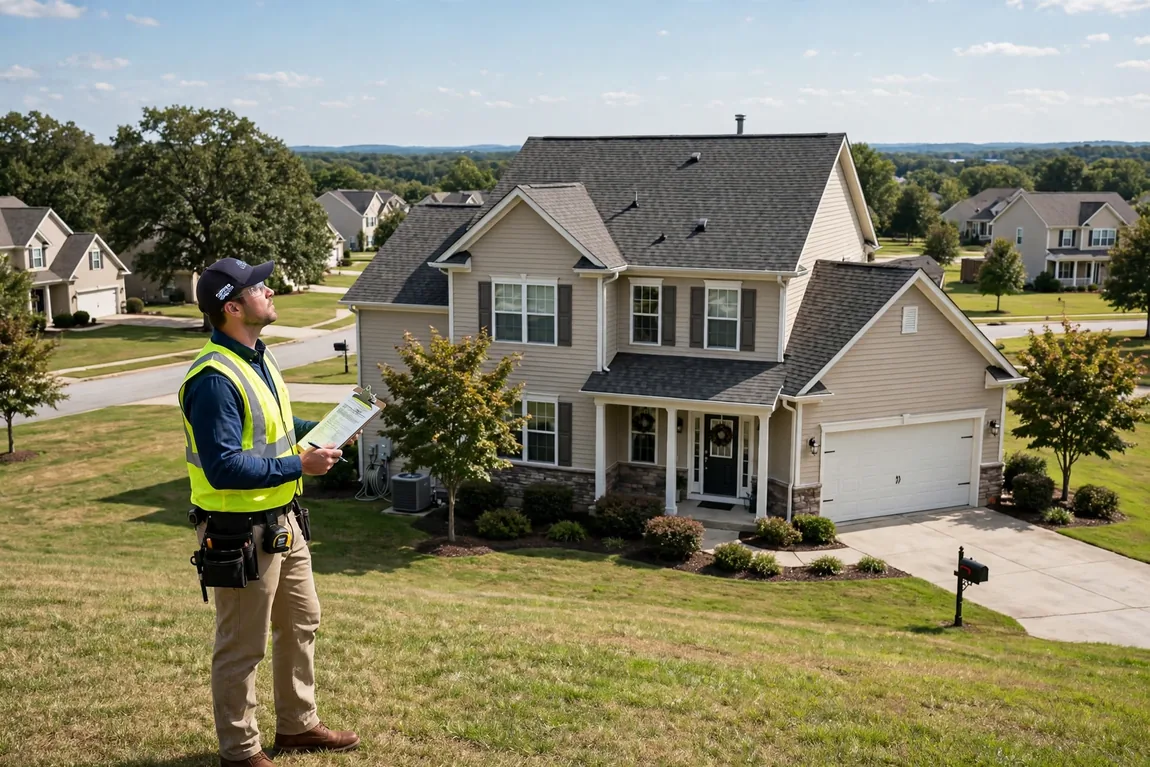
An inspector checks the roof, siding, and exterior first — the home inspection cost covers a visual check of the whole property, inside and out.
Average home inspection cost by home size
Larger homes take longer to inspect, so size is the biggest driver of price. The table below shows typical 2026 ranges from Angi and HomeAdvisor-style cost data. Prices vary by region and home size, so treat these figures as a planning guide, not a fixed quote.
| Property type / size | Typical cost in 2026 | Average |
|---|---|---|
| Condo or townhouse (under 1,000 sq ft) | $200 – $350 | $275 |
| Home around 1,500 sq ft | $300 – $425 | $375 |
| Home around 2,500 sq ft | $400 – $550 | $475 |
| Home 3,500 sq ft or larger | $500 – $700+ | $600 |
| Standard single-family home (national average) | $300 – $500 | $400 |
Age matters as well. Older homes often cost $25 to $100 more because inspectors spend extra time on ageing wiring, plumbing, foundations, and roofs.
Cost of add-on inspections
A standard inspection is visual only, so some problems need a specialist test. Add-ons raise the total home inspection cost, but they can uncover repairs worth thousands. Only order tests that fit the property — a radon test in a high-risk area, or a sewer scope on an older home.
| Add-on inspection | Typical cost in 2026 |
|---|---|
| Radon test | $100 – $250 |
| Sewer scope (camera inspection) | $175 – $350 |
| Mold inspection / testing | $300 – $650 |
| Termite / pest inspection | $50 – $150 |
| Pool and spa inspection | $100 – $250 |
| Septic system inspection | $300 – $600 |
| Chimney inspection | $100 – $250 |
If radon is found at a high level, fixing it is a separate job — see our guide to radon mitigation cost for typical system prices. Homes on a septic system may also need that system checked separately, which our septic tank cost guide explains in more detail.
What a home inspection covers
A standard inspection covers the main structure and systems of the house. You then get a written report, usually within 24 to 48 hours, with photos and recommended repairs. Expect it to cover:
- Roof and exterior: shingles, flashing, gutters, siding, windows, doors, grading, and drainage.
- Structure: foundation, basement or crawl space, walls, floors, and visible framing.
- Attic and insulation: insulation levels, ventilation, and signs of leaks or pests.
- Electrical: service panel, breakers, outlets, switches, and visible wiring.
- Plumbing: water supply, drains, water heater, fixtures, and signs of leaks.
- Heating and cooling: furnace, air conditioning, ductwork, and thermostats.
- Interior and appliances: walls, ceilings, floors, stairs, and built-in kitchen appliances.
- Safety items: smoke and carbon monoxide detectors, handrails, and garage door operation.
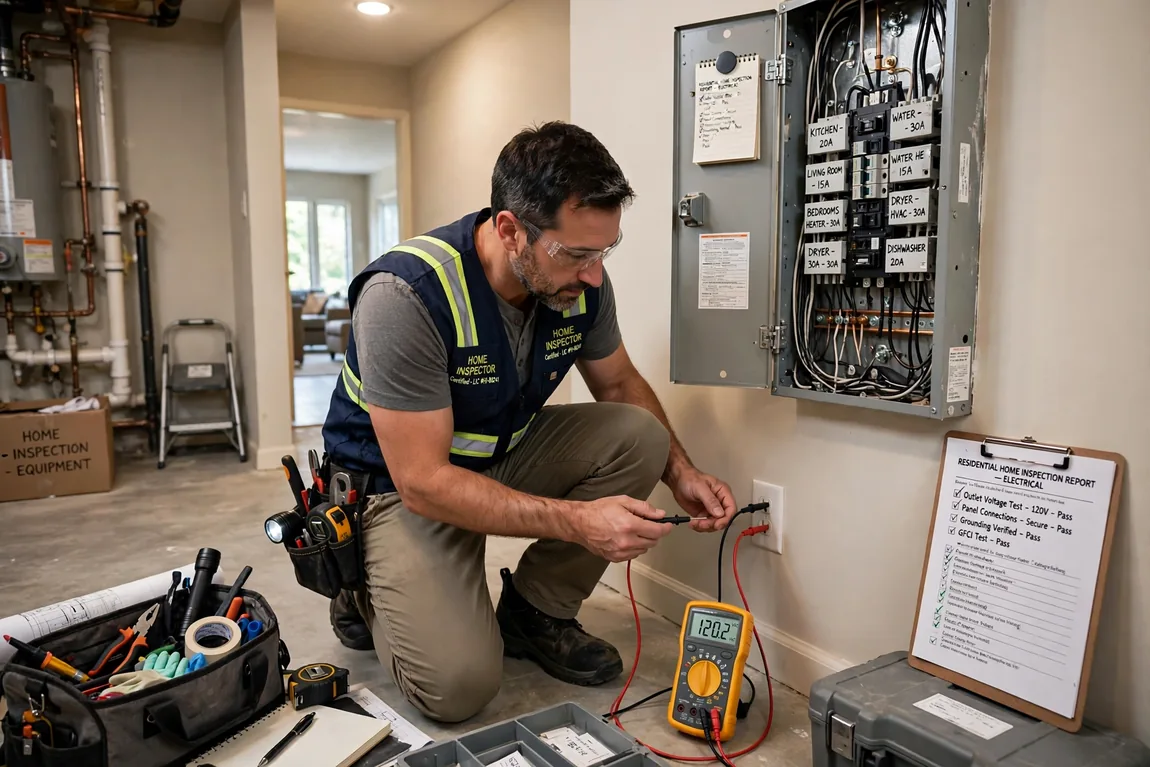
Testing outlets and checking the electrical panel is a standard part of every inspection.
What a home inspection does not cover
An inspection is a visual, non-invasive check — inspectors do not open walls, move heavy furniture, or dismantle equipment. That means a standard inspection usually does not cover:
- Problems hidden inside walls, under floors, or behind stored belongings
- Sewer lines, septic systems, and chimneys, unless you pay for an add-on
- Radon, mold, asbestos, or lead paint testing without a specific test
- Pests inside walls, cosmetic damage, and code compliance guarantees
- Pools, spas, outbuildings, and sprinkler systems, unless agreed in advance
- The remaining lifespan of a roof, furnace, or appliance — inspectors report condition, not guarantees
These limits explain the extra home inspection cost for add-ons: each specialist test takes extra equipment and time, and fills a real gap in the standard report.
Factors that affect the cost
- Home size: more square footage, bedrooms, and bathrooms mean a longer visit and a higher fee.
- Age and condition: older or neglected homes need more time and closer checking.
- Location: inspectors in large cities and coastal metros charge more than those in rural areas.
- Add-on tests: radon, sewer, mold, termite, and pool checks are billed on top of the base fee.
- Inspector experience: certified, highly reviewed inspectors often charge at the top of the local range.
- Re-inspection: a return visit to check completed repairs typically costs $100 to $175.
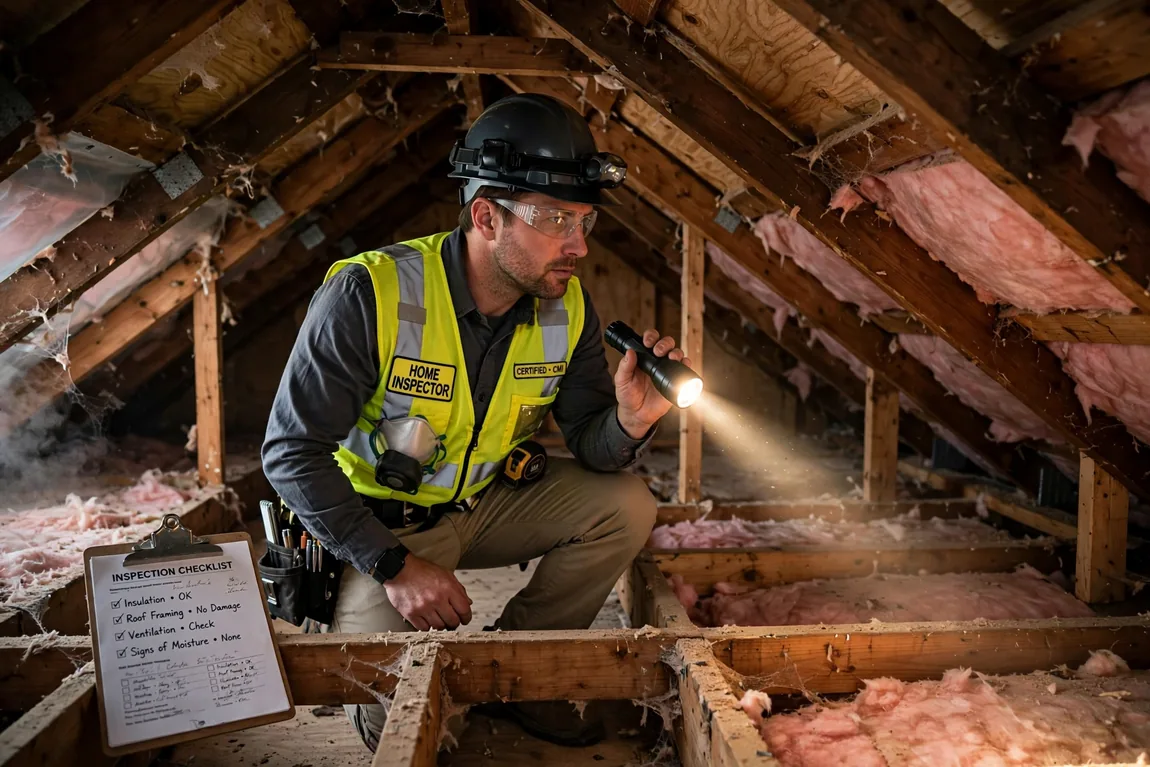
The attic reveals leaks, poor insulation, and ventilation problems that are easy to miss from the living space below.
Who pays for a home inspection?
In most purchases, the buyer pays. The buyer hires the inspector, books during the inspection contingency period, and pays at the visit or at closing. The buyer also chooses any add-ons, so the final home inspection cost is normally part of the buyer’s closing budget — alongside other moving expenses such as those in our guide to the cost to hire movers.
Sellers sometimes pay for a pre-listing inspection, usually at the same $300 to $500 range. It can reveal problems early, support the asking price, and reduce the chance of a deal falling through. However, in many states sellers must disclose problems the report uncovers. A lender or a VA or FHA loan may also require a specific pest or safety inspection, and who pays for that can be negotiated.
How to choose a home inspector
- Check licensing and certification: many states license inspectors; look also for ASHI or InterNACHI certification.
- Ask about experience: choose someone who regularly inspects homes like yours.
- Read a sample report: a good report is detailed, includes photos, and uses plain language.
- Confirm what is included: ask whether the attic, crawl space, and roof are covered, and get add-on prices in writing.
- Compare two or three quotes: the cheapest is not always best value; a rushed inspection can miss costly defects.
- Attend if you can: walking the home with the inspector helps you understand the report.
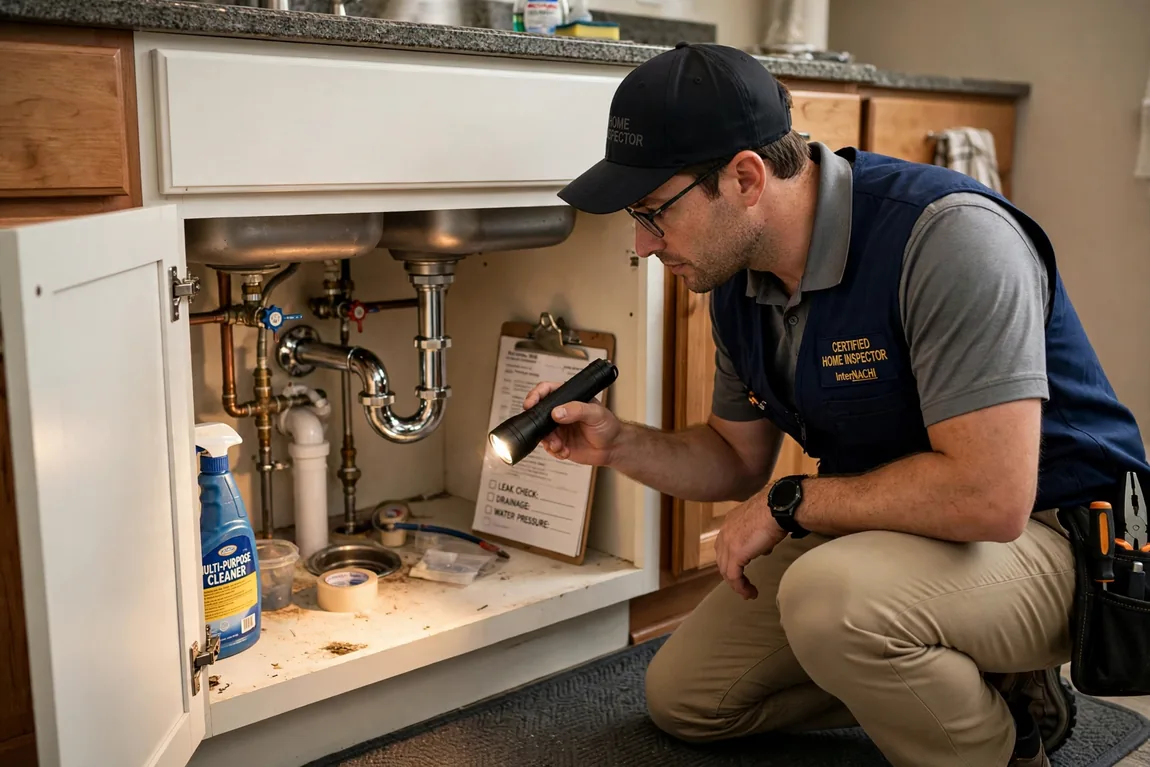
Under-sink plumbing is checked for leaks, corrosion, and slow drains — small signs that can point to bigger problems.
Is a home inspection worth the cost?
For most buyers, yes. A $400 inspection that finds a failing water heater, roof leaks, or unsafe wiring lets you ask for repairs, renegotiate, or walk away under your contingency. Even on a home in good shape, the report works as a maintenance checklist. Skipping the inspection to save the home inspection cost is rarely a good trade — one hidden sewer repair can cost ten times the fee.
Frequently asked questions
How much does a home inspection cost in 2026?
Most buyers pay $300 to $500, with a national average of about $400. Condos can cost as little as $200, while homes over 3,500 square feet commonly cost $500 to $700 or more.
How long does a home inspection take?
Usually two to three hours for an average house. Small condos can take about an hour, and large or older homes can take four hours or more.
Can I negotiate the home inspection cost?
Sometimes. Some inspectors discount bundled add-ons such as radon and termite testing. Always confirm exactly what the quoted price includes.
Do I need add-on inspections?
Only where the risk fits the property. Consider radon testing in high-radon regions, a sewer scope for homes built before 1980, and a termite inspection where lenders require one.
Should sellers get a pre-listing inspection?
It can help. A pre-listing inspection finds problems before buyers do, which can speed up a sale and reduce renegotiation — but remember that known defects usually must be disclosed.
Bottom line: budget $300 to $500 for a standard inspection in 2026, add $100 to $350 for each sensible add-on, and hire on experience and report quality rather than the lowest price alone. That way the home inspection cost stays predictable — and the surprises stay out of your new home.