

If your furnace is aging or your energy bills keep climbing, a heat pump is probably on your shortlist — and the first question most homeowners ask is about heat pump installation cost. In 2026, most homeowners pay somewhere between $4,000 and $25,000 installed, depending on the system type, the size of the home, and how much extra work the job needs. That is a wide range, so this guide breaks down what drives the price, what each type of system typically costs, and how running costs compare over time, so you can get realistic quotes and avoid surprises.
Last updated: October 23, 2026.
What Is the Average heat pump installation cost in 2026?
For a typical single-family home, the average heat pump installation cost in 2026 falls in the middle of the ranges below, not at the extremes. A straightforward replacement that uses existing ductwork usually lands near the lower end. A brand-new system with new ducts, electrical upgrades, or ground loops sits much higher. Labor alone often accounts for a third to half of the total bill, which is why prices vary so much by region and by contractor.
Use the table below for budgeting, not as a quote. A proper load calculation is the only way to get a firm number for your home.
| System Type | Typical Installed Cost Range (2026) | Best For |
|---|---|---|
| Air-source, ducted | $5,000 – $12,000 | Homes with existing ductwork in good condition |
| Ductless mini-split (single zone) | $4,000 – $8,000 | One room, an addition, or a home without ducts |
| Ductless mini-split (multi-zone) | $8,000 – $18,000 | Whole-home heating and cooling without ducts |
| Geothermal (ground-source) | $15,000 – $35,000+ | Long-term owners who want the lowest running costs |
| Cold-climate air-source | $7,000 – $15,000 | Northern homes that need reliable heat in very low temperatures |
Heat Pump Types and What Each One Costs
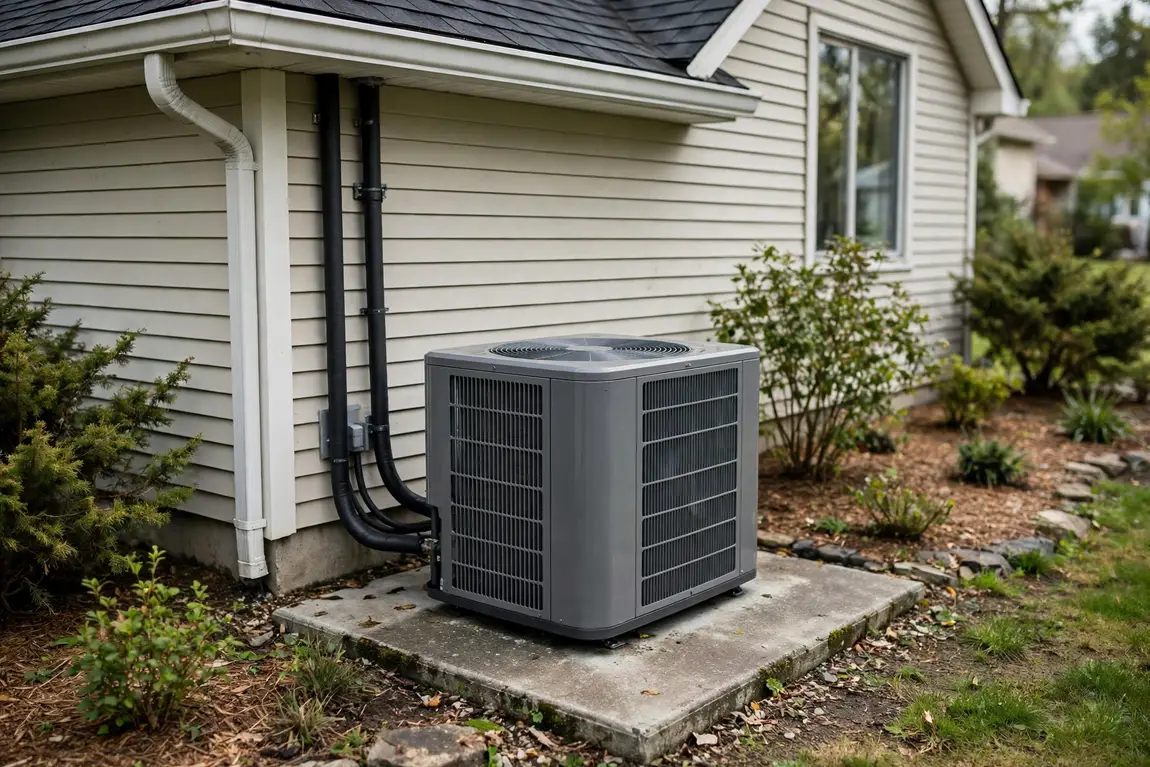
Air-source ducted systems are the most common choice in the United States. An outdoor unit moves heat through existing ducts, providing heating in winter and cooling in summer from one system. If your ducts are in good shape, this is usually the most affordable whole-home option. Our guide to heat pumps explains how the technology works in plain language.
Ductless mini-split systems skip the ducts entirely. One outdoor unit connects to one or more indoor wall-mounted heads, each controlling its own zone. Mini-splits are ideal for older homes without ductwork, additions, and converted garages. Costs rise with each extra head, so a single-zone setup is far cheaper than a whole-home multi-zone system.
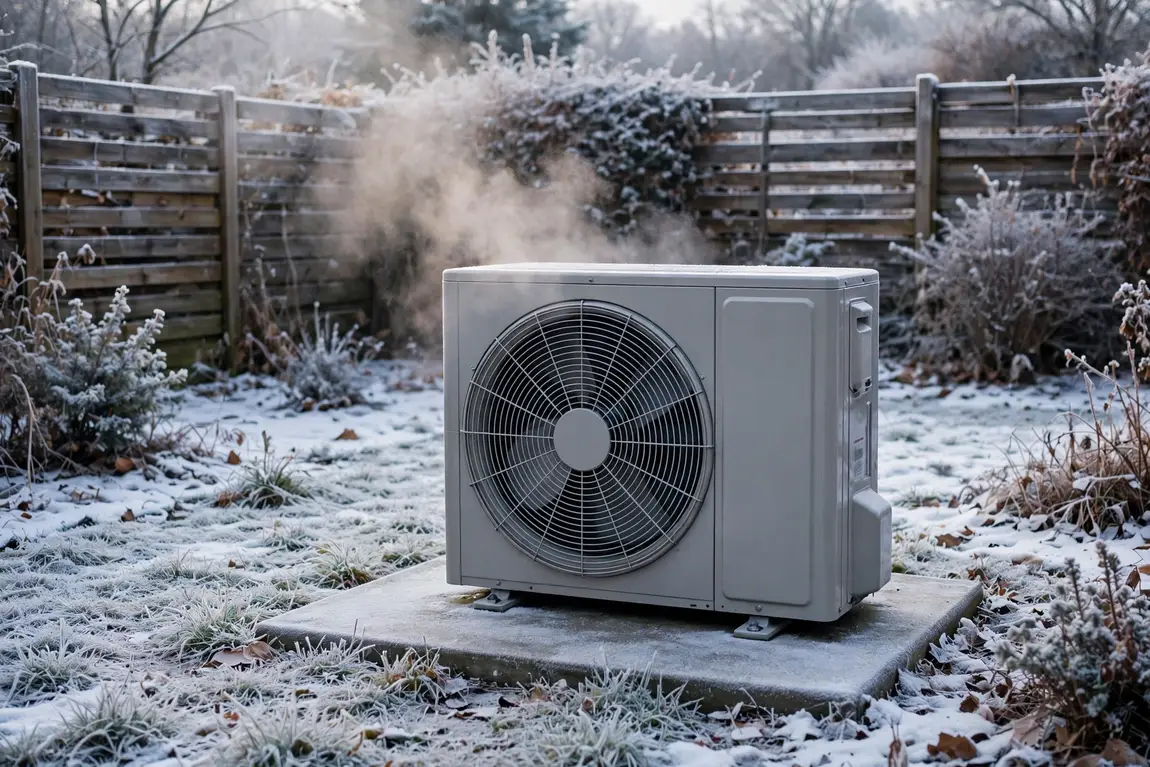
Geothermal systems, also called ground-source heat pumps, bury loops underground and exchange heat with the earth, which stays at a steady temperature all year. They are the most efficient and cheapest to run, but drilling for the ground loop makes them the most expensive to install. Payback usually requires staying in the home for many years.
Cold-climate models deserve a mention too. Standard units lose capacity as temperatures fall, but cold-climate models keep heating efficiently well below freezing. They cost more, yet for northern homes they can remove the need for a backup furnace.
What Affects the Price of a Heat Pump Installation?
Two neighbors can pay very different prices for similar equipment. These are the factors that move a quote up or down the most:
- Home size and system capacity: Larger homes need larger, more expensive units, measured in tons or BTUs.
- Efficiency rating: Higher SEER2 and HSPF2 ratings cost more upfront but use less electricity.
- Ductwork condition: Sealing or repairing ducts adds a moderate cost; installing entirely new ducts adds a lot.
- Electrical work: Older homes may need a panel upgrade or new circuits before a heat pump can be installed safely.
- Climate and backup heat: Colder regions may need a larger cold-climate unit or auxiliary heating strips.
- Permits and labor rates: Local permit fees and contractor rates vary widely by city and state.
- Brand and warranty: Premium brands and longer parts and labor warranties raise the initial price.
Rebates, Tax Credits and Other Ways to Save
Few homeowners pay the full sticker price. Federal tax credits for qualifying high-efficiency heat pumps have been available in recent years, and many states and utilities offer rebates on top. Combined incentives can cut the final cost by a meaningful percentage, especially for geothermal systems.
Rules and amounts change often, so check the current federal credit rules, your state energy office, and your electric utility before you sign. Ask each contractor to list every incentive separately on the quote, and keep receipts for your tax records.
Running Costs: Heat Pump vs Furnace
Installation is only half the story. A heat pump moves heat instead of creating it by burning fuel, so in mild and moderate weather it can deliver the same warmth using far less energy than a gas or oil furnace. That usually means lower monthly bills for much of the year, plus one system to maintain instead of a separate furnace and air conditioner.
The comparison is not one-sided. In very cold weather a standard heat pump may rely on backup heat, narrowing the saving. Local electricity and gas prices matter enormously. If your furnace still has life left, compare keeping it — including occasional furnace repair bills — against the cost of switching now.
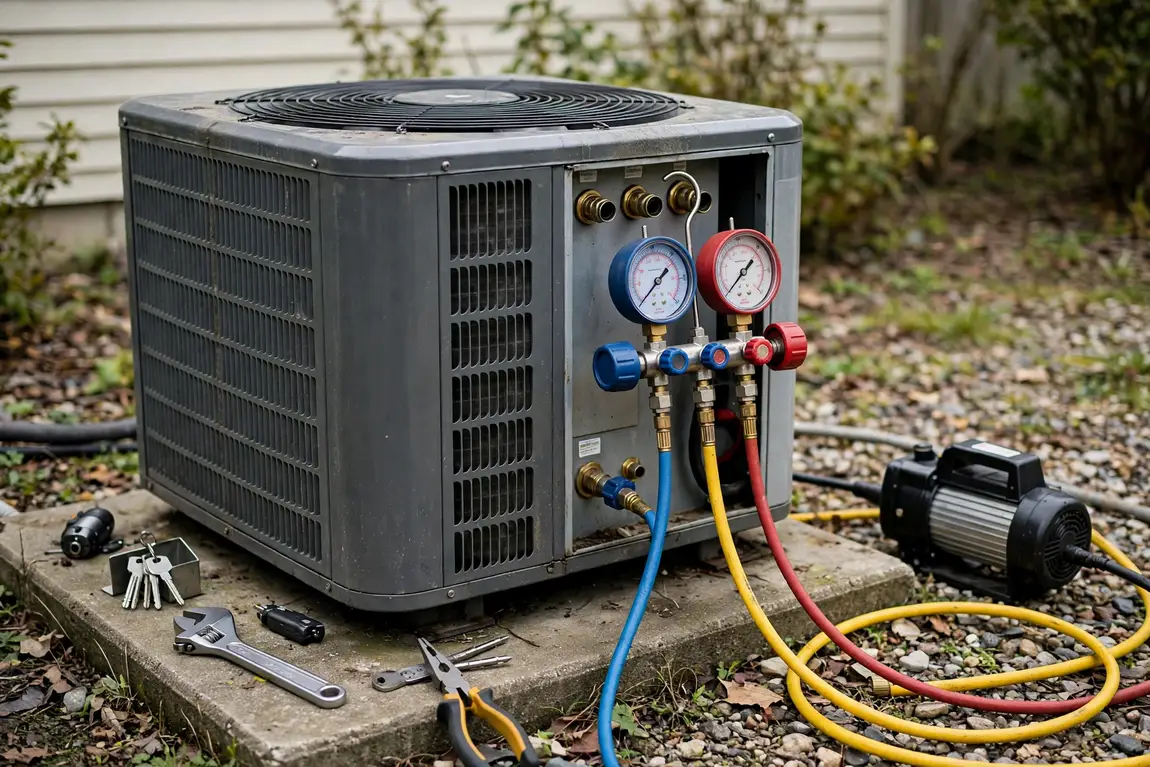
Maintenance costs are similar for both systems: a yearly tune-up, regular filter changes, and keeping the outdoor unit clear. A well-maintained heat pump typically lasts around 15 years, while a furnace can last a few years longer.
How to Get an Accurate Quote
Get at least three written quotes, each based on an in-home visit and a load calculation, not a phone guess. Each quote should name the exact model, efficiency ratings, included duct and electrical work, warranty terms, and assumed rebates. Poor sizing or sloppy installation will cost you for years.
Frequently Asked Questions
How long does a heat pump installation take?
A straightforward ducted replacement usually takes one to two days. A multi-zone ductless system may take two to four days, and a geothermal installation can take longer because of the drilling or excavation needed for the ground loop.
Can a heat pump replace my furnace completely?
In many climates, yes — especially with a modern cold-climate model sized correctly for the home. In the coldest regions, some homeowners keep a furnace as backup in a dual-fuel setup, which uses whichever heat source is cheaper or more effective at a given temperature.
Is a heat pump worth it for an older house?
Often, yes, but insulation comes first. An older house that leaks air will make any heating system work harder. Sealing drafts and adding attic insulation before installation can let you buy a smaller, cheaper unit and enjoy lower bills afterward.
How long will a heat pump last?
Most air-source and ductless heat pumps last about 15 years with regular maintenance. Geothermal indoor equipment often lasts longer, and the buried ground loop can last for decades, which is part of why the higher upfront cost can still pay off.
Conclusion
The heat pump installation cost you pay in 2026 will depend mainly on the system type you choose, the condition of your ducts and electrical panel, and the incentives available where you live. Budget using the ranges in this guide, get three load-based quotes, and weigh the upfront price against 15 years of running and maintenance costs. Done that way, a heat pump is not just a replacement appliance — it is one of the most practical upgrades an older house can get.