

Your home’s sewer line is one of the most important parts of your plumbing system. It carries wastewater from sinks, toilets, tubs, and appliances to the city sewer system or septic tank. When this line gets damaged, it can create serious problems inside and outside your home.
A broken sewer line can cause slow drains, bad smells, wet spots in the yard, and even water damage inside your house. If these problems are ignored, repairs can become very expensive.
This guide explains everything homeowners need to know about sewer line repair and replacement in simple English. You’ll learn the warning signs, common causes, repair methods, costs, and ways to prevent future damage.
What Is a Sewer Line?
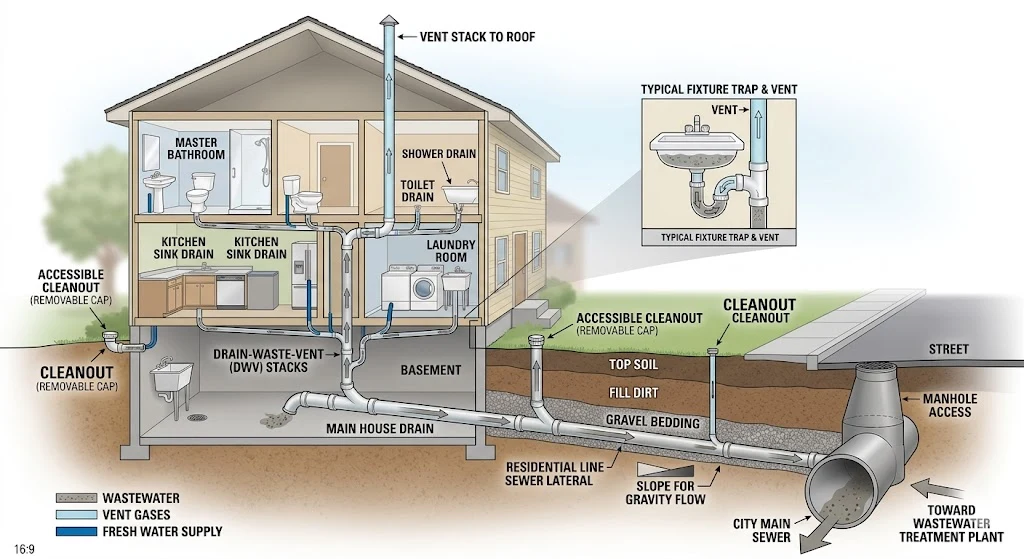
A sewer line is a large underground pipe that moves wastewater away from your home. Every drain in your house connects to this main line.
When the sewer line works properly, wastewater flows smoothly away from your property. But if the line cracks, clogs, or collapses, sewage can back up into your home or yard.
Signs Your Sewer Line May Be Damaged
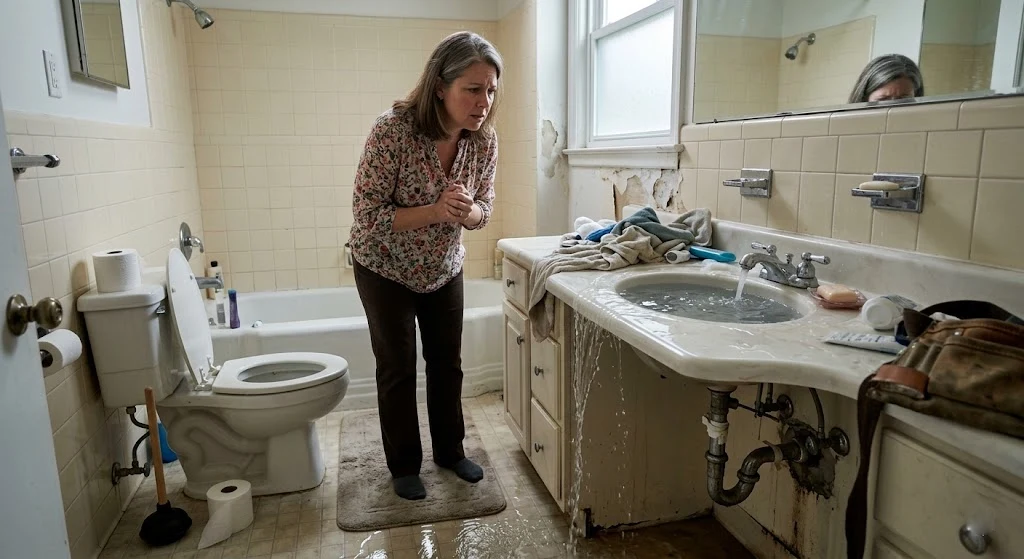
Knowing the warning signs early can help you avoid major repairs later.
1. Slow Drains Around the House
If several sinks, tubs, or toilets drain slowly at the same time, the main sewer line may be blocked.
One slow drain may only be a small clog, but multiple slow drains usually point to a larger problem.
2. Bad Smells
A damaged sewer pipe can release sewage gas into your home or yard.
If you notice a strong rotten smell near drains, in the basement, or outside, your sewer line may have a leak.
3. Gurgling Sounds
Strange bubbling or gurgling noises coming from toilets or drains often mean trapped air inside the sewer line.
This usually happens when wastewater cannot move properly through the pipe.
4. Wet Spots in the Yard
Sewer leaks underground can create soft, muddy, or extra green patches in your yard.
If you notice standing water with a bad smell, call a plumber quickly.
5. Mold or Water Damage
A cracked sewer line under the house can leak moisture into walls and floors. Over time, this can lead to mold growth and costly water damage.
Quick Sewer Line Warning Sign Table
| Warning Sign | What It May Mean |
|---|---|
| Slow drains | Main sewer blockage |
| Bad odors | Sewer gas leak |
| Gurgling toilets | Air trapped in pipe |
| Wet yard spots | Underground leak |
| Mold growth | Hidden sewer leak |
Common Causes of Sewer Line Damage
Sewer lines can fail for many reasons. Some problems happen naturally over time, while others are caused by poor maintenance.
Tree Roots
Tree roots are one of the biggest causes of sewer line damage.
Roots naturally grow toward water sources. Even a tiny crack in a sewer pipe can attract roots. Once inside, they continue growing and block the pipe.
Older clay pipes are especially vulnerable to root damage.
Grease and Food Waste
Pouring grease, cooking oil, or food scraps down the drain can create thick clogs.
Over time, grease hardens inside pipes and reduces water flow.
Instead of pouring grease into the sink, let it cool and throw it in the trash.
Flushing the Wrong Items
Toilets are only meant for human waste and toilet paper.
These items should never be flushed:
- Baby wipes
- Paper towels
- Cotton swabs
- Feminine products
- Dental floss
- “Flushable” wipes
Many of these items do not break apart and can clog the sewer line.
Old Pipes
Older sewer pipes made from clay, cast iron, or Orangeburg material can weaken over time.
As pipes age, they may crack, corrode, or collapse.
Freezing Temperatures
In colder areas, water inside pipes can freeze and expand. This pressure may crack or burst the sewer line.
How Plumbers Inspect Sewer Lines
Before starting repairs, plumbers usually inspect the sewer line using a small waterproof camera.
The camera travels through the pipe and helps locate:
- Cracks
- Clogs
- Tree roots
- Corrosion
- Collapsed sections
This inspection saves time and helps plumbers choose the best repair method.
Sewer Line Repair vs. Replacement
Sometimes a sewer line only needs a simple repair. In other cases, the entire pipe must be replaced.
When Repair Is Enough
Repairs may work if:
- Damage is small
- Pipe structure is still strong
- There are only minor cracks or clogs
- The problem affects one section
When Replacement Is Better
Replacement may be needed if:
- Pipes are badly damaged
- Multiple cracks exist
- Pipes have collapsed
- Old pipes keep causing problems
Sewer Repair and Replacement Comparison
| Option | Best For | Cost | Time |
|---|---|---|---|
| Repair | Small damage | Lower | Faster |
| Replacement | Severe damage | Higher | Longer |
Traditional Sewer Line Repair
Traditional repair involves digging a trench to reach the damaged pipe.
This method is common when pipes are badly broken or crushed.
How It Works
Step 1: Inspection and Marking
The plumbing company checks the area and marks underground utility lines.
Step 2: Digging
Workers use heavy equipment to dig a trench above the sewer pipe.
Step 3: Removing Damaged Pipe
The broken section of pipe is removed carefully.
Step 4: Installing New Pipe
New pipe sections are placed and connected securely.
Step 5: Backfilling
The trench is filled, compacted, and repaired.
Pros and Cons of Traditional Repair
| Pros | Cons |
|---|---|
| Strong long-term solution | Can damage landscaping |
| Works for severe damage | More expensive |
| Allows full pipe access | Takes longer |
Trenchless Sewer Line Repair
Trenchless repair fixes sewer lines with little or no digging.
This method is faster and causes less damage to your yard.
Types of Trenchless Repair
1. Pipe Lining
Pipe lining creates a new pipe inside the old one.
A flexible liner coated with special resin is inserted into the damaged pipe. Once hardened, it forms a smooth new inner wall.
Benefits of Pipe Lining
- Minimal digging
- Faster repairs
- Long-lasting results
- Less yard damage
2. Pipe Bursting
Pipe bursting replaces the old pipe completely.
A special tool breaks apart the old pipe while pulling a new pipe into place.
This method works well for badly damaged pipes.
Trenchless vs Traditional Repair
| Feature | Traditional Repair | Trenchless Repair |
|---|---|---|
| Digging Required | Yes | Very little |
| Repair Time | Several days | Often 1 day |
| Yard Damage | High | Low |
| Cost | Higher labor costs | Sometimes lower |
| Best For | Severe damage | Minor to moderate damage |
How Long Does Sewer Repair Take?
The repair timeline depends on the damage and repair method.
| Repair Type | Estimated Time |
|---|---|
| Small repair | 1 day |
| Pipe lining | 1–2 days |
| Pipe bursting | 1–2 days |
| Full replacement | 3–5 days |
Bad weather or difficult digging conditions can increase repair time.
Sewer Line Repair Costs
Sewer line repairs can be expensive, but fixing problems early may save money.
The average sewer line replacement cost in the United States is around $5,000, though prices vary by location and pipe length.
Average Sewer Repair Costs
| Repair Type | Average Cost |
|---|---|
| Basic clog removal | $150–$500 |
| Small repair | $1,000–$3,000 |
| Pipe lining | $3,000–$8,000 |
| Full replacement | $5,000–$15,000+ |
Factors That Affect Cost
Several things can change the final price.
Pipe Length
Longer sewer lines cost more to repair or replace.
Pipe Material
Some materials are harder to repair than others.
Depth of the Pipe
Deep pipes require more digging and labor.
Landscaping Damage
Repairs under driveways, sidewalks, or gardens may increase costs.
Can Homeowners Insurance Cover Sewer Repairs?
Sometimes insurance helps pay for sewer damage, but not always.
Coverage may depend on what caused the problem.
Insurance may help if damage came from:
- Storms
- Accidents
- Falling objects
Insurance often does NOT cover:
- Old pipes
- Wear and tear
- Tree root damage
- Poor maintenance
Always check your policy carefully.
DIY vs Professional Sewer Repair
Many homeowners wonder if they can fix sewer problems themselves.
Small drain clogs may be DIY-friendly, but sewer line repairs should almost always be handled by professionals.
Why Professional Repairs Are Safer
Proper Equipment
Licensed plumbers use cameras, hydro-jetting tools, and trenchless machines that homeowners usually do not have.
Accurate Diagnosis
Professionals can locate the exact problem quickly.
Long-Term Results
Poor DIY repairs can create bigger and more expensive problems later.
Benefits and Drawbacks of Hiring a Professional
| Benefits | Drawbacks |
|---|---|
| Expert knowledge | Higher upfront cost |
| Faster repairs | Scheduling delays |
| Better equipment | |
| Warranties available |
Tips to Prevent Sewer Line Problems
Good maintenance can help your sewer line last longer.
Avoid Flushing Problem Items
Only flush toilet paper and waste.
Keep Grease Out of Drains
Never pour oil or grease into sinks.
Schedule Inspections
Older homes should have sewer camera inspections every few years.
Watch Tree Placement
Avoid planting large trees near sewer lines.
Fix Small Problems Early
Minor clogs and leaks can become major repairs if ignored.
Simple Sewer Maintenance Checklist
| Task | Recommended Frequency |
|---|---|
| Drain cleaning | Once a year |
| Camera inspection | Every 2–3 years |
| Tree root check | Yearly |
| Leak inspection | Every few months |
When Should You Call a Plumber?
Call a professional immediately if you notice:
- Sewage backing up
- Multiple clogged drains
- Bad sewage odors
- Wet spots in the yard
- Gurgling toilets
- Mold near plumbing areas
Fast action can prevent severe damage to your home.
Final Thoughts
Sewer line problems can be stressful, messy, and expensive. However, catching issues early can help reduce repair costs and protect your home from major damage.
Learning the warning signs, understanding repair options, and scheduling regular inspections can keep your plumbing system working properly for many years.
If you suspect a sewer line issue, contact a licensed plumber as soon as possible. A professional inspection can identify the problem and help you choose the best repair solution before the damage becomes worse.