

Clear ticks fast by mowing your lawn short, removing leaf litter, and creating a dry barrier between your yard and any woods or tall grass. Treat hot spots with a tick spray or tick tubes, then keep wildlife like deer and rodents away. Combine these steps for the quickest results.
Why Ticks Keep Showing Up in Your Yard
Ticks don’t jump, fly, or chase you down. They climb to the tip of a blade of grass or a low branch and wait. This is called questing, and it’s how they grab onto deer, mice, pets, and people who brush past.
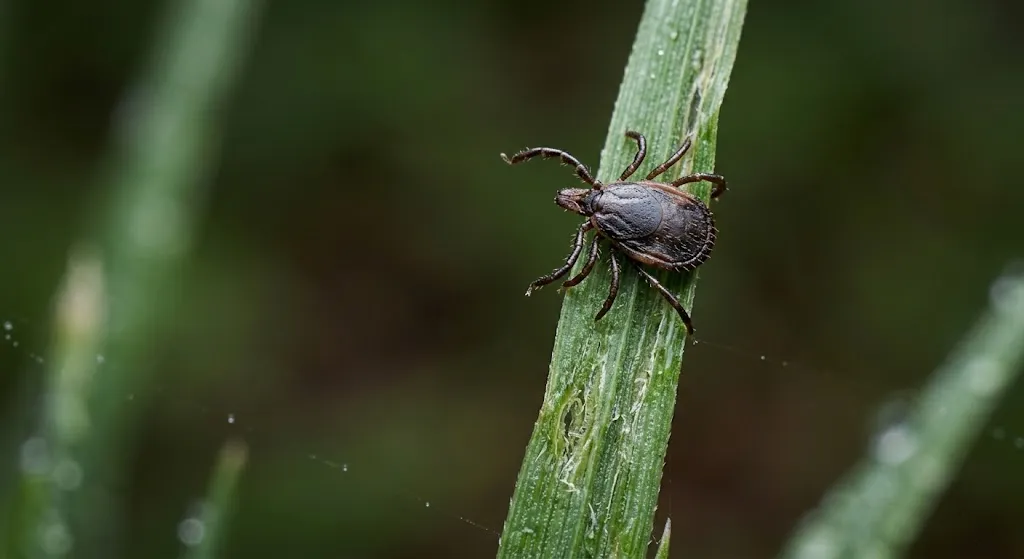
That waiting game only works in certain spots. Ticks need shade and moisture to survive, so they cluster in tall grass, leaf piles, woodpiles, and the edge where your lawn meets the woods. If your yard has these conditions, you’ve built them a comfortable home without meaning to.
The good news is that ticks are picky about where they hide. Once you know their favorite spots, you can target those areas directly instead of guessing.
Check Your Yard Before You Treat It
It helps to know how bad the problem actually is before you start spraying or buying products. A simple drag cloth test works well for this. Tie a light-colored towel or piece of flannel to a stick, then drag it slowly across your grass, especially near the woodland edge and any shaded beds.
Ticks will grab onto the fabric as you pull it along, and a light-colored cloth makes them easy to spot. Check the cloth every few feet, since ticks are small and easy to miss if you wait too long between checks.
This same test is worth repeating after you’ve treated your yard. It gives you a clear before-and-after picture instead of just hoping your efforts worked.
Start With Your Lawn
Short grass dries out fast in the sun, and ticks can’t survive long in dry conditions. Mow your lawn regularly and keep the blades at a moderate height instead of letting them grow tall and shaded.
Leaf litter is just as important to clear. Rake up fallen leaves, especially along fences, under trees, and near your home’s foundation. Old grass clippings, sticks, and garden debris give ticks the same damp cover, so clean those out too.
Move your woodpile away from the house and stack it off the ground if you can. Damp wood piles attract both ticks and the small rodents that carry them, so getting this one task done solves two problems at once.
Trim back low branches and overgrown shrubs too, especially anything that hangs over a path or play area. These shaded pockets stay cool and damp even on a hot day, which makes them prime real estate for a tick waiting to grab a ride. Open up the canopy a little, and sunlight will do a lot of the work for you.
Cut Off the Path From the Woods
Most ticks enter a yard from a wooded edge or a patch of tall, unmanaged grass next door. Research shows that the highest concentration of tick nymphs sits within the first few feet of that woodland border, so this narrow strip deserves your attention.
A barrier of wood chips or gravel along this edge works well for ticks that crawl across open ground, like the lone star tick. Blacklegged ticks behave differently, though. They rely on climbing into vegetation rather than crossing bare ground, so a wood chip strip alone won’t stop every species.
Pair the barrier with a mowed buffer zone instead of relying on it by itself. A few feet of short, sunny grass between your lawn and the wild edge gives ticks a much harder path to cross, no matter which species you’re dealing with.
Try Natural Tick Control First
If you’d rather skip harsh chemicals, several natural options can knock back tick numbers without putting your family at risk. Diatomaceous earth is a fine powder made from fossilized algae, and it works by drying out a tick’s outer shell on contact. It’s safe around kids and pets, but it needs to stay dry to keep working, so reapply after rain.
Cedar oil and neem oil sprays are another option many homeowners reach for first. These oils disrupt a tick’s senses and can repel them from treated areas, though you’ll need to reapply every few weeks for the effect to last.
Beneficial nematodes are a less common but interesting choice. These microscopic worms live in soil and attack tick larvae before they ever get the chance to grow into biting adults. They work best in moist soil, so water your yard after applying them.
None of these natural options will wipe out a heavy tick population overnight, and that’s worth knowing going in. They work gradually and need consistent reapplication through the season, so think of them as one layer of a bigger plan rather than a single fix.
Bring In Sprays When You Need Stronger Results
When natural methods aren’t cutting it, a targeted insecticide spray gets the job done faster. Products containing permethrin or bifenthrin are the most common choices, and pest control researchers point to perimeter spraying as one of the single most effective ways to cut down on blacklegged ticks.
The key word here is perimeter. You don’t need to spray your entire lawn, especially the open, sunny areas where ticks rarely survive anyway. Focus your spray along the woodland edge, under shrubs, and in shaded garden beds where ticks actually gather.
Always read the product label before you spray, and follow the timing and amount it lists exactly. These chemicals can be harmful in large doses, so if you’re not comfortable handling them yourself, a licensed pest control company can apply them safely on your behalf.
Use Tick Tubes for Long-Term Control
Tick tubes are a clever, low-effort tool that targets the problem at its source. Each tube contains cotton treated with a small amount of permethrin. Mice collect the cotton to line their nests, and the permethrin kills any ticks attached to them without harming the mice.
Since mice are one of the main carriers that bring ticks onto your property in the first place, this method interrupts the cycle before ticks even reach your lawn. Place the tubes near woodpiles, stone walls, and brush piles where mice tend to nest, and refresh them twice a year for the best results.
Keep Wildlife From Bringing Ticks Back
Even a perfectly treated yard can get reinfested if deer and rodents keep wandering through. Removing food sources like unsecured bird feeders and fallen fruit makes your yard less appealing to both.
A fence around your property, even a low one, can discourage deer from cutting through your yard on their daily routes. Combine this with the mowed buffer zone mentioned earlier, and you’ll cut off two of the biggest highways ticks use to reach your lawn.
It’s worth checking your yard for small gaps too, since mice and chipmunks don’t need much room to get in. Seal up gaps around sheds, decks, and crawl spaces where rodents might nest close to the house, and you’ll cut down on one more entry point for ticks hitching a ride.
Protect Yourself and Your Pets While You Treat
While you’re working on long-term yard control, don’t skip personal protection in the meantime. Apply an EPA-registered repellent with DEET or picaridin before you head outside, and treat your clothing with permethrin for extra defense that lasts through several washes.
Check yourself, your kids, and your pets for ticks after any time spent outside, paying close attention to the scalp, behind the ears, and around the waistline. If you find one attached, remove it with fine-tipped tweezers by pulling straight up at a steady, even pace. Skip home remedies like nail polish or petroleum jelly, since these can cause the tick to release more saliva and raise your risk of infection.
Ask your vet about a tick preventive for your dog or cat as well. Pets can carry ticks into your house even after your yard treatment is working, so this step closes one more gap.
Putting It All Together
No single method clears a yard of ticks on its own. Mowing alone won’t stop a tick that’s climbing through your garden bed, and a single spray won’t matter if mice keep dragging new ticks onto your property every week.
Layer these steps instead. Clean up the yard, build a buffer at the woodland edge, treat the hot spots with a spray or tick tubes, and keep wildlife from wandering back in. Stick with it through the season, and you’ll notice a real, lasting drop in the ticks bothering your family and pets.