

To install a reserve water tank, choose a flat, stable spot near your water source, build a level base, position the tank, then connect the inlet, outlet, and overflow pipes. Add a pump if you need more pressure, fill the tank slowly, and check every connection for leaks before full use.
What Is a Reserve Water Tank?
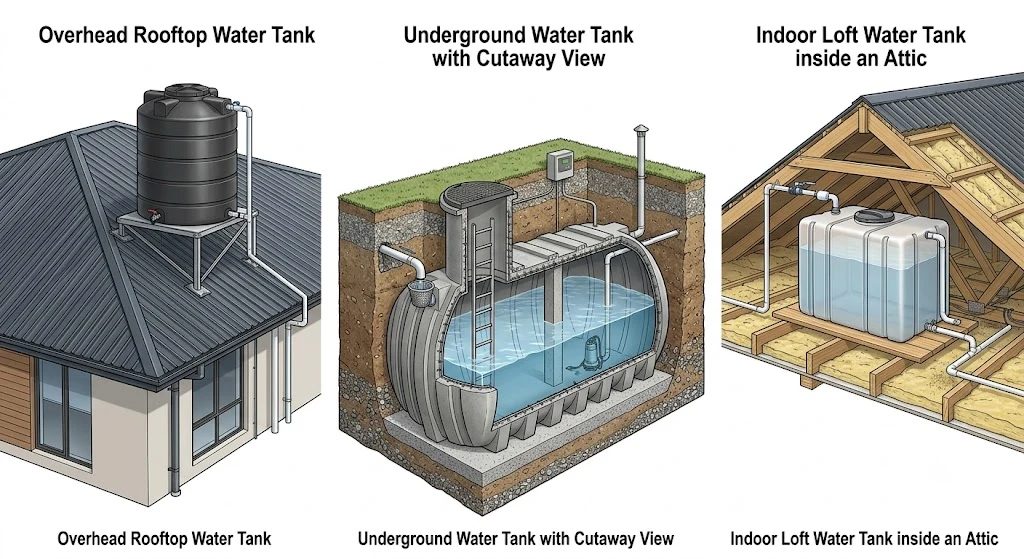
A reserve water tank stores extra water for your home so you never run short. It sits between your main water source and your taps, holding water that kicks in when demand spikes or when your regular supply gets interrupted. Some homes use them for drinking water, others for irrigation, and many use them as backup during dry spells or power cuts.
You’ll find these tanks in different shapes and sizes. Overhead tanks sit on a roof or raised platform and use gravity to push water through your pipes. Underground tanks stay hidden below the yard and need a pump to move water up. Loft tanks sit indoors, usually in an attic space, and work well when outdoor space is limited.
Why You Need One
Water shortages happen more often than most people expect. A dry season, a burst municipal pipe, or a scheduled maintenance shutdown can leave your home without running water for hours or even days. A reserve tank gives you a cushion so daily life doesn’t grind to a halt.
There’s also a practical money angle. If you collect rainwater in your tank, you cut down on what you pay your utility company each month. Farmers and gardeners rely on stored water for irrigation during the driest stretches of the year, and pet owners with livestock count on a steady supply too.
A reserve tank also protects your plumbing. Well pumps that cycle on and off too often wear out faster. A storage tank smooths out that demand, which means your pump lasts longer and your water pressure stays steady.
Choosing the Right Tank Size and Type
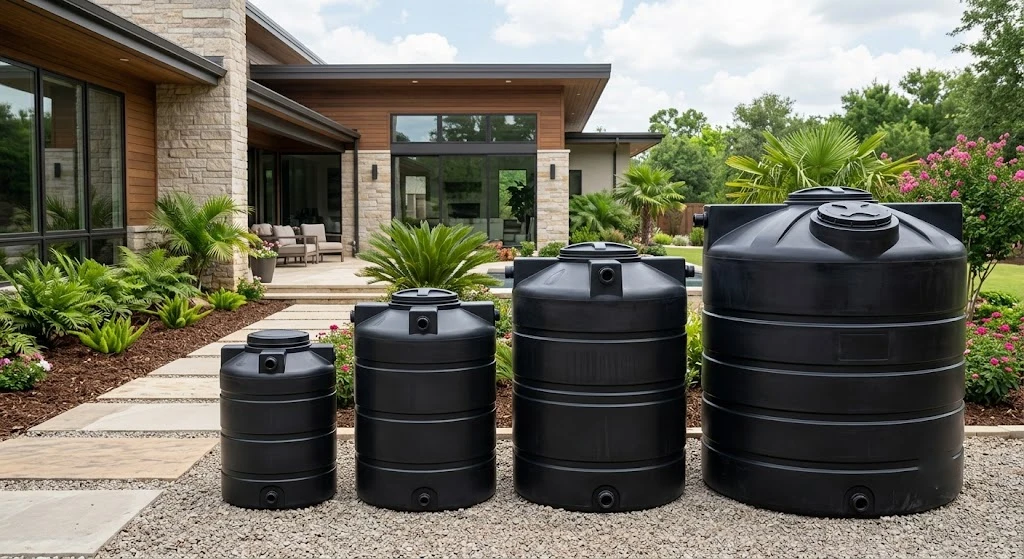
Before you buy anything, figure out how much water your household actually uses. A good rule of thumb is to size your tank so it covers your full daily water use for at least 24 hours, with an extra 10 to 20 percent built in for safety. Families with big tubs, multiple bathrooms, or heavy laundry habits will need more capacity than a smaller household.
Material matters too. Plastic polyethylene tanks are the most common choice for homes because they resist rust, weigh less than metal, and hold up well outdoors. Fiberglass tanks offer similar durability. Concrete tanks are strong but heavy and harder to install, so they’re usually reserved for larger commercial jobs. Steel tanks work well for bigger properties but cost more and need protection from corrosion over time.
Check your local building codes before you commit to a size. Some areas set minimum tank capacities, and skipping this step could mean redoing your work later.
Picking the Best Location
Location makes or breaks your installation. Look for a flat, stable spot close to your water source, whether that’s a rainwater downpipe, a well, or your main supply line. The site should also stay clear of overhanging trees, since falling branches or heavy leaf litter can damage the tank or clog your inlet.
Leave enough room around the tank for future maintenance. Most professionals recommend at least 18 inches of clearance on every side so you can inspect fittings, clean the tank, or make repairs without a struggle. If you’re installing an underground tank, call your local utility service first to mark buried lines before you dig.
For indoor or loft installations, check that the floor or platform can handle the tank’s full weight once it’s filled. Water weighs about one kilogram per liter, so even a modest 1,000-liter tank adds a full ton of weight once it’s topped up.
Preparing the Base and Foundation
A solid base keeps your tank from shifting, cracking, or leaning over time. Start by clearing the site of rocks, roots, and any debris that could poke through and damage the tank floor. Tamp the soil down firmly so it won’t settle unevenly later.
For most above-ground tanks, a three-inch layer of compacted crusher dust or road base works well. Pack it down tightly and check that it’s level in every direction using a spirit level. The base should extend at least 24 inches wider than the tank’s diameter on all sides for extra stability.
If you want a more permanent setup, pour a reinforced concrete slab instead. Let it cure fully before placing any weight on it. Skipping this curing time is one of the most common reasons tanks develop cracks or settle unevenly within the first year.
Tools and Materials You’ll Need
Gather your supplies before you start so you’re not stopping mid-project to run to the hardware store. You’ll typically need the tank itself, PVC or flexible piping for the inlet and outlet, a ball valve, an overflow fitting with a mesh screen, Teflon tape for threaded joints, a pipe cutter, and a wrench. If you’re adding a pump, pick up a pressure switch and gauge as well, along with proper electrical connectors.
Buy a first flush diverter too if you’re collecting rainwater. This simple device sends the first, dirtiest bit of runoff away from your tank so you’re not storing debris and bird droppings along with your water.
Step-by-Step Installation Process
Once your base is ready, position the tank carefully on top of it. Smaller tanks can usually be moved by hand, but larger ones may need two or three people, or even a small crane, to avoid dropping or denting the tank wall.
With the tank in place, mark where your inlet and outlet fittings will go, following the manufacturer’s instructions closely. Cut through the tank wall only where marked, and install the fittings with proper seals to prevent leaks. Tighten every threaded connection with Teflon tape wrapped around the threads first.
Next, connect the inlet pipe to your water source. If you’re collecting rainwater, this line runs from your gutter or downspout through the first flush diverter and into the tank. If you’re connecting to a well or main supply, run the pipe directly from that source to the inlet fitting.
Connecting Inlet, Outlet, and Overflow Pipes
Your outlet pipe should sit slightly raised from the very bottom of the tank, somewhere between 50 and 100 millimeters up. This small gap keeps you from drawing up sediment that settles at the bottom over time. Fit a ball valve or tap here so you can control water flow easily.
The overflow pipe is not optional. Every tank needs one to handle excess water safely during heavy rain or when the tank reaches capacity. Run this pipe away from the tank’s foundation and into a stormwater drain or a garden area where runoff won’t cause erosion. Cover the end with a mosquito-proof screen to keep pests out.
Don’t forget the vent. A dedicated vent opening lets air move in and out of the tank as water levels rise and fall, which keeps pressure balanced and prevents your tank walls from bowing.
Adding a Pump for Better Pressure
If gravity alone won’t give you enough pressure at your taps, a pump solves that problem. Choose a pump sized to match your household’s demand rather than just grabbing the biggest one available, since an oversized pump wastes energy and can stress your pipes.
Have a licensed electrician handle any wiring for the pump. Water and electricity together carry real risk, and a professional connection keeps your pump running safely on a properly protected power source. Pair the pump with a pressure switch and gauge so you can monitor performance and catch problems early.
Testing Your New Tank
Before you trust your new tank for daily use, fill it partway and let it sit for 24 hours. Walk around and check every seam, fitting, and connection point for drips or damp spots. Look at the base too, since any sign of shifting or stress at this stage is easier to fix now than after a full fill.
Once you’ve confirmed everything is leak-free, fill the tank completely. Turn on your pump if you installed one, and test that water flows steadily through your taps without hissing, sputtering, or air pockets. If you notice inconsistent flow, there’s likely still trapped air in the system, so keep a faucet open until the water runs smooth.
Maintenance Tips to Keep It Running Well
A little upkeep goes a long way toward extending your tank’s life. Check your roof gutters and inlet screens every season, especially before rainy periods, to keep debris from building up. Drain and clean the tank’s interior every two to three years to clear out any sediment that has settled at the bottom.
Keep an eye on your overflow pipe too, since a blocked overflow can send water pooling around your tank’s base and weaken the foundation over time. If your tank sits in direct sunlight, consider adding a cover or using an opaque tank body, since sunlight encourages algae growth inside.
Common Mistakes to Avoid
Rushing the base preparation causes more tank failures than almost anything else. A tank that isn’t sitting on a level, well-compacted surface will eventually crack or lean, no matter how well you handled the plumbing. Take the extra hour to get this part right.
Skipping the overflow pipe is another frequent error, and it’s an easy one to avoid. Without it, a full tank during a heavy storm can flood your yard or damage the foundation underneath. Also, don’t guess on tank size. Underestimating your household’s needs means you’ll be topping off constantly, while going too big means paying for capacity you’ll never use.
Ready to Get Started
Installing a reserve water tank takes some planning, but the steps themselves are straightforward once you break them down. Pick the right size, prepare a solid base, connect your pipes carefully, and test everything before relying on it. If any part of the plumbing or electrical work feels beyond your comfort level, bring in a licensed professional to finish the job safely and correctly.