

Effective scorpion control combines three steps: seal cracks and gaps around your home, remove outdoor hiding spots like wood piles and rocks, and apply insecticide or dust to entry points and baseboards. Nighttime inspections with a UV flashlight help you find scorpions before they find you.
Nobody wants to flip on a light and see a scorpion scurrying across the floor. These creatures are tough, sneaky, and built to survive almost anywhere. But here’s the good news: you can control them. You just need to understand how they think and where they hide.
This guide walks you through everything that actually works, from sealing your home to using traps and insecticides the right way.
Why Scorpions Show Up in the First Place
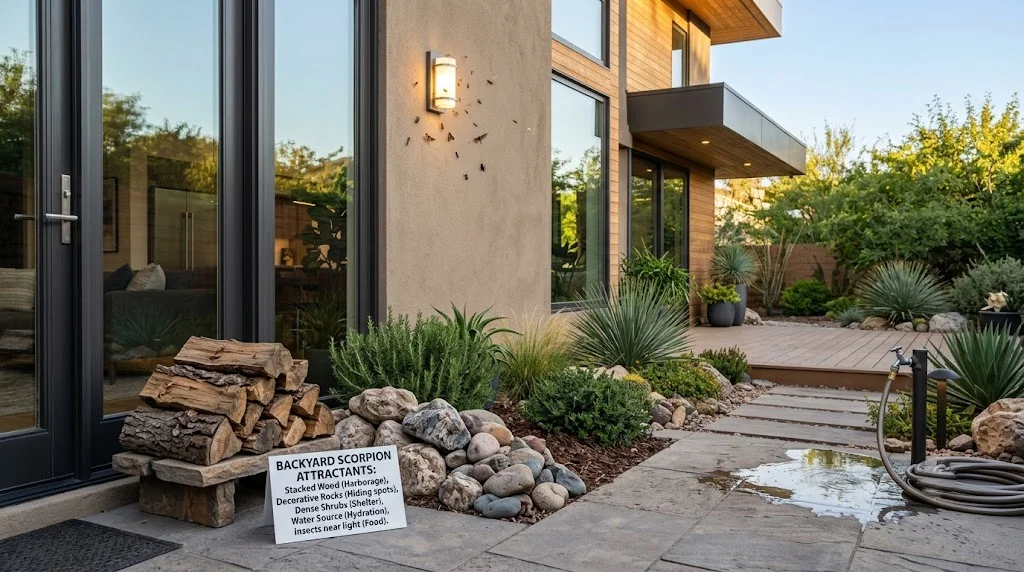
Scorpions aren’t picky. They come inside looking for three things: food, water, and shelter. They come out at night to hunt, and they’re drawn indoors when the outdoors gets too hot or dry, which happens a lot during summer.
Your home offers exactly what they need. Cracks in the foundation. Damp corners. And most importantly, bugs to eat. Scorpions are genuinely hard to kill unless you make direct contact with them, so a smarter approach is treating your property for the smaller insects they hunt, like crickets and spiders. Cut off their food supply, and you cut off their reason to stick around.
Scorpions can handle brutal conditions. They can go months without food or water, which is part of what makes them so hard to eliminate completely. That resilience means one treatment usually isn’t enough. You need a plan that keeps working over time.
Spotting the Signs of an Infestation
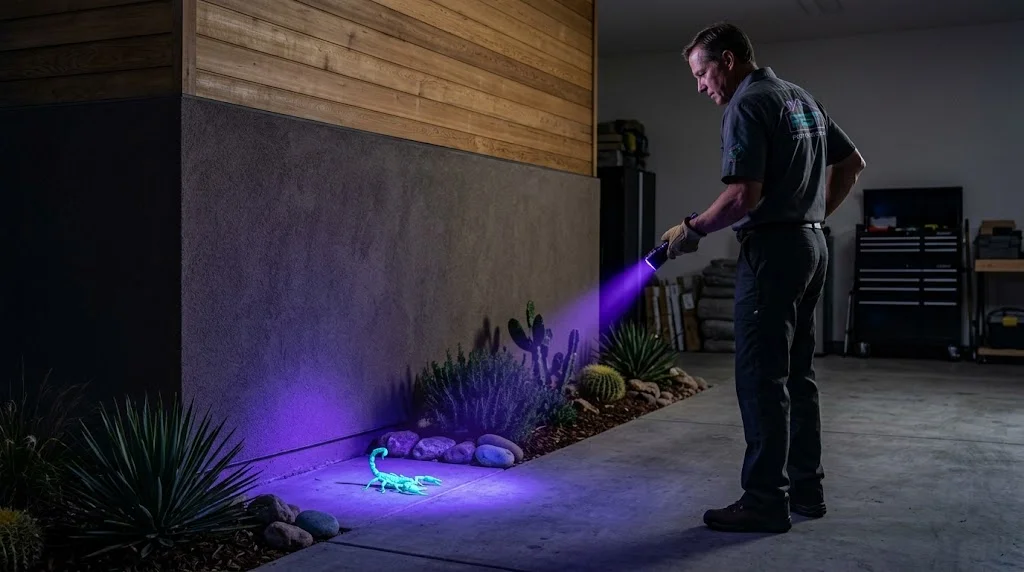
Scorpions are masters at staying hidden during the day. Most people never see one directly. Instead, you’ll notice clues.
Seeing a scorpion at night, especially more than once, often means you’re dealing with an infestation rather than a random visitor. A jump in other bugs like crickets, roaches, or spiders can also signal that scorpions have a reason to move in. Small dark droppings near corners or water sources are another red flag.
If you want to confirm your suspicion, grab a UV flashlight. Scorpions glow under blacklight, which makes them far easier to spot after dark than with a regular flashlight. Walk the perimeter of your home and check garages, closets, and baseboards. This one trick alone can save you weeks of guessing.
Sealing Every Gap Scorpions Could Use
Sealing your home is the single most important step in scorpion control. Without it, every other method just treats the symptom.
Simple tools like a tube of silicone caulk can block the gaps around outlets, vents, mortar joints, and eaves that scorpions squeeze through, and this low-cost fix has helped many homeowners see far fewer sightings. Check your window and door screens too, since torn mesh is basically an open invitation.
Here’s a detail a lot of people miss. Not every gap should be sealed the same way. Blocking stucco weep holes or drip tracks might stop pests short term, but it can trap moisture inside your walls, leading to mold and rot down the road. If you’re not sure which gaps are safe to seal completely, it’s worth asking a professional before you start caulking everything in sight.
Don’t forget the garage door. Make sure it closes tightly and fits properly against the ground, since gaps at the bottom are a common entry point people overlook.
Clearing Out Hiding Spots in Your Yard
Your yard is often where the real problem starts. Scorpions love clutter, and your landscaping might be giving them exactly what they want.
Get rid of anything that offers shelter, including stacked stones, wood piles, overgrown bushes, and general debris scattered around the yard. Trim trees and shrubs so branches don’t touch the exterior walls of your house. Scorpions and other pests use overhanging limbs as a bridge straight to your roofline.
Even a tidy yard needs regular upkeep. Leaf litter builds up fast, and it creates cool, damp pockets that scorpions find irresistible. Rake it up regularly, especially close to your foundation.
Using Insecticides and Dust the Right Way
Once you’ve sealed and cleared your property, insecticides give you an extra layer of protection. But how you apply them matters just as much as which product you choose.
Skip the blanket spray approach. Focus your treatment on cracks, crevices, and voids where scorpions are actually likely to hide. A liquid insecticide sprayed directly on a scorpion will kill it, though it may take a little time to work.
For hard-to-reach spots, dust works better than liquid. Insecticidal dusts are ideal for attics, cracks, crevices, and electrical outlets, and they last much longer than sprays, making them a solid part of any long-term treatment plan.
Timing matters too. Hot, sunny spots need more frequent reapplication than shaded, cooler areas, since heat above 90 degrees breaks products down faster. Always read the label before you spray anything, and keep kids and pets away from treated areas until everything dries completely.
If chemicals aren’t your thing, there are safer alternatives worth trying first. Scorpions tend to avoid strong scents like lavender, cedarwood, cinnamon, peppermint, and citrus. Mixing these oils with water and spraying them around entry points and baseboards can help deter scorpions without harsh chemicals. Just know that scent-based repellents fade fast and need reapplying every few days to stay effective.
Traps and Nighttime Checks
Glue traps aren’t just for catching scorpions. They’re also a great way to track whether your control efforts are working.
As you continue treatment, you should notice fewer insects and scorpions showing up on your traps over time. Place them along walls in garages, closets, and basements, since scorpions have poor eyesight and tend to travel along walls rather than through open floor space.
Nighttime inspections pair well with trapping. Many homeowners have cut down on infestations simply by checking their property regularly after dark, capturing any scorpions they find with long-handled tongs or a vacuum. It’s not glamorous work, but it’s effective, and it gives you a real sense of whether your treatment plan is making progress.
What Doesn’t Actually Work
Before you spend money on the wrong solution, it helps to know what to skip. Ultrasonic devices that claim to repel scorpions through sound waves generally don’t hold up to the claims made about them. Save your money for methods with proven results instead.
Relying on pets is another gamble. Cats and chickens do hunt scorpions naturally, and some homeowners swear by them. But scorpions can sting animals too, sending your pet to the vet instead of solving your problem. Treat pet hunting as a bonus, not your main strategy.
When It’s Time to Call a Professional
DIY methods handle a lot of situations, but not every infestation. If you’re still seeing scorpions after weeks of sealing, treating, and trapping, it’s time to bring in help.
Scorpion eggs can hatch weeks after an initial treatment, so professionals typically schedule follow-up visits to make sure the problem is fully resolved rather than just temporarily reduced. They also carry access to stronger, longer-lasting products than what’s available at most hardware stores.
A licensed pest control team can apply barrier treatments, use specialized insecticides, and give you advice tailored to the specific species active in your area. That local knowledge matters, since treatment that works well in one region might miss the mark somewhere else.
Species identification matters more than most people realize. Some scorpions deliver a sting similar to a bee, while others are genuinely dangerous. If you spot the same species repeatedly and aren’t sure what you’re dealing with, a professional inspection removes the guesswork.
Building a Long-Term Prevention Plan
Getting rid of scorpions once is one thing. Keeping them out for good takes ongoing effort.
Lasting scorpion control comes down to combining several approaches together, including chemical treatment, changes to their habitat, sealing entry points, and regular monitoring. No single method solves the problem on its own. Think of it less like a one-time fix and more like routine home maintenance, similar to checking your smoke detectors or cleaning your gutters.
Set a seasonal reminder to walk your property with a UV flashlight, especially heading into summer when scorpion activity picks up. Check your seals, refresh your dust treatments if needed, and keep clutter under control both inside and out.
Consistency beats intensity here. A homeowner who does a little upkeep every few months will usually have better results than someone who treats aggressively once and then forgets about it for a year.
Final Thoughts
Scorpions are stubborn, but they’re not unbeatable. Seal your home, clear your yard, treat smart, and check regularly. Do those four things consistently, and you’ll turn your house into a place scorpions want nothing to do with.
If your efforts stall out or you’re dealing with a species you can’t identify, don’t hesitate to call in a professional. Sometimes the fastest way to peace of mind is letting someone with the right tools handle it for you.