

When summer arrives, keeping your home cool can become a real challenge. High temperatures often make people rely on air conditioners all day, which can lead to expensive electricity bills. The good news is that you don’t always need to spend a lot of money to stay comfortable.
Many simple changes can make a big difference. From blocking sunlight to using fans the right way, these easy tips can help lower indoor temperatures while reducing your energy costs.
In this guide, you’ll discover 10 practical and budget-friendly ways to cool your home. These tips are easy to follow, work for most homes, and can help you enjoy a cooler living space all summer long.
Why Keeping Your Home Cool Matters
A cool home is about more than just comfort. It can also improve your health, protect your belongings, and lower your monthly utility bills.
When indoor temperatures become too high, it can be difficult to sleep, work, or relax. Hot weather may also increase the risk of heat exhaustion, especially for children and older adults.
Keeping your home cooler offers several benefits:
- Improves indoor comfort
- Reduces electricity costs
- Helps your air conditioner last longer
- Protects furniture from heat damage
- Creates a healthier living environment
Even small improvements can make your home feel several degrees cooler.
How Heat Gets Into Your Home
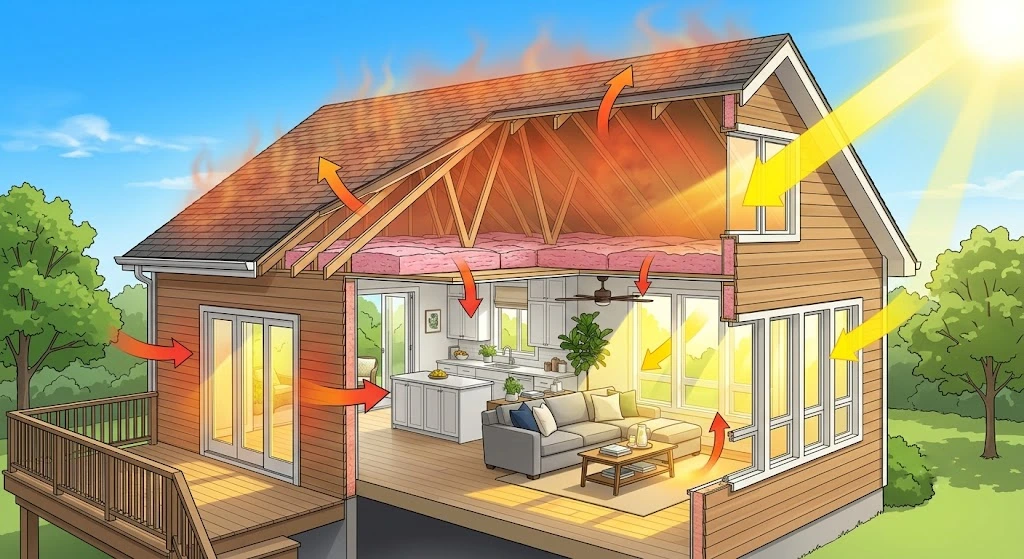
Before learning how to cool your house, it helps to understand where the heat comes from.
Most homes become hot because heat enters through windows, walls, roofs, and doors. Sunlight is usually the biggest source of indoor heat. Dark roofs and poor insulation can also trap warmth inside your home.
Other common heat sources include:
- Ovens and stoves
- Incandescent light bulbs
- Computers and televisions
- Clothes dryers
- Poor attic ventilation
When you reduce these heat sources, your home naturally stays cooler.
Common Sources of Heat
| Heat Source | How It Makes Your Home Hot |
|---|---|
| Direct sunlight | Heats rooms through windows |
| Roof | Absorbs sunlight during the day |
| Kitchen appliances | Produce heat while cooking |
| Electronics | Give off heat when running |
| Air leaks | Allow hot outdoor air inside |
1. Use Your Air Conditioner Wisely
Your air conditioner is one of the fastest ways to cool your home, but using it incorrectly can waste energy and increase your electricity bill.
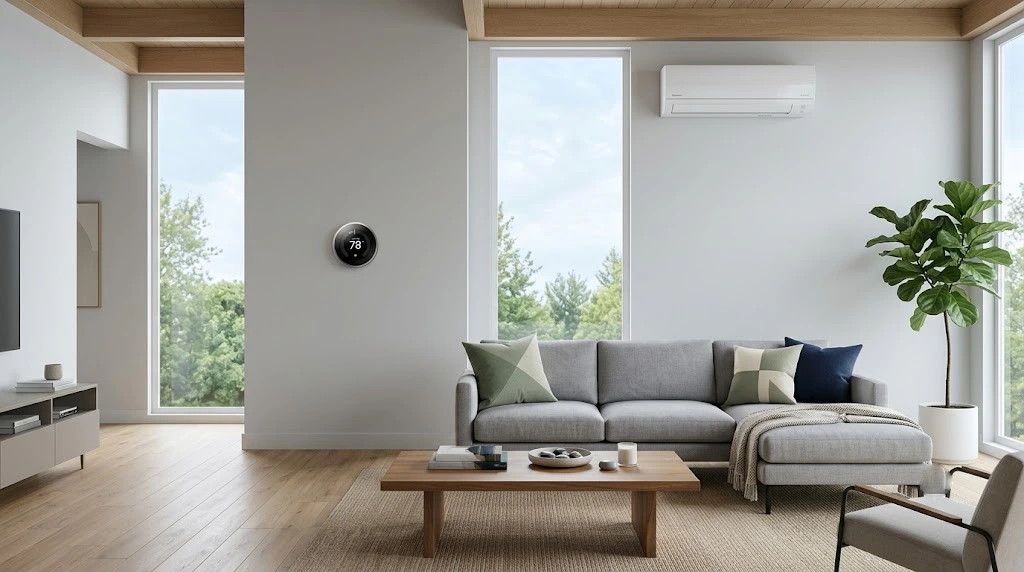
Instead of setting your thermostat very low, choose a comfortable temperature. Around 78°F (26°C) is a good setting when you’re at home. Raise the temperature a few degrees when everyone is away.
If possible, install a programmable or smart thermostat. It can automatically adjust the temperature based on your schedule, helping you save money without sacrificing comfort.
Keep Your AC in Good Shape
Regular maintenance helps your air conditioner work better.
Simple maintenance includes:
- Cleaning or replacing air filters every month
- Keeping outdoor units free of leaves and dirt
- Scheduling professional servicing once a year
- Making sure air vents stay open and unblocked
A clean system cools your home faster while using less electricity.
Expert Tip
Don’t place furniture in front of air vents. Blocking airflow forces your air conditioner to work harder and reduces cooling efficiency.
2. Make the Most of Ceiling and Portable Fans
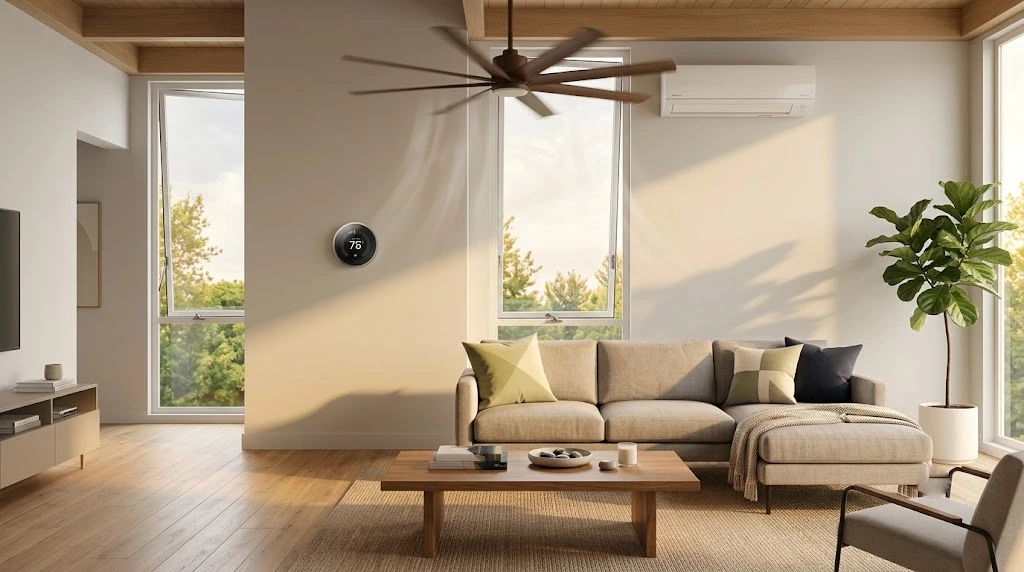
Fans don’t actually lower the room’s temperature, but they make you feel cooler by moving air across your skin.
Ceiling fans can make a room feel 4 to 6 degrees cooler, allowing you to use your air conditioner less often.
During summer, your ceiling fan should rotate counterclockwise. This pushes cool air downward and creates a refreshing breeze.
Portable fans are also useful because you can move them wherever cooling is needed.
Use Fans More Effectively
For the best results:
- Turn fans off when nobody is in the room.
- Place a fan near an open window during cooler evenings.
- Use two fans to improve airflow across larger rooms.
- Keep furniture away from fans to improve circulation.
Whole-House Fans
If you live in an area where nights become cooler, a whole-house fan can quickly pull fresh air inside while pushing warm air out through the attic.
Although installation costs more than portable fans, it can greatly reduce your need for air conditioning.
3. Block Heat From Your Windows
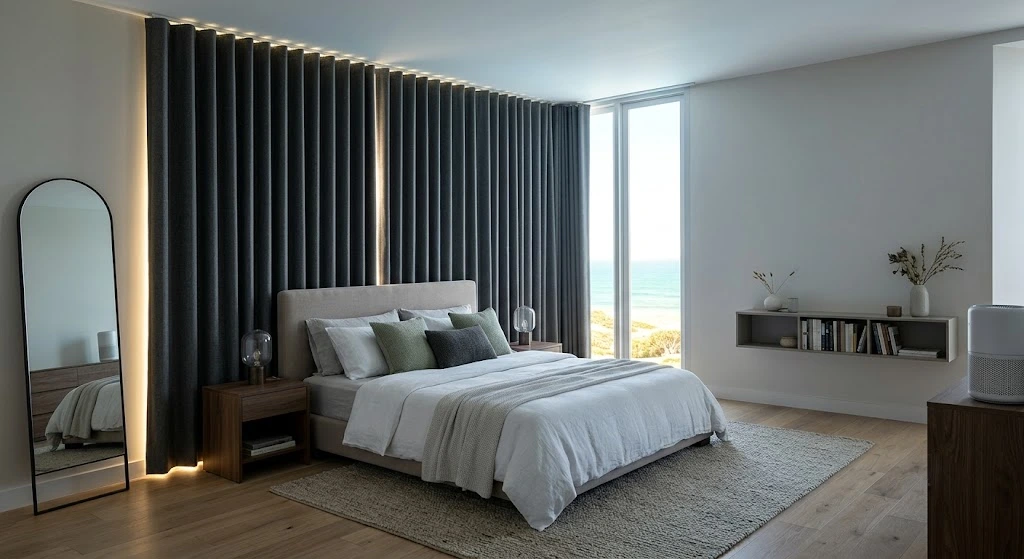
Windows allow a large amount of sunlight to enter your home. While natural light is nice, it also increases indoor temperatures.
Blocking sunlight is one of the easiest and cheapest ways to cool your home.
Close curtains or blinds during the hottest part of the day, especially on windows that face east or west.
Blackout curtains, thermal curtains, and cellular shades provide even better protection by reducing heat transfer.
Outdoor Shade Helps Too
Exterior solutions can work even better than indoor curtains.
Consider:
- Window awnings
- Outdoor roller shades
- Shade sails
- Trees
- Tall shrubs
These options stop sunlight before it reaches the glass.
Best Window Treatments
| Window Covering | Heat Reduction | Cost |
|---|---|---|
| Curtains | Good | Low |
| Blackout Curtains | Very Good | Medium |
| Cellular Shades | Excellent | Medium |
| Exterior Awnings | Excellent | High |
| Outdoor Roller Shades | Very Good | Medium |
Quick Tip
Keep curtains closed between 11 a.m. and 4 p.m., when sunlight is usually strongest.
4. Keep Your Attic Cool
Your attic can become one of the hottest parts of your home during summer. On sunny days, attic temperatures can rise well above the outdoor temperature. That heat slowly moves into the rooms below, making your air conditioner work harder.
Improving your attic is one of the best long-term ways to keep your home cooler and lower your energy bills.
Add Enough Insulation
Insulation acts like a protective blanket. It slows down the movement of heat, helping your home stay cooler during summer and warmer during winter.
If your attic has old or thin insulation, consider adding more. A well-insulated attic can make a noticeable difference in your home’s comfort.
Common insulation materials include:
- Fiberglass
- Cellulose
- Spray foam
- Mineral wool
If you’re not sure whether your attic has enough insulation, ask a professional for an inspection.
Improve Attic Ventilation
Ventilation is just as important as insulation.
Fresh air should be able to enter through soffit vents and leave through ridge or roof vents. This airflow removes trapped heat before it spreads throughout your home.
Without proper ventilation, even good insulation won’t perform as well as it should.
Signs Your Attic Needs Attention
| Warning Sign | Possible Cause |
|---|---|
| Upstairs rooms are much hotter | Poor attic insulation |
| Roof feels extremely hot | Lack of ventilation |
| High cooling bills | Heat trapped in attic |
| AC runs all day | Poor insulation and airflow |
Quick Tip
Avoid storing too many boxes or large items over attic insulation. They can block airflow and reduce insulation performance.
5. Seal Air Leaks Around Your Home
Even a small gap around a window or door can let hot air enter your home. These air leaks make your cooling system work longer and use more electricity.
Fortunately, sealing leaks is an inexpensive project that most homeowners can do themselves.
Check These Areas
Inspect places where air commonly escapes:
- Windows
- Doors
- Electrical outlets
- Plumbing pipes
- Attic access doors
- Baseboards
- Dryer vents
You may notice warm air, small gaps, or even daylight around doors and windows.
Easy Ways to Seal Leaks
Simple materials can solve many problems.
Use:
- Weatherstripping around doors
- Silicone caulk around windows
- Foam sealant for larger gaps
- Door sweeps under exterior doors
These improvements not only keep your home cooler but also help during winter.
Benefits of Sealing Air Leaks
| Benefit | Result |
|---|---|
| Lower energy bills | Less wasted cooling |
| Better indoor comfort | Fewer hot spots |
| Reduced humidity | Drier indoor air |
| Longer AC lifespan | Less strain on the system |
Expert Tip
Walk around your home on a sunny day. If you can see daylight around a closed door or window, warm air can enter there too.
6. Switch to LED Lighting
Many people don’t realize that light bulbs can produce heat.
Traditional incandescent bulbs waste much of their energy by creating heat instead of light. During summer, this extra heat makes your rooms warmer.
Replacing old bulbs with LED lights is one of the easiest upgrades you can make.
Why Choose LED Bulbs?
LED bulbs:
- Use much less electricity
- Produce very little heat
- Last for many years
- Reduce cooling costs
- Come in different brightness levels
Although LEDs cost more at first, they save money over time because they use less energy and last much longer.
Turn Off Unused Electronics
Many electronic devices continue producing heat whenever they are running.
Try to:
- Turn off televisions when not in use.
- Shut down desktop computers overnight.
- Unplug chargers when finished.
- Use power strips to switch off multiple devices easily.
Every little change helps reduce indoor heat.
Lighting Comparison
| Type of Bulb | Energy Use | Heat Produced | Lifespan |
|---|---|---|---|
| Incandescent | High | High | Short |
| CFL | Medium | Medium | Medium |
| LED | Low | Very Low | Long |
Quick Tip
Replace the bulbs in your most-used rooms first. You’ll notice the biggest energy savings there.
7. Cook Smarter During Hot Weather
Cooking indoors can quickly heat your kitchen and nearby rooms.
Using the oven for an hour can make your home much warmer, causing your air conditioner to work harder.
Changing your cooking habits is an easy way to stay comfortable.
Choose Cooler Cooking Methods
Instead of using the oven every day, try:
- Microwave ovens
- Air fryers
- Slow cookers
- Pressure cookers
- Outdoor grills
These appliances usually produce less heat while using less energy.
Cook During Cooler Hours
If you need to use the oven, try cooking:
- Early in the morning
- Late in the evening
Outdoor temperatures are usually lower during these times, making it easier to keep your home comfortable.
Use Kitchen Ventilation
Always turn on your kitchen exhaust fan while cooking.
It helps remove:
- Heat
- Steam
- Smoke
- Cooking odors
Opening a nearby window can improve ventilation even more.
Cooling-Friendly Cooking Options
| Cooking Method | Heat Produced | Energy Efficiency |
|---|---|---|
| Oven | High | Medium |
| Stovetop | Medium | Medium |
| Microwave | Low | High |
| Air Fryer | Low | High |
| Outdoor Grill | Very Low (Indoors) | High |
Expert Tip
Meal prep several dishes at once. You’ll use the oven less often during the week and keep your kitchen cooler.
Simple Cooling Improvements at a Glance
| Improvement | Difficulty | Cost | Potential Savings |
|---|---|---|---|
| Add attic insulation | Medium | $$ | High |
| Seal air leaks | Easy | $ | Medium |
| Replace with LED bulbs | Easy | $ | Medium |
| Cook smarter | Easy | Free–$ | Low to Medium |
8. Plant Trees and Create Natural Shade
Nature can help keep your home cool. Trees, shrubs, and climbing plants provide shade that blocks direct sunlight before it reaches your house. This reduces the amount of heat that enters through your walls, windows, and roof.
Planting trees is a smart long-term investment. Besides making your home cooler, they also improve air quality, increase curb appeal, and may even raise your property’s value.
Best Places to Plant Trees
For the greatest cooling effect, plant large shade trees on the:
- West side of your home
- South side of your home
- East side if it receives strong morning sunlight
Deciduous trees are an excellent choice because they provide shade during summer and lose their leaves in winter, allowing sunlight to warm your home naturally.
You can also add:
- Tall shrubs
- Climbing vines
- Pergolas
- Shade sails
These features create cooler outdoor spaces and reduce heat around your home.
Best Natural Shade Options
| Shade Solution | Cooling Effect | Cost | Time to Benefit |
|---|---|---|---|
| Deciduous Trees | Excellent | Medium | Long-term |
| Tall Shrubs | Good | Low | Medium |
| Pergola | Very Good | High | Immediate |
| Shade Sail | Very Good | Medium | Immediate |
| Climbing Vines | Good | Low | Medium |
Quick Tip
Choose native trees whenever possible. They usually grow better, need less water, and require less maintenance.
9. Improve Airflow With Natural Ventilation
Fresh air can cool your home without using much electricity. Good ventilation removes trapped heat and replaces it with cooler outdoor air.
The best time to use natural ventilation is early in the morning or late in the evening when outdoor temperatures are lower.
Open Windows at the Right Time
Open windows on opposite sides of your home to create cross ventilation. This allows fresh air to move through your rooms and push hot air outside.
If your area is safe and secure, leave windows slightly open overnight during cooler weather.
Use Fans With Open Windows
A portable fan placed near a window can improve airflow even more.
For example:
- Place one fan facing inward to pull cool air inside.
- Place another fan facing outward to push hot air outside.
This simple method cools your home much faster than opening windows alone.
Benefits of Natural Ventilation
- Reduces indoor heat
- Improves air quality
- Removes humidity
- Saves electricity
- Lowers air conditioner use
Expert Tip
Avoid opening windows during the hottest hours of the afternoon. Warm outdoor air will quickly heat your home.
10. Upgrade to Energy-Efficient Cooling Products
Sometimes, replacing old equipment can make a big difference in both comfort and energy savings.
Modern cooling products use less electricity while providing better performance.
Although these upgrades require an investment, they often pay for themselves through lower energy bills.
Smart Cooling Upgrades
Consider installing:
- Smart thermostat
- Energy-efficient ceiling fans
- Energy Star air conditioner
- Reflective window film
- Insulated curtains
- Cool roofing materials
Choose products with high energy-efficiency ratings whenever possible.
Which Upgrade Should You Choose?
Your choice depends on your budget.
If you want an inexpensive improvement, start with LED lights, weatherstripping, and blackout curtains.
If you plan to stay in your home for many years, larger upgrades like attic insulation or a smart thermostat can save much more money over time.
Best Cooling Methods Compared
| Cooling Method | Difficulty | Upfront Cost | Energy Savings | Best For |
|---|---|---|---|---|
| Smart Thermostat | Easy | $$ | High | Every home |
| Ceiling Fan | Easy | $$ | Medium | Bedrooms & Living Rooms |
| Blackout Curtains | Easy | $ | Medium | Sunny Rooms |
| Attic Insulation | Medium | $$$ | Very High | Older Homes |
| Air Leak Sealing | Easy | $ | Medium | All Homes |
| LED Lighting | Easy | $ | Low | Every Room |
| Shade Trees | Medium | $$ | High | Houses with Yards |
| Natural Ventilation | Easy | Free | Medium | Cool Evenings |
| Outdoor Cooking | Easy | Free–$$ | Low | Summer Months |
| Energy-Efficient AC | Medium | $$$ | Very High | Hot Climates |
Estimated Cost and Energy Savings
| Improvement | Estimated Cost | Possible Energy Savings |
|---|---|---|
| Close Curtains | Free | Low |
| Weatherstripping | $20–$100 | Medium |
| LED Bulbs | $30–$100 | Medium |
| Ceiling Fan | $100–$300 | Medium |
| Smart Thermostat | $100–$250 | High |
| Blackout Curtains | $50–$200 | Medium |
| Shade Trees | $50–$500 | High (Long-term) |
| Attic Insulation | $1,000–$2,500 | Very High |
| Energy-Efficient AC | $3,000+ | Very High |
Common Mistakes That Make Your Home Hotter
Many homeowners accidentally make their homes warmer without realizing it. Avoid these common mistakes to improve your cooling efforts.
- Leaving curtains open during the hottest part of the day.
- Setting the thermostat much lower than necessary.
- Forgetting to replace dirty air filters.
- Blocking air vents with furniture.
- Leaving lights and electronics on when not in use.
- Cooking with the oven during the hottest hours.
- Ignoring small air leaks around doors and windows.
- Skipping regular air conditioner maintenance.
Fixing these simple issues can improve comfort without spending much money.
Frequently Asked Questions
What is the cheapest way to cool a home?
The cheapest methods include closing curtains during the day, using ceiling fans, sealing air leaks, opening windows during cool evenings, and turning off unnecessary lights and electronics.
Do ceiling fans lower the temperature of a room?
No. Ceiling fans do not actually reduce the room’s temperature. Instead, they move air across your skin, making you feel cooler.
What thermostat setting saves the most energy?
Around 78°F (26°C) while you’re at home is generally a good balance between comfort and energy savings. Raise the temperature when the house is empty.
Is attic insulation worth the cost?
Yes. Proper attic insulation helps reduce heat transfer, lowers cooling costs, and improves comfort throughout the year.
Can trees really help cool a house?
Yes. Shade trees block direct sunlight from reaching your home, helping reduce indoor temperatures and lowering air conditioning use.
Final Thoughts
Keeping your home cool doesn’t have to mean running the air conditioner all day or paying high electricity bills. Small changes, such as using fans correctly, blocking sunlight, sealing air leaks, and switching to LED lighting, can make a noticeable difference.
If you’re planning bigger home improvements, consider adding attic insulation, planting shade trees, or upgrading to energy-efficient cooling products. These investments can provide long-term savings while making your home more comfortable every summer.
Start with one or two of these tips today, and gradually add more over time. By combining several cooling strategies, you can enjoy a cooler home, lower energy bills, and a more comfortable living space all season long.