

Termite treatment cost typically runs $300 to $3,500, with most homeowners paying around $600 to $1,500. Spot treatments start near $230, while whole-home fumigation can reach $8,000. Your final price depends on infestation size, termite type, home size, and the method your pest control company chooses.
Finding termites in your home feels like a gut punch. Your mind jumps straight to one question: how much is this going to cost me? The honest answer is that it depends. But you can walk into this with real numbers instead of guesswork.
This guide breaks down what termite treatment actually costs in 2026. You’ll see the price ranges for every common method, learn what pushes your bill up or down, and get a clear sense of what a fair quote looks like.
What Does Termite Treatment Cost on Average?
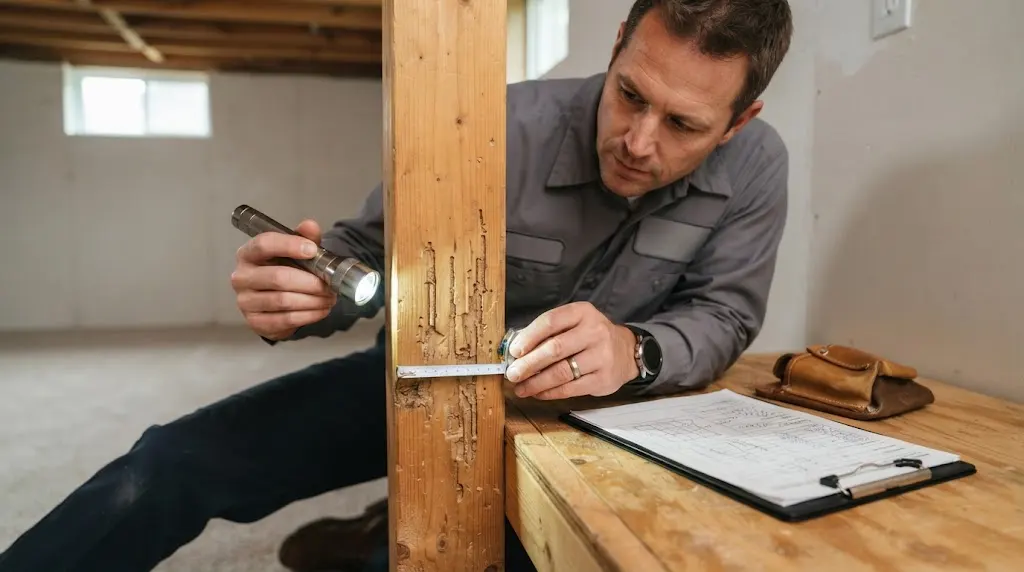
Most homeowners pay between $600 and $1,500 for professional termite treatment. That said, the full range stretches much wider, anywhere from $230 for a small spot treatment to $8,000 for whole-home fumigation on a large property.
Your final number comes down to three things. First, how far the termites have spread. Second, which treatment method your technician recommends. Third, the size of your home. A tiny colony caught early costs far less than an infestation that’s been chewing through your walls for two years.
Think of your quote as a snapshot of your specific situation, not a fixed industry price. Two neighbors with the same square footage can get very different bills based on what’s actually happening inside their walls.
Cost by Treatment Type
Pest control companies use different methods depending on the termite species and how bad the damage is. Each comes with its own price tag.
Liquid Soil Barrier Treatment
This is the most common fix for subterranean termites, which are the most destructive type in the US. A technician digs a trench around your home’s foundation and applies liquid termiticide, creating a barrier termites can’t cross without dying.
Expect to pay $3 to $20 per linear foot, which works out to roughly $1,000 to $3,200 for an average home. Homes with larger perimeters or harder-to-access foundations land at the higher end.
Bait Station Systems
Bait stations get placed in the ground around your property. Termites feed on the bait, carry it back to the colony, and it wipes out the whole nest over several weeks. This method takes patience, but it’s effective and less invasive than tenting.
Installation runs $1,500 to $3,500 for a full home setup. After that, budget $200 to $500 a year for ongoing monitoring, since bait stations need regular checks and refills to keep working.
Tent Fumigation
If you’re dealing with drywood termites, especially in states like Florida, California, or Hawaii, fumigation is often your only real option for a whole-home infestation. Your entire house gets sealed under a tent, and a gas fills every crack and beam.
This method costs $2,000 to $8,000, depending on your home’s size. You’ll need to leave for two to three days, remove food and medications, and arrange care for pets. It’s a hassle for a few days, but it kills termites at every life stage, eggs included.
Heat Treatment
Heat treatment is a chemical-free option that raises the temperature inside infested areas to 120 to 140 degrees Fahrenheit. That heat kills termites without spraying pesticides through your home.
Costs run $800 to $2,500 depending on the size of the treated area. It works well for localized infestations, like a single piece of furniture or one section of a wall, but it’s less practical for spreading colonies throughout a large home.
Spot Treatment
If your inspector catches a small, contained problem early, a spot treatment might be all you need. This targets one specific area rather than your entire property.
Spot treatments cost $230 to $950 in most cases. It’s the cheapest option by far, but it only works when the infestation truly hasn’t spread beyond that one spot.
What Affects Your Final Price
A handful of factors decide where your treatment lands within these ranges. Knowing them helps you understand your quote instead of just accepting a number.
Home size matters the most. Larger homes take longer to inspect and treat, and they need more material to cover the full perimeter or interior. A 3,000 square foot house will almost always cost more than a 1,200 square foot one, regardless of method.
Infestation severity comes next. A colony caught in its early stages costs far less to eliminate than one that’s spread through multiple walls or floors. This is why acting fast after your first sign of termites saves real money down the line.
Termite type also shapes your options. Subterranean termites usually call for liquid barriers or bait stations, while drywood termites often require fumigation or heat treatment. Your region plays a role here too, since certain termite species are more common in specific climates.
Your home’s construction and accessibility factor in as well. A home with a crawl space, tricky foundation, or difficult-to-reach areas takes more labor to treat properly, which adds to your bill.
Termite Inspection Costs
Before any treatment starts, you’ll likely need an inspection. A standalone termite inspection typically costs $75 to $150, though many companies, including major national brands, offer free inspections to get their foot in the door.
An inspection tells you what type of termites you’re dealing with, how far they’ve spread, and which treatment method makes sense. Don’t skip this step even if a company offers a free version. A thorough inspection is the foundation for an accurate quote.
One-Time Treatment vs. Ongoing Protection Plans
You have two basic paths here. A one-time treatment handles the current problem and comes with a warranty, often for one to five years. If termites return within that window, the company retreats your home at no extra charge.
An ongoing monitoring plan, common with bait station systems, costs more over time but catches new activity before it becomes a full infestation again. This makes sense if you live in a high-termite-activity area or you’ve dealt with repeat problems before.
For newer construction or homes in lower-risk areas, a one-time treatment with a solid warranty often makes more financial sense. If your property sits somewhere termites are a constant threat, the annual monitoring fee is usually worth paying.
Why You Shouldn’t Wait to Treat Termites
Termites cause over five billion dollars in property damage across the US every year, and here’s the part that catches people off guard: homeowner’s insurance almost never covers it. If termites eat through your floor joists or wall studs, that repair bill lands entirely on you.
Repairing termite damage after the fact costs $250 to $6,000, sometimes more for severe structural damage. Compare that to the $600 to $1,500 most people pay for treatment, and the math makes itself. Catching termites early and treating them promptly is one of the cheapest home repairs you’ll ever make relative to what it prevents.
Getting a Fair Quote
Call at least three local pest control companies before you commit to anything. Ask each one to explain which treatment method they recommend and why instead of just handing you a number. A good technician will walk you through what they found during inspection and how their plan addresses it specifically.
Watch out for quotes that seem unusually low. Termite treatment done right takes real materials and skilled labor. A price far below the ranges above might mean corners get cut, like skipping monitoring or using diluted product.
Ask about the warranty terms too. A company that stands behind its work with a solid retreatment guarantee is worth a bit more upfront, since it protects you if the first treatment doesn’t fully solve the problem.
DIY Treatment vs. Hiring a Professional
Store shelves are full of DIY termite products, from foam sprays to termite stakes you can buy for under fifty dollars. They sound tempting when you’re trying to save money, but they usually treat what you can see rather than the colony itself.
Termite colonies live underground or deep inside wood, often far from the spot where you noticed damage. A DIY spray might kill the termites in front of you while leaving thousands more alive and working. Professionals use equipment and products that reach the source instead of only the surface.
There’s also a licensing issue. Many states require a pest control license to purchase and apply the most effective termiticides. Homeowners often can’t even buy the professional-grade product a licensed technician uses.
DIY treatment can make sense for prevention, like keeping mulch away from your foundation or fixing moisture problems that attract termites in the first place. Once you have a confirmed infestation, though, a licensed professional gives you a far better shot at actually solving the problem.
How to Save Money on Termite Treatment
You don’t have to accept the first quote you get. A few smart moves can lower your total cost without cutting corners on the actual treatment.
Book your inspection as soon as you notice warning signs, like mud tubes, discarded wings, or hollow-sounding wood. Early infestations cost less to treat because the colony hasn’t spread, and you avoid the added expense of structural repairs.
Bundle your termite treatment with a home inspection if you’re buying or selling a house. Many companies offer discounted rates when termite and general pest inspections happen together.
Ask about seasonal promotions. Pest control companies sometimes offer lower rates in slower months, since spring and early summer bring the highest demand for termite services.
Compare warranty length alongside price. A slightly higher quote with a five-year warranty can save you more in the long run than a cheap one-year deal that leaves you paying full price again if termites return.
The Bottom Line
Termite treatment cost ranges from $230 for a small spot fix to $8,000 for whole-home fumigation, with most homeowners landing between $600 and $1,500. Your exact price depends on infestation size, termite type, home size, and treatment method. Getting a professional inspection first, then comparing a few local quotes, puts you in the best position to pay a fair price and protect your home from further damage.