

Single-hung windows have one movable bottom sash and cost less. Double-hung windows let both sashes move, giving you better airflow and easier cleaning. Single-hung suits budgets and historic homes. Double-hung suits modern homes, upper floors, and families who want more ventilation control.
Picking new windows sounds simple until you start comparing styles. Single-hung and double-hung windows look almost the same from the street. But they work in very different ways once you open them.
This guide walks you through the real differences. You’ll learn how each window operates, what it costs, and which one fits your home better.
We’ll cover cost, energy use, airflow, cleaning, safety, and style side by side. By the end, you’ll know exactly what to ask a window contractor when you get your quote.
What Is a Single-Hung Window?
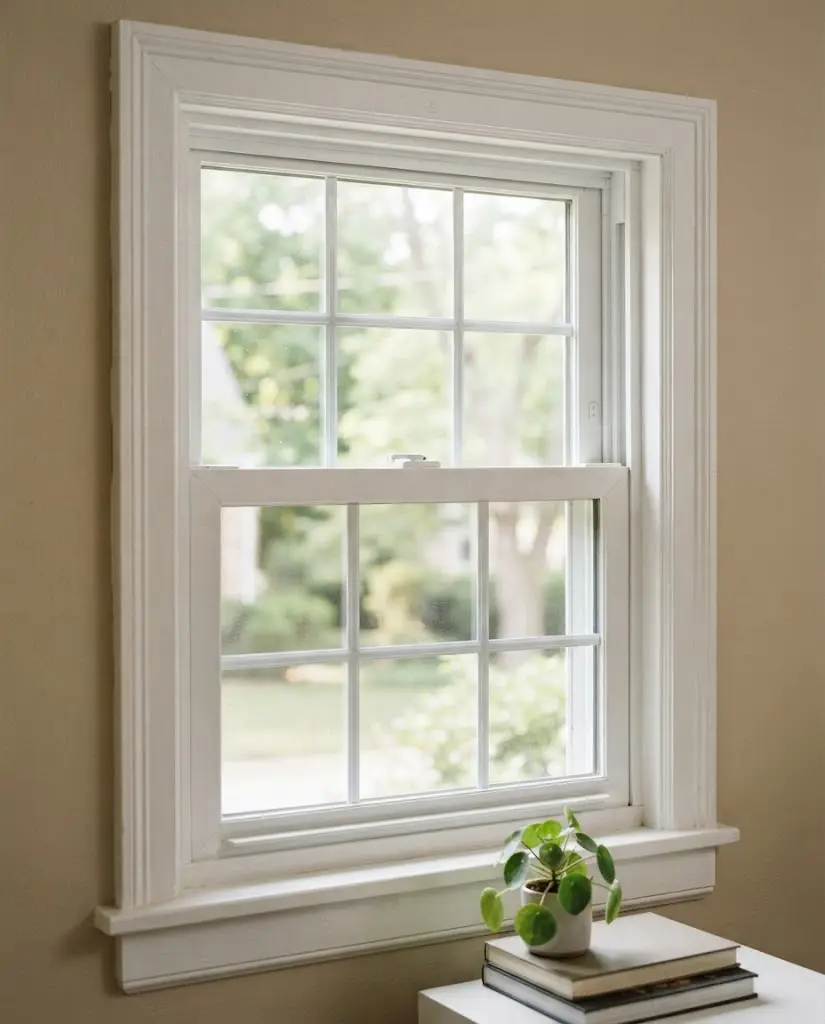
A single-hung window has two stacked sashes, but only one of them moves. The top sash stays locked in place. The bottom sash slides up and down along a track.
This design has been around for centuries. Builders used it in homes built in the 1600s, and it’s still a common choice today. If you own an older home or you’re restoring one, a single-hung window often matches the original style best.
Because only one part moves, the mechanism inside is simpler. That simplicity is a big reason single-hung windows cost less than their double-hung cousins.
What Is a Double-Hung Window?
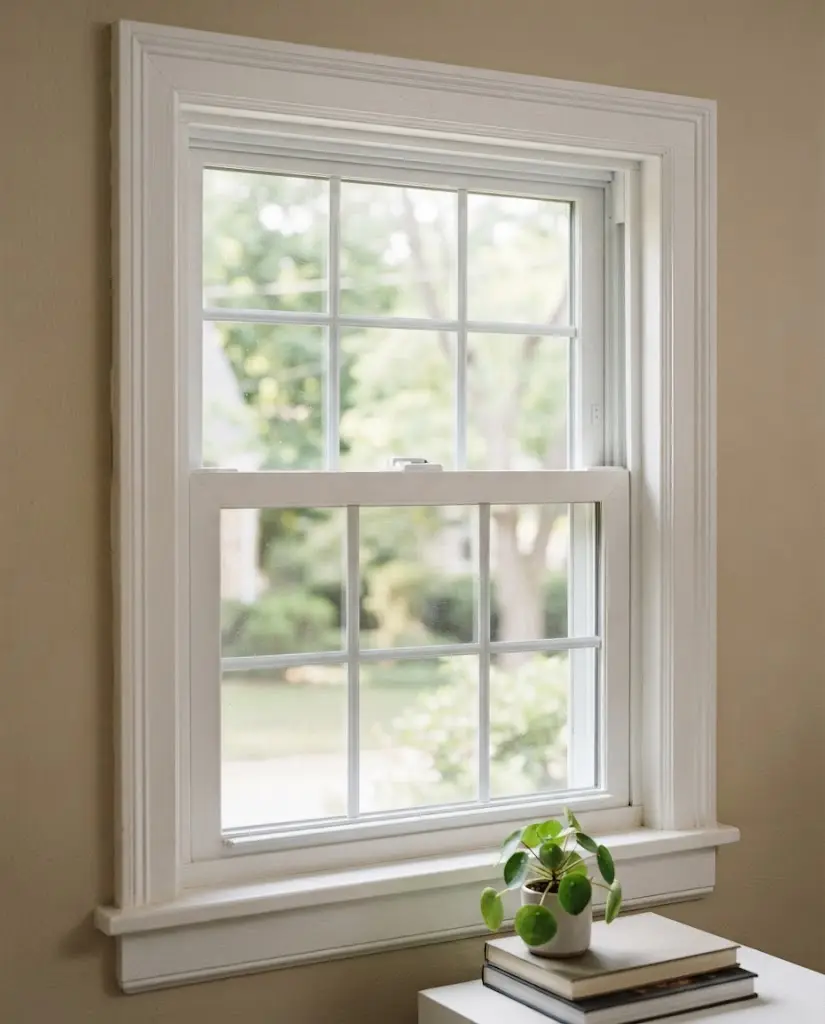
A double-hung window also has two sashes, but both of them slide. You can push the bottom sash up, pull the top sash down, or open both at once.
Most double-hung windows also tilt inward. That feature lets you clean the outside glass from inside your house. This matters a lot if your bedroom window sits on the second floor.
Double-hung windows became popular in newer construction because they offer more flexibility. Homeowners like the extra control over airflow, and the tilt-in design makes upkeep far less of a hassle.
Cost Differences You Should Know
Money often decides which window wins. Single-hung windows cost less to buy and install because they have fewer moving parts. Typical single-hung units run in a lower price range compared to double-hung options of the same size and material.
Double-hung windows cost more because of the added hardware. Both sashes need springs, balances, and locks to move smoothly and stay secure. According to Fixr, an online marketplace for hiring contractors, double-hung windows can run around 75 percent more than single-hung windows of the same style and size.
If you’re replacing windows across an entire house, that price gap adds up fast. Swap out ten or fifteen windows, and the difference between single-hung and double-hung pricing could mean thousands of dollars by the time the job wraps up.
Material choice also shifts the final number. Vinyl windows sit at the lower end of the price range, while wood and fiberglass push costs higher regardless of which hung style you pick. Get quotes from a local contractor for your exact window sizes, since prices swing based on your region and the brand you choose.
Energy Efficiency Compared
Single-hung windows tend to seal better. Since the top sash never moves, there’s one less seam where air can slip through. That fixed sash keeps drafts out and helps your heating and cooling system work less.
Double-hung windows have two moving parts, which means two spots where air leakage can happen. Manufacturers have improved the seals over the years, so the gap in efficiency isn’t huge anymore. Still, if energy bills top your list of concerns, single-hung windows usually edge ahead.
Your climate plays a role too. In a mild climate, this difference might not matter much to your monthly bill. In a place with harsh winters or scorching summers, every seam counts.
Ventilation and Airflow
This is where double-hung windows shine. Opening both the top and bottom sash creates a natural flow of air. Warm air escapes through the top opening while cooler air enters from the bottom. That movement cools a room faster than a single opening ever could.
Single-hung windows only open at the bottom. You still get airflow, but it’s limited to one direction. On a hot day, that can mean a stuffier room compared to a double-hung setup.
If you live somewhere with mild weather and rely on open windows instead of air conditioning, this difference matters. Double-hung windows give you more control over how a breeze moves through your home.
Cleaning and Maintenance
Nobody enjoys hanging out a second-story window with a rag in hand. Double-hung windows solve that problem with their tilt-in design. Both sashes swing inward, so you can wipe down the outside glass without leaving your living room.
Single-hung windows usually don’t offer this convenience. The fixed top sash often can’t tilt, which means you may need a ladder or a professional to clean the exterior glass. This becomes a bigger issue on upper floors where reaching the outside safely is tricky.
If your home has multiple stories, this one feature could outweigh the cost savings of single-hung windows. Safety and convenience count for a lot when cleaning day rolls around.
Safety Considerations for Families
Homes with kids need an extra layer of thought here. Double-hung windows let you open just the top sash for ventilation while keeping the bottom sash locked shut. That setup keeps curious toddlers from climbing out while still letting fresh air in.
Single-hung windows don’t give you that choice. The only way to get airflow is by opening the bottom sash, which sits right at a child’s height. That’s an easier window for a small kid to climb through, especially on a hot day when it’s left open.
If safety around young children ranks high on your list, double-hung windows offer a real advantage. You get the airflow you want without leaving a low, open gap in the wall.
Style and Home Type
Single-hung windows carry a classic, traditional look. They pair naturally with colonial, Victorian, and other historic home styles. If you’re restoring a period home or matching existing windows in an older neighborhood, single-hung windows often blend in better.
Double-hung windows fit a wider range of homes, including modern builds. Their extra functionality appeals to homeowners who want both style and practicality. Many newer developments and remodels lean toward double-hung windows for this reason.
Neither style limits your choice of material or color. Both come in wood, vinyl, aluminum, and fiberglass, so you can match either window type to your home’s existing trim and siding.
Durability and Lifespan
Fewer moving parts usually means fewer things that can break. Single-hung windows have a simpler mechanism, so there’s less hardware that can wear out or need repair over time. That simplicity can translate into a longer stretch between maintenance calls.
Double-hung windows have more components working together, including two sets of balances and locks. Quality construction keeps these parts running smoothly for many years, but there’s naturally more that could eventually need attention.
Both window types last a long time when installed correctly and made from solid materials. The brand and installation quality often matter more to lifespan than the hinge style itself.
Weather exposure plays a role too. A window facing direct sun and heavy rain wears faster than one tucked under a porch roof, no matter which style you pick. Ask your installer about warranty coverage on the sash balances and seals, since that coverage tells you a lot about how long the manufacturer expects the parts to hold up.
Which One Should You Choose?
Start with your budget. If you’re working with tight numbers or replacing many windows at once, single-hung windows save real money upfront and on energy bills down the road.
Think about your home’s height next. If you’re installing windows on a second floor or higher, the tilt-in cleaning feature on double-hung windows saves you real hassle and risk. That convenience alone justifies the higher price tag for a lot of homeowners.
Consider who lives in your house too. Families with young kids often lean toward double-hung windows for the added safety of opening just the top sash. Homeowners restoring a historic property usually stick with single-hung windows to keep the original character intact.
There’s no single right answer here. Your budget, your home’s style, your family’s needs, and your climate all play a part. Weigh these factors together, and you’ll land on the window that actually fits how you live.
Ready to compare windows for your specific home? Reach out to a local window contractor for measurements and a quote tailored to your project.