

Maintaining real trees can be a labor-intensive and costly endeavor, especially in climates that are less than ideal for natural greenery. Artificial outdoor trees provide a convenient and evergreen solution for landscaping without the constant upkeep.
If you’re considering a shift from real to artificial in your outdoor spaces, this exploration can illuminate the numerous benefits and practical ways to embrace synthetic foliage. Below, we analyze the reasons to choose artificial trees, tips for care, styling advice, and long-lasting advantages.
Choosing Artificial Outdoor Trees Over Real Ones
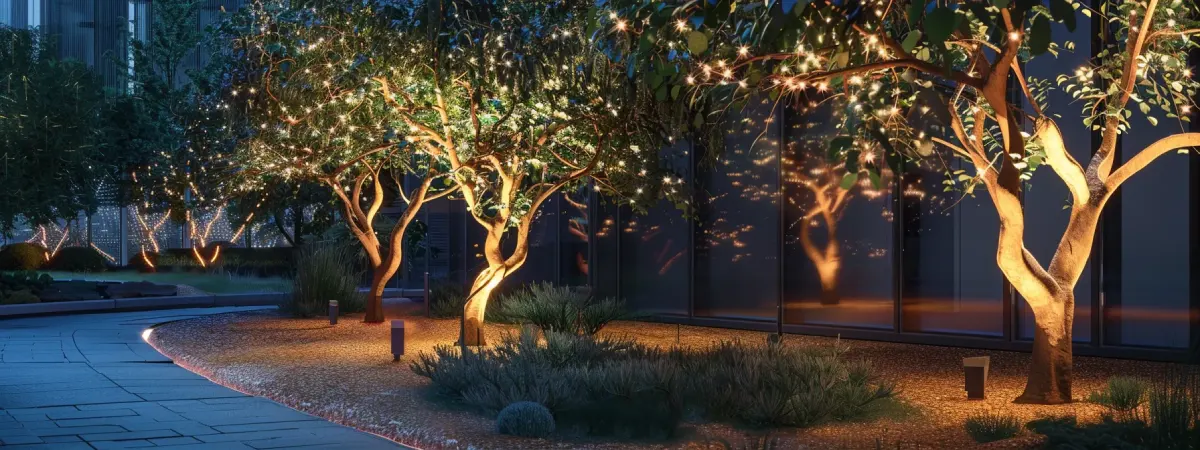
artificial outdoor trees Opting for artificial outdoor trees can be a major relief for those who want low-maintenance landscape solutions. Unlike real trees, artificial varieties require no watering, pruning, or pest control, which simplifies upkeep considerably.
Artificial trees are not subject to the same seasonal changes that real trees are, ensuring that your outdoor spaces remain green and vibrant all year round. They resist weather-related damage and fading, thanks to UV-resistant materials and robust construction.
When selecting artificial trees, look for options that best mimic the texture and color of real specimens. High-quality faux trees can be more expensive initially, but they offer extended durability and realistic appearance, making them a worthwhile investment.
Caring for Artificial Outdoor Trees
Maintenance of artificial trees is minimal, yet some care is necessary to keep them looking fresh. The primary concern is often dust and debris that can gather on the leaves and branches over time.
Regular cleaning is simple—typically, a gentle wash with a hose will suffice. For deeper cleans, a mixture of water and mild detergent can be used to wipe down leaves. Make sure to dry the trees thoroughly to prevent any water spots or streaking.
Once every few months, inspect your artificial trees for any necessary repairs or adjustments. This routine check can help extend their lifespan and maintain their appearance, ensuring that they continue to enhance your outdoor decor without fading or damage.
Styling Spaces with Artificial Trees
Artificial trees can transform a plain space into a lush, inviting area. They are particularly effective in environments where growing conditions are poor or in urban settings where soil and space are limited.
Choose species that fit the aesthetic and functional needs of your space. For instance, taller trees can create privacy screens, while flowering varieties add pops of color. Strategically place these trees to complement existing features like patios or pathways.
Integrate lighting, decorative stones, or complementary synthetic plants for a cohesive look that enhances your outdoor living areas. This decorating with artificial plants approach can make your maintenance-free garden not only practical but also stylish and atmospheric.
Long-Term Benefits of Artificial Trees in Outdoor Settings
Investing in artificial outdoor trees offers a multitude of long-term benefits. Not only do they provide constant greenery, but they also are cost-effective over time due to reduced maintenance needs.
Artificial trees are not vulnerable to climate variations, which means no unexpected replacement costs due to weather damage. Their durability and resistance to natural elements help preserve their pristine condition for many years.
In addition, the use of sustainable landscaping elements like artificial trees contributes to water conservation efforts, as they eliminate the need for regular watering. These factors make them a smart choice for both aesthetic landscapes and eco-conscious decisions.
Ultimately, artificial outdoor trees offer an attractive and practical alternative to their natural counterparts. They reduce maintenance, provide year-round beauty, and can be styled to fit any outdoor area. For those looking to ease the burden of landscape upkeep while enjoying vibrant green spaces, artificial trees are an excellent solution.