

To get rid of wasps, locate the nest, then treat it at dusk or dawn with a wasp spray from 15 to 20 feet away. Wait a day, confirm the wasps are dead, and remove the nest in a sealed bag. Seal entry points and remove food sources to stop new nests from forming.
A wasp nest near your porch or tucked into your attic is more than an annoyance. Wasps can sting multiple times, and a disturbed nest can send the whole colony after you in seconds. The good news is that with the right approach, you can clear out a wasp problem in an afternoon and keep new nests from showing up next season. This guide walks you through every step, from spotting the nest to sealing up your home for good, so you can handle the job with confidence instead of guesswork.
Know What You’re Dealing With
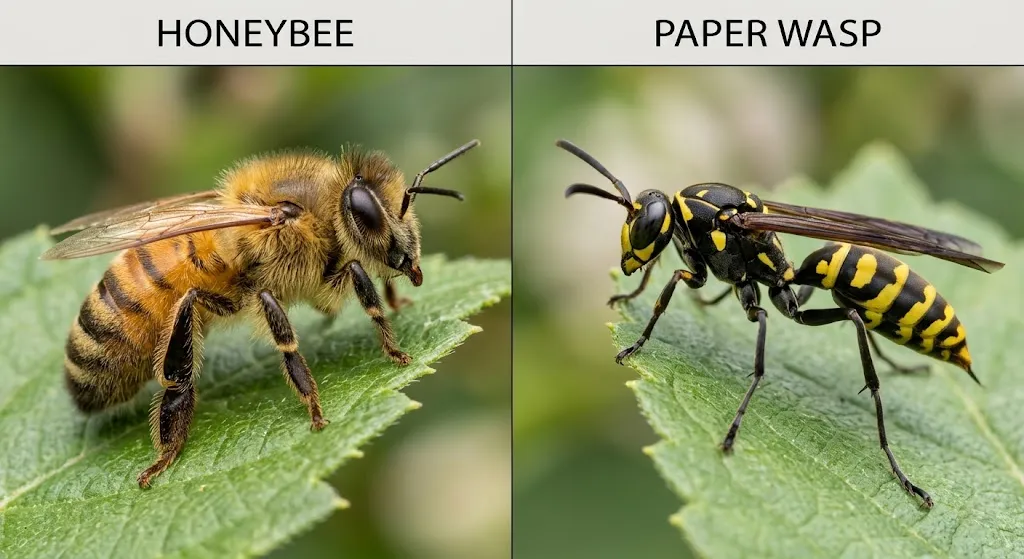
Not every flying insect in your yard is a wasp. Bees have round, fuzzy bodies and move slowly, while wasps have smooth, narrow bodies and a faster flight pattern. Paper wasps build open, umbrella-shaped nests under eaves and railings. Yellow jackets often nest in the ground or inside wall voids, and they tend to be the most aggressive of the group. Bald-faced hornets build large, enclosed nests in trees and shrubs that can hold thousands of insects by late summer.
Knowing which type you’re facing helps you choose the right treatment and gauge how aggressive the colony might be. Ground-nesting yellow jackets, for example, often need a different approach than an exposed paper wasp nest hanging from a porch beam.
Step 1: Find the Nest First
Before you buy any spray, you need to know exactly where the nest is. Watch the wasps for a few minutes and trace their flight path back to the entry point. Check under roof eaves, inside porch ceilings, behind loose siding, and around tree branches. If you suspect a nest in the ground, look for a small hole with steady wasp traffic going in and out. Knowing the exact location lets you plan your approach and pick the right product for the job. If you hear buzzing inside a wall or notice a faint papery rustling sound, the nest may be hidden behind drywall, which is a sign you should skip the DIY route altogether.
Step 2: Choose the Right Time and Gear
Timing matters more than most people realize. Wasps are far less active at dusk and dawn, when cooler temperatures keep most of the colony inside the nest. Plan your treatment for one of these windows instead of the middle of the day. Wear long sleeves, long pants, closed-toe shoes, and gloves, and tuck your pant legs into your socks. A hat with mesh netting protects your face and neck, which are the spots most likely to get stung. Check the wind direction before you start, and always work with it at your back so the spray drifts toward the nest instead of back onto you.
Step 3: Pick Your Treatment Method
Most hardware stores carry aerosol wasp sprays that work fast and shoot a stream several feet, which keeps you well clear of the nest while you treat it. These products usually contain pyrethrin or a similar ingredient that attacks the wasps’ nervous system on contact. They’re a solid choice for nests under eaves, in bushes, or hanging from tree branches. For ground nests or small paper wasp nests near a door, a simple mix of dish soap and hot water in a spray bottle can do the job just as well, since the soap clogs the wasps’ breathing pores. Pick the method that matches where the nest sits and how big the colony looks.
Step 4: Treat the Nest
Once you’re dressed and the timing is right, approach the nest slowly and quietly. Stand back 15 to 20 feet if your spray allows it, since most aerosol wasp killers are built to reach that far. Aim directly at the nest opening and spray until it’s fully soaked, because a light coating won’t reach the wasps inside. For ground nests, a mix of dish soap and hot water poured straight into the hole works well, since the soap breaks down the wasps’ outer shell. Walk away right after spraying and give the colony at least 24 hours to die off completely.
Step 5: Remove the Nest Safely
Check the nest the next day before going anywhere near it. Toss a small object near it from a distance to see if any wasps respond. If nothing moves after a few minutes, the nest is likely dead and ready to come down. Cover it with a heavy plastic bag, twist the bag closed around the base, and pull it free in one motion. Seal the bag tightly and place it in an outdoor trash can away from your house. If the nest is made of mud rather than paper, a putty knife works well to scrape it off the surface once you’re sure the wasps inside are gone.
Step 6: Watch for Stragglers
Even after the main nest is gone, a few wasps that were out foraging may come back to the old spot. Keep an eye on the area for the next several days. If you see repeated activity, a small follow-up spray usually finishes the job. Wasp traps baited with sugar water or meat scraps can also catch any leftover stragglers before they start a new colony nearby. Hang two or three traps around the area where the old nest was, since wasps often return to familiar territory even after their home is gone.
When to Call a Professional
Some situations call for an expert instead of a do-it-yourself approach. If the nest is inside a wall, attic, or anywhere you can’t reach without real risk, a pest control company has the tools to handle it safely. The same goes for large hornet nests, nests near a home with young children, or anyone in the household with a known allergy to stings. A licensed technician can also treat multiple nests in one visit and often offers a guarantee if wasps return. Most professional visits cost somewhere between 100 and 300 dollars depending on the size of the job and how many nests need attention, and many companies offer a free inspection before you commit to anything.
How to Prevent Wasps From Coming Back
Getting rid of one nest doesn’t guarantee wasps won’t try again next spring. Seal cracks, gaps, and holes around your roofline, siding, and foundation, since queens look for small openings to start new colonies. Keep outdoor trash cans covered and clean up food and drink spills quickly, especially after cookouts. Trim back bushes and tree branches that touch your house, and check eaves and porch ceilings every few weeks during spring and early summer.
Hanging a decoy nest can help too, since wasps are territorial and tend to avoid areas where another colony appears to already live. It’s also worth checking your yard for standing water and overripe fruit on the ground, since both draw wasps in looking for food and moisture. A few minutes of yard cleanup each week during the warmer months goes a long way toward keeping new colonies from settling in.
What to Do If You Get Stung
Most wasp stings cause pain, swelling, and redness that fade within a day or two. Wash the area with soap and water, then apply a cold pack to bring down the swelling. Over-the-counter pain relievers and antihistamines can ease discomfort and itching. Watch closely for signs of a serious reaction, such as trouble breathing, swelling of the face or throat, or dizziness, and get emergency medical care right away if any of these happen. Keep a close eye on young kids after a sting, since they can have a harder time describing how they feel. This is general guidance only, so check with a doctor if you have ongoing health concerns about stings.
Keeping Your Yard Wasp-Free
A wasp problem feels overwhelming at first, but it’s manageable once you follow the right order of steps. Find the nest, treat it at the right time, remove it safely, and follow up with prevention so the cycle doesn’t repeat. Stay patient and careful, and you’ll spend a lot more time enjoying your yard than worrying about what’s living under your porch. Once the nest is gone and your home is sealed up tight, most homeowners don’t see another wasp problem for the rest of the season.