

Rodents control means blocking rodents from entering your home, removing what draws them in, and using traps or professional help to clear out any that get inside. The most effective approach combines sealing entry points, cutting off food sources, and choosing humane, low-toxicity removal methods over poison.
A scratching sound in the wall at 2 a.m. is never a good sign. If you’ve heard it, you already know why rodents control matters. Mice and rats don’t just startle you. They chew wires, spread disease, and multiply fast if you don’t act.
The good news is you don’t need harsh chemicals or a pest control degree to handle this. You need a clear plan. This guide walks you through exactly what draws rodents in, how to spot them early, and which control methods actually work.
Why Rodents Control Matters for Your Home
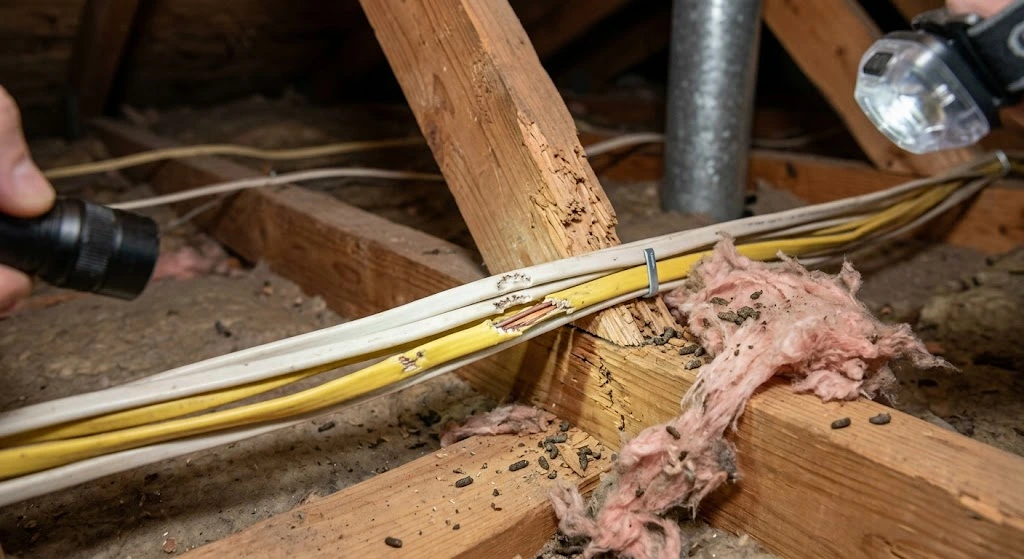
Rodents cause more damage than most people realize. A mouse can squeeze through a gap the size of a dime. Once inside, it looks for food, warmth, and a quiet place to nest.
That search often leads straight to your wiring. Rodents gnaw constantly because their teeth never stop growing. This habit damages insulation, wood, and electrical lines, and it’s a real fire risk. Damaged wiring from rodents contributes to a meaningful share of house fires with no clear cause each year.
Beyond the property damage, rodents carry health risks. They can contaminate food, trigger allergies, and spread illness through droppings and urine. A single mouse problem rarely stays a single mouse problem for long, since these animals breed fast. That’s exactly why early action matters so much.
How Rodents Get Into Your House
Rodents don’t break in through the front door. They slip through gaps most homeowners never notice. Gaps around pipes, gas lines, and cable wires where they enter your foundation are common weak spots.
Door sweeps wear down over time, leaving a gap at the bottom of exterior doors that’s an easy path inside. Vents matter too. Unscreened dryer vents or attic vents work like open tunnels for a rodent looking for shelter.
Outside your home, clutter invites trouble. Woodpiles, overgrown shrubs, and dense ivy give rodents cover to approach your house without being seen. Open trash bins, spilled birdseed, and pet food left out overnight give them a reason to stick around once they arrive. Rodents are looking for three things above all else: food, warmth, and a hiding spot. Take those away, and you remove most of the appeal.
Signs You Have a Rodent Problem
Most people don’t see the rodent first. They see the evidence. Small, dark droppings near food storage or along baseboards are usually the first clue.
Gnaw marks on wood, wires, or packaging are another giveaway. Rodents also leave grease trails along walls and floors from repeatedly rubbing against the same path. A fresh, dark, greasy mark usually means current activity. A dry, faded one likely means the trail is old.
Listen, too. Scratching in walls, scurrying in the attic, or noise behind cabinets at night often means rodents have already settled in. If you notice any of these signs, don’t wait. The longer rodents stay undetected, the larger the population grows.
Prevention Comes First
Every rodent expert agrees on one point: sealing your home matters more than any trap or bait. This process is called exclusion, and it’s the closest thing to a permanent fix. It means physically blocking every gap, crack, and hole a rodent could use to get inside.
Steel wool and caulk work well for small gaps around pipes and vents, since rodents can’t chew through steel wool the way they can chew through plastic or wood. Door sweeps close the gap under exterior doors. Screening on vents keeps rodents from using them as tunnels.
Cleaning up the yard helps too. Trim shrubs and tree branches back a few feet from your house. Clear away woodpiles and other debris that give rodents cover. Store pet food indoors, secure your compost, and keep trash bins tightly closed. None of these steps take special skills. They just take consistency.
Trapping Methods That Work
If rodents are already inside, sealing entry points alone won’t remove them. You need traps too. Snap traps remain one of the simplest and most reliable options, especially for house mice, and they work well when placed along the paths rodents actually use.
Electronic traps have improved a lot in recent years. These use a sensor to detect a rodent and deliver a quick, high-voltage shock that kills it instantly. Many models reset on their own and can handle several rodents before you need to check them, and some send an alert to your phone the moment they catch something.
Whatever trap you choose, placement matters more than the trap itself. Set traps along walls where you’ve seen droppings or grease marks, since rodents tend to travel the same routes repeatedly. Check traps often, and always keep them out of reach of pets and children.
Why Poison Isn’t the Best Choice
Rodenticide feels like a quick fix, but it comes with real downsides. Poisoned rodents don’t die right away. They often wander for days before dying, frequently inside a wall where you can’t remove them, which leaves a smell that lingers for weeks.
There’s a bigger risk too. When a poisoned rodent gets eaten by a pet, hawk, or owl, that predator gets poisoned as well. This chain reaction, known as secondary poisoning, has pushed several states to restrict rodenticide use. It also removes one of your best natural defenses against rodents, since predators that eat mice and rats help keep populations in check.
Given these risks, most pest professionals now recommend traps and exclusion first, saving poison as a last resort rather than a starting point.
Natural and Humane Alternatives
Beyond traps and sealing, a few natural methods can support your rodents control plan. Encouraging natural predators is one option worth considering. A single family of barn owls can eat close to three thousand mice in a year, and installing a nesting box can help attract them to your property.
Rodent birth control is a newer option gaining traction. Products like these don’t kill rodents. Instead, they stop the animals from reproducing, which shrinks the population over time without the risks that come with poison. A 2022 study on a California poultry farm found that adding fertility control to an existing pest management plan cut rat activity by 94 percent.
These methods work best as part of a bigger strategy rather than a stand-alone fix. Combine habitat cleanup, exclusion, and safe traps, and you address the problem from every angle instead of just one.
When to Call a Professional
Some rodent problems are simple enough to handle yourself. Others aren’t. If you’re still seeing signs of activity after a few weeks of trapping and sealing, it’s time to bring in a professional.
A trained technician checks places most homeowners skip, like inside wall cavities, crawl spaces, and attic corners where rodents like to nest. They can also spot subtle signs, like the difference between a fresh grease trail and an old one, that most people would miss entirely. Professionals also know local regulations around rodenticides and trap types, which change from state to state.
If you find chewed or exposed electrical wiring anywhere in your home, don’t wait for a rodent problem to explain it. Call an electrician and a pest professional right away, since damaged wiring is a fire hazard regardless of what caused it.
Keeping Your Home Rodent-Free Long Term
Rodents control isn’t a one-time job. It’s an ongoing habit, much like changing air filters or checking smoke detectors. The homes that stay rodent-free aren’t lucky. They just stay consistent with sealing, cleaning, and monitoring.
Walk your property every few months and check the usual weak spots: door sweeps, vents, gaps around pipes, and the foundation line. Keep clutter away from your exterior walls, and don’t let trash or pet food sit out overnight. These small habits do more to prevent an infestation than any trap ever will.
If you’ve already dealt with rodents once, don’t assume the problem is fully gone once the traps stop catching anything. Keep watching for droppings, gnaw marks, or grease trails for a few more weeks. A little vigilance now saves you a much bigger headache later.