

If your energy bills keep climbing and some rooms never feel warm in winter or cool in summer, your attic is the first place to look. Understanding attic insulation cost helps you plan a realistic budget, compare materials fairly, and avoid paying for more insulation than your climate needs. For most US homeowners in 2026, this is one of the most affordable upgrades with a clear return, because heat rises and escapes through an under-insulated roof faster than through almost any other part of the home.
Last updated: October 23, 2026.
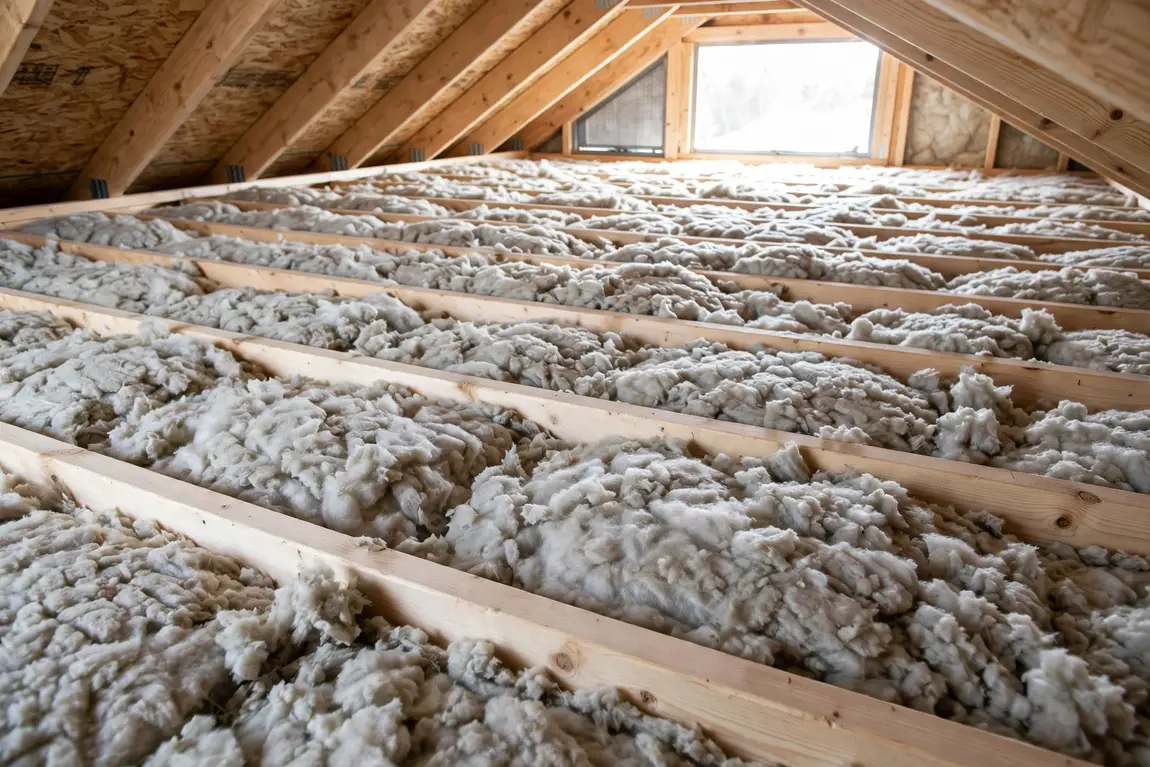
What Is the Average attic insulation cost in 2026?
For a typical attic of around 1,000 to 1,500 square feet, most homeowners pay somewhere between $1,000 and $4,500 in total, depending on the material, the depth needed, and local labor rates. Simple batt projects at the lower end can cost less, while closed-cell spray foam at the higher end can push a large attic well above that range. The price per square foot is the most useful way to compare quotes, because it separates the material itself from extras such as air sealing, removing old insulation, or adding baffles for ventilation.
Several factors move the final bill. Access matters: a roomy attic costs less to insulate than a cramped space with low clearance. Damp, moldy, or pest-damaged insulation should be removed first, which adds cost. Your target R-value also drives the depth required. Always ask each contractor to quote the same material, settled depth, and R-value, so you are comparing like with like.
| Insulation Type | Cost Per Sq. Ft. (Installed) | Typical Whole-Attic Cost (1,000–1,500 sq. ft.) |
|---|---|---|
| Blown-in fiberglass | $0.80 – $1.60 | $800 – $2,400 |
| Blown-in cellulose | $0.90 – $1.80 | $900 – $2,700 |
| Fiberglass batts | $0.90 – $2.00 | $900 – $3,000 |
| Open-cell spray foam | $1.50 – $3.00 | $1,500 – $4,500 |
| Closed-cell spray foam | $2.50 – $4.50 | $2,500 – $6,750 |
These are typical 2026 US ranges, not fixed quotes. Prices run higher in major metro areas and lower where labor is cheaper, and removal of old insulation, air sealing, and ventilation work will add to the figures above.
Attic Insulation Types Compared
Blown-in fiberglass is light, affordable, and quick to install with a blowing machine. It fills gaps around joists and wiring well and does not settle much when installed correctly. Blown-in cellulose, usually made from recycled paper treated for fire resistance, packs slightly denser, slows air movement better, and is a popular eco-friendly choice. It can settle a little, so a good installer adds extra depth to compensate.
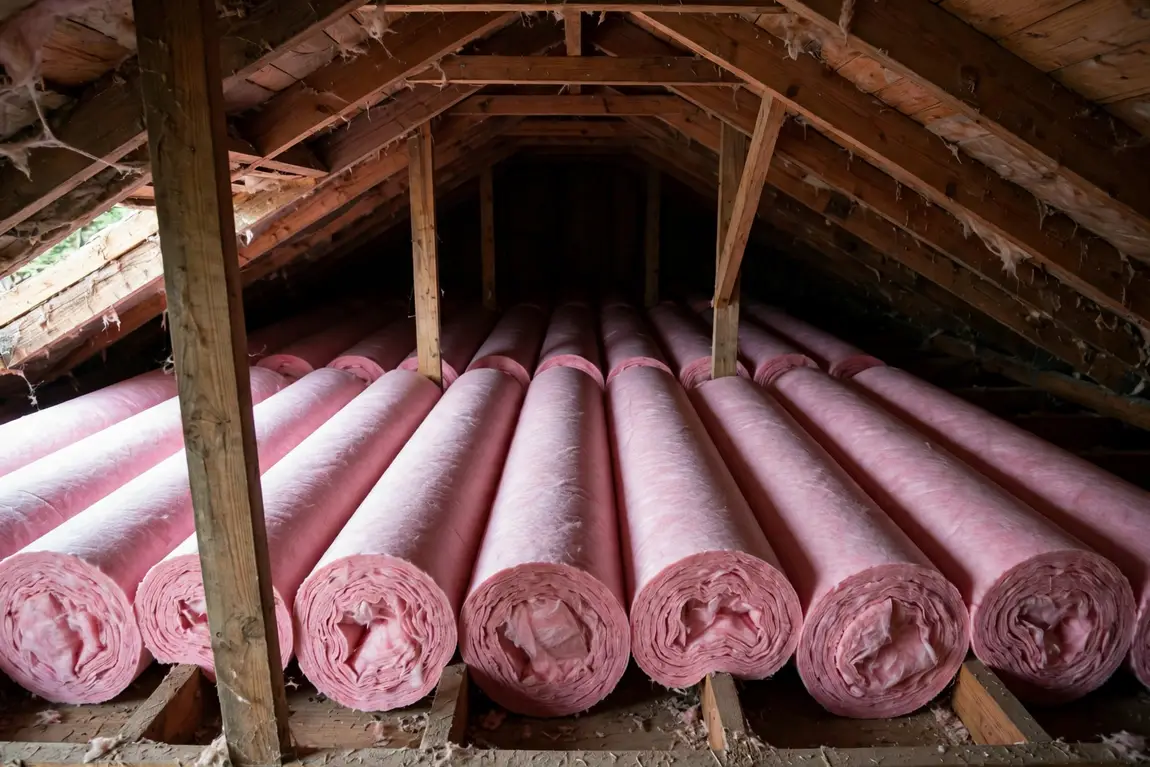
Fiberglass batts are the familiar pink or yellow rolls. They are the most DIY-friendly option and work best in open attics with standard joist spacing. Their weakness is fit: every gap or compression lowers real-world performance. Spray foam sits at the premium end. Open-cell foam expands to seal air leaks as it insulates, while closed-cell foam delivers the highest R-value per inch and adds moisture resistance, at the highest price and with professional installation required.
- Best value: blown-in cellulose or fiberglass for most existing attics.
- Best for DIY: fiberglass batts in a clean, open attic.
- Best air sealing: spray foam, especially at the roof deck or around many penetrations.
- Best for very tight spaces: closed-cell spray foam, thanks to its high R-value per inch.
R-Value by Climate Zone: How Much Do You Need?
R-value measures how well insulation resists heat flow: the higher the number, the better the insulation. How much you need depends mainly on where you live. US Department of Energy guidance for attics roughly follows this pattern, and your local building code may set a specific minimum.
- Warm southern zones (Zones 1–2): aim for about R-30 to R-38.
- Mild and mixed climates (Zones 3–4): aim for about R-38 to R-49.
- Cold northern zones (Zones 5–7): aim for about R-49 to R-60.
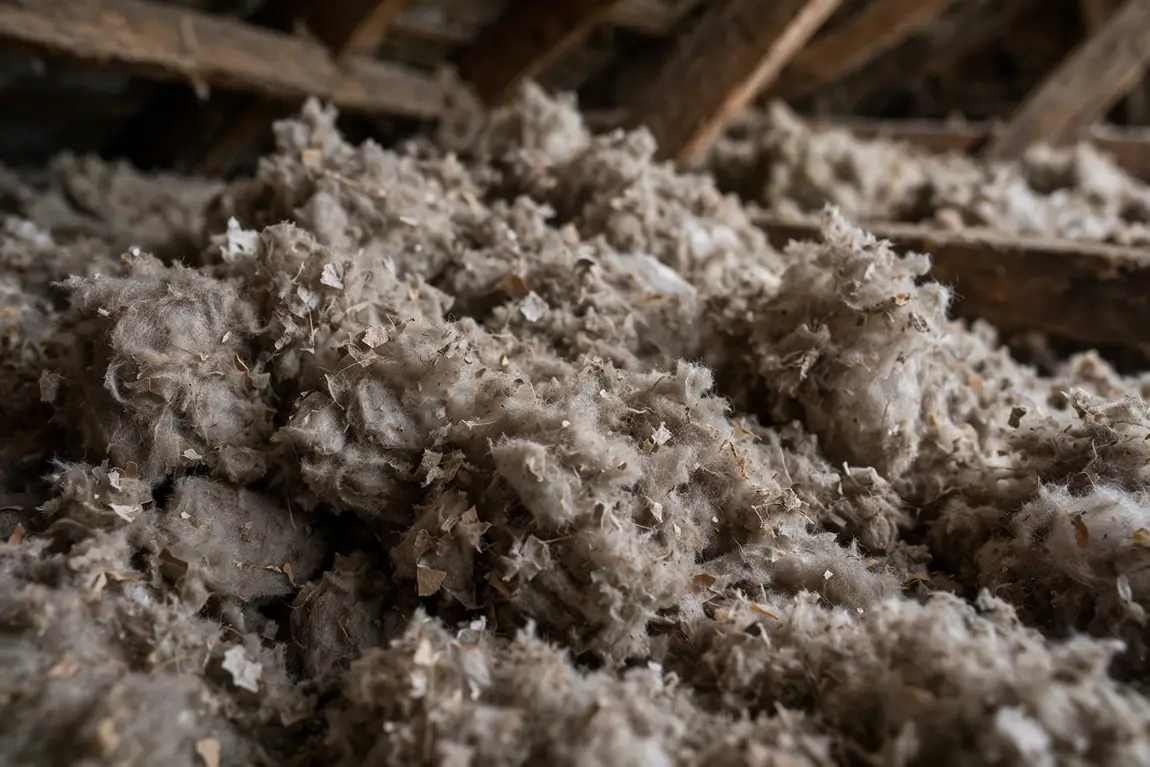
Material choice changes the depth needed. Fiberglass and cellulose deliver roughly R-3.2 to R-3.8 per inch, so reaching R-49 can mean around 13 to 15 inches of settled depth. Closed-cell spray foam, at roughly R-6 to R-7 per inch, reaches the same value in far less space. If your attic already has insulation, you can usually add material on top to reach the recommended total, as long as the existing layer is dry and clean. For a deeper look at how roof and attic insulation work together, see our guide to enhancing roof insulation for energy savings.
Energy Savings and Payback Period
Heating and cooling account for a large share of a typical home energy bill, and a poorly insulated attic makes both systems work harder all year. Homeowners who upgrade from very low insulation levels commonly save around 10 to 20 percent on heating and cooling costs, depending on climate, fuel type, and how leaky the attic floor was. Pairing insulation with air sealing, where a crew seals gaps around pipes, wires, and light fixtures first, usually improves the result more than extra depth alone.
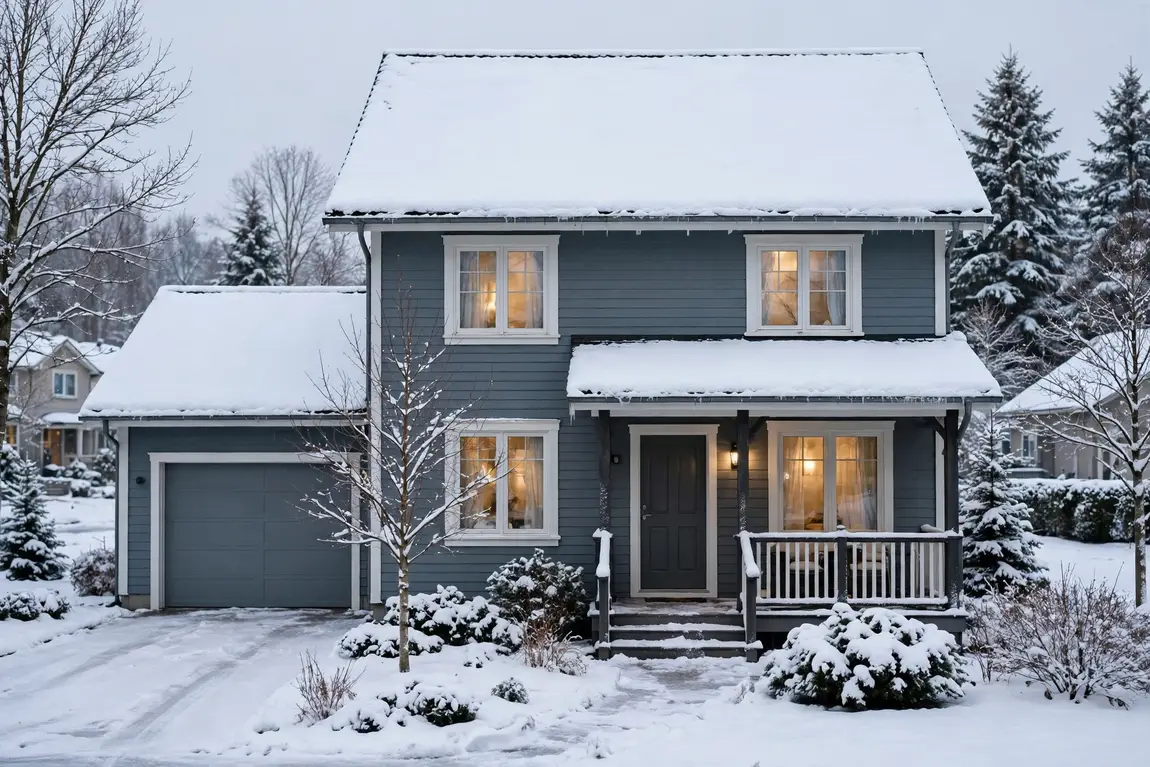
A mid-range blown-in project costing around $1,500 to $2,500 often pays for itself in roughly three to seven years through lower bills, then keeps saving for decades because insulation has no moving parts. Spray foam takes longer to pay back on energy savings alone, but can make sense where air leakage is severe. Comfort is the benefit you feel immediately: fewer drafts, more even temperatures, and less ice dam risk in snowy climates. Insulating the attic also fits into a wider seasonal routine, such as the steps in our guide on how to winterize your home.
Frequently Asked Questions
Can I add new insulation on top of old insulation?
Yes, in most cases, provided the old insulation is dry, free of mold, and not badly compressed. Adding a fresh layer on top is common and saves removal costs. If the existing material is wet or damaged, remove it first and fix the leak or pest problem before insulating again.
Is attic insulation a good DIY project?
Batts are the most realistic DIY option for a confident homeowner with a safe, accessible attic. Blown-in insulation is possible with a rented blower, but achieving even depth takes practice, and spray foam should be left to professionals. Wear proper protective gear and never step between the joists.
How long does attic insulation last?
Fiberglass and spray foam can last for decades if they stay dry. Cellulose also lasts a long time but may settle slightly, reducing its R-value a little. Check your attic every few years for leaks, pests, or compressed areas, and top up if depth has dropped.
Are there rebates or tax credits for attic insulation?
Programs change over time, but federal incentives, state programs, and utility rebates have all supported insulation upgrades in recent years. Check current eligibility before you buy, keep receipts and product documentation, and ask your installer which paperwork you will need.
Conclusion: Budget for the R-Value Your Home Needs
Start with your climate zone, set a target R-value, and then compare materials and quotes on that equal basis. For most homes, blown-in fiberglass or cellulose offers the best balance of price, performance, and payback, while batts suit patient DIYers and spray foam suits problem attics that leak air. Get two or three written quotes stating the material, settled depth, and final R-value, add air sealing if it is not included, and you will end up with a warmer, quieter, cheaper-to-run home.