

On Sunday, November 1, 2026, at 2:00 a.m., daylight saving time ends in the United States and the clocks fall back one hour. Your phone will handle itself. Your house will not. The fall-back weekend is the best built-in maintenance reminder of the year: the evenings turn dark an hour earlier, heating season is about to start in earnest, and you have been handed a bonus hour to spend on it. Here are the ten home tasks that belong on that weekend — most take minutes, all of them pay off before winter.
Last updated: October 21, 2026.
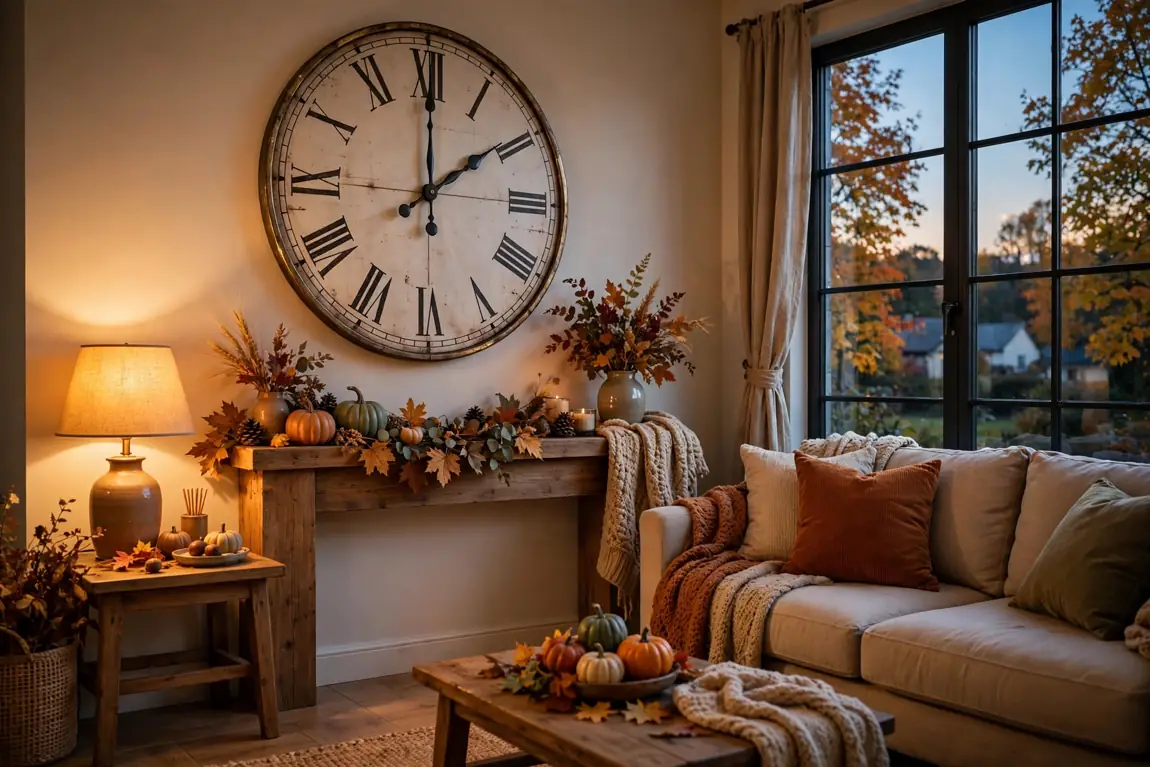
The Fall Back Checklist at a Glance
| # | Task | Time |
|---|---|---|
| 1 | Test smoke & CO alarms; replace batteries; check expiry dates | 15 min |
| 2 | Change the clocks that don’t change themselves (and timer devices) | 10 min |
| 3 | Replace the furnace filter; book the heating tune-up | 10 min |
| 4 | Reverse ceiling fans to clockwise (winter mode) | 5 min |
| 5 | Reset outdoor lighting timers for earlier darkness | 10 min |
| 6 | Flip or rotate mattresses; swap to winter bedding | 20 min |
| 7 | Check flashlights, candles and the emergency kit | 10 min |
| 8 | Clear gutters and downspouts of fall leaves | 1–2 hrs |
| 9 | Test outdoor steps, railings and walkway lighting | 15 min |
| 10 | Review the thermostat schedule for the heating season | 10 min |
1–2. Alarms First, Then the Clocks Themselves
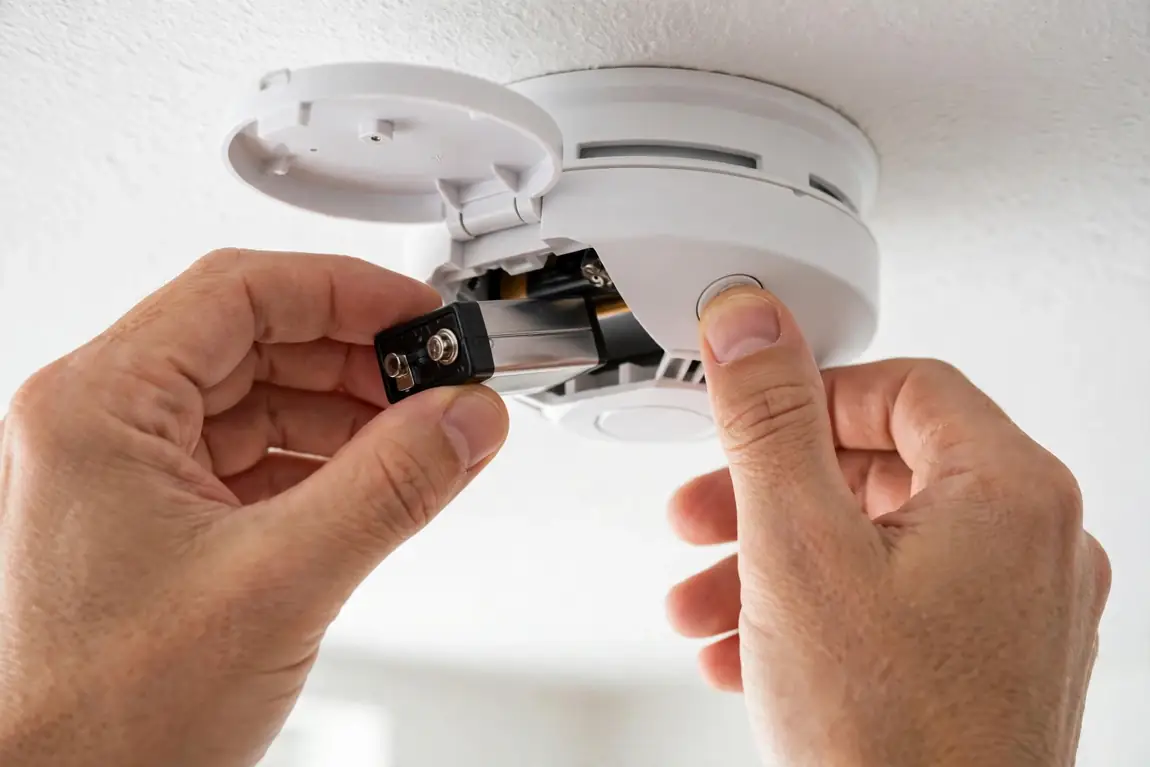
Fire services have tied this advice to the clock change for decades because it works: when you change your clocks, change your alarm batteries. Press the test button on every smoke and carbon-monoxide alarm, replace batteries whether they seem tired or not, and check the manufacture date printed on the back — smoke alarms expire after about ten years, CO alarms sooner. Then walk the house and fix the clocks that never fix themselves: oven, microwave, coffee maker, wall clocks, the car, sprinkler and pool timers, and any plug-in timers running lamps. It is a small parade, but it is the parade that stops you doing mental time-zone math in your own kitchen for a week.
3–4. Heating Season Starts Now
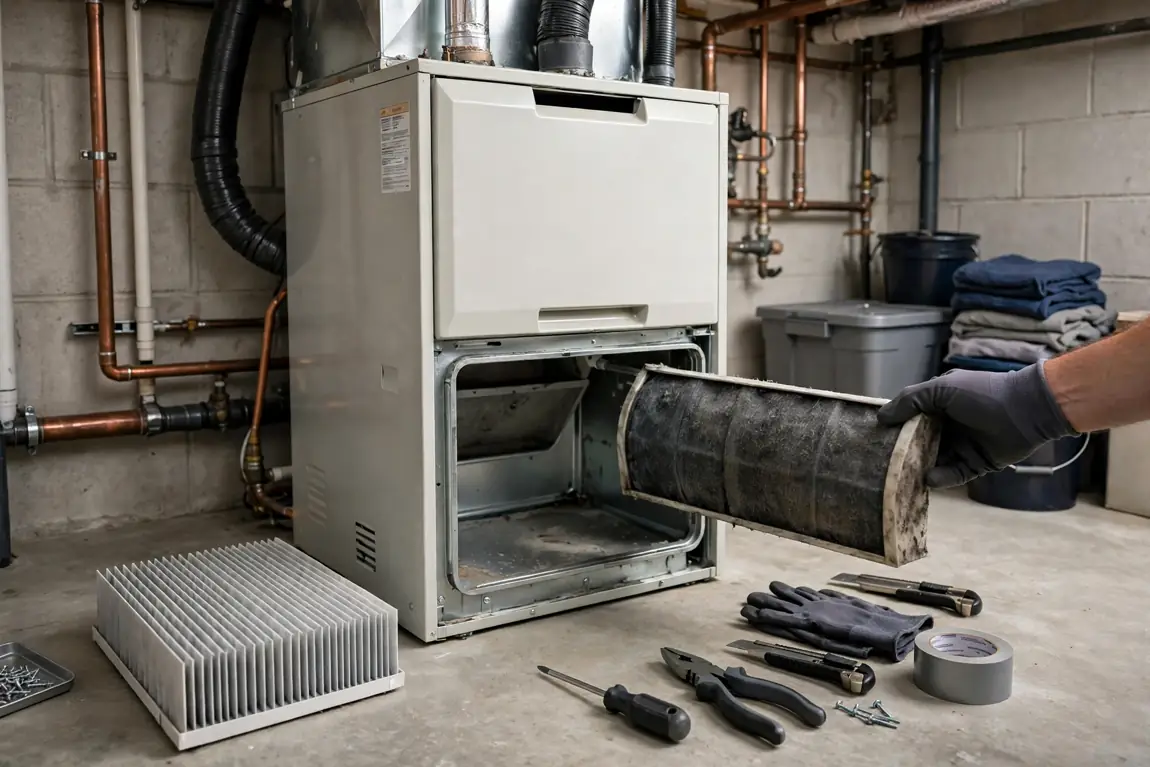
Slip a fresh filter into the furnace — a clogged one is the cheapest cause of weak heat and high bills — and if the system has not had a professional tune-up this year, book it now, before the first cold snap fills every HVAC diary in town. While you are thinking about warm air: find the reverse switch on each ceiling fan and set the blades to run clockwise on low. In winter mode the fan pushes the warm air pooled at the ceiling back down the walls without a draft — free degrees, all season. These two tasks are the opening moves of the full cold-weather routine in our guide to how to winterize your home; fall-back weekend is when that bigger checklist should start.
5 & 9. Darkness Arrives Before Dinner
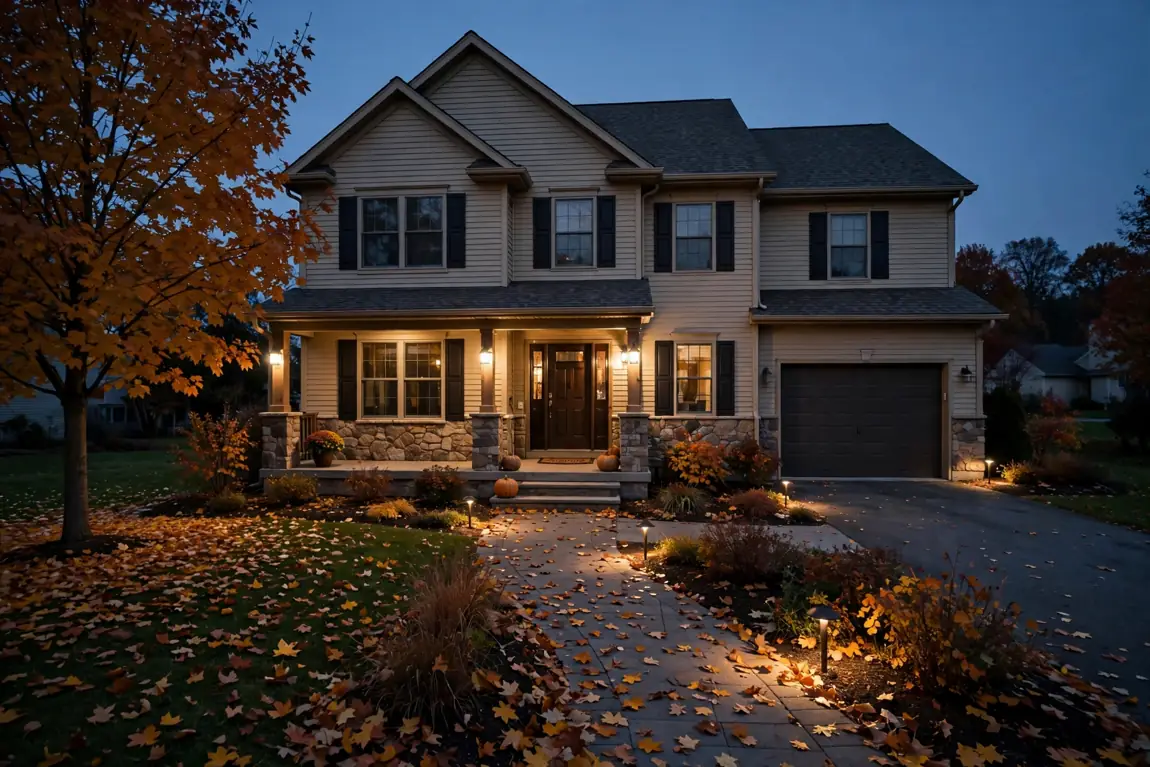
From November 1, sunset lands in the late afternoon across most of the country. Reset every outdoor lighting timer and smart plug to the new reality, replace the dead porch bulb you have been ignoring since July, and walk your own front path at dusk the way a guest or a delivery driver will: can you see the steps, the railing, the house number? Earlier darkness is also the season’s honest security argument — lights on timers, a lit entry and cameras that earn their keep are the basics covered in our guide to security cameras for your home. And set the lamp timers inside, too: a house that lights up at 5 p.m. looks lived in, which is the point.
6–8 & 10. The Quiet Jobs Winter Will Thank You For
Flip or rotate the mattresses (most modern foam mattresses rotate head-to-foot rather than flip — check the label) and swap in the winter duvet while the clocks are on your mind. Restock the emergency drawer: working flashlights with fresh batteries, matches and candles, and the phone numbers you would want in a power cut. Give the gutters their fall clear-out — the leaf load peaks right about now, and clogged gutters in November become ice dams in January. Finally, reprogram the thermostat schedule for heating season: cooler overnight, warm before the alarm, setback while the house is empty. Ten minutes here is exactly the kind of change our ways to save energy at home are built on — small, scheduled, and done once.
Frequently Asked Questions
When do the clocks go back in 2026?
Daylight saving time ends on Sunday, November 1, 2026, at 2:00 a.m. local time in the United States. Clocks are set back one hour — so 2:00 a.m. becomes 1:00 a.m., and you gain an hour of sleep.
Why change smoke alarm batteries when the clocks change?
Because it is a reminder nobody forgets. Tying battery replacement to the twice-yearly clock change guarantees alarms get fresh batteries at least in the fall, and the same visit is the moment to test each alarm and check its expiry date — smoke alarms should be replaced after about ten years.
Which way should ceiling fans turn in winter?
Clockwise, on the lowest speed. That direction pulls cool air up and pushes the warm air collected at the ceiling gently down the walls, evening out the room’s temperature without creating a breeze. In summer, switch back to counterclockwise.
What else should I do before winter really starts?
The fall-back list is the warm-up. The full pre-freeze routine — sealing drafts, insulating pipes, servicing the chimney and preparing the yard — is in our complete guide to winterizing your home, and November is the month to work through it before the first hard freeze arrives.
Conclusion: Spend the Extra Hour on the House
Everyone gets the same bonus hour on November 1. Sleep is a fine use of it — but the alarms, the furnace filter, the fan switches and the lighting timers take barely two hours between them and quietly protect the whole winter. Do the checklist on fall-back weekend, start the bigger winterizing list behind it, and let the season change on a house that is ready for it.