

When did you last think about what is happening inside your chimney? Not the firebox you can see — the hidden flue above it. If that inner lining is cracked, flaking, or missing entirely, every fire you light can push heat, sparks, and carbon monoxide toward wood framing and into your living space.
Most homeowners only start asking about chimney liner cost after a sweep hands them a bad inspection report. That is the wrong order. Understand what the liner does first, learn the warning signs second, and the prices in this guide will make far more sense.
What Does a Chimney Liner Actually Do?
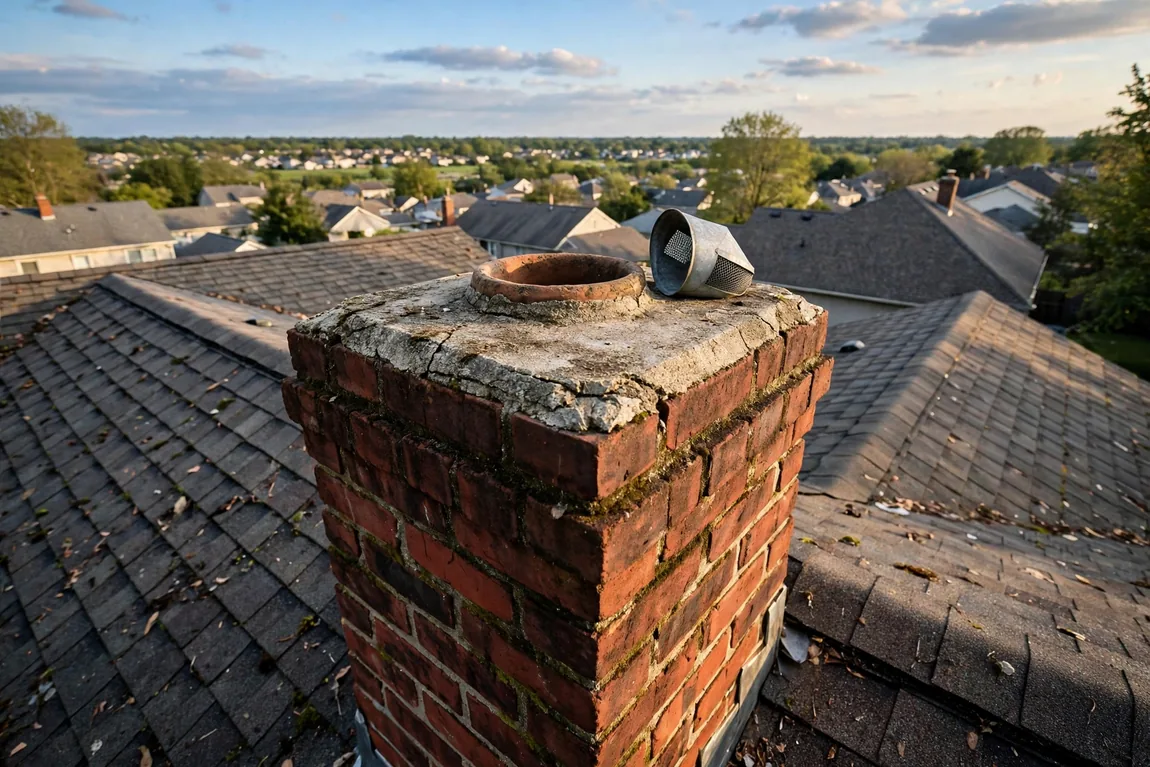
A chimney liner is a protective tube — clay, metal, or a cast cement-like material — that runs the full height of your flue. Building codes have required one for decades, yet many older homes still have worn clay tiles or, in the worst cases, no liner at all.
Think of the liner as doing three jobs at once:
- Heat shield: It keeps fire-level temperatures away from nearby wood framing. In an unlined chimney, heat can travel through masonry fast enough to ignite framing during one long, hot fire.
- Gas seal: It gives smoke and carbon monoxide one smooth path out of the house instead of letting them leak through cracks in the mortar.
- Masonry bodyguard: It shields brick and mortar from acidic flue gases and moisture — the protection that lets a chimney last decades instead of crumbling from the inside.
Quick check: if your home was built before the 1940s, there is a real chance the chimney was never lined. Ask about it at your next inspection. Do not assume it is there.
A liner also has to be the right size. Too small, and the appliance cannot draft properly — smoke spills into the room and creosote builds faster. Too large, and the exhaust cools before it exits, coating the flue and corroding mortar. Correct sizing is calculated from the appliance, not guessed from the old tiles.
Signs Your Chimney Liner Is Failing
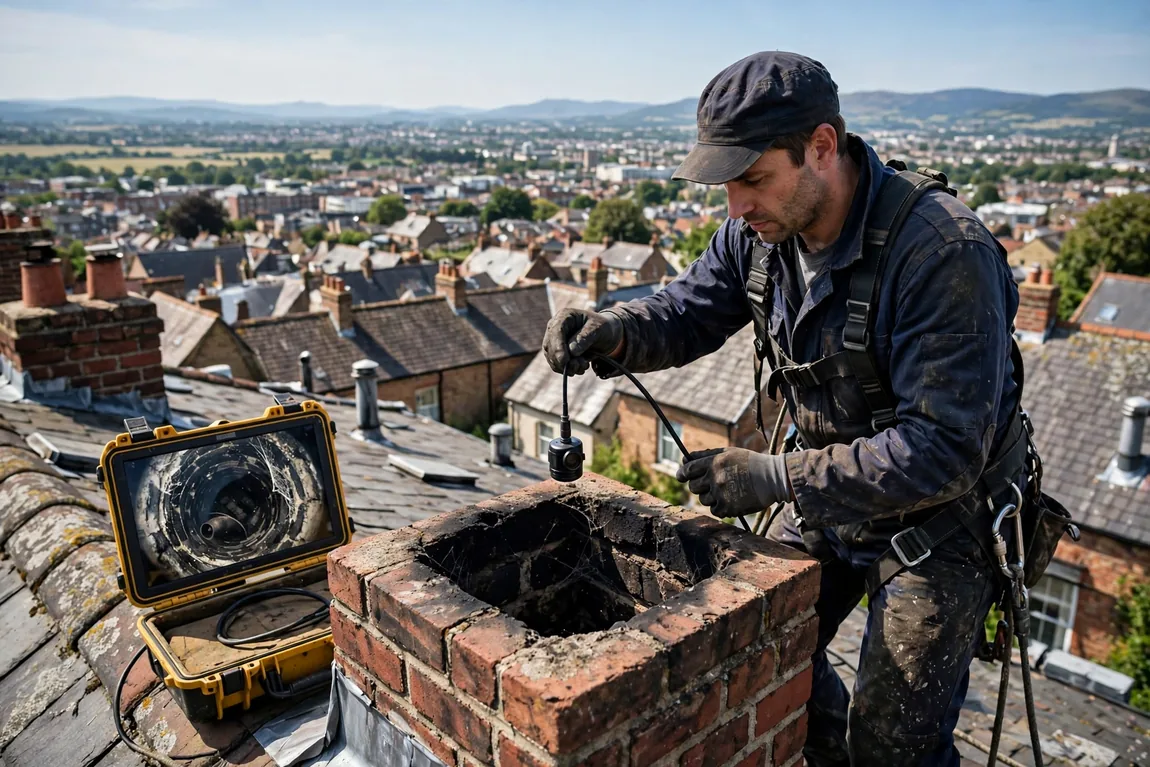
Liners rarely fail overnight. They wear out slowly, and the chimney usually tells you — if you know what to look for. Watch for these warning signs:
- Clay shards or tile flakes in the firebox — pieces of a clay liner that has cracked and started to shed.
- Smoke rolling back into the room, or a fireplace that suddenly drafts poorly.
- A strong, sour creosote smell in summer, even when the fireplace has not been used for months.
- White staining or crumbling mortar on the outside brickwork — moisture is getting where it should not.
- A new high-efficiency furnace or water heater vented into an old, oversized flue. Modern exhaust is cooler and wetter, and it eats old liners from the inside.
What should you do if you spot one? Stop using the fireplace until it is checked. The only reliable way to judge a liner is a Level 2 inspection, where a sweep runs a camera the full length of the flue and records its condition. That camera work usually happens alongside a proper cleaning, and our guide to what a chimney sweep costs explains what that visit should include.
One caution: a cracked liner does not always mean a full replacement. It means you need the full picture — literally, on camera — before anyone quotes you a number.
Chimney Liner Cost by Type: What You Will Actually Pay in 2026
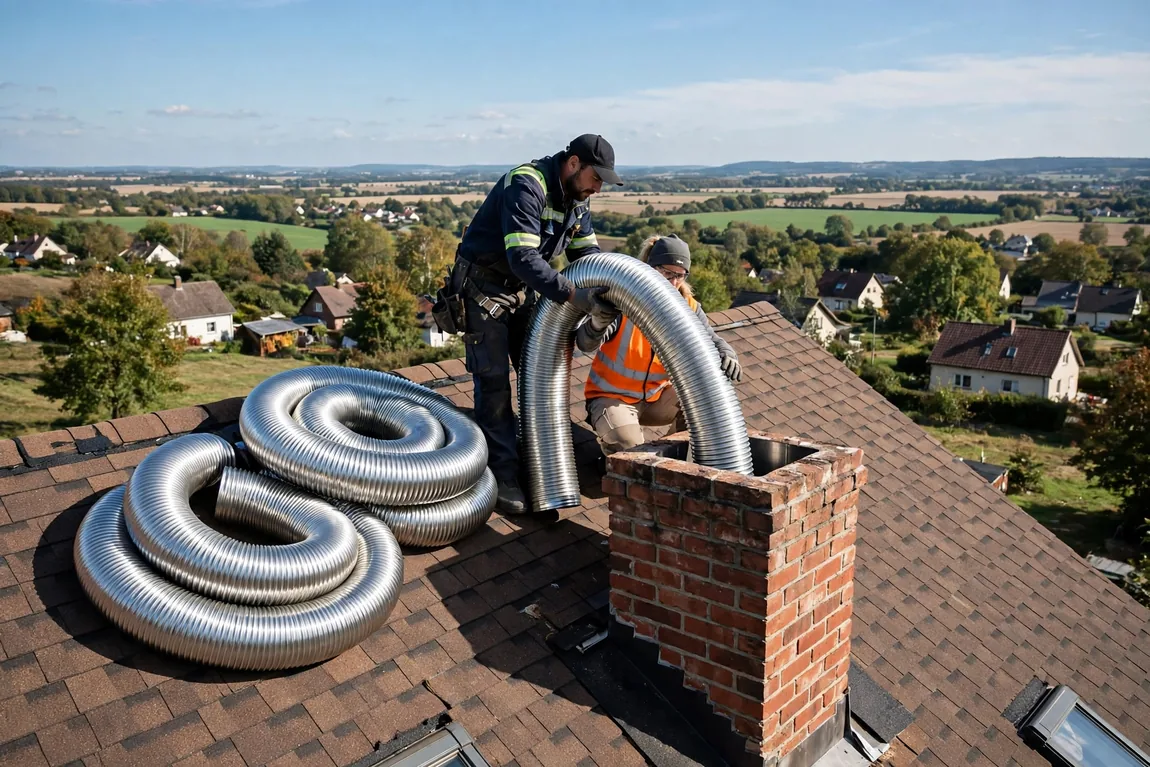
The chimney liner cost you end up paying depends mostly on one decision: the material. According to Angi’s latest installation figures, a professionally installed liner averages about $2,500, and most homeowners pay between $1,500 and $5,000. Here is how the three main types compare.
| Liner type | Material per foot | Typical installed cost | Expected lifespan |
|---|---|---|---|
| Stainless steel | $20–$90 | $900–$3,800 | 15–25 years |
| Clay tile | $6–$15 | $2,000–$3,500 | Up to 50 years |
| Cast-in-place | $40–$120 | $2,000–$7,000 | 50+ years |
Why is stainless steel the default recommendation? It handles wood, gas, and oil appliances, flexes around bends, and goes in without opening the chimney — which is why it anchors the low end of most quotes. Clay tile is cheap as a material but expensive to retrofit, because installers often have to break out the old tiles first. Cast-in-place costs the most, but it also reinforces the chimney itself.
Fuel matters, too. If you are switching appliances — say, adding a gas unit — the liner must be sized and rated for the new fuel. Our breakdown of gas fireplace installation costs shows where liner work fits into that bigger project.
Use the table as a starting point, not a quote. Your actual chimney liner cost moves with the factors in the next section.
What Else Drives the Final Bill?
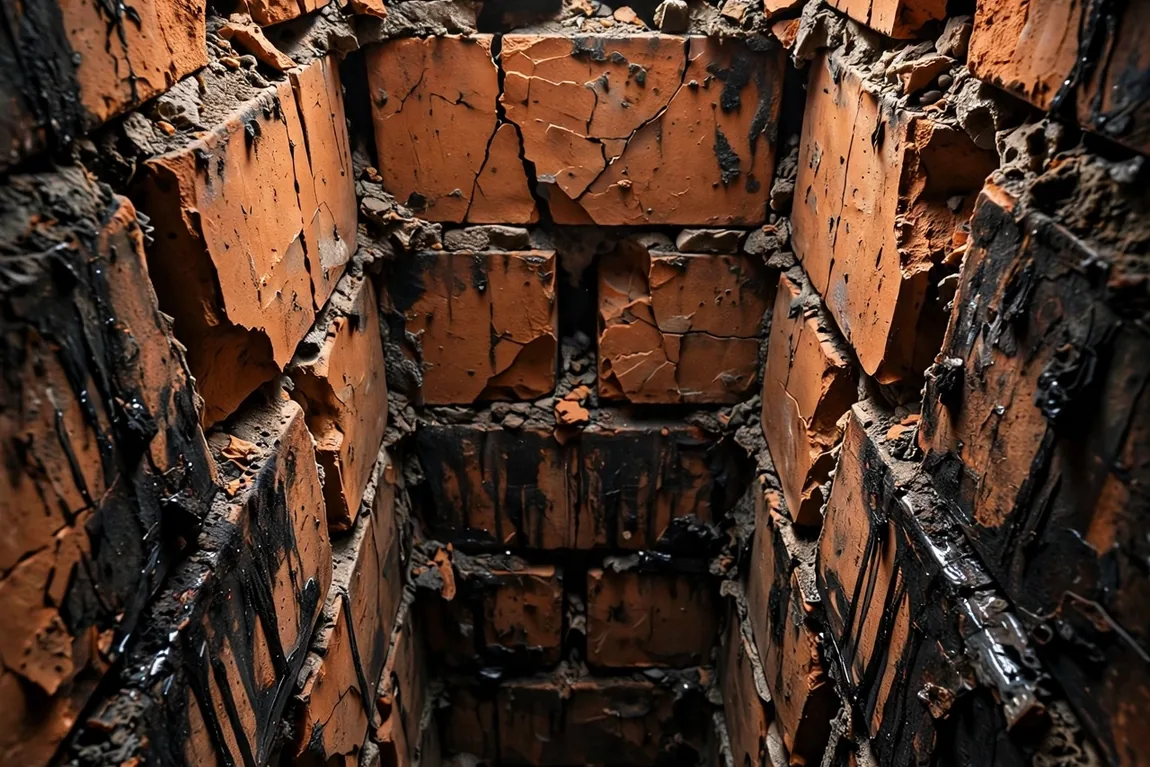
Several line items can move your chimney liner cost up or down before the liner itself is even chosen. Two neighbors can pay very different amounts for the same product — these are the reasons why:
- Old liner removal: Pulling a worn steel liner adds about $250–$800. Breaking out damaged clay tiles runs $500–$2,500.
- Insulation: A wrap or poured insulation around a steel liner adds roughly $8–$15 per foot, and it is not optional on many exterior chimneys.
- Height and access: A tall, steep, or hard-to-reach chimney raises labor quickly. A straightforward install takes about 4–8 hours.
- Inspection and cleaning first: Budget around $450 for the Level 2 inspection and $255 for the pre-install sweep, based on Angi’s figures.
- Permits: Many areas require one for a reline, usually $100–$150.
None of these are padding. Removal, insulation, and inspection are exactly the steps that separate a liner that passes inspection from one that fails it in five years.
One more habit worth copying: ask every bidder the same question — does this quote include removal, insulation, and the final inspection? Comparing quotes that leave different items out is how homeowners end up paying twice.
Repair or Replace? How to Decide
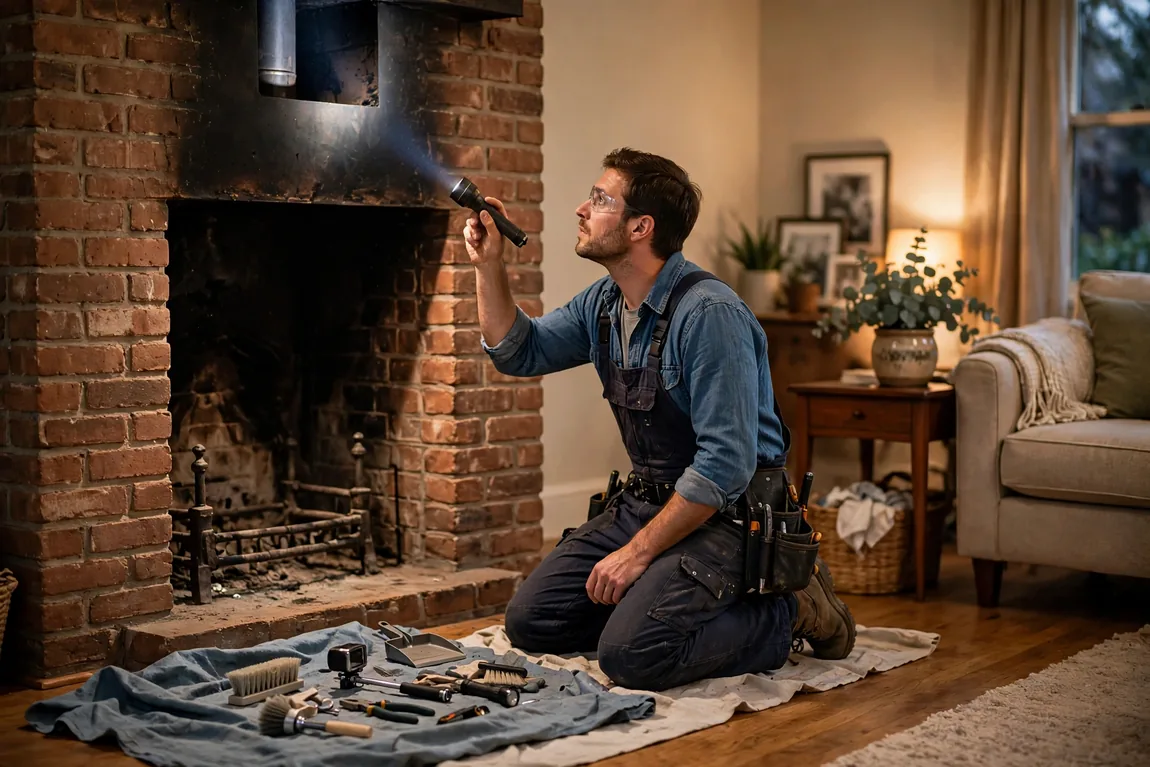
Not every damaged liner needs to come out. Work through these three questions first:
Is the damage in one spot, or everywhere? A few cracked tiles or one failed mortar joint can sometimes be repaired or resurfaced. A resurfacing system can also buy time on a clay liner whose tiles are cracked but whose structure is still sound. Damage running the full height of the flue is different — that liner is done.
What does the rest of the chimney look like? If the crown, flashing, or brickwork also needs work, compare the combined quote with our guide to chimney repair costs before you commit. Bundling masonry work into one visit is usually cheaper than two separate calls.
Are you changing appliances soon? A new furnace, water heater, or stove insert changes the size and type of liner you need. Relining twice because the appliance changed is the most expensive outcome of all.
The rule of thumb most sweeps use: if a repair runs more than about a third of a full reline and the liner is already past mid-life, replacement is the better money. Weigh any repair quote against the full chimney liner cost before you decide — and get the camera inspection either way, because deciding without it is guessing.
Frequently Asked Questions
What is the average chimney liner cost in 2026?
About $2,500 for a professionally installed liner, according to Angi’s 2026 data. Most homeowners land between $1,500 and $5,000. Stainless steel relines start near $900, while cast-in-place work can reach $7,000 on large or difficult chimneys.
Can I install a chimney liner myself?
Kits exist for roughly $300–$800, but this is one job where the DIY savings are risky. The liner must be correctly sized, insulated where required, and sealed at both ends — and a mistake stays invisible until it matters. Many manufacturers also tie the warranty to professional installation.
How long does a chimney liner last?
Stainless steel typically lasts 15–25 years. Clay tile and cast-in-place liners can reach 50 years. Annual inspections and regular sweeping are what get a liner to the top of its range.
Does homeowners insurance cover a new liner?
Usually not when the cause is wear and age — that counts as maintenance. If the damage came from a covered event, such as a chimney fire or a lightning strike, replacement may be covered. Check your policy before the work starts, not after.
Is it safe to use a fireplace with a cracked liner?
No. A crack is a path for heat and carbon monoxide to reach framing and living space. Stop using the fireplace until a sweep has inspected the flue and confirmed its condition.
A liner is the part of your chimney you never see, doing the one job you cannot afford to skip. Get it looked at, get the real number for your chimney, and burn with confidence.