

A gas fireplace gives you a real flame without storing wood or cleaning ash, but the installed price depends heavily on venting and gas work. Understanding gas fireplace installation cost means separating the unit price from the gas line, venting, labor, permits, and finish work that complete the job.
This guide uses 2026 cost data published by Angi. It compares a new direct-vent fireplace, a ventless unit, and an insert fitted into an existing fireplace, so you can match the option to the room and budget you actually have.
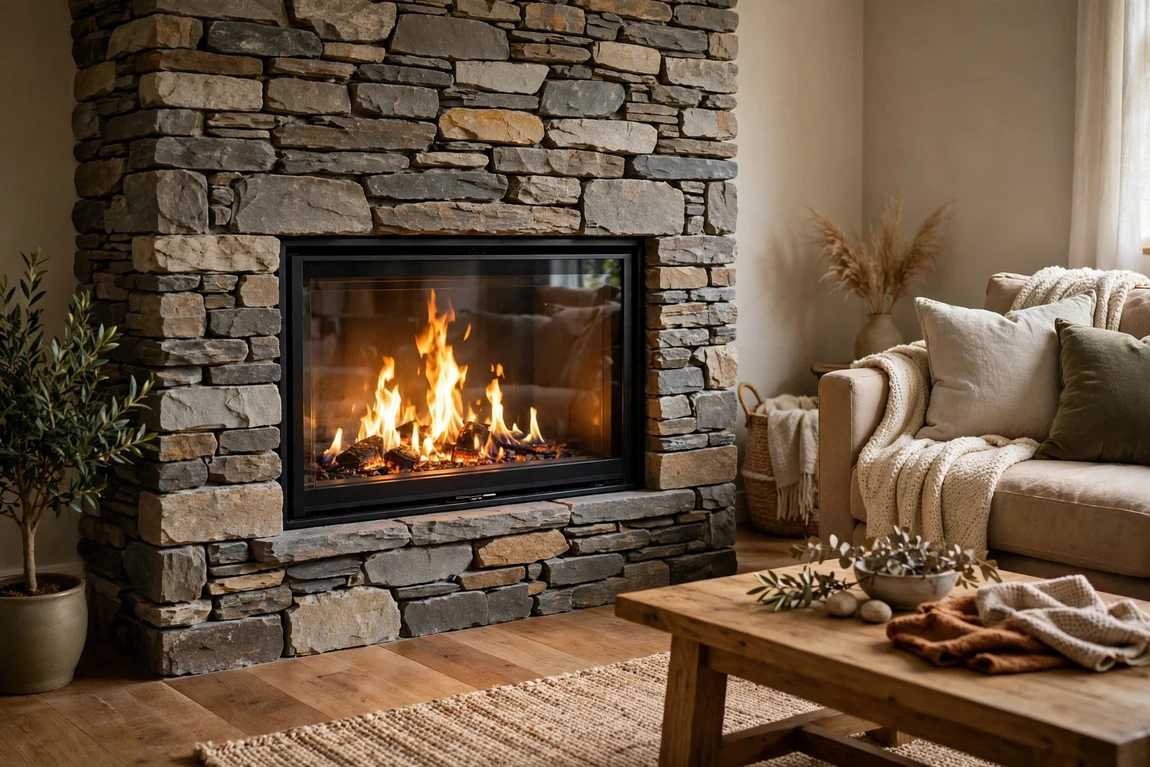
Gas Fireplace Installation Cost at a Glance
Angi puts gas fireplaces at $2,500 to $10,000 installed, depending on the complexity of the gas line work, in its Angi fireplace installation cost guide. That wide range is the honest starting point for a new built-in unit.
An insert is usually cheaper because the fireplace and chimney already exist. Angi’s general fireplace data puts a fireplace insert at $1,000 to $3,600, while its dedicated gas insert guide gives a higher, gas-specific range, covered in the insert section below.
For most homeowners, total gas fireplace installation cost is driven by three questions. Is there already a fireplace? Is there a gas line near the room? And does the unit need a new vent through a wall or roof? Each yes or no moves the quote by hundreds or thousands of dollars.
That itemized view is the clearest way to judge gas fireplace installation cost before work begins.
Get quotes on the same basis. Ask each installer to itemize the unit, gas line, venting, labor, permits, and surround work separately. A single lump sum makes it impossible to tell whether a lower quote is efficient or simply missing part of the job.
Direct-Vent Fireplaces: Cost and Best Uses
A direct-vent fireplace draws combustion air from outdoors and sends exhaust back outside through a sealed vent. It can vent through an exterior wall or through the roof, which makes it flexible for a new installation in many living rooms and additions.
For gas inserts, Angi puts direct-vent models at $4,300 to $11,200 in 2026, compared with lower ventless figures, in its Angi gas fireplace insert cost guide. A new built-in direct-vent unit will also sit inside the broader $2,500 to $10,000 gas range, with complex venting and finishes pushing it higher.
Direct-vent is often the best choice where you want strong heat, a sealed system, and flexible placement. The glass front keeps room air separate from combustion, and the vent route can be shorter than building or rebuilding a full masonry chimney.
Budget for finish work as well as the firebox. Angi notes that surround materials can drive the total: simple tile or brick surrounds start around $1,000 to $1,500 or more, while premium marble or stone work can exceed $5,000 before the mantel and hearth are counted.
Ventless Fireplaces: Lower Cost, More Limits
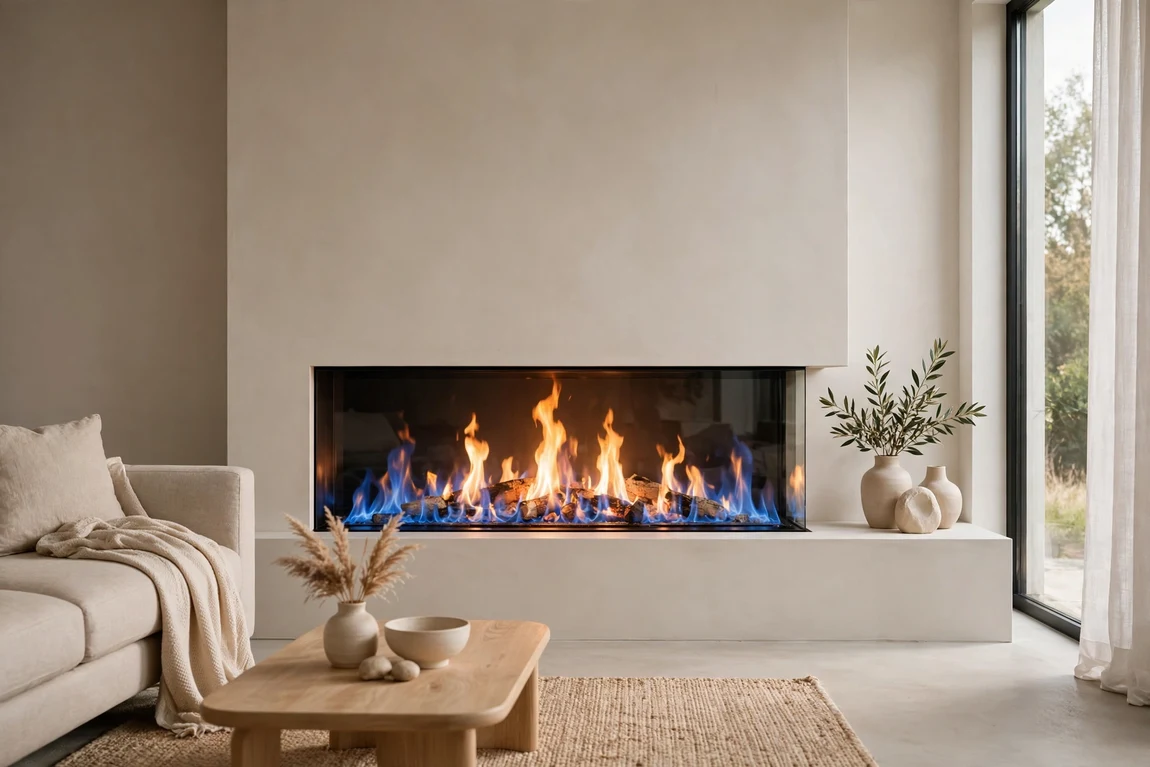
A ventless, or vent-free, fireplace needs no chimney or exterior vent, so installation is simpler. Angi puts ventless gas inserts at $1,500 to $4,600 in 2026. In its conversion data, a ventless gas fireplace averages around $1,500, compared with about $5,000 for a vented conversion.
That saving comes with restrictions. Ventless units release combustion moisture into the room, have output limits, and are not allowed everywhere. Angi notes that ventless gas fireplaces are banned in some places, including California. Always confirm local code before you buy the unit.
Room size and ventilation matter. A ventless model must be sized for the space and installed exactly to its listing and local rules. If anyone in the home is sensitive to indoor moisture or combustion byproducts, discuss a direct-vent alternative with the installer before deciding.
Ventless can make sense for supplemental heat in a suitable room where a vent run is impractical. It is less suitable as the default answer for every house, and the lower quote should not override code, health, or manufacturer limits.
Gas Inserts Into an Existing Fireplace
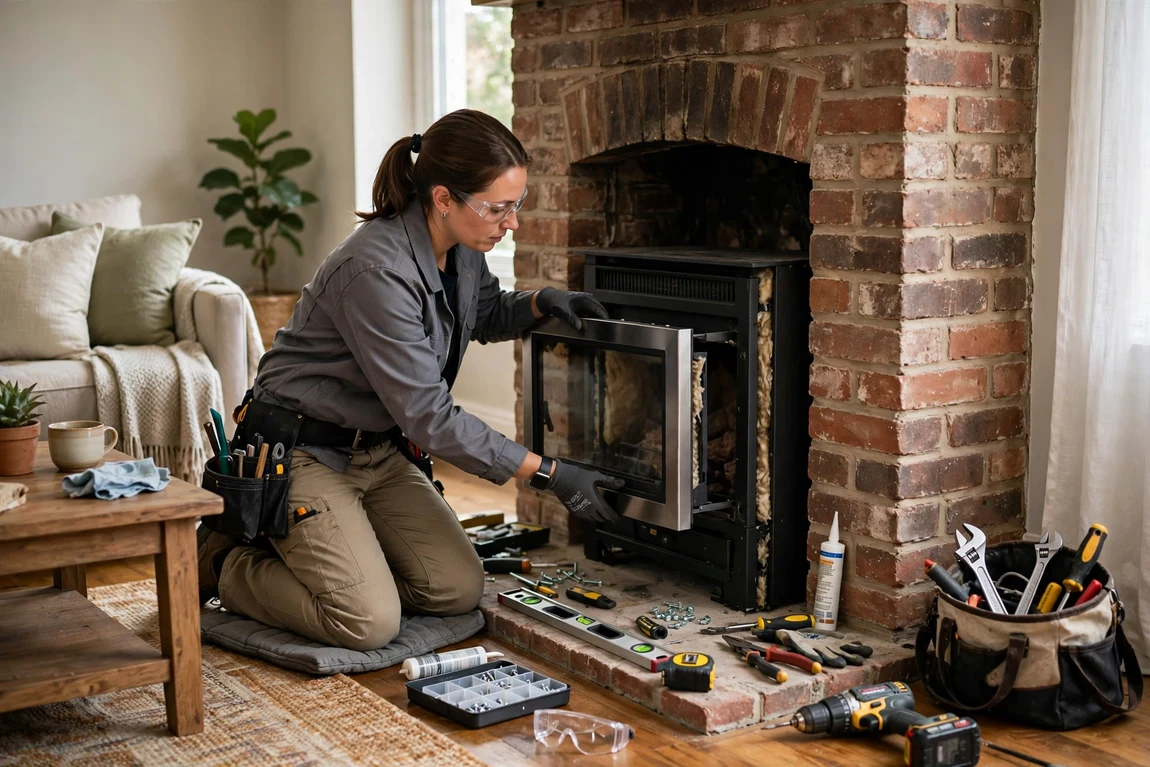
An insert slides into an existing wood-burning fireplace and uses the chimney structure, usually with a liner system. Angi says a gas fireplace insert installation runs $2,300 to $8,000 in 2026, averaging $3,700, depending on the insert and setup.
Labor for a straightforward insert project runs $500 to $1,500, according to Angi. If the project needs new venting or chimney work, Angi advises budgeting an additional $1,000 to $6,000 on top of that base labor figure, which is why an inspection of the existing chimney matters before quoting.
Prep work can add up. Angi lists chimney cleaning at $100 to $150, chimney repair at $160 to $750, and a chimney rebuild at $1,000 to $5,000 where one is needed. Our guide to chimney sweep cost helps you judge the cleaning and inspection part of that list.
An insert is often the best value when the firebox and chimney are sound. You keep the look and location of the existing fireplace, gain a sealed and controllable gas flame, and avoid the cost of framing a completely new fireplace into the room.
The Gas Line and Other Costs That Move the Quote
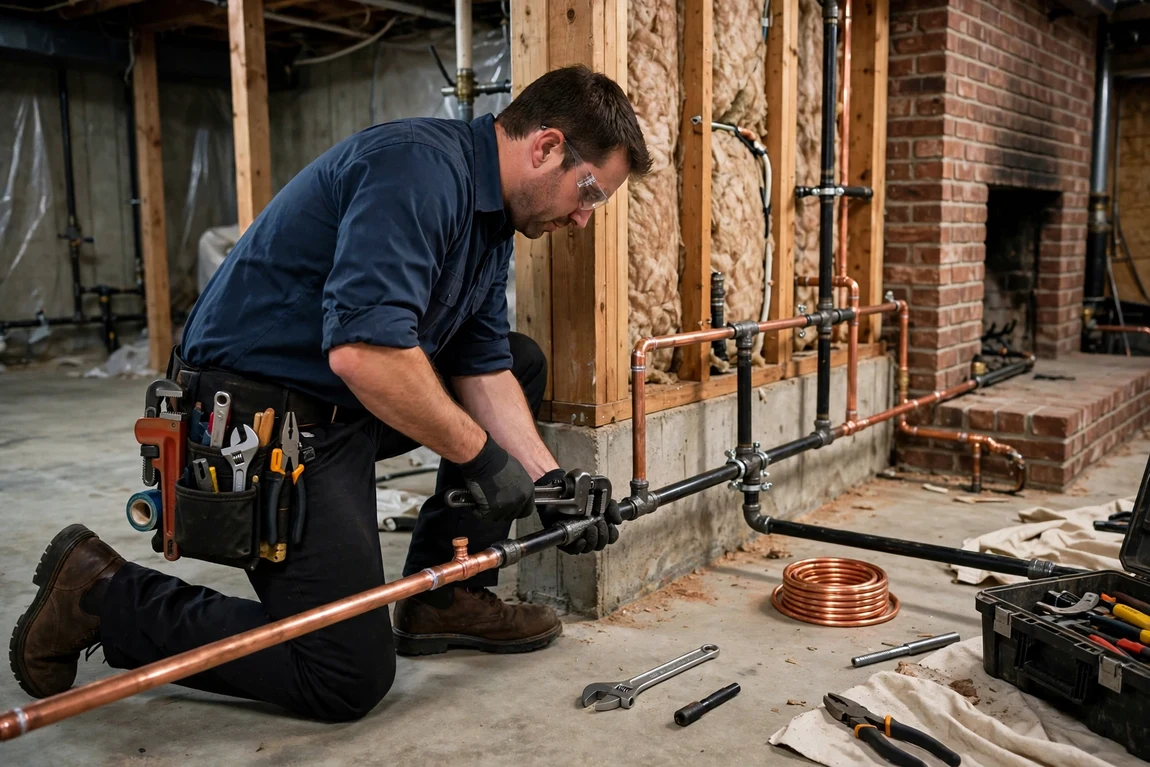
A new gas line is the swing factor on many projects. Angi lists a new gas line for an insert project at $200 to $1,000. Its conversion guide gives the same $200 to $1,000 range and notes material at about $15 to $25 per linear foot, in addition to labor, with the work done by a licensed professional.
Permits and wiring add smaller amounts. Angi puts permits for a gas insert at about $100 to $400. Wiring for a typical fireplace project runs $150 to $200, whether for an electric unit or a gas insert that needs power for a blower, ignition, or controls.
Vent work is priced by the route. Angi puts a ventilation system at $10 to $20 per linear foot for fireplace installation in general. A short through-wall direct vent is very different from a tall vertical run, and roof work, flashing, and access can all change the labor involved.
Running costs continue after installation. Angi’s insert guide puts fuel at about $400 to $640 per heating season on average, an annual professional inspection at $75 to $200, and occasional repairs at $200 to $1,000. Include those figures when you compare gas with wood or electric options.
DIY vs. Hiring a Licensed Installer
Gas work is not a suitable DIY job. The gas connection, leak testing, venting, and code compliance need a licensed installer or gas plumber. Angi makes the same point: the gas line connection should always be left to a licensed professional, even if a handy homeowner tackles surround work.
You can still save money safely around the edges. Clear the work area, choose a simpler surround, and handle non-gas prep only if the installer agrees in advance. Do not open gas piping, cap lines, or test connections yourself to reduce the bill.
Ask the right questions before signing. Confirm who pulls the permit, who inspects the chimney, whether a liner is included, how the vent will exit, and what warranty covers both the unit and the installation labor. Put the answers in writing on the quote.
If the existing fireplace has cracks, smoke problems, or water damage, fix the cause first. Our guide on how to fix common chimney problems explains the issues an installer may flag, and delaying an insert until the chimney is sound is cheaper than removing it later.
Frequently Asked Questions
What is the average cost to install a gas fireplace?
Angi puts a gas fireplace at $2,500 to $10,000 installed. The average gas fireplace installation cost for an insert is lower, at $3,700, because the existing fireplace and chimney do much of the structural work.
How much does it cost to run a gas line to a fireplace?
Angi lists a new gas line at $200 to $1,000 for these projects, with material around $15 to $25 per linear foot plus labor. A short run from a nearby line sits at the low end; a long run through finished spaces costs more.
Is a ventless gas fireplace cheaper than direct-vent?
Usually yes. Angi puts ventless inserts at $1,500 to $4,600 and direct-vent inserts at $4,300 to $11,200. Ventless units are not allowed in every jurisdiction, though, so the cheaper option is only available if your local code and the room itself allow it.
Can I convert a wood fireplace to gas?
Yes, in many cases, with an insert or gas logs, a gas line, and chimney work where needed. Angi puts a typical conversion at an average of $3,000, with most projects between $500 and $5,500 and complex projects reaching higher, which is why the final gas fireplace installation cost depends on inspection results.
How long does installation usually take?
Angi notes that fireplace installations typically take one to three days. An insert into a sound fireplace sits at the faster end, while a new built-in unit with a gas line, vent run, and stone surround can take longer if inspections or masonry work are involved.