

An ice dam looks harmless from the street, but the water it traps can work under your shingles and into ceilings and walls. Knowing the likely ice dam removal cost helps you act before a stain becomes a renovation. Most homeowners pay between $600 and $1,800 for professional removal, with a national average of about $1,200, according to Fixr.
This guide explains how removal is priced by the hour and by method, why low-pressure steam is the professional standard, and what prevention options such as heat cables and attic insulation actually cost. It also covers the damage repairs that can follow a bad dam.
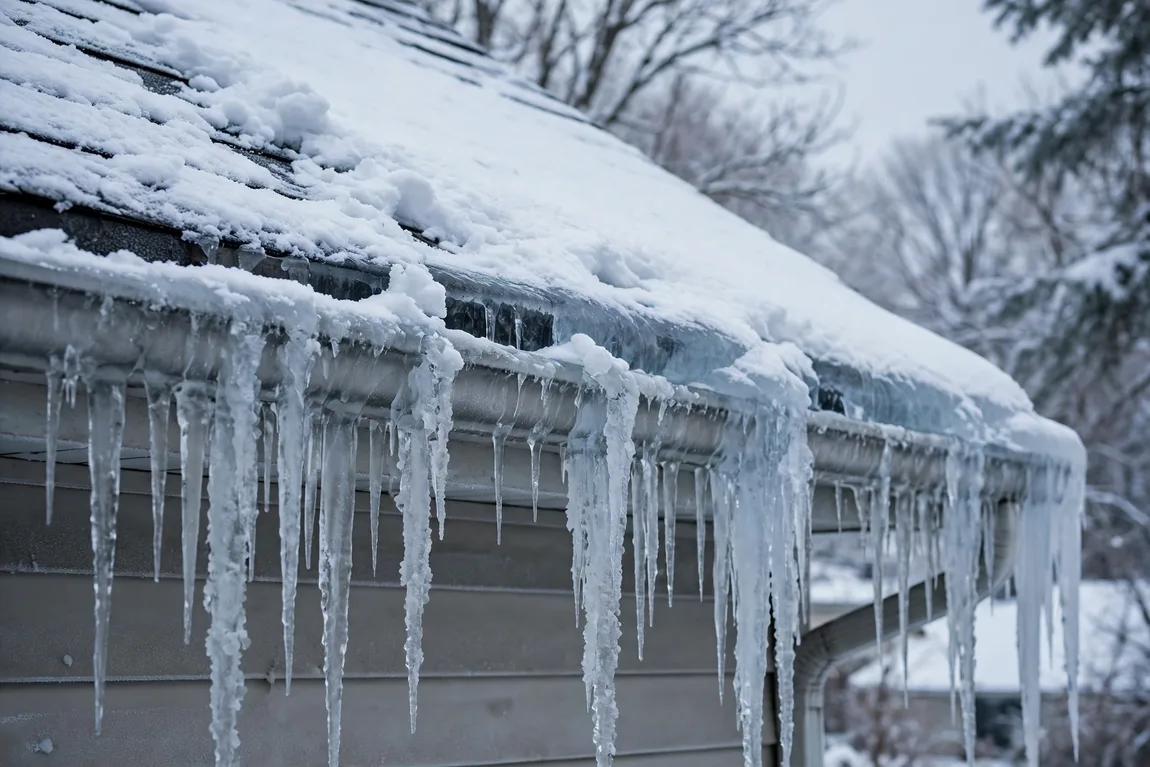
How Ice Dams Form and Why Removal Is Urgent
Ice dams start with heat escaping from your living space into the attic. That heat warms the roof deck, melts snow higher on the roof, and the meltwater runs down to the cold eave, where it freezes again. Over days of freeze and thaw, the ridge of ice grows.
Once the dam is tall enough, meltwater pools behind it. That standing water can back up under shingles, soak insulation, stain ceilings, and feed mold. Fixr notes that dams can also tear up gutters and downspouts and drop heavy icicles where people walk.
The warning signs are easy to spot. Look for thick ice at the roof edge, large icicles behind the gutters, ice or water on siding and window frames, and any ceiling stain that appears during a thaw. Even an inch of ice at the eave can cause trouble.
Speed matters because the damage bill grows separately from the removal bill. Fixr puts ice dam damage repairs at $300 to $1,500 for typical jobs such as shingle and gutter repairs, and severe cases involving interior water damage cost far more.
Ice Dam Removal Cost by Method
Professionals price removal by the hour, and most charge a two-hour minimum. Low-pressure steam is the recommended method at $400 to $600 per hour, and it clears an average roof in two to three hours. That puts a typical steam job at roughly $800 to $1,800.
High-pressure hot water runs $200 to $400 per hour and takes two to five hours, but the pressure can strip granules from shingles and force water under them. Chipping with hammers and chisels runs $200 to $300 per hour over four to six hours, and it carries the highest risk of breaking the roofing itself.
Calcium chloride and roof melt tablets are the budget options at $100 to $150 per hour. They melt channels through the ice slowly rather than removing it, so they suit small dams and buying time before a crew arrives. Never let a contractor use rock salt, which can damage roofing.
Before removal starts, crews usually rake snow off the roof above the dam. Fixr prices that snow removal at $250 to $500, and it is typically included in the removal quote. Confirm it is included in yours, as detailed in the Fixr ice dam removal pricing guide.
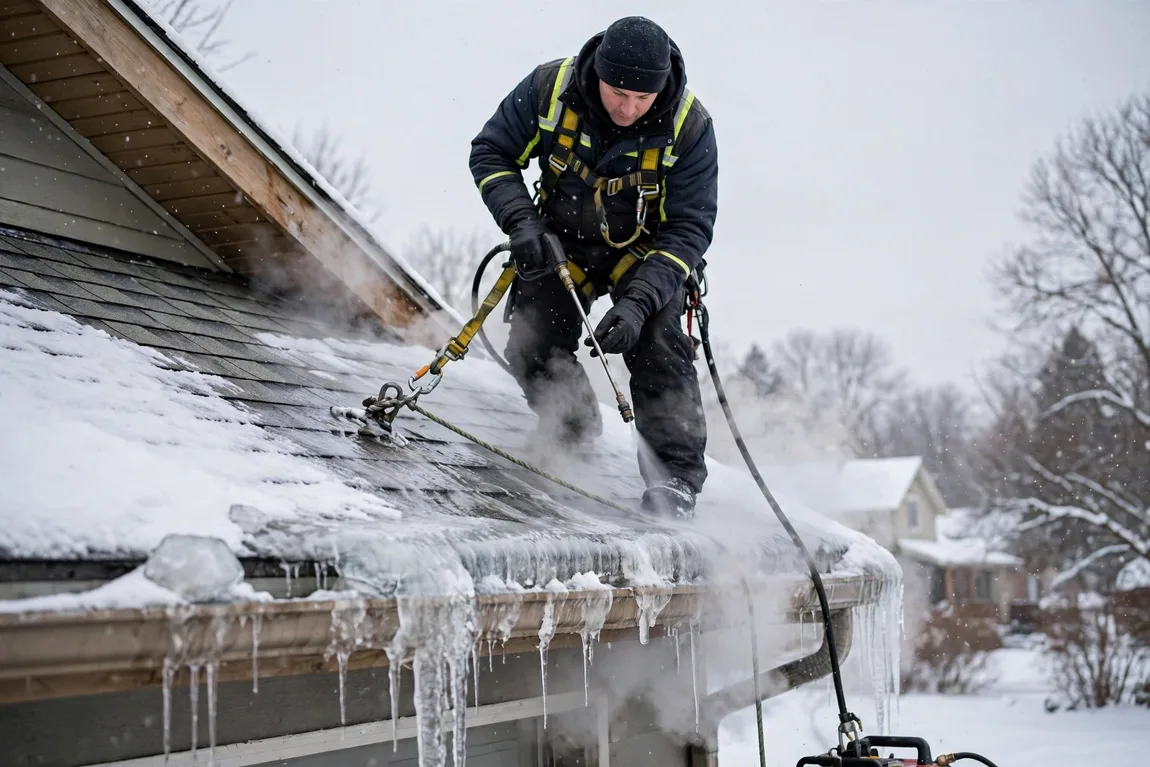
What Affects the Final Price
Roof size and ice thickness set the hours. A small single-story home under 1,000 square feet can come in near $400 for two hours of work. A two-story home around 1,500 square feet averages about $1,200, and large or complex roofs with several valleys can reach $4,000 once prevention work is added.
Pitch and access matter as much as size. Steep roofs slow the crew and demand more safety equipment. Delicate surfaces such as slate and tile need extra care, which adds time, and deep cold slows every method.
How much of the roof is affected also counts. One problem eave over a heated bathroom is a short job. Dams along both eaves plus a valley, after three weeks of freeze and thaw, can take most of a day. Ask the contractor to estimate hours per section, not just a single total.
Urgency plays a role too. A crew booked during an active leak, in the middle of a regional thaw, is doing emergency work. The same job scheduled when you first spot a small dam, before water comes in, is usually calmer and cheaper.
Prevention: Heat Cables, Insulation, and Ventilation
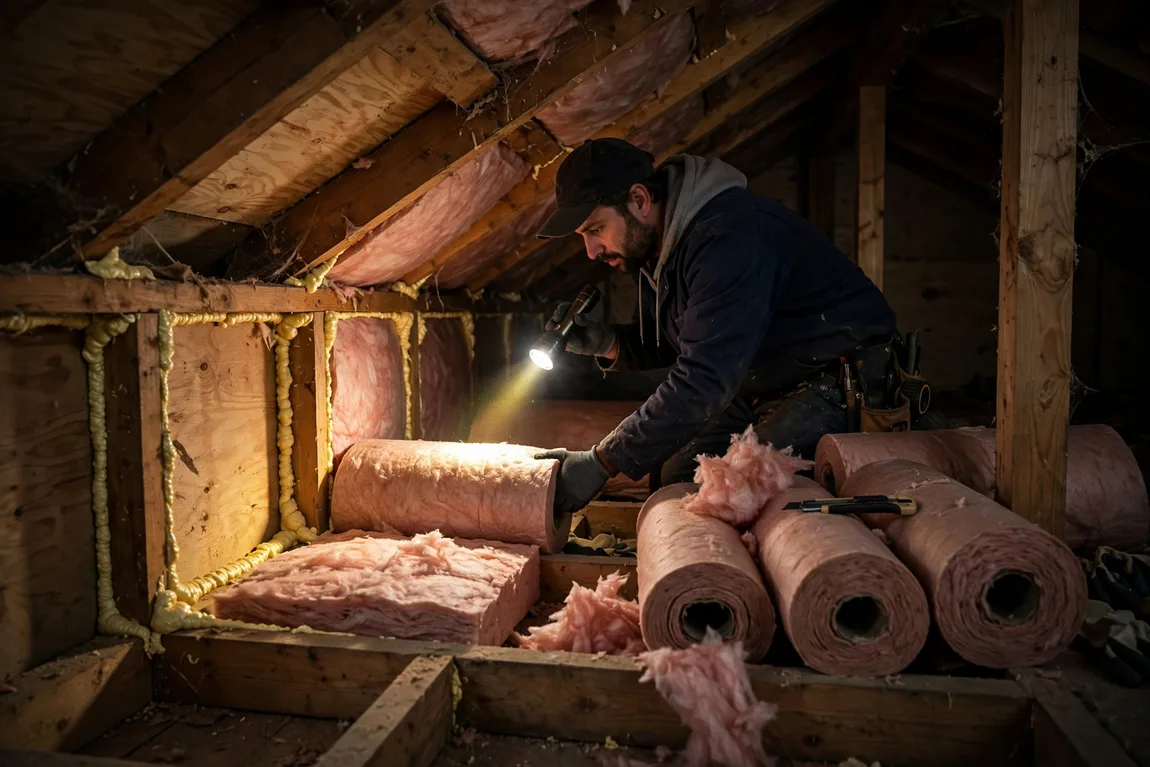
Removal fixes this winter’s ice. Prevention fixes the cause, which is heat leaking into the attic. Start with air sealing and insulation: seal gaps around vent pipes, wires, and the attic hatch, and make sure insulation is even and deep across the attic floor.
Ventilation is the partner fix. A soffit-and-ridge vent system keeps cold air washing the underside of the roof deck, so the deck stays cold and snow melts evenly. Bathroom and dryer ducts should vent outside, never into the attic or soffit.
Heat cables are the common add-on. Fixr lists installed heat cable at about $5 per linear foot, including the cable and a thermostat, run in a zigzag along the eave and through the gutter. Cables keep a drainage channel open, but they treat the symptom, use electricity all winter, and do not fix attic heat loss.
Weigh the recurring ice dam removal cost against a one-time investment in air sealing and insulation, which keeps paying back every winter. For the long-term numbers, compare prevention spending with our guide to attic insulation cost, and see our winterizing checklist for the fall tasks that stop dams forming. If the roof itself is near replacement, an ice and water shield underlayment, at roughly $1,500 to $10,000 depending on coverage, adds a final layer of leak protection.
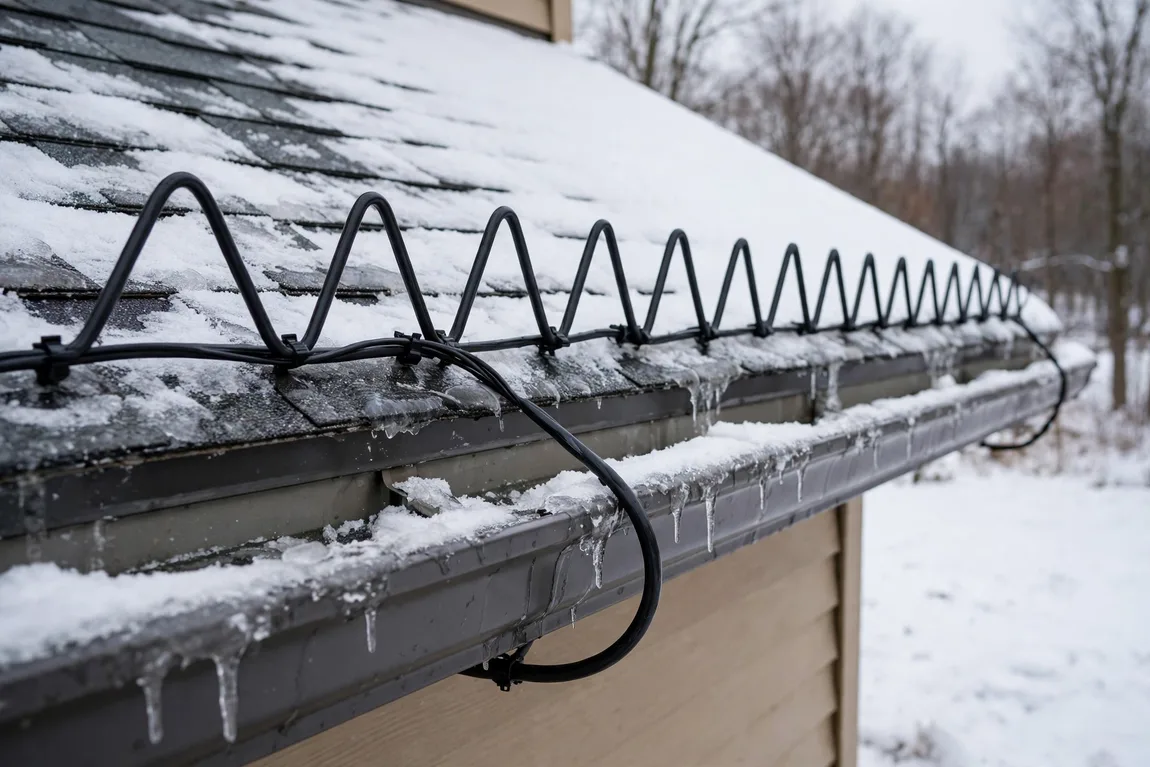
DIY Removal: What Is Safe and What Is Not
Some first steps are safe from the ground. Use a long roof rake to pull snow off the lowest few feet of the roof after each storm, which starves the dam of new meltwater. Toss calcium chloride tablets, or stockings filled with calcium chloride, onto small dams to open a drainage channel.
Stop there. Climbing onto an icy roof, chipping ice with a hammer, or attacking a dam with an axe or pressure washer risks both you and the shingles. Fixr is clear that chipping is one of the riskiest methods even in professional hands.
Inside the house, you can limit damage while you wait for a crew. Move belongings away from a leaking ceiling, collect drips, and, if water is bulging a ceiling, carefully release it into a bucket rather than letting it spread. Photograph everything for insurance.
The honest rule is simple: if water is already coming in, or the dam is thick and spans a full eave, call a steam crew. Paying the standard ice dam removal cost once is cheaper than paying for removal plus ceiling, insulation, and gutter repairs.
Hiring a Removal Contractor
Ask which method the company uses, and favor low-pressure steam. Ask for the estimated ice dam removal cost in writing before work begins. Confirm the hourly rate, the minimum charge, whether roof snow removal is included, and how the crew protects shingles, gutters, and landscaping below the work area.
Check insurance carefully. Roof work in winter is high-risk, and you want the contractor’s liability and workers’ compensation coverage verified before anyone climbs. Get the estimate in writing with an hour cap or a not-to-exceed figure if possible.
Finally, ask what they recommend to stop the dam returning. A good contractor will talk about attic air sealing, insulation, and ventilation, not just sell you heat cable. That advice is where the real long-term saving sits.
Frequently Asked Questions
How much does ice dam removal cost on average?
The national average is about $1,200, with most jobs between $600 and $1,800, according to Fixr. Small single-story jobs can start near $400, while large roofs, thick ice, or added prevention work such as heat cables can push the total toward $4,000.
Why does steam removal cost more per hour?
Steam runs $400 to $600 per hour, the highest hourly rate, but it is also the fastest and safest method for shingles, finishing an average roof in two to three hours. Cheaper methods take longer and risk roof damage, so the total bills often end up closer than the hourly rates suggest.
Do heat cables prevent ice dams?
Heat cables melt a channel so water can drain, which reduces backup risk at the eave. They do not stop dams forming, because the root cause is attic heat loss. Air sealing, insulation, and ventilation are the permanent fix, with cables as a supplement for stubborn spots.
Will insurance pay for ice dam removal or damage?
Policies commonly cover sudden interior water damage caused by an ice dam, but often not the removal of the ice itself. Coverage varies, so photograph the dam and any damage, keep contractor invoices, and call your insurer as soon as you notice a leak.
When should I call a professional instead of waiting?
Call as soon as you see water stains, dripping, ice coming through the soffit, or a thick dam with large icicles. Early removal is faster and cheaper, and it prevents the separate repair bill for shingles, gutters, ceilings, and insulation.