

Scratching in the ceiling at dusk, droppings on the insulation, and a musty smell from the attic usually point to one tenant: bats. Learning how to get rid of bats in your attic is different from every other pest job in this series, because the only legal and humane method is exclusion.
This guide follows CDC and Bat Conservation International guidance. It covers the signs of a colony, the timing rules that protect flightless pups, and the rabies precautions every homeowner needs before starting.

Signs Bats Are Roosting in Your Attic
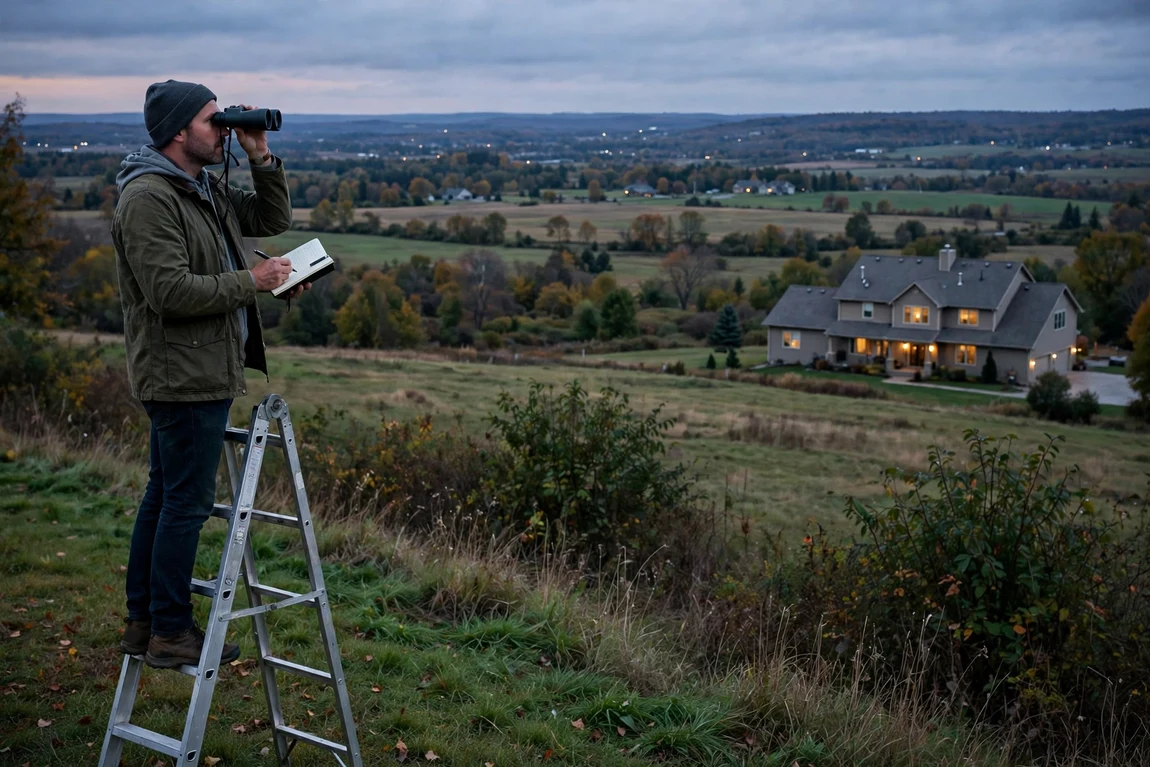
The CDC advises watching where bats exit at dusk, because the exit point shows how they are getting inside.
Inside the attic, look for droppings, called guano, piled below roosting spots, and dark staining around entry gaps. You may also hear soft chirping or scratching at dawn and dusk, and notice a strong, musty odour in warm weather.
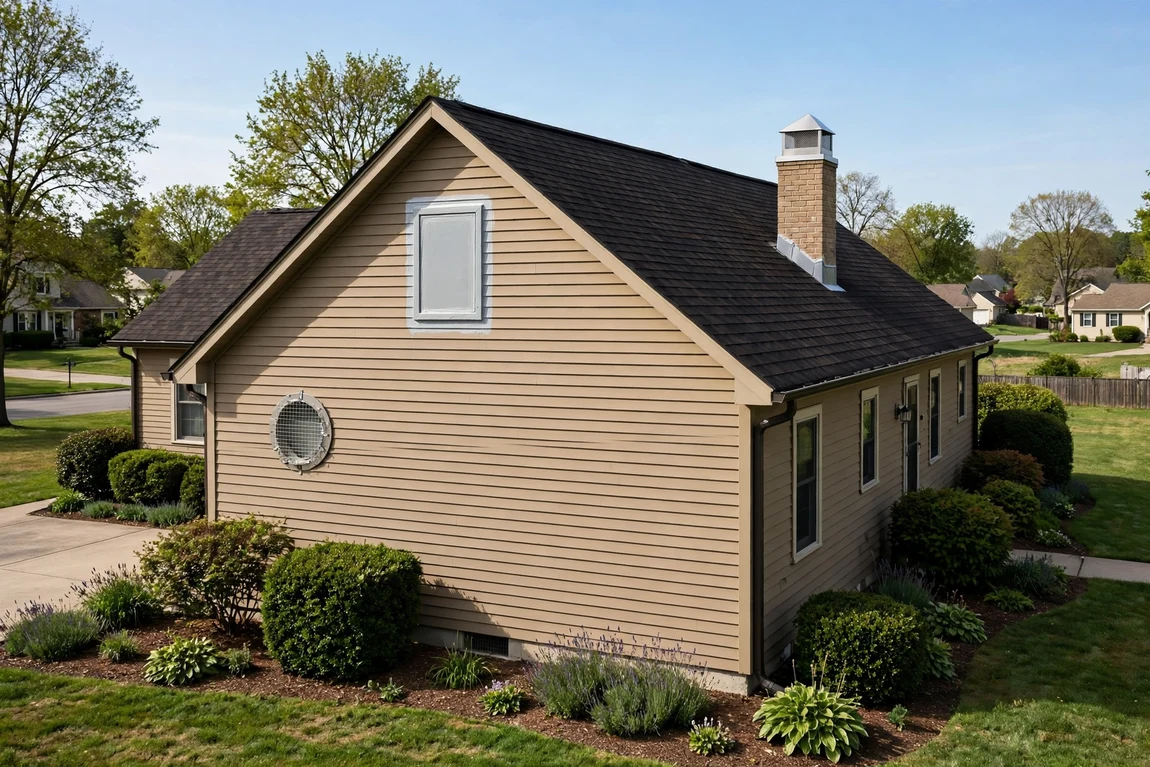
The CDC states that bats can fit through openings as small as ¼ inch, and Bat Conservation International notes that if you can fit a pinky finger into a gap, a bat can likely enter. Check ridge vents, soffits, chimney flashing, and loose siding corners.
A single bat in a living room is a different problem from a colony in the attic. The colony signs are repeated dusk exits, accumulated droppings, and staining at the same exterior gaps night after night.
Why Bats Choose Attics, and Why Timing Rules Everything
Buildings give bats what a good roost must provide: protection from predators, stable temperatures, and a safe place to rest and raise young. Bat Conservation International explains that some species now depend on buildings because natural roosts such as caves and hollow trees have declined.
That nursery role is why timing is not optional. During maternity season, roughly May through August, mothers leave at night to feed while their pups stay in the roost, unable to fly. Sealing or excluding then traps the pups inside, where they die.
The CDC gives the same warning: if you are bat-proofing between May and August, be careful not to trap young bats inside your home. Bat Conservation International advises no exclusions at all during the pup-rearing season. In short, how to get rid of bats in your attic always starts with a calendar check, not a ladder.
How to Get Rid of Bats in Your Attic: Safe Exclusion, Step by Step
Anyone researching how to get rid of bats in your attic should ignore traps, poisons, and ultrasonic gadgets, none of which are legal or effective answers for a colony.
Step 1: Confirm the season and the rules. Check your state wildlife agency for protected species, permit needs, and local blackout dates before touching the roofline. Many bat species are federally protected, and Bat Conservation International warns that mishandling a protected species can bring stiff penalties.
Step 2: Find and map every entry point. Watch the house at dusk on a calm, dry evening and mark each exit. Try to count how many bats leave, as the CDC suggests, because the count helps you judge later whether the attic is finally empty.
Step 3: Seal the gaps bats are not using. Following the CDC guide to preventing rabies from bats, caulk any opening larger than a dime, fill electrical and plumbing holes with steel wool or caulk, and fit screens, chimney caps, and draft guards. Leave only the active exits open for now.
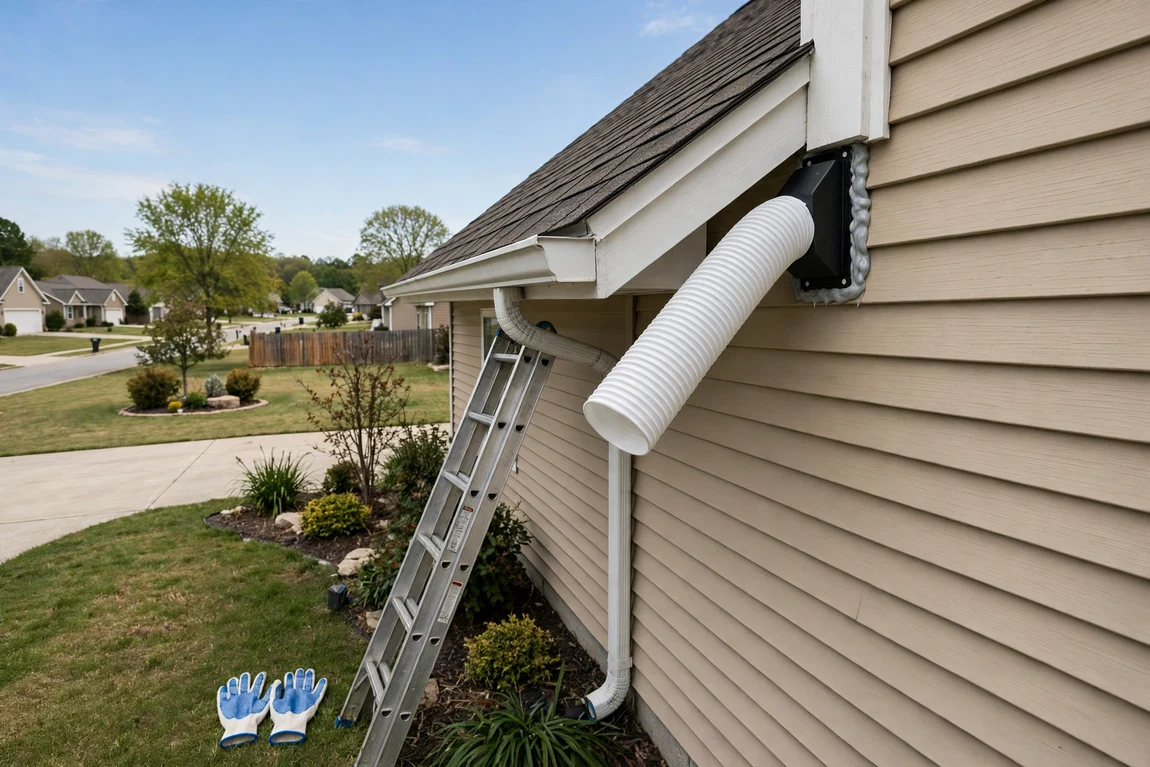
Step 4: Fit one-way exits over the active holes. Bat Conservation International describes tubes about 2 inches wide and 10 inches long as the best exclusion device for most openings. Secure the tube into the exit, seal around its outside, and leave it in place for at least seven warm nights so every bat can leave but none can return.
Step 5: Verify the attic is empty. Watch for a full dusk period with no exits, and check for fresh droppings or new sounds. Never simply seal a hole after one quiet night, because not all bats leave every night, especially in poor weather.
Step 6: Seal permanently and clean up carefully. Remove the tubes and seal the openings with silicone caulk, hardware cloth, or flashing, and repair any rotten wood you find. Wet down old droppings before disturbing them, wear a respirator and gloves, and never dry-sweep a heavily soiled attic.
Rabies Safety: Rules That Come Before Any Work
Never handle a bat with bare hands. The CDC states that in the United States bats are the most reported animals with rabies, and that bat bites can be tiny, so you may not even know you were bitten. Treat every direct contact as a reason to call your health department.
If a bat is found in a room with a sleeping person, an unattended child, or anyone who cannot reliably say whether contact happened, do not release it. Contact animal control or your health department so the bat can be captured safely and tested, and so a professional can judge whether medical care is needed.
If you are bitten or scratched, wash the wound with soap and water and get medical help right away. The same urgency applies if saliva gets into your eyes, nose, mouth, or an open wound.
Pets need the same caution. Keep cats and dogs away from any bat found indoors or on the ground, and ask your veterinarian about rabies vaccination status after any possible contact.
Prevention: Bat-Proofing That Lasts
Prevention is a whole-house sealing habit, not a one-time caulk job. Inspect the roofline, vents, and chimney every fall, because the CDC notes that most bats leave in fall or winter to migrate, making those seasons the best time to bat-proof. That annual check is the quiet core of how to get rid of bats in your attic for good.
Keep attic doors tight, screen vents with fine mesh, and cap the chimney. Replace loose shingles and soft, rotten trim promptly, since small gaps widen each season.
Consider a bat house on a pole or tree well away from the roofline as an alternative roost for your local bats. It does not lure a colony out of an attic by itself, but it supports the same insect-eating bats once exclusion is complete. For pricing on professional help, see our guide to bat removal costs.
DIY vs. Hiring a Licensed Exclusion Professional
A small, reachable colony with one or two entry points can be a DIY exclusion outside maternity season. The demands are a tall ladder, careful sealing, and the discipline to wait the full seven nights.
Hire a licensed pro when the colony is large, the entries are high or hard to reach, or the species may be protected. Bat Conservation International recommends checking for verifiable bat experience, a licence, insurance, references, and a written contract with a workmanship guarantee of at least two years.
Beware of any company that offers to exclude during maternity season, uses poisons or ultrasonic repellents, or seals holes with foam, rags, or steel wool alone. Those are the exact practices Bat Conservation International warns against, and they can kill bats inside your walls.
Cost is only one part of the decision, and our overview of rodent and wildlife control explains how exclusion-first work compares across pests. Done at the right season, how to get rid of bats in your attic is a permanent fix rather than a yearly battle.
Frequently Asked Questions
Can I just seal the holes while the bats are out at night?
No. Not every bat leaves every night, and sealing early traps the rest inside. Fit one-way tubes first, leave them for at least seven warm nights, confirm no bats remain, and only then seal permanently.
When is the best time of year to exclude bats?
Fall and early spring, outside the maternity season, are the standard windows. Avoid roughly May through August, when flightless pups are in the roost, and always check your state wildlife agency for local dates and rules.
What should I do if I wake up and find a bat in the bedroom?
Do not release it and do not handle it bare-handed. Leave the room, close the door, and contact your health department or animal control. Because bat bites can be tiny and unnoticed, a health professional should assess the possible exposure.
Are ultrasonic bat repellents effective?
No. Bat Conservation International notes that ultrasonic devices have not been scientifically proven effective for exclusion, and one study found they may actually attract bats. Exclusion and sealing are the proven method.
Is it legal to kill bats in an attic?
Generally no, and it is never the recommended approach. Many species are protected under federal or state law, chemical pesticides for bats are illegal in the United States, and killing bats in a structure creates odour and health problems. Use exclusion, or hire a licensed excluder.