

A burst pipe can release hundreds of gallons of water into your home in a single hour, so the repair bill is only part of the story. Knowing the likely burst pipe repair cost before an emergency helps you act fast and budget honestly. In 2026, the national average repair is $500, and most homeowners pay between $200 and $3,000, according to Angi.
This guide covers what to do in the first minutes, how plumbers price the repair per linear foot, what emergency callouts add, and how water damage cleanup can end up costing more than the plumbing itself. It also shows when a repair stops making sense.
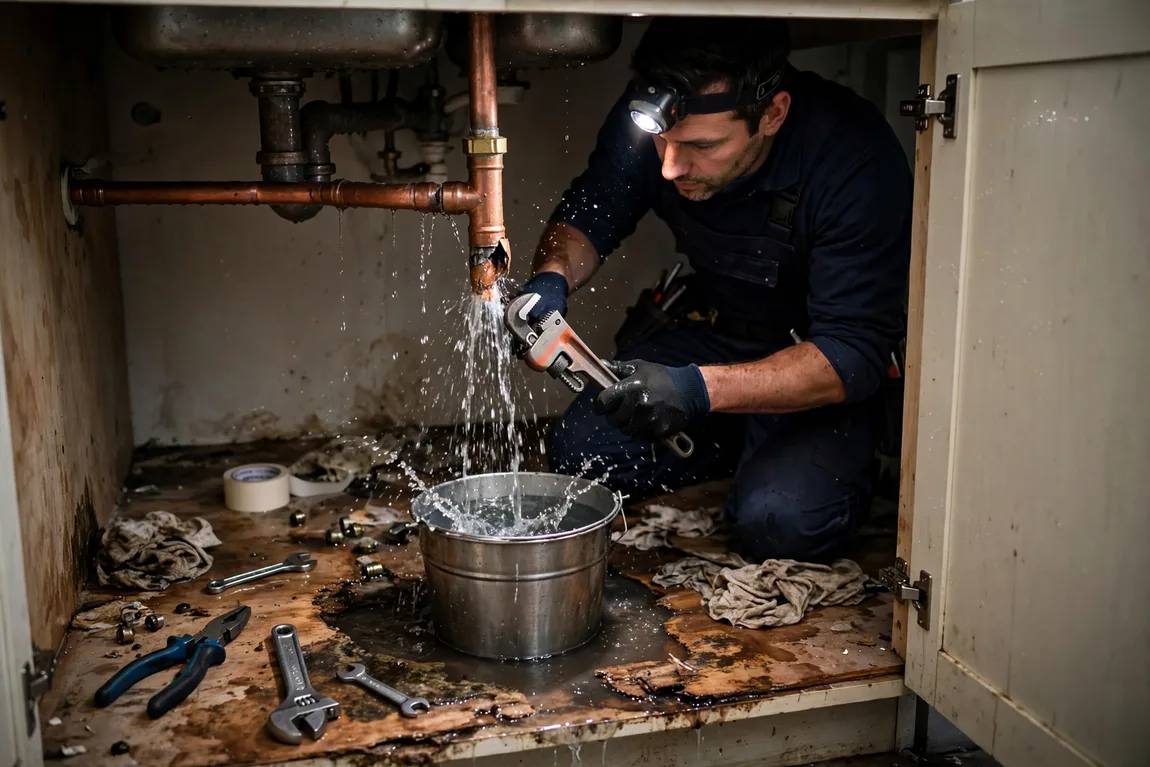
What to Do First When a Pipe Bursts
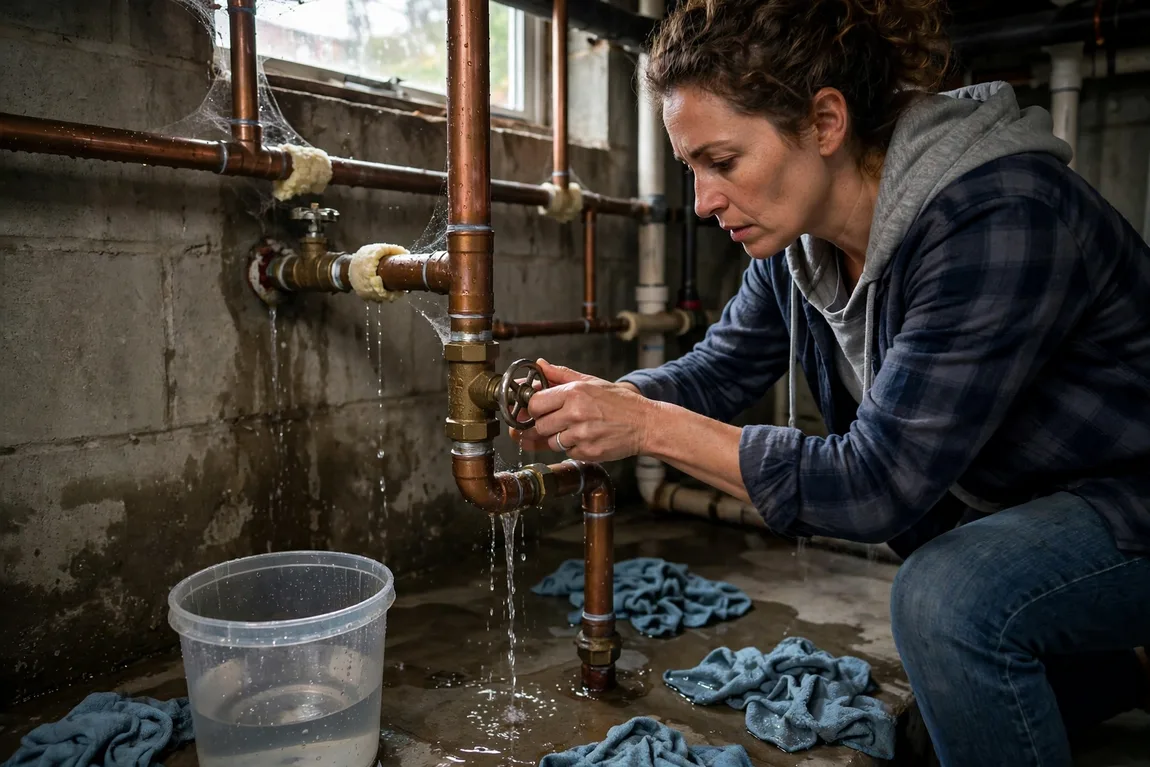
Stop the water before you think about cost. Turn off the main shut-off valve for the house, which is usually near the water meter or where the main line enters the home. If the burst is on one fixture line and you know its local valve, closing that valve may be enough.
Next, protect the home. Switch off electricity to any area where water is pooling near outlets or appliances. Move furniture, rugs, and electronics out of the wet zone, and open faucets to drain the lines and relieve pressure.
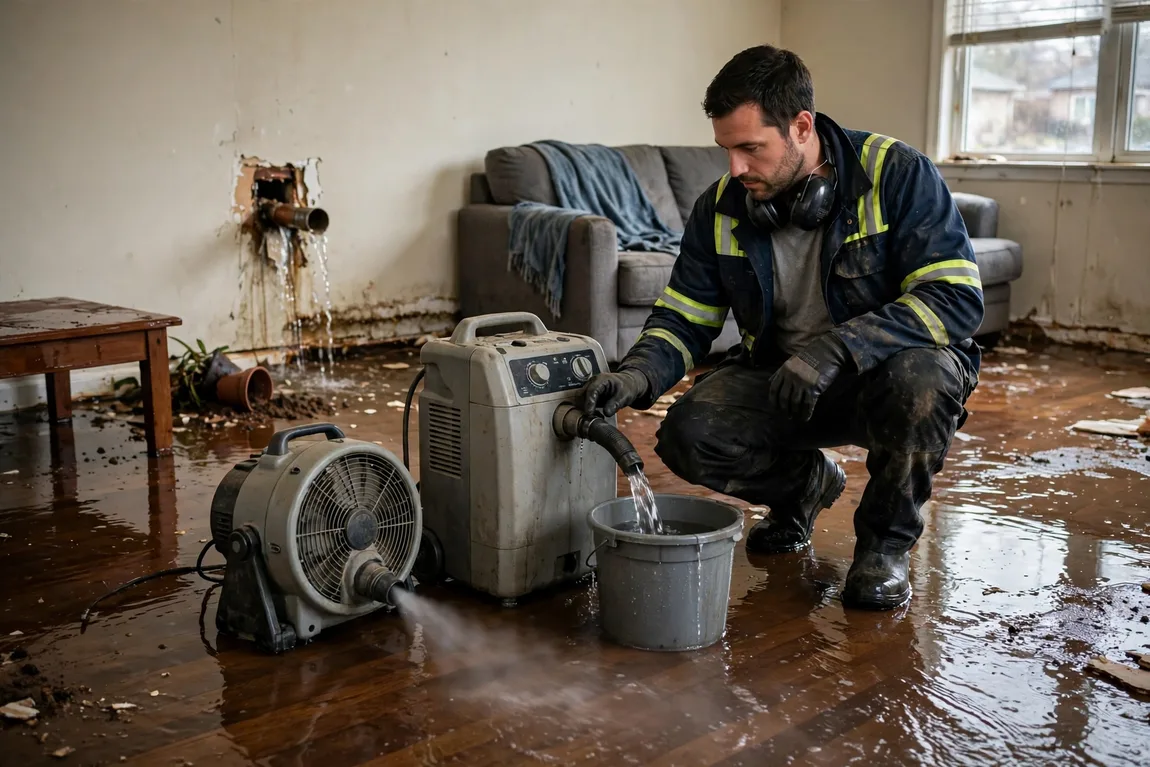
Then start drying. Mop up standing water, set fans and a dehumidifier running, and remove wet materials you can safely lift. Angi notes that homeowners can handle this early drying themselves, and the faster it starts, the smaller the restoration bill later.
Take photos of the damage before cleanup for your insurance records. Water damage from a sudden burst is commonly covered, while damage tied to neglected maintenance may not be. Our guide to how frozen pipes burst explains the most common winter cause, and our tips on preventing frozen pipes can stop a repeat.
Burst Pipe Repair Cost Per Linear Foot
Plumbers usually price the repair itself by the length of pipe replaced. Angi puts replacement at $150 to $250 per linear foot for labor and materials combined. One foot runs $150 to $250, two feet run $300 to $350, five feet run $750 to $1,250, and eight feet run $1,200 to $2,000.
The pipe itself is cheap by comparison. Materials alone run about $0.50 to $30 per linear foot depending on type: PEX and PVC sit at the low end, copper in the middle, and cast iron at the top. Labor makes up roughly 80 percent of the total bill, according to the Angi burst pipe repair pricing guide.
Location drives the rest. An exposed basement pipe might cost $200 to $600 to repair, while a pipe inside a wall runs $150 to $500 for the plumbing alone, plus drywall repair at $50 to $75 per square foot. Sewer line bursts are the extreme case, at $1,300 to $4,700.
Access is the hidden variable in every quote. A plumber who can reach the break in minutes charges for the repair. A plumber who must cut drywall, lift flooring, or dig charges for all of that first, which is why two identical breaks can produce very different bills.
Emergency Callout and Labor Charges
Timing changes the price as much as the pipe does. Standard plumber rates run $45 to $200 per hour, with flat fees of $100 to $1,250 for defined jobs. Travel fees can add $50 to $300, depending on distance and demand.
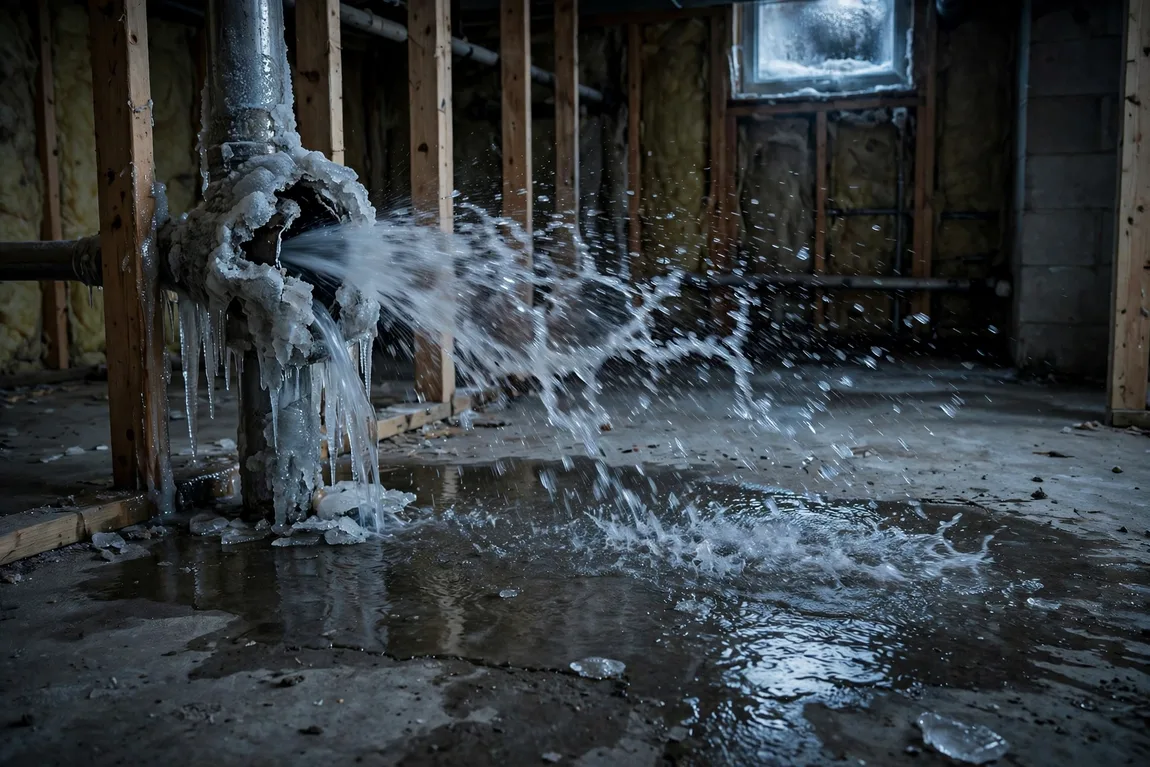
Emergency service adds a call fee of $100 to $300 on top of the base rate, and after-hours work can run 1.5 to 3 times standard pricing. A burst at 2 a.m. during a freeze is the most expensive version of the same repair, because every plumber in town is fielding the same calls.
Thawing a frozen pipe before it bursts is far cheaper. Angi lists thawing as a flat fee of about $100. If a pipe is frozen but intact, paying for thawing is one of the best bargains in plumbing, since it can prevent the entire repair and cleanup bill.
Ask for the fee structure on the phone before the truck rolls. A reputable company will state its emergency fee, hourly rate, and minimum charge upfront, even if the final burst pipe repair cost depends on what the plumber finds.
Water Damage and Other Add-On Costs
The plumbing invoice is often the smaller half of a burst pipe event. When homeowners add up the full burst pipe repair cost of an incident, cleanup and finish work frequently match or exceed what the plumber charged. Angi prices water damage repair at about $4 to $7 per square foot, and a typical cleanup after a burst can add $1,000 to $2,000 to the project. Floors, baseboards, and insulation that stay wet drive that figure up fast.
Mold is the expensive sequel. Remediation averages $10 to $25 per square foot, and it becomes likely when wet materials are not dried within a day or two. That is why restoration companies treat the first 24 hours as critical.
Drywall and finish work follow. Patching and repainting the wall the plumber opened, replacing warped flooring, and reinstalling trim are usually separate trades with separate invoices. Budget about 15 percent above your first estimate for these overages, as Angi advises.
Prevention spending looks small next to these numbers. A plumbing inspection runs about $200 every two years, and addressing weak or corroded sections early is cheaper than replacing them during a flood. If your home needs extensive new piping, compare the repair path with our guide to the cost to repipe a house.
Repair, Patch, or Replace?
A single clean break in otherwise healthy pipe is a repair job. The plumber cuts out the damaged section and joins in new pipe, and the fix should last as long as the surrounding system. Temporary tape or epoxy can slow a leak, but treat those as emergency measures only.
Corrosion changes the decision. If one section of old galvanized or copper pipe has thinned enough to burst, nearby sections are often close behind. Replacing a longer run, at $360 to $2,000 for the section, can be cheaper than three separate emergency calls in two winters.
Age matters too. A home with repeated bursts, low pressure, and discolored water is telling you the system is at end of life. At that point, each additional burst pipe repair cost is money spent delaying the repipe the house actually needs.
Get the plumber’s honest read while the wall is open. Ask for photos of the pipe condition and a written quote for both the spot repair and the longer replacement. Comparing those two numbers, side by side, is the clearest way to decide.
DIY Limits and Safety
Homeowners can safely do the shut-off, the draining, the cleanup, and much of the drywall and paint work afterward. Those tasks genuinely reduce the bill. The pipe repair itself belongs to a licensed plumber in almost every case.
The reasons are practical. A bad joint can leak slowly inside a wall for months, causing mold and rot that dwarf the original repair. Plumbers also diagnose why the pipe failed, carry the right joining tools for each material, and often warranty the work.
Never work around standing water near live electrical panels, outlets, or appliances. If water has reached electrical components, keep the power off to that area and tell the plumber and electrician before anyone starts.
Frequently Asked Questions
How much does it cost to fix a burst pipe?
The national average is $500, and most homeowners pay $200 to $3,000 depending on pipe material, location, and water damage. A simple exposed repair can fall below the average, while a burst inside a wall or under a floor costs more once access and cleanup are included.
How much do plumbers charge per foot to replace a burst pipe?
Angi puts replacement at $150 to $250 per linear foot including labor and materials. The pipe material itself is only about $0.50 to $30 per foot, so labor, access, and finish repairs account for most of the per-foot price.
Does homeowners insurance cover a burst pipe?
Usually, yes, for sudden and accidental bursts, including much of the resulting water damage. Policies commonly exclude damage caused by poor maintenance or long-term leaks. Photograph everything, keep invoices, and call your insurer early, ideally before major cleanup begins.
What should I do immediately after a pipe bursts?
Shut off the main water valve, turn off power to wet areas, drain the lines by opening faucets, and start drying with fans and a dehumidifier. Then call a plumber. Fast shut-off is the single action that most limits both damage and total cost.
Is it worth replacing old pipes after one burst?
It depends on the pipe’s condition. One freeze-related break in healthy pipe is usually a spot repair. Repeated bursts, visible corrosion, or discolored water suggest system-wide wear, where replacing a longer run or repiping beats paying a fresh burst pipe repair cost every winter.