

Before you light the first fire of the season, it pays to know what a fair chimney sweep cost looks like — because quotes for the same job can range from under $100 to well over $500. For most homes in 2026, a standard sweep bundled with an NFPA Level 1 inspection runs about $130 to $380, with published national averages from Angi and HomeGuide around $250 to $275. A Level 2 camera inspection costs more, and heavy creosote or repairs found on the day can push the bill higher.
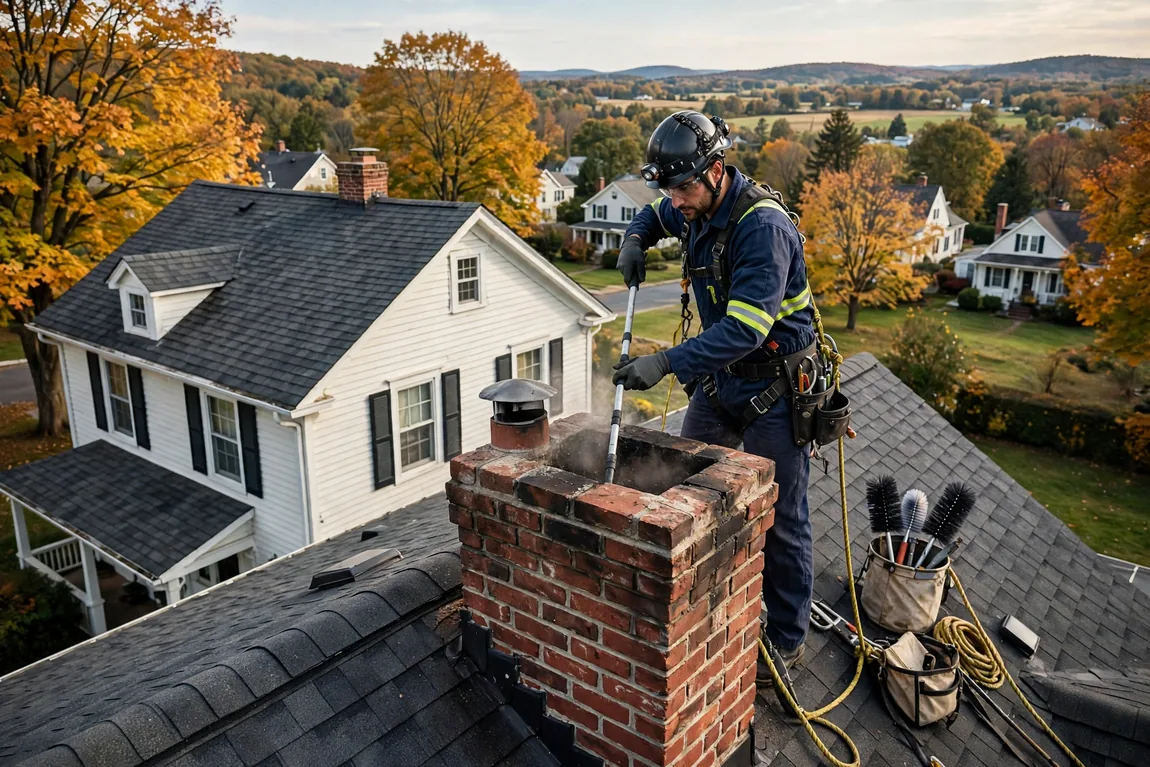
A professional sweep cleaning a brick flue from the roof. (Illustrative image)
chimney sweep cost in 2026: average prices
Most reputable sweeps charge a flat rate per visit, based on inspection level, flue count, and expected buildup. The figures below are attributed 2026 ranges from national cost guides such as Angi, HomeGuide, and HomeAdvisor — your local quote will sit somewhere inside them.
| Service | Typical 2026 Cost | Notes |
|---|---|---|
| Level 1 inspection only (NFPA) | $100 – $300 | Visual check of accessible interior and exterior areas |
| Standard sweep with Level 1 inspection | $130 – $380 | The most common annual visit; national averages around $250–$275 |
| Level 2 inspection with camera scan | $250 – $600 | Required for home sales, appliance changes, and after a chimney fire |
| Level 3 inspection | $500 – $5,000+ | Rare; opens concealed areas to confirm hidden damage |
| Heavy or glazed (Stage 3) creosote removal | $400 – $900+ | Chemical treatment or rotary cleaning beyond a normal sweep |
| Chimney cap, installed | $150 – $850 | Basic caps at the low end; large or custom caps cost more |
| Damper repair or replacement | $200 – $600 | A common finding during an inspection |
| Stainless steel flue liner replacement | $1,500 – $5,000 | Only if a cracked or failed liner is found — not part of a sweep |
| Second flue on the same visit | $100 – $200 extra | Cheaper than a separate appointment |
When comparing quotes, ask exactly what is included. A low quote covering only the brushing — with inspection, firebox cleaning, and a second flue billed as extras — can cost more than a higher flat quote that includes everything.
Level 1 vs Level 2: what you are actually paying for
Level 1 inspection
A Level 1 inspection is the standard annual check defined by NFPA 211. The sweep visually examines the accessible parts of the chimney inside and out, checking for creosote, obstructions, and obvious damage. If your system has not changed and you have had no problems, this — bundled with a sweep at roughly $130 to $380 — is normally all you need.
Level 2 inspection
A Level 2 inspection adds a camera scan of the inside of the flue, revealing cracked liner tiles, gaps, and hidden damage a flashlight cannot reach. Expect $250 to $600. It is recommended when you buy or sell a home, change appliance or fuel type, or have had a chimney fire or storm damage. If a sweep recommends repairs, ask to see the camera footage first.
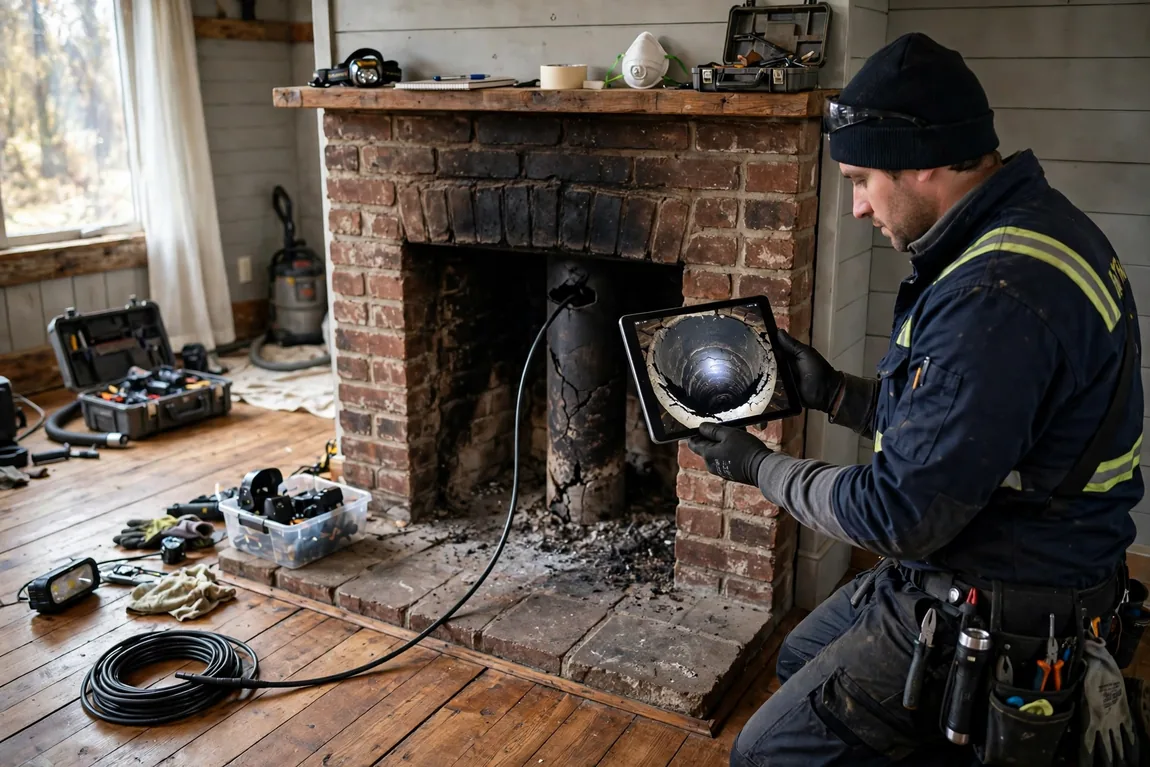
A Level 2 camera inspection — ask to see the footage before approving repairs. (Illustrative image)
Cost by fireplace and fuel type
What you burn changes both the price and how dirty the flue gets:
- Wood-burning masonry fireplace: about $150 to $375 — the most common job, and the fastest to build creosote.
- Prefab (factory-built) fireplace: about $90 to $175.
- Wood stove: about $130 to $300, depending on dismantling.
- Pellet stove: about $130 to $200, including vent cleaning.
- Gas fireplace: about $80 to $150 — no creosote, but the vent, pilot, and logs still need checking.
Factors that affect the final bill
Creosote stage
Creosote — the flammable residue wood smoke leaves in the flue — is priced by stage. Stage 1 is loose, flaky soot that brushes off in a normal sweep. Stage 2 is crunchy, tar-like deposits needing stronger rotary tools. Stage 3 is a hard, shiny glaze that often needs chemical treatment and a return visit — why neglected chimneys can cost $400 to $900 or more to clean. Creosote is also the fuel for chimney fires, so delay genuinely costs money here.
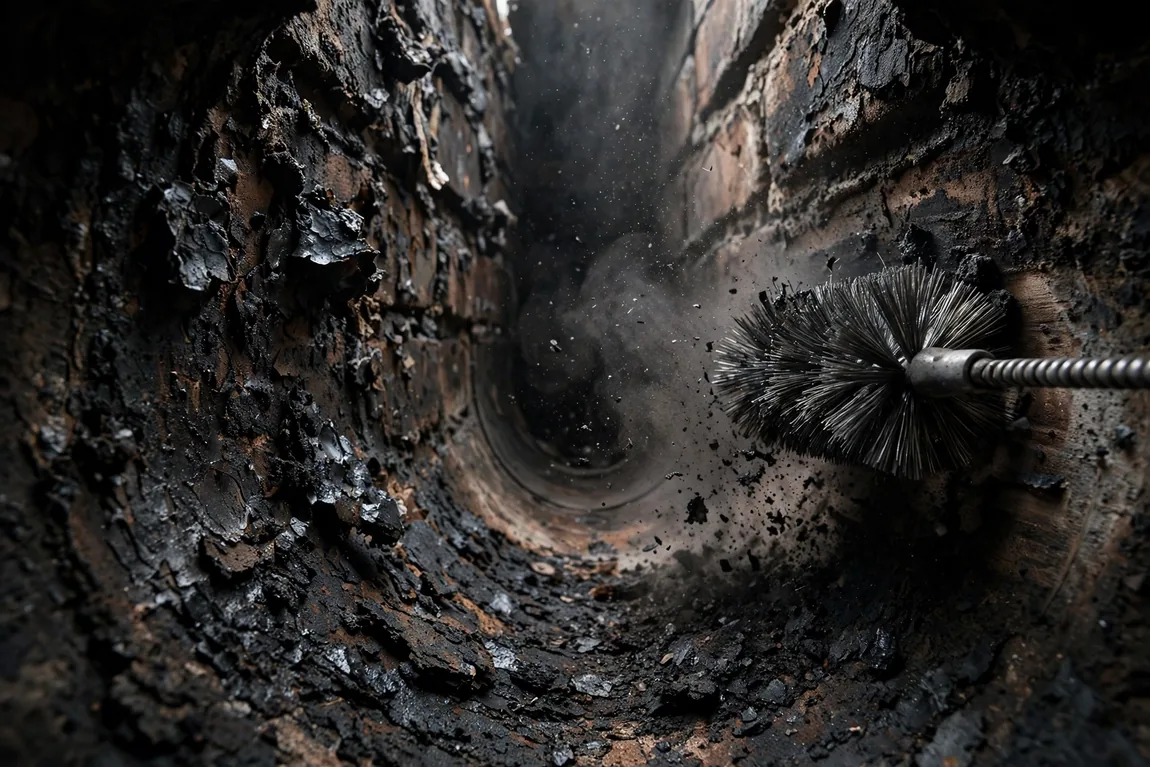
Heavy creosote inside a flue — the biggest reason a sweep costs more than the basic rate. (Illustrative image)
Access, height, and condition
A tall, steep, or hard-to-reach chimney takes longer and may carry a roof-access surcharge. Multiple flues, a blockage, or years without cleaning all add time. Problems found — a missing cap, cracked crown, or failing mortar — are quoted separately; our guide to how to fix common chimney problems explains which are urgent and which can wait.
Region and season
Published state averages for a standard sweep run from roughly $140 in lower-cost states to $380 or more in high-cost areas such as Massachusetts. Timing matters too: autumn is peak season, when sweeps book out weeks ahead, while spring and early summer appointments are easier to book and sometimes discounted.
DIY vs hiring a pro
A basic brush-and-rods kit typically costs $25 to $75, so DIY looks tempting, and brushing out light Stage 1 soot is physically possible on an easy-access flue. But DIY includes no camera inspection, no trained eye on the liner, damper, or smoke chamber, and no written report — the document insurers and home buyers usually want. Roof work is the main risk, and the most dangerous problems, like a cracked liner leaking carbon monoxide or heat toward framing, are exactly what a brush cannot detect. Most homeowners do better hiring a CSIA-certified sweep annually and saving DIY for ash and firebox cleanup between visits.
How often should you sweep?
NFPA 211 recommends an inspection at least once a year, with cleaning whenever it shows one is needed. The Chimney Safety Institute of America’s threshold is simple: clean when buildup reaches 1/8 inch, or whenever any glazed creosote is present. Occasional weekend burners may go a season or two between sweeps, regular users need one yearly, and households heating mainly with wood may need a mid-season sweep too. Booking it is a natural part of how to winterize your home before cold weather arrives.
How to save money on a sweep
- Book off-season. Spring and summer appointments avoid the autumn rush.
- Bundle services. A sweep plus Level 1 inspection booked together typically saves $50 to $100 versus separate visits.
- Burn dry wood. Seasoned hardwood under about 20% moisture makes far less creosote, keeping you in basic-sweep territory.
- Get two or three quotes and ask what each includes before comparing numbers.
- Beware the rock-bottom quote. Very cheap “specials” are a classic setup for repair upsells; ask for camera evidence of any claimed damage.
- Keep up with fall maintenance. Pair your sweep with the checks in our fall-back daylight saving home checklist — detectors, furnace, and gutters.
A capped, clean chimney and a fire you can enjoy with confidence. (Illustrative image)
Frequently asked questions
What is the average chimney sweep cost in 2026?
Published national averages sit around $250 to $275 for a standard sweep with a Level 1 inspection; most homeowners pay $130 to $380 depending on region, flue count, and buildup.
How long does a chimney sweep take?
A routine visit usually takes 45 to 90 minutes, including setup and cleanup. Heavy creosote, multiple flues, or a Level 2 camera inspection can take two hours or more.
Do I need a Level 2 inspection to sell my home?
It is strongly recommended — and often requested during a sale — because it documents the flue interior on camera. Budget $250 to $600.
What happens if I never sweep my chimney?
Creosote keeps building until it restricts the draft, causes smoke and odors, and risks a chimney fire that can crack the liner and ignite nearby framing. Skipping a roughly $250 annual sweep can turn into a $1,500 to $5,000 liner replacement — or far worse.
Will a sweep make a mess in my house?
A professional should not. Sweeps seal the fireplace opening, run an industrial vacuum, and lay drop cloths — your room should be as clean when they leave as when they arrived.
A chimney sweep is one of the cheapest pieces of fire insurance you can buy. Budget around $130 to $380 for the standard annual visit, keep the inspection report with your home records, and schedule before the autumn rush — your fireplace will burn cleaner and safer all winter.