

A new deck can completely change how you use your backyard, but the first question most homeowners ask is a practical one: what will it actually cost? Understanding the average deck building cost in 2026 helps you set a realistic budget, compare materials fairly, and avoid surprises once quotes start coming in. Prices vary a lot by size, material, and site conditions, yet the ranges in this guide will give you a solid starting point for planning a deck that fits both your yard and your wallet.
Last updated: October 23, 2026.
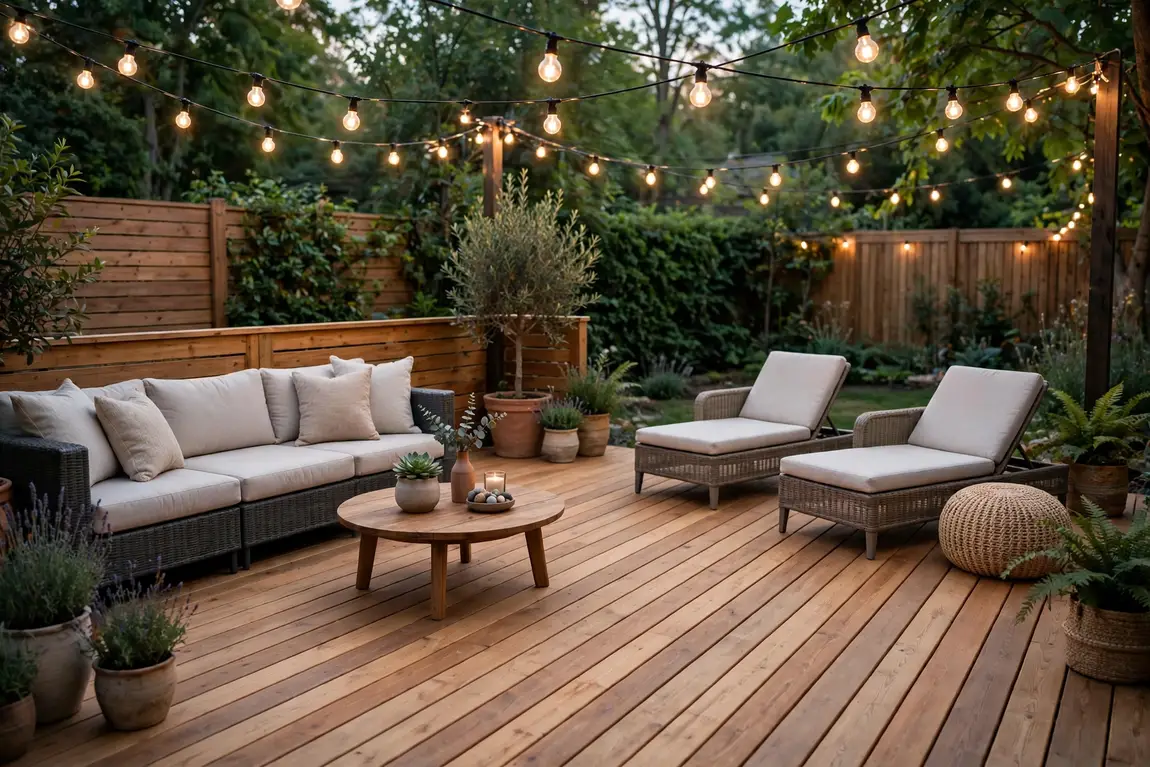
How deck building cost breaks down in 2026
For most professionally built decks in 2026, homeowners pay roughly $30 to $60 per square foot installed, with simpler ground-level wood decks at the lower end and larger composite or elevated designs at the higher end. That means a modest 12×16-foot deck often lands somewhere between about $6,000 and $12,000, while a 16×20-foot deck commonly runs $10,000 to $20,000 or more. These are broad ranges on purpose, because no two yards, designs, or local labor markets are exactly alike.
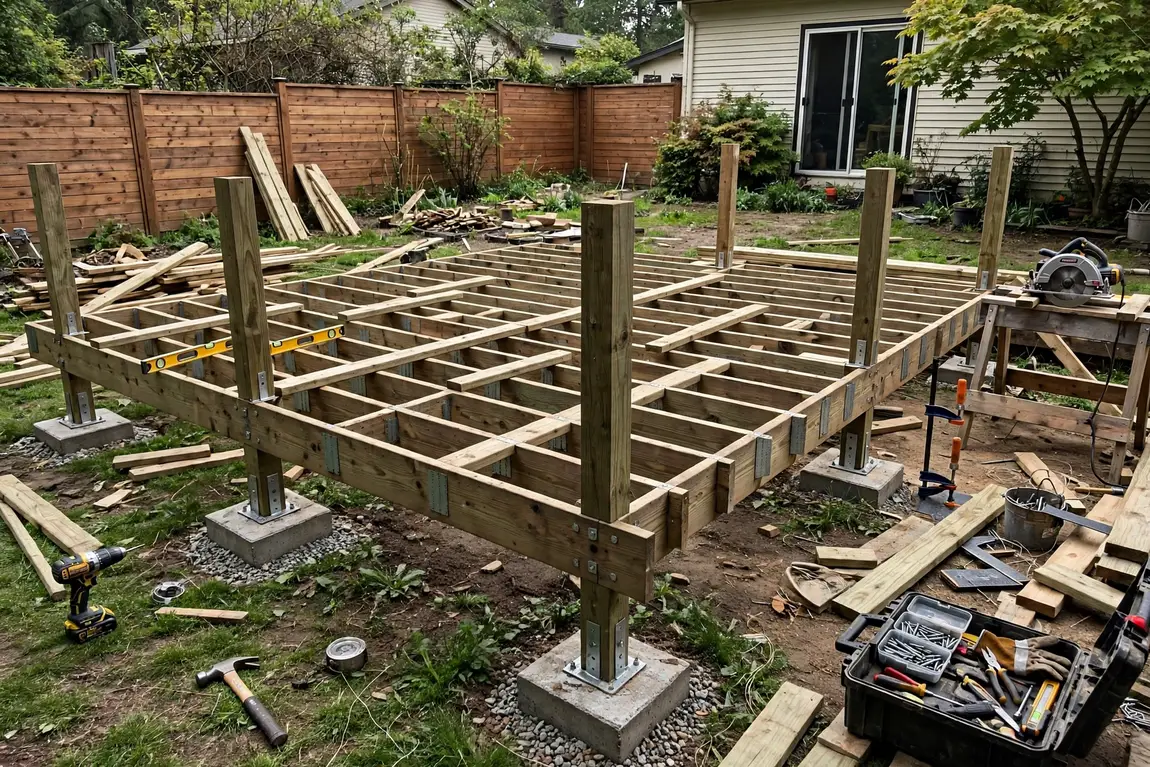
Your total is usually split between materials and labor. Materials often account for around half the budget, covering decking boards, framing lumber, concrete footings, fasteners, and railings. Labor makes up most of the rest, especially on decks that need careful leveling or work on a slope. Permits, inspections, and demolition of an old deck add smaller amounts, but they are easy to overlook.
| Deck material | Typical cost per sq. ft. installed | 12×16 ft deck (192 sq. ft.) | 16×20 ft deck (320 sq. ft.) |
|---|---|---|---|
| Pressure-treated wood | $25–$45 | $4,800–$8,600 | $8,000–$14,400 |
| Cedar | $30–$50 | $5,800–$9,600 | $9,600–$16,000 |
| Composite | $40–$70 | $7,700–$13,400 | $12,800–$22,400 |
| PVC | $45–$75 | $8,600–$14,400 | $14,400–$24,000 |
Use the table as a planning guide, not a quote. A simple rectangular deck close to the ground will usually sit near the bottom of each range, while curved edges, picture-frame borders, built-in seating, lighting, and premium railings push the price toward the top. Getting two or three itemized local quotes is still the best way to pin down your specific project.
Deck materials compared: wood, composite, and PVC
Pressure-treated wood remains the most affordable and most common choice. It is widely available, easy to work with, and can be stained or painted. Its trade-off is maintenance: expect to clean, seal, or stain it every couple of years, and boards can warp, split, or fade over time. Even so, it is often the right answer for a tight budget.
Cedar costs a little more and brings a warmer color and natural resistance to rot and insects. Many homeowners love how it looks, although it still needs regular sealing to keep its color and prevent graying. Cedar is softer than pressure-treated pine, so it can dent more easily, but it offers a good balance of beauty and price.
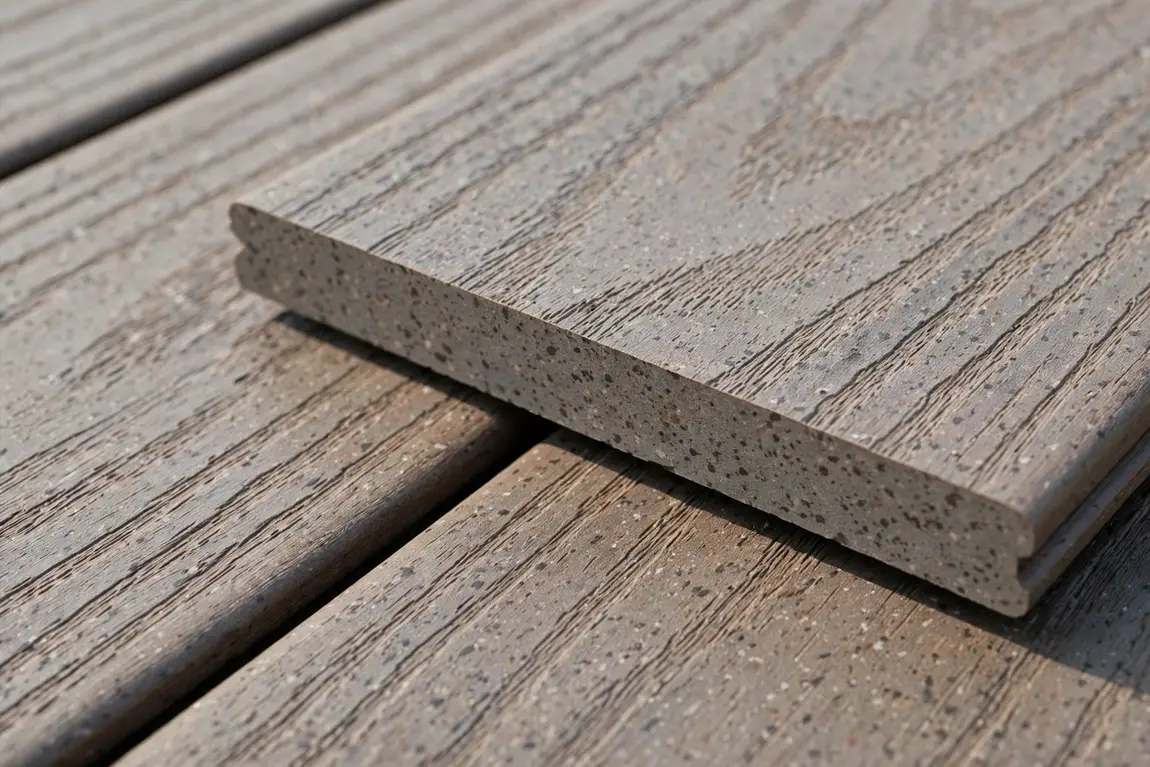
Composite decking, made from wood fibers and plastic, costs more upfront but needs far less maintenance — usually just soap and water a couple of times a year. Modern boards resist fading, staining, and splintering, and many come with long warranties. PVC decking is fully synthetic, so it resists moisture especially well near pools or in damp, shady yards. It is typically the most expensive option, but also one of the longest lasting.
Think about total cost over ten to fifteen years, not just day one. A cheaper wood deck that needs refinishing and board replacements may close the gap with composite over time, while composite or PVC spreads its higher price across years of low-maintenance use. Your climate, sun exposure, and how long you plan to stay in the home should shape the decision.
What drives the price up or down?
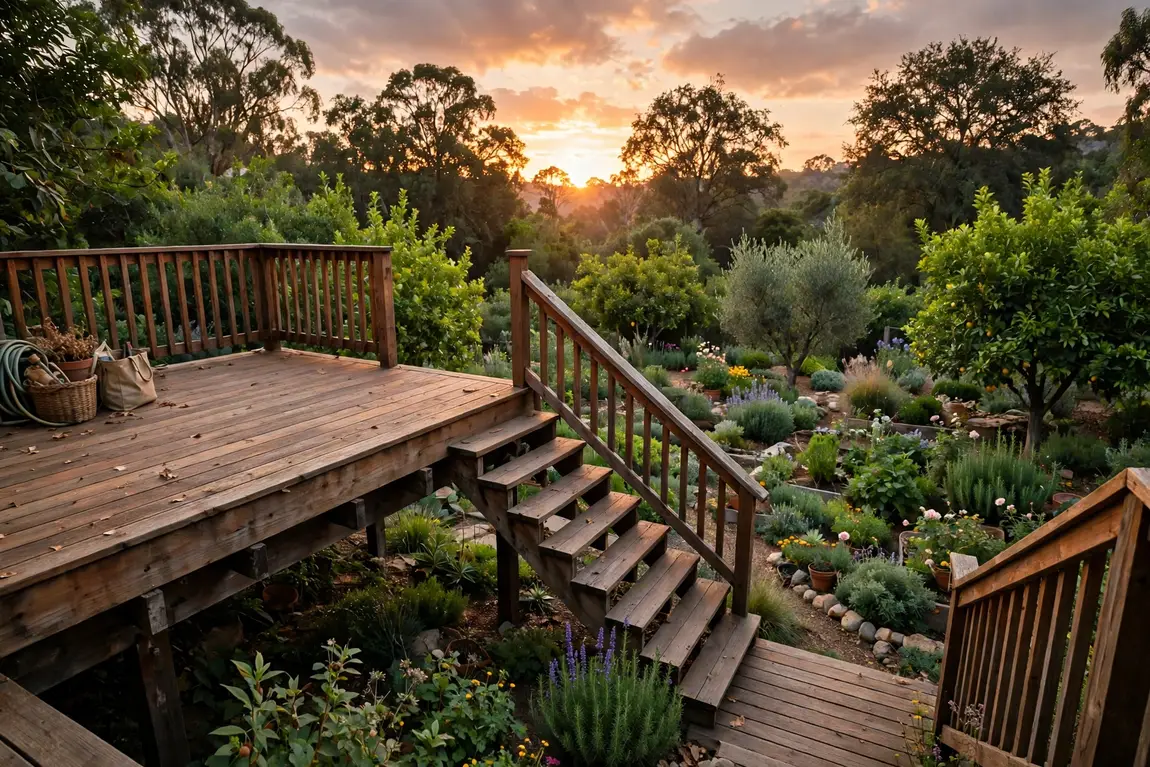
Size is the biggest factor, because every extra square foot needs more boards, framing, footings, and labor. Height matters too. A ground-level deck may only need short posts and simple footings, while an elevated deck needs taller posts, deeper footings, stronger bracing, and more railing for safety. Stairs add cost quickly as well, since each step needs stringers, treads, and often its own railing and landing.
Railings are another major variable. A simple wood railing keeps costs down, while metal balusters, cable rail, or glass panels can add several thousand dollars — though they open up views and look more modern. Permits and inspections typically add a few hundred dollars, and they are not a corner worth cutting: a permitted deck is safer and far less likely to cause problems when you sell.
- Size and shape: larger, multi-level, or curved decks cost more per project and sometimes per square foot.
- Height and stairs: elevated decks, long stair runs, and landings raise labor and material costs.
- Railings and extras: premium railings, lighting, built-in benches, and pergolas all add up.
- Site conditions: slopes, rocky soil, poor access, and removing an old deck increase the bill.
- Permits and codes: permit fees, inspections, and frost-depth footings vary by location.
Planning the space around the deck helps too. Pairing a new deck with low-maintenance landscaping ideas keeps the whole backyard easy to care for, so you spend weekends enjoying the deck instead of working around it.
DIY vs hiring a pro
Building the deck yourself can save roughly a third to half of the total cost, since you remove most of the labor bill. That saving is real, but so are the demands: digging footings below the frost line, setting posts level, framing to code, and handling inspections. A small, ground-level deck is reasonable for an experienced DIYer. A tall, large, or attached deck is a different story, and mistakes can become safety problems.
Hiring a licensed contractor costs more, but you gain speed, warranty coverage, and confidence that the structure meets code. Pros also handle permits, delivery, and waste disposal. A middle path works for many people: hire a pro for footings and framing, then install decking and railing yourself. Whichever route you choose, smart storage helps — these under-deck storage ideas show how to use the space below an elevated deck instead of wasting it.
Ways to save without cutting corners
Start by keeping the design simple. A rectangle with standard board lengths wastes less material and takes less labor than a design with lots of angles. Building in the off-season can sometimes lead to better quotes, and choosing pressure-treated framing with a mid-range surface balances durability and price. Finally, phase the extras: build the core deck now, and add lighting, skirting, or a pergola next year.
Frequently asked questions
How much does a 16×20 deck cost in 2026?
A 16×20-foot deck is 320 square feet, so most homeowners pay roughly $8,000 to $14,400 for pressure-treated wood, $12,800 to $22,400 for composite, and more for PVC or an elevated design. Local labor rates and site conditions will move the final quote within — or occasionally beyond — those ranges.
Is composite decking worth the extra cost?
For many homeowners, yes. Composite costs more upfront, but it avoids regular staining, sealing, and board replacement. If you plan to stay in your home for a decade or more, composite often pays for itself in time and upkeep saved.
Do I need a permit to build a deck?
In most areas, yes — especially for decks attached to the house, built above a certain height, or larger than a small platform. Rules, fees, and inspections vary by city and county, so check with your local building department before you start. Building without a required permit can create problems with insurance and a future sale.
How long does it take to build a deck?
A professional crew can often build a straightforward deck in about one to two weeks, not counting permit approval. Larger, elevated, or multi-level designs take longer. A DIY build usually stretches across several weekends, depending on experience, weather, and help.
Conclusion
A new deck is one of the most enjoyable upgrades you can make, and clear numbers make the project calmer. Budget by size and material first, allow room for stairs, railings, and permits, and then decide honestly whether DIY savings are worth your time. With a sensible design and the right material, your deck can deliver years of cookouts, quiet mornings, and extra living space — at a price you understood from the start.