

If your old water heater is rumbling, leaking, or running out of hot water halfway through a shower, you are probably asking one question first: what does tankless water heater cost in 2026, and is the upgrade really worth it? Tankless, or on demand, water heaters heat water only when you turn on a tap, so there is no big tank using energy all day to keep stored water hot.
That efficiency is appealing, especially in older houses where utility bills keep climbing. But the upfront price is higher than a standard tank model, and installation can get complicated. This guide breaks down real price ranges, running costs, and the situations where tankless makes financial sense — and where it does not.
Last updated: October 23, 2026.
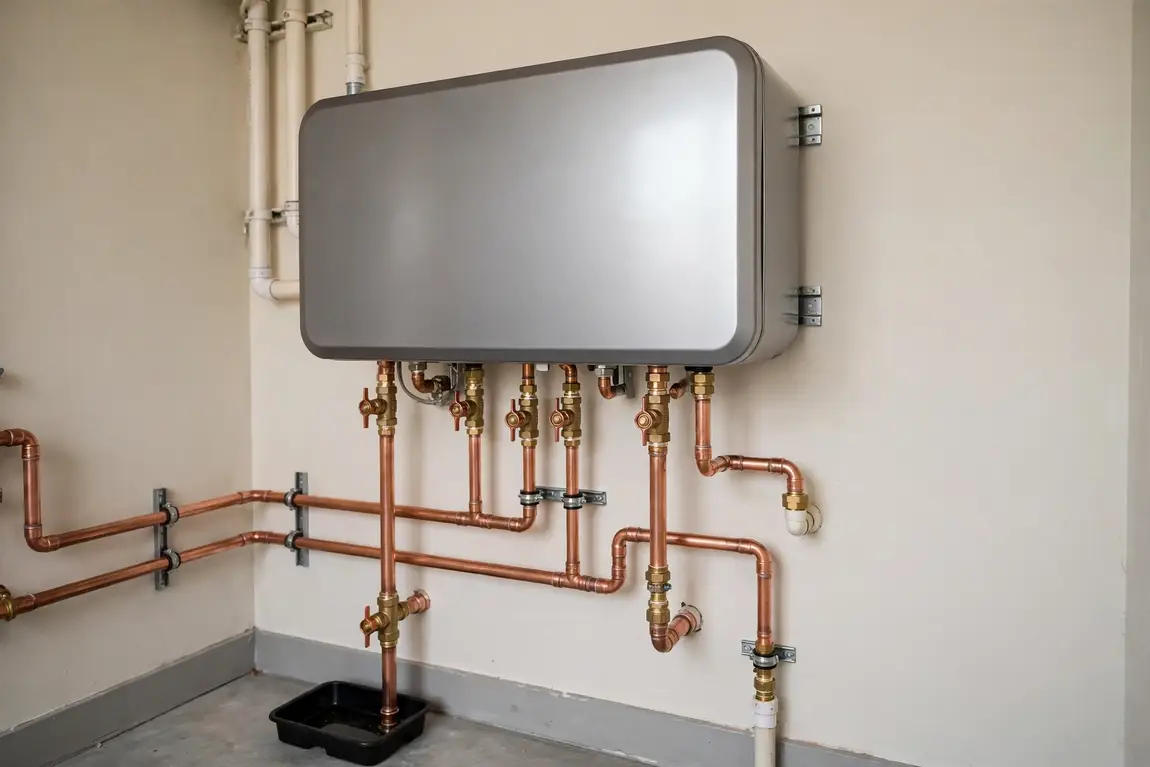
How a tankless water heater works
A traditional tank water heater stores 40 to 50 gallons of hot water and reheats it around the clock, even when nobody is home. A tankless unit works very differently. When you open a hot water tap, cold water flows into the unit, a sensor detects the flow, and a gas burner or electric element heats the water instantly as it passes through. When you close the tap, the unit switches off completely.
Because there is no stored water, a properly sized tankless heater can supply hot water continuously for back-to-back showers, laundry, and dishwashing. The trade-off is flow rate: every unit has a maximum gallons-per-minute output, and running three showers and a washing machine at the same time can stretch a smaller model. Choosing the right size based on your household’s peak demand is the single most important step in the whole project.
How tankless water heater cost breaks down in 2026
Homeowners often see a low unit price online and assume that is the whole job. In practice, the heater itself is only part of the bill. Labour, venting, gas line or electrical upgrades, permits, and removing the old tank all add up. The table below shows typical 2026 US price ranges. Use them as a planning guide, not a quote — your final price depends on your home, your region, and how much conversion work is needed.
| Cost item | Gas tankless | Electric tankless |
|---|---|---|
| Unit price | $800 – $2,500 | $500 – $1,500 |
| Professional installation | $1,000 – $2,500 | $800 – $2,000 |
| Total installed cost | $1,800 – $5,000 | $1,300 – $3,500 |
| Typical annual running cost | $200 – $350 | $250 – $450 |
| Standard tank heater, total installed | $1,300 – $2,800, with typical annual running costs of $300 – $550 | |
Gas models usually cost more to buy and install but are cheaper to run in most regions and deliver higher flow rates, which suits larger families. Electric models are simpler and often cheaper upfront, with no venting or gas line needed, but a whole-house electric unit may require a panel upgrade that can add $500 to $2,000. Point-of-use electric units for a single sink or shower cost far less, typically a few hundred dollars installed.
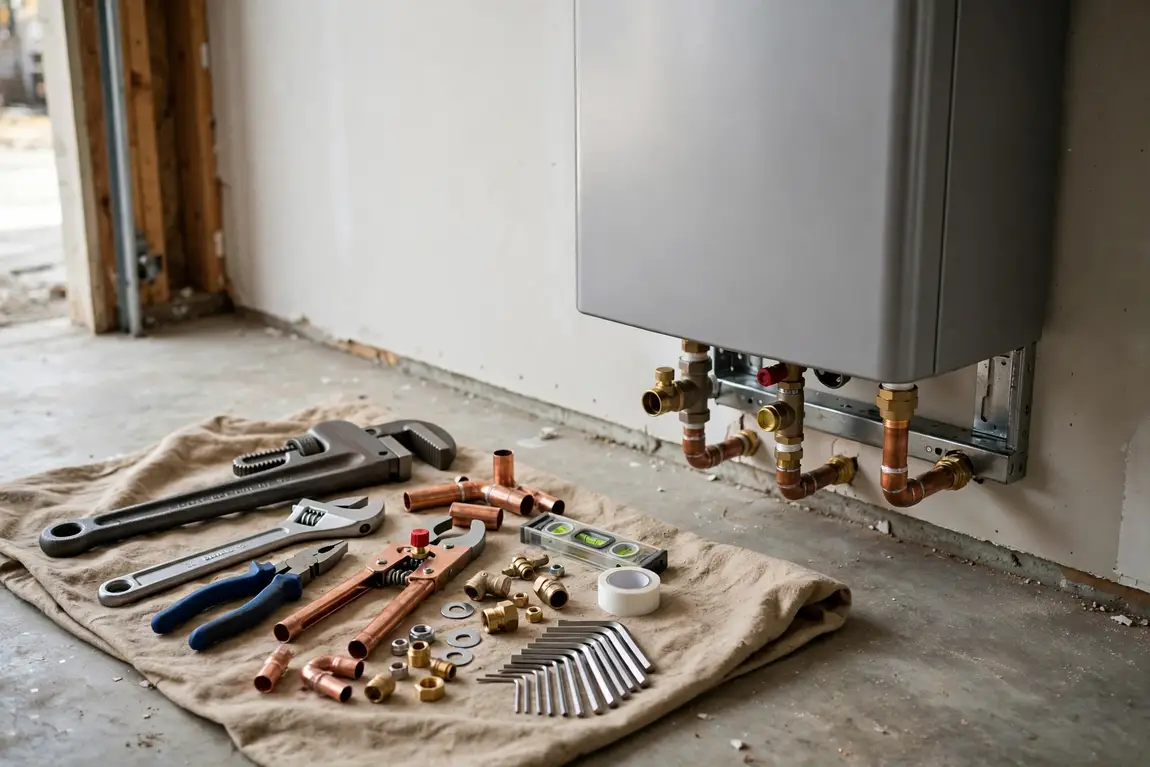
What drives the installation price up or down
- Fuel type and capacity: Larger, high-efficiency condensing gas units sit at the top of the price range.
- Venting: Gas tankless heaters need dedicated venting, and moving the unit away from an outside wall adds pipe runs and labour.
- Gas line or electrical work: Many older homes need a larger gas line, a new circuit, or a panel upgrade before the unit can run safely.
- Water quality: Hard water areas may need a filter or water softener to protect the heat exchanger and keep the warranty valid.
- Permits and disposal: Permit fees vary by city, and removing a heavy old tank takes time, especially from a basement or attic.
None of this means you should delay a failing heater. If you are already seeing warning signs, read our guide to the 5 signs it is time to replace your water heater before a small leak turns into water damage. Planning the replacement on your own schedule is almost always cheaper than an emergency call-out on a weekend.
Tankless vs tank water heater: an honest comparison
The tankless vs tank debate comes down to upfront cost versus long-term running cost and convenience. A standard tank heater is cheaper to buy, cheaper to install, and simple to replace like-for-like. Its weaknesses are standby heat loss, a limited supply of hot water, a shorter typical lifespan of around 8 to 12 years, and the space a large tank takes up.
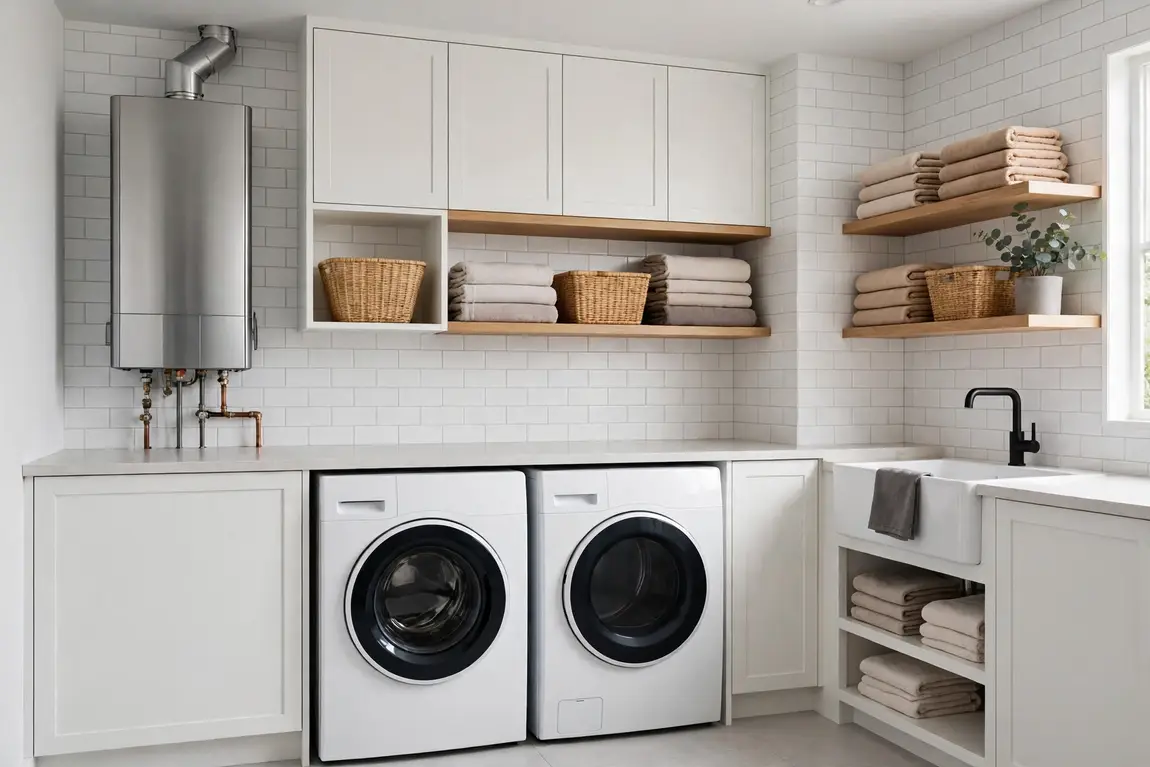
A tankless heater costs more at the start but typically lasts 15 to 20 years or longer with regular descaling. Energy bodies commonly estimate savings of roughly 8% to 34% on water heating energy compared with a storage tank, with the biggest savings in homes that use less hot water. It also frees up floor space, which matters in a small utility room, and it removes the risk of a tank bursting and flooding the room — though no plumbing system is ever completely leak-proof.
Running costs, maintenance, and lifespan
Water heating is one of the largest energy expenses in most homes, so even a modest percentage saving adds up year after year. To protect that saving, a tankless unit needs simple annual maintenance: flushing and descaling the heat exchanger, cleaning filters, and checking the venting. A professional service visit typically costs in the region of $150 to $300, while confident homeowners can do the flush themselves with a pump and a vinegar solution.
Skipping maintenance is the most common reason tankless heaters fail early, especially in hard water areas. Mineral scale insulates the heat exchanger, forces the unit to work harder, and can trigger error codes or shutdowns. Budget for the service, keep the manual, and note the install date so flushing becomes a yearly habit like changing a furnace filter.
Good basic plumbing care helps every type of heater last longer. Our roundup of common plumbing problems covers leaks, pressure issues, and sediment troubles to watch for, many of which show up first around the water heater.
Frequently asked questions
How long does a tankless water heater last?
With annual descaling and sensible use, most tankless water heaters last 15 to 20 years, and some last longer. That is roughly double the typical life of a storage tank heater, which is a major reason the higher upfront price can still work out cheaper over time.
Can a tankless heater supply a whole house?
Yes, if it is sized correctly. Add up the flow rates of the fixtures you realistically run at the same time — showers, taps, dishwasher, and washing machine — and choose a unit rated above that total for your climate. Very large homes sometimes use two units working together.
Is gas or electric tankless better?
Gas units generally deliver higher flow rates and lower running costs where natural gas is available, but they need venting and a suitable gas line. Electric units are simpler to install and suit smaller households or single bathrooms, provided your electrical panel can handle the load.
Do tankless water heaters need a water softener?
Not always, but in hard water areas a softener or scale filter strongly protects the heat exchanger and may be required to keep the manufacturer warranty valid. At minimum, plan on an annual flush if your water is hard.
Conclusion: is a tankless water heater worth it?
For many households, yes — a tankless water heater is worth it if you plan to stay in your home for years, use hot water steadily through the day, and size and maintain the unit properly. The payback comes from lower running costs, a much longer lifespan, endless hot water, and saved space, not from a quick win in the first year. If your budget is tight, your hot water use is low, or you may move soon, a quality tank heater can be the smarter buy. Get at least two itemised quotes, check what conversion work your home really needs, and compare the total installed price — not just the unit price — before you decide.