

If a driveway slab has dropped, a sidewalk panel tilts, or water now pools against your foundation, raising the concrete back into place is usually far cheaper than tearing it out. Understanding the average concrete leveling cost in 2026 helps you budget, compare mudjacking and foam quotes fairly, and spot a bid that is suspiciously low. Most homeowners pay between $500 and $1,500 for a typical job, and this guide breaks down exactly where that money goes.
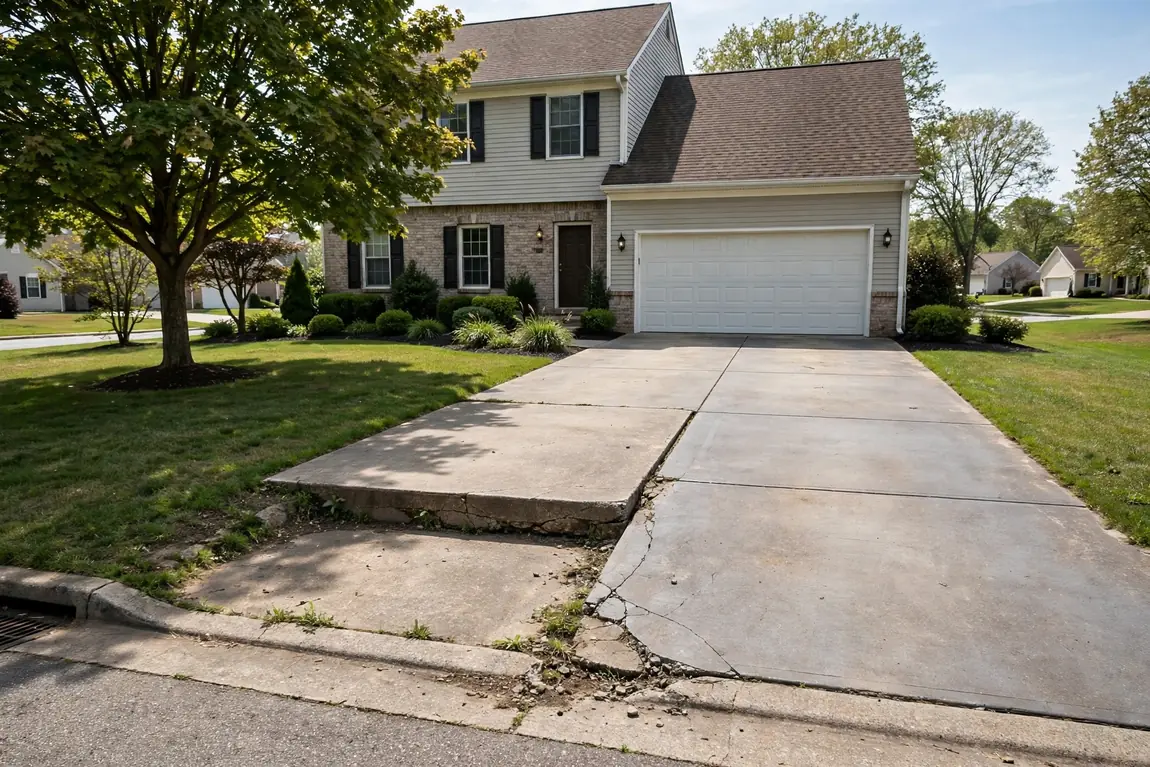
A sunken driveway slab is the most common reason homeowners start researching concrete leveling cost.
Concrete Leveling Cost in 2026: Average Prices
The national average concrete leveling cost is about $1,000 to $1,200 per project in 2026, but the total depends mainly on the method used and the size of the slab. Contractors usually price the work per square foot of concrete being lifted, not per hour.
| Method | Average Cost Per Sq. Ft. | Typical Project Total | Best For |
|---|---|---|---|
| Mudjacking (slabjacking) | $3 to $6 | $500 to $1,100 | Large, heavy slabs and tight budgets |
| Polyurethane foam leveling | $5 to $15 | $700 to $1,800 | Smaller holes, faster cure, lighter load |
| Full slab replacement | $8 to $18 | $2,500 to $10,000+ | Badly cracked or crumbling concrete |
Many companies also charge a $500 to $700 minimum per visit, so lifting every sunken slab in one trip lowers your overall concrete leveling cost per slab.
Concrete Leveling Cost by Project
| Project | Mudjacking | Polyurethane Foam |
|---|---|---|
| Driveway | $600 to $1,800 | $900 to $2,400 |
| Sidewalk or walkway | $300 to $700 | $400 to $900 |
| Patio or pool deck | $400 to $1,100 | $600 to $1,500 |
| Garage floor | $800 to $2,000 | $1,100 to $2,500 |
| Concrete steps or stoop | $300 to $600 | $400 to $800 |
| Basement or interior slab | $800 to $1,800 | $1,000 to $2,200 |
These are realistic 2026 U.S. ranges, not fixed quotes. Prices vary by region, slab size, access, and how far the concrete has settled, so a slab that has dropped four inches in a high-cost metro area will sit at the top of its range.
Signs Your Concrete Is Sinking
Concrete rarely fails overnight. It sinks when the soil underneath erodes, washes out, or was poorly compacted when the slab was poured. Watch for these warning signs:
- One slab sits noticeably lower than the slab next to it, creating a trip hazard.
- Cracks appear along joints, or existing cracks keep widening.
- Water pools on the slab or drains toward your house instead of away from it.
- Steps or a stoop pull away from the house, leaving a visible gap.
- Garage or basement floors feel uneven, and doors start to stick.
- You can hear a hollow sound when you tap or stomp on the slab, which suggests a void underneath.
Acting early keeps the repair smaller. A slab left to sink can crack under its own weight, at which point leveling may no longer be an option. Water problems deserve the same urgency below grade: if drainage is also sending water into your basement, compare this repair with our guide to basement waterproofing cost so you fix the source, not just the symptom.
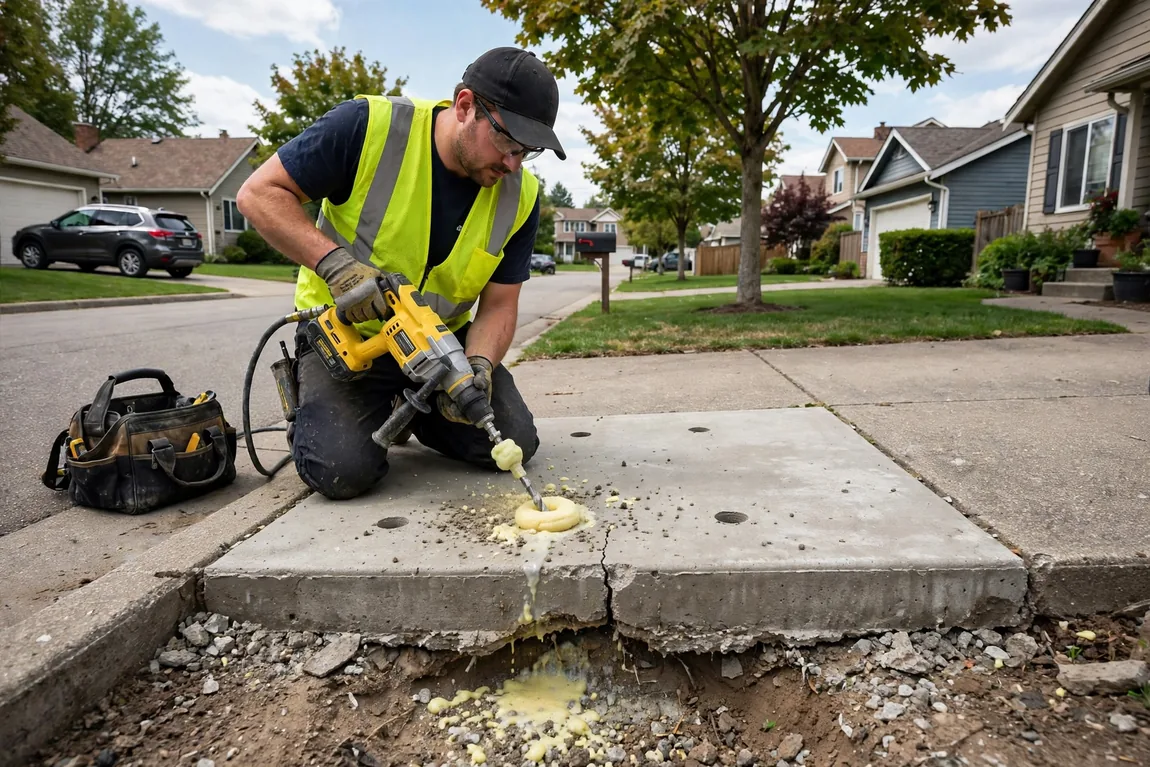
A contractor drills small holes and pumps material underneath the slab to lift it back to level.
Factors That Affect Concrete Leveling Cost
- Method: Foam material costs more than mudjacking slurry, but the holes are smaller and the repair cures faster.
- Size and number of slabs: More square footage means more material, but the per-slab price usually falls when several slabs are done together.
- How far the slab has sunk: Deeper voids need more material to fill, which raises the price.
- Access: A driveway a truck can reach is cheaper to service than a backyard patio reached only through a narrow gate.
- Soil and void conditions: Large hidden voids, washouts from broken pipes, and unstable soil add material and labor.
- Region and season: Labor rates vary widely by state, and peak spring and summer demand can stretch quotes upward.
- Extra work: Joint sealing, crack repair, and void filling beyond the lift are often priced separately.
If you are weighing leveling against starting over on a driveway, our breakdown of how much it costs to repave a driveway shows why replacement usually costs two to four times more once demolition and disposal are included.
Mudjacking vs. Polyurethane Foam Leveling
Both methods drill holes through the slab, pump material underneath, and lift the concrete as the void fills. The material is where they differ, and that difference drives most of the concrete leveling cost gap between quotes.
Mudjacking: Pros and Cons
- Pros: Lowest price per square foot; proven method for large, thick slabs; the heavy slurry also fills big voids well.
- Cons: Larger drill holes, about 2 inches wide; the added weight can stress weak soil; the slab usually needs 24 to 48 hours before vehicles return.
Polyurethane Foam: Pros and Cons
- Pros: Tiny holes, about 5/8 inch; the foam is lightweight, water-resistant, and expands to fill voids precisely; most slabs can be used within about 15 to 30 minutes of curing.
- Cons: Higher material cost; not every contractor offers it; very large voids can make foam expensive.
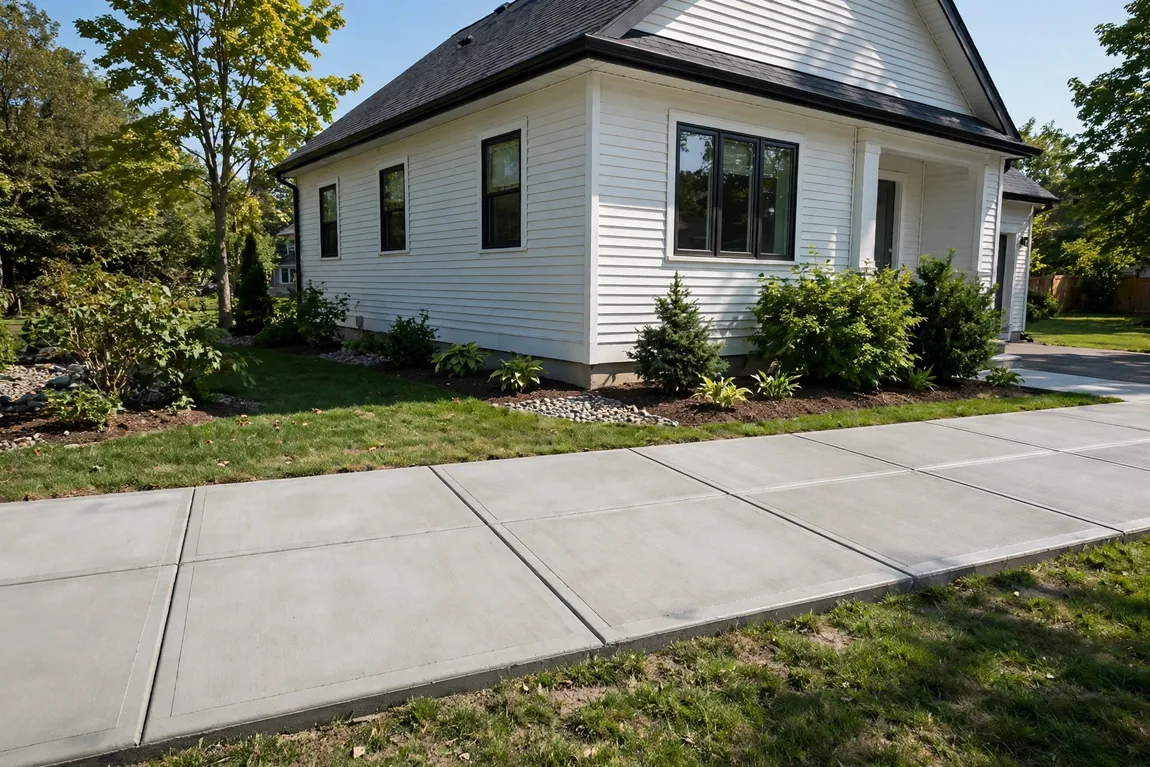
After leveling, sidewalk slabs sit flush again, removing trip hazards and improving drainage.
DIY vs. Hiring a Pro
Leveling looks simple on video, but it is professional work in practice. The equipment — mud pumps, foam rigs, and slab drills — is specialized and expensive to rent, and there is little margin for error. Pump too much and you can crack the slab, turning a $900 repair into a full replacement.
Small cosmetic fixes are fair DIY territory: filling a hairline crack or sealing a joint. Actual lifting is not. A pro also checks why the slab sank, warranties the lift, and carries insurance. Compared with a DIY rental gamble, a warrantied concrete leveling cost from a pro is usually the cheaper outcome.
If sinking extends beyond flatwork and you see foundation cracks, sticking windows, or sloping interior floors, get the structure checked first. Our guide to foundation inspection cost explains what that evaluation costs before you commit to bigger repairs.
How Long Does Concrete Leveling Last?
A well-done leveling job should last 5 to 10 years or longer, and foam repairs are often expected to last well beyond that because the material does not wash out or break down in soil. Longevity depends less on the material than on the cause: if water keeps eroding the soil — from a leaking pipe, poor grading, or overflowing gutters — the slab can sink again no matter which method you choose.
Protect the repair by sealing joints, directing downspouts away from slabs, and fixing drainage promptly. Reputable companies commonly warranty their work for 2 to 5 years, and some foam installers offer longer coverage.
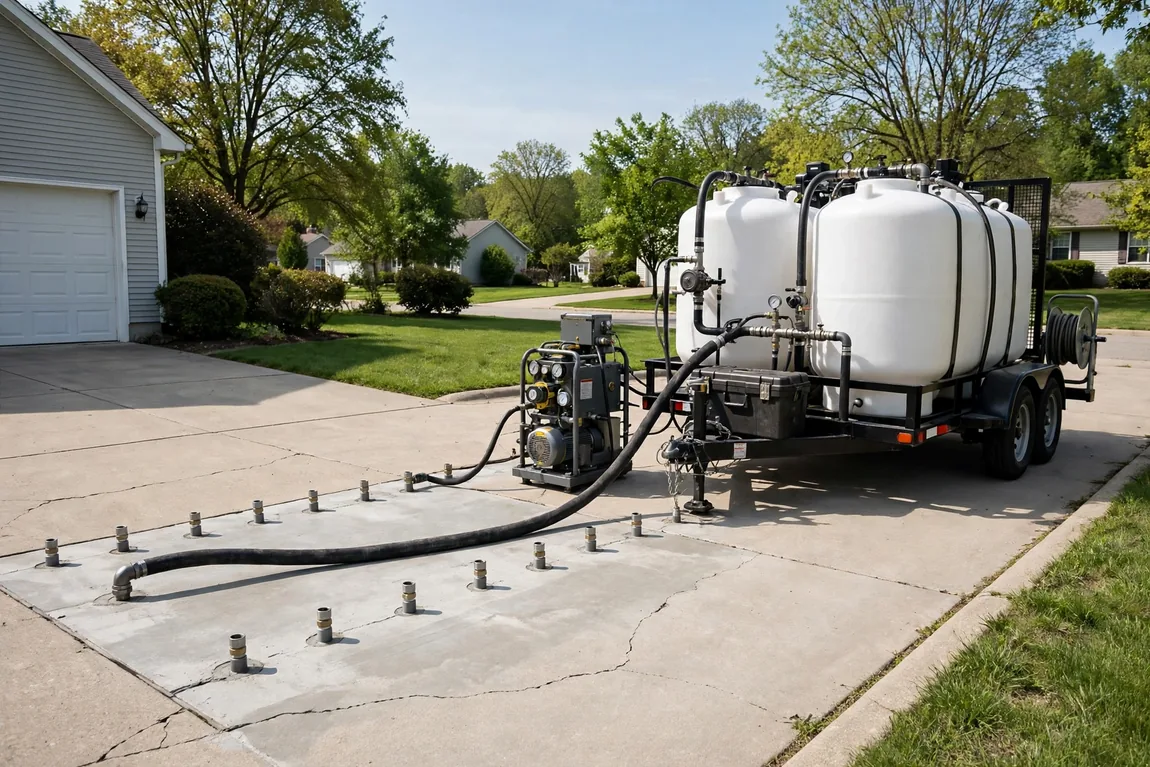
Foam leveling rigs use a pump, hose, and injection gun to raise slabs through holes smaller than an inch wide.
Frequently Asked Questions
Is concrete leveling worth it compared with replacement?
Usually, yes. Leveling typically costs 50% to 70% less than replacement, takes hours instead of days, and lets you use the surface the same or next day. Replacement only makes more sense when the concrete is badly cracked, spalling, or at the end of its life.
How long does a leveling job take?
Most residential jobs take 1 to 3 hours. Mudjacked driveways need about 24 to 48 hours before cars return, while foam-level slabs are often ready for vehicles within 30 minutes.
Will leveling fix cracks in my concrete?
Leveling lifts the slab but does not repair cracks. As slabs rise, some cracks close up slightly, and your contractor can seal joints and cracks afterward for an added fee.
Can concrete be leveled in winter?
Foam leveling can often be done year-round as long as the ground is workable, while mudjacking is more weather-sensitive. Availability and pricing vary by region and season.
How do I get an accurate quote?
Get at least three written quotes that state the method, the number of slabs, the estimated lift, and the warranty. A fair concrete leveling cost quote should be based on an in-person look at the slab, not a price given sight unseen.
Bottom line: For sound but sunken concrete, leveling is a best-value repair in 2026. Budget $3 to $6 per square foot for mudjacking or $5 to $15 for foam, and fix the water problem that caused the sinking.