

When a fridge stops cooling or a washer will not drain, the first question is usually about money. Understanding the typical appliance repair cost before you book a visit helps you decide whether to repair, replace, or simply get a diagnosis first. In 2026, most repairs are still far cheaper than a new appliance, but the gap closes quickly on older machines.
The national average is $179, with most homeowners paying between $108 and $251, according to Cinch Home Services using HomeAdvisor data. Technicians typically charge $50 to $150 per hour, plus a service call fee of $50 to $200. Many companies also charge a diagnostic fee of $60 to $100 that is credited toward the repair if you approve the work.
That average hides a wide spread. A microwave fix can sit near the bottom of the range, while a refrigerator compressor or control board can push a bill several times higher. The appliance, the part, and the age of the machine matter more than any single national figure.
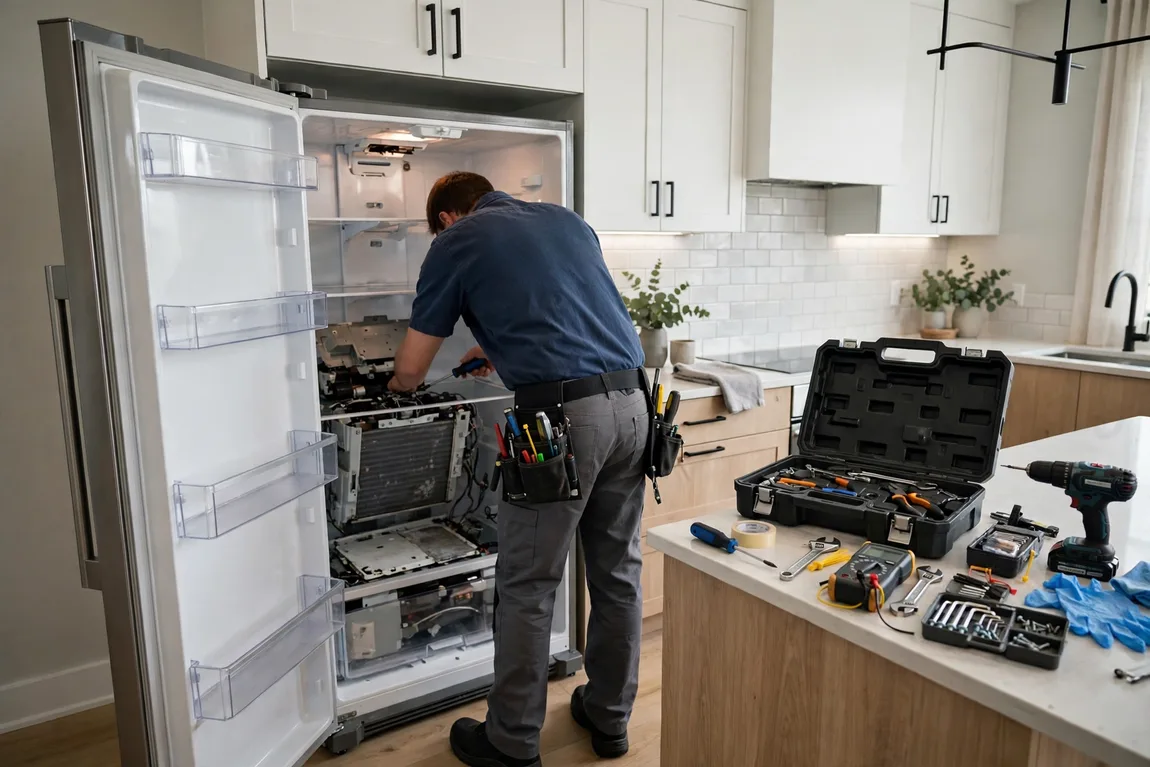
What Is the Average Appliance Repair Cost in 2026?
Start with the three parts of almost every bill: the visit, the labour, and the part. The service call gets a technician to your door. Labour covers diagnosis and fitting. Parts range from a few dollars for a belt or valve to several hundred dollars for a control board, motor, or compressor.
Brand and access change the labour time. A built-in wall oven tucked into cabinetry takes longer to reach than a freestanding dryer. Imported and premium brands can also mean pricier parts and longer waits for delivery.
The table below uses the 2026 ranges published by Cinch Home Services from HomeAdvisor cost guides. Treat the averages as midpoints for budgeting, then get a written quote for your exact model and fault.
| Appliance | Typical 2026 Range | Average |
|---|---|---|
| Any appliance (national average) | $108 – $251 | $179 |
| Refrigerator | $300 – $1,000 | $650 |
| Washing machine | $125 – $450 | $180 |
| Clothes dryer | $100 – $430 | $180 |
| Dishwasher | $160 – $300 | $200 |
| Wall oven | $130 – $310 | $200 |
| Microwave | $100 – $200 | $175 |
| Freestanding ice maker | $200 – $300 | $260 |
| Small countertop appliances | $50 – $100 | — |
Before you approve work, ask for the full appliance repair cost in writing, split into call-out, labour, and parts. That breakdown makes it easy to compare two quotes and to apply the repair-or-replace test below.
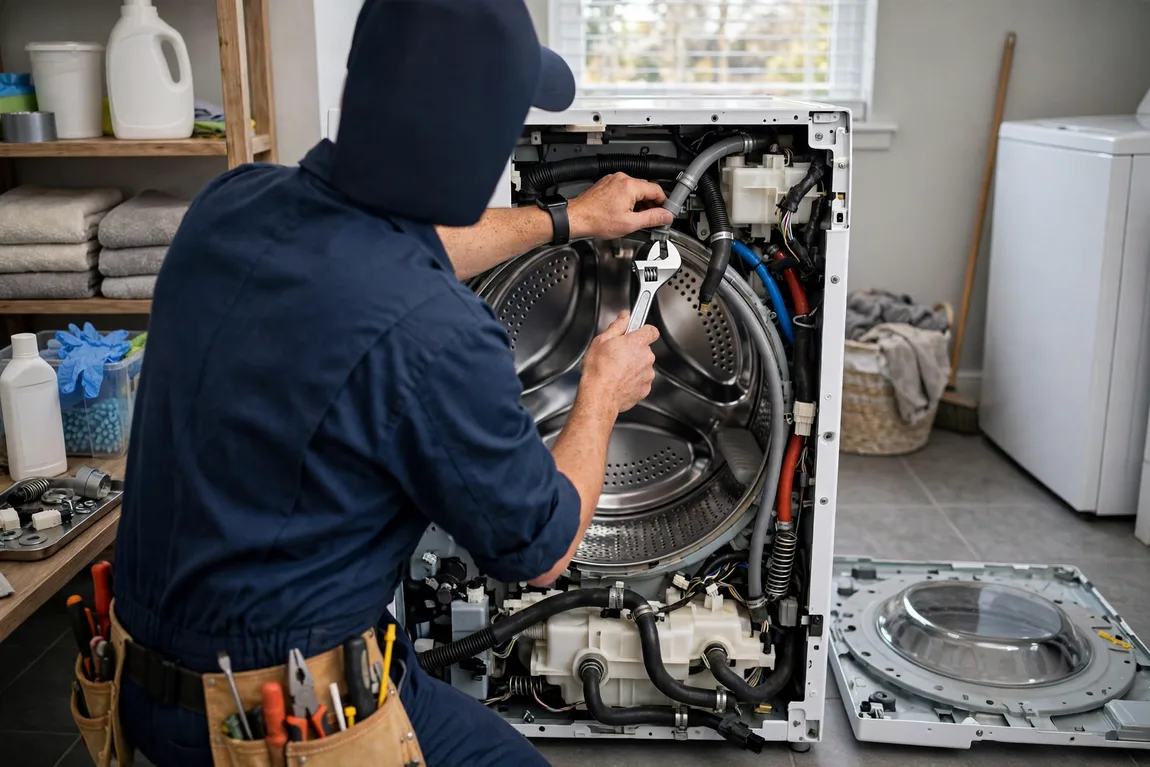
Repair Prices by Appliance
Refrigerators are the most expensive common repair. A door seal or ice maker fix can be modest, but a control board can run $80 to $800 and a compressor $200 to $450 before labour. Sealed-system work on an older fridge rarely makes sense.
Washers and dryers sit in the middle. Drain pumps, belts, hoses, and heating elements are routine jobs. A washer drum replacement, at $400 to $900, is the exception that usually points toward replacement instead.
Dishwashers and ovens depend on the part. Inlet valves and wash arms are inexpensive. Drain pumps, heating elements, motors, and gas igniters cost more, especially when the unit must be pulled out of cabinetry to reach them.
Microwaves are the cheapest major repair on the list, but a door assembly at $200 to $500 can exceed the price of a new countertop model. Built-in and over-the-range units are a different calculation because replacement involves fitting as well.
Factors That Affect the Price
Age and condition. Older appliances need pricier, harder-to-find parts, and one repair often reveals the next weak component. A machine near the end of its 10 to 15 year typical life deserves extra scrutiny.
Type of fault. A worn belt, clogged valve, or failed igniter is quick work. Electronic control boards, motors, and sealed refrigeration systems take longer and cost far more in parts.
Brand and model. Premium and imported brands usually carry higher part prices. Keeping your model and serial number ready when you call speeds up an accurate quote.
Labour and location. Hourly rates of $50 to $150 vary by region and by company. Emergency and weekend visits add a premium, so a non-urgent fault is cheaper booked on a weekday.
Access. Stacked laundry units, built-in ovens, and tight under-counter ice makers all add labour time. Clearing access before the visit can keep the clock down.
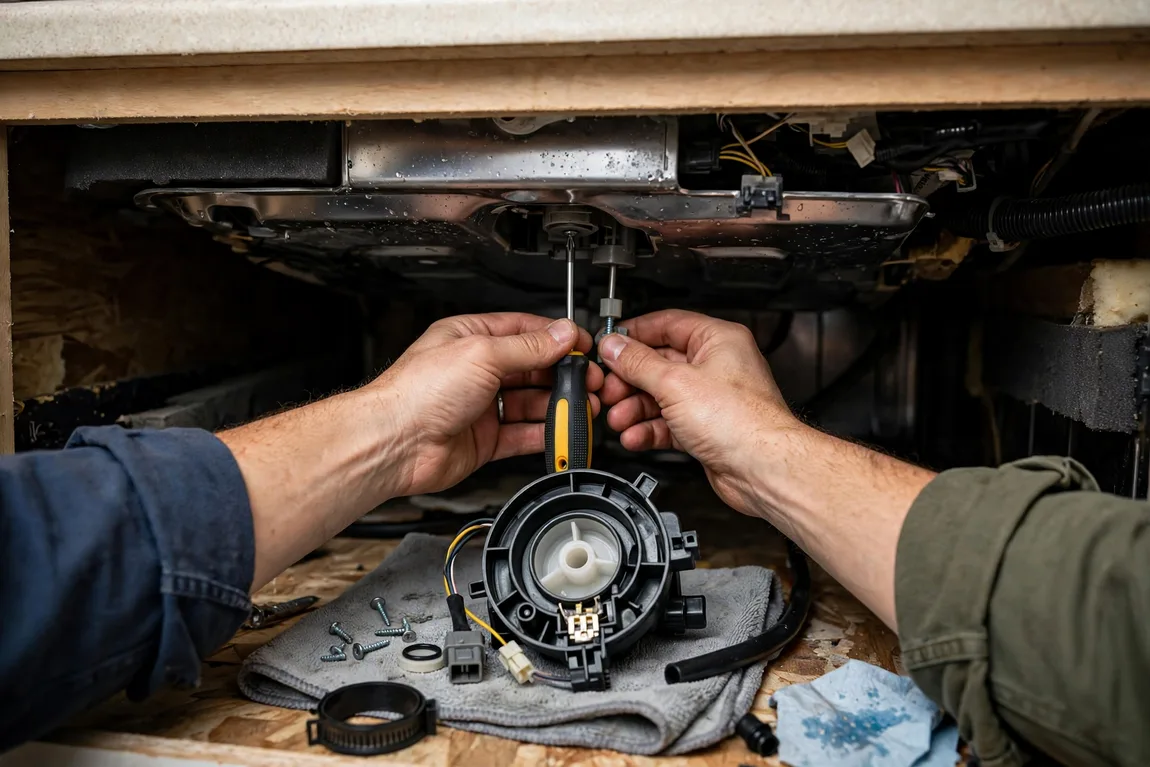
DIY vs Professional Repair
Some jobs are sensible for a confident homeowner: cleaning coils, replacing a fridge door seal, unclogging a dishwasher filter, or fitting a dryer belt on an unplugged machine. These tasks need basic tools, no refrigerant or gas work, and clear safety steps.
Leave gas lines, refrigerant and sealed systems, microwave electronics, and control board diagnosis to a professional. Microwaves can retain a dangerous charge even when unplugged, and gas and refrigerant work may require certification in your state.
A practical middle path is to pay for diagnosis first. A $60 to $100 diagnostic visit, credited toward the job if you proceed, tells you the exact fault and part price before you commit to the full appliance repair cost on a machine you may decide to replace.
Repair or Replace? Use the 50 Percent Rule
Cinch and other guides cite a simple rule of thumb. If the appliance is more than halfway through its expected life and the repair would cost more than 50 percent of a new unit, replacement is usually the better buy.
Add energy and reliability to the maths. A new fridge or washer can use noticeably less power and water than a 12-year-old model, and it comes with a warranty. On the other hand, a well-built older machine with one simple fault is often worth one good repair.
Think about timing too. If a failure happens during a planned kitchen remodel, replacement may fit the project anyway. If the budget is tight and the fault is minor, a repair that buys two or three more years can be the smart move.
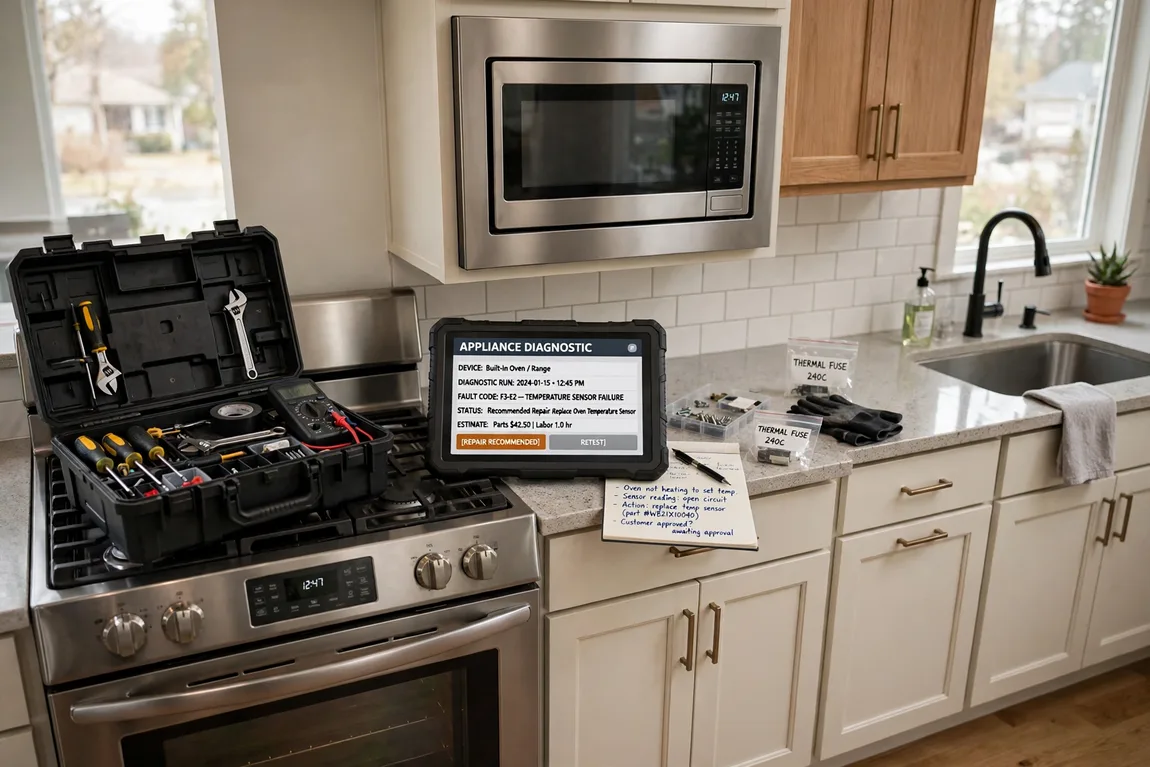
How to Keep the Bill Down
Describe the symptoms, model number, and any error codes when you book. That helps the technician bring the likely part on the first visit and avoid a second trip charge.
Ask whether the diagnostic fee is credited, whether parts and labour carry a warranty, and whether a flat rate applies instead of open-ended hourly billing. Get the quote in writing before work starts.
Finally, maintain the machines you keep. Clean dryer vents, replace water filters on schedule, and leave washer doors ajar to prevent mould. Small habits prevent several of the most common call-outs.
Keep a simple record for each major appliance: purchase date, model number, and every repair invoice. That history helps a technician diagnose repeat faults faster, helps you spot a machine that is becoming a money pit, and gives you a realistic appliance repair cost trend for your own home instead of relying only on national averages when the next breakdown happens.
Frequently Asked Questions
How much is a service call in 2026?
Expect $50 to $200 for the visit, depending on the company and region. A separate diagnostic fee of $60 to $100 is common, and many firms credit it toward the repair when you approve the work, so confirm the policy when you book.
Why are refrigerator repairs so expensive?
The fridge combines electronics, a sealed cooling system, and parts that run constantly. Control boards and compressors are costly components, and the labour to fit them safely adds up, which is why this appliance tops the price table.
Is it worth repairing a 10-year-old washer?
Often yes for a pump, belt, or valve, and often no for a drum or motor. Compare the quote with half the price of a comparable new machine. If the quote is below that line and the machine is otherwise sound, repair is reasonable.
Do technicians charge by the hour or a flat rate?
Both models exist. Hourly rates run $50 to $150, while many companies quote a flat price per job after diagnosis. A written flat quote protects you if the job takes longer than expected, so ask which model your company uses.
What should I check before calling a technician?
Confirm the power supply, breaker, water valves, and filters first. Note the model number and symptoms. That simple check can avoid a visit for a tripped breaker, and it helps you get an accurate appliance repair cost estimate on the first call.