

A burst pipe or a flooded basement never happens at a convenient time, and the first question every homeowner asks is what the cleanup will cost. Knowing the typical water damage restoration cost before you call a crew helps you act fast without overpaying. In 2026, the national average is $3,860, with most homeowners paying between $1,383 and $6,370 for mitigation and restoration, according to HomeAdvisor data reported by PuroClean.
That range covers water extraction, drying, cleaning, and basic restoration. It does not include full reconstruction like new drywall, flooring, or cabinets, which is billed separately. This guide explains how pros price the job, what pushes a bill toward the top of the range, and when you can safely handle part of the work yourself.
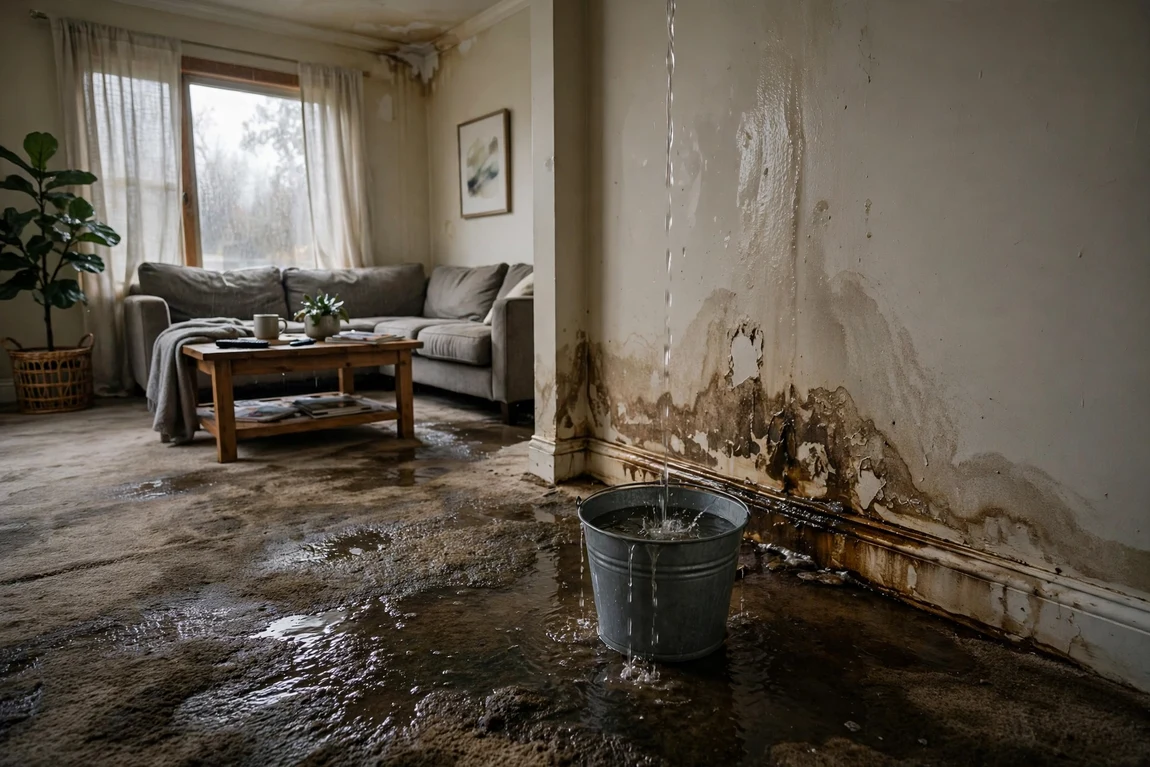
What Restoration Pros Actually Do
Restoration is a race against the clock. Mold can begin growing on damp materials within 24 to 48 hours, so a professional crew starts with emergency water extraction as soon as they arrive.
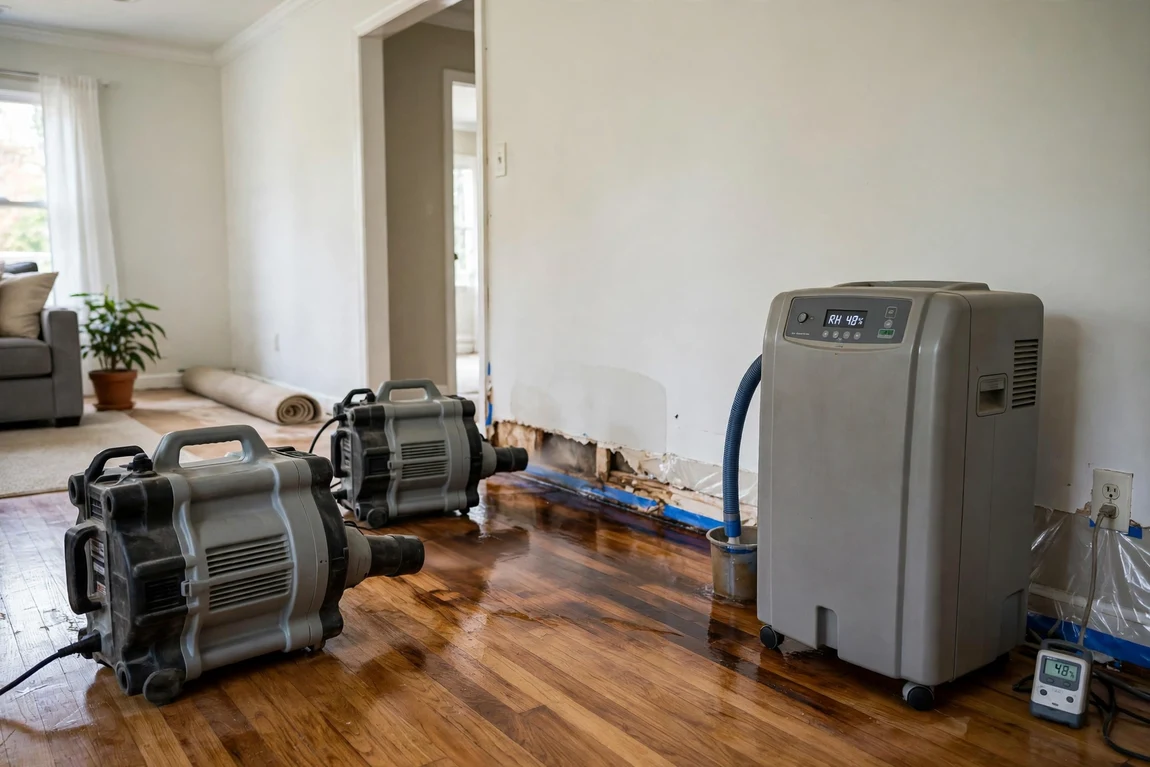
Next comes structural drying. Technicians place industrial air movers and dehumidifiers, then monitor moisture levels in walls, floors, and cavities for three to five days on a typical job.
Cleaning and sanitizing follow, especially when the water carried contaminants. Finally, the crew removes materials that cannot be dried safely, such as soaked insulation or swollen particleboard.
Only after the structure is verified dry does repair work begin. Keeping mitigation and rebuilding as separate phases is why quotes for the same flood can look so different.
How Much Does Water Damage Restoration Cost in 2026?
The benchmark water damage restoration cost figures for 2026 put the national average at $3,860, with a typical range of $1,383 to $6,370. Those numbers come from HomeAdvisor project data and are summarized in PuroClean’s 2026 guide to fixing water damage.
Per square foot, price depends mainly on the category of water involved. Clean water is the cheapest to handle, while contaminated black water needs protective gear, containment, and careful disposal.
Small, contained leaks sit far below the average. A minor leak that is caught early can cost a few hundred dollars to dry out, while a whole-house flood can climb past $15,000 once repairs are included.
Typical Prices by Water Category and Scenario
The table below uses the per-square-foot rates and averages reported for 2026. Use it to sanity-check any quote you receive.
| Type of Job | Typical Cost in 2026 | Notes |
|---|---|---|
| National average job | $3,860 | Mitigation and restoration only |
| Typical range, most homes | $1,383 – $6,370 | Excludes major reconstruction |
| Category 1: clean water | $3 – $4 per sq. ft. | Broken pipes, rainwater, appliance supply leaks |
| Category 2: gray water | $4 – $7 per sq. ft. | Dishwasher and washing machine overflows |
| Category 3: black water | $7 – $15 per sq. ft. | Sewage backups and outdoor flooding |
| Minor leak, dried early | $150 – $500 | Small area, minimal absorption |
| Sewage backup cleanup | $7,000 – $14,000+ | Heavy sanitation and demolition |
| Mold remediation, if needed | Add $1,200 – $3,750 | Common when water sits over 48 hours |
Notice the jump between categories. The same 200-square-foot room can cost two to three times more to restore when the water is contaminated, because porous materials must come out instead of being dried in place.
Factors That Affect Your Final Bill
Category of water. Clean water from a supply line is straightforward. Gray water needs antimicrobial treatment, and black water from sewage or flooding requires full protective equipment and hazardous disposal, which is why it tops the price chart.
How long the water sat. Time is money here in the most literal way. Clean water left standing can degrade into a dirtier category, drywall wicks moisture upward, and mold adds a separate remediation bill.
Size of the affected area. A single bathroom costs far less than a finished basement. Water that spreads across floors also means ceiling removal and drying wall cavities on the level below.
Materials involved. Tile is forgiving. Hardwood, carpet with padding, laminate, and drywall absorb water and often need removal. The more porous material in the room, the higher the water damage restoration cost for that space tends to be.
Equipment and labor. Most companies price insurance work with Xactimate, the industry-standard estimating software, so rates for the same scope are fairly consistent by ZIP code. Out-of-pocket jobs allow more flexibility, but the cheapest bid can leave hidden moisture behind.
What to Expect During the First Few Days
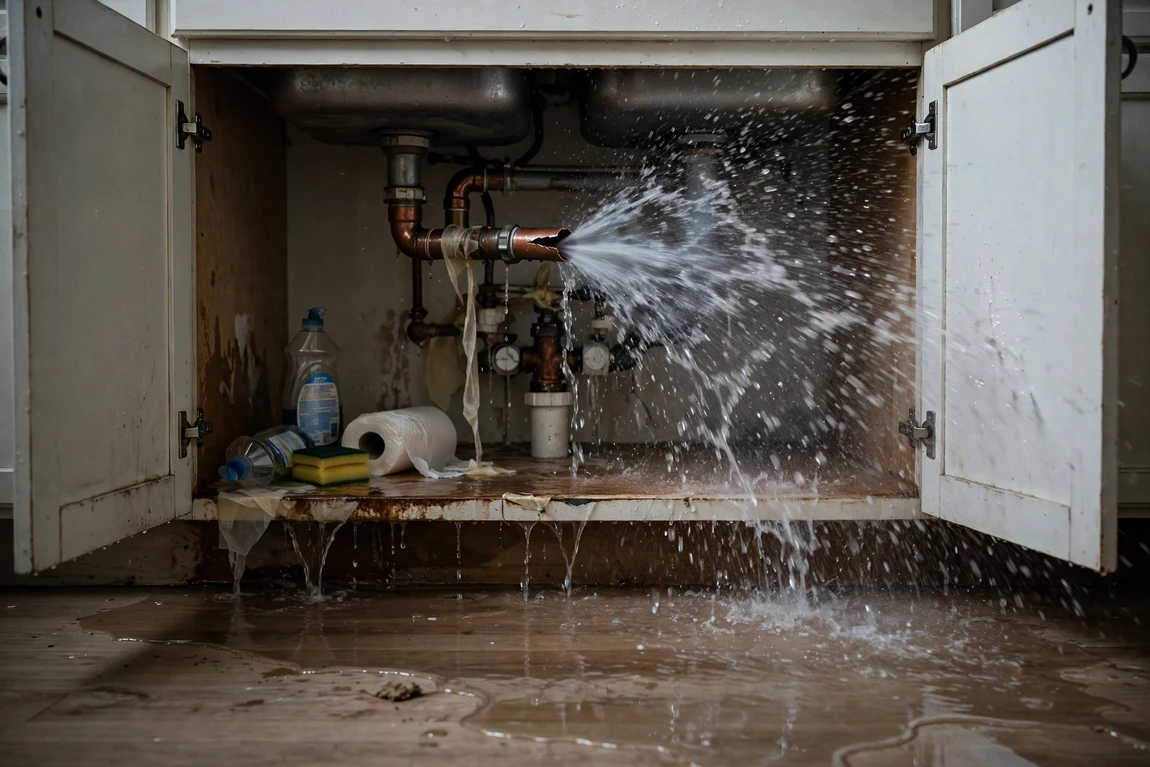
Day one is about stopping the damage. The crew finds and confirms the source is shut off, extracts standing water, and may remove baseboards or drill small drying holes so air can reach inside wall cavities.
On days two and three, equipment runs around the clock and a technician visits to take moisture readings. You will hear fans constantly, and the affected rooms will feel warm and dry, which is exactly the goal.
By day four or five, readings should be back to normal dry standards. The crew removes its equipment, confirms the structure is dry in writing, and hands over documentation your insurer and repair contractor can both use.
Does Homeowners Insurance Cover It?
Usually, yes for sudden and accidental events. Burst pipes, appliance failures, and overflow from a plumbing fixture are commonly covered, subject to your deductible.
Gradual problems are a different story. Long-term leaks, neglected maintenance, and groundwater flooding are typically excluded unless you carry a separate flood policy.
Call your insurer early and document everything with photos before the crew starts. Keep receipts for emergency work, because mitigation you pay for upfront is often reimbursable on a covered claim.
DIY vs. Hiring a Restoration Company
There is a sensible DIY zone. For a small clean-water spill you catch immediately, you can stop the source, mop and extract with a wet vacuum, run fans, and use a home dehumidifier.
Beyond that, professional help pays for itself. Pros bring moisture meters and thermal imaging that find water hiding behind walls, plus drying equipment far stronger than anything you can rent quickly.
Never tackle black water yourself. Sewage carries bacteria and viruses, and disturbing contaminated material without containment spreads the problem to clean areas of the house.
A good rule: if the wet area is bigger than a small closet, if water touched drywall or insulation, or if it has been sitting for more than a day, call a certified restoration company.
How to Keep the Bill as Low as Possible
Speed is the biggest saving. Shut off the water, move furniture and rugs out of the wet area, and call for extraction the same day. Every hour counts before mold starts.
Get the scope in writing, with drying goals and equipment days spelled out. Ask what is mitigation, what is repair, and what is reconstruction, so you can compare quotes fairly.
Finally, fix the source properly and consider a leak detector with automatic shutoff. It is a small spend compared with repeating this process next year.

Frequently Asked Questions
How long does the whole process take?
Drying usually takes three to five days. Full restoration takes longer when reconstruction is needed, and a large loss with new flooring and drywall can run several weeks.
How is the price calculated?
Most pros estimate by the square foot, adjusted for water category and damage severity. Your final water damage restoration cost also reflects equipment days, labor, and how much material must be removed and replaced.
Can I stay in my home during the work?
Often yes for small, contained jobs. For black water, heavy demolition, or a whole-house loss, staying elsewhere for a few days is safer and more comfortable.
Will mold always grow after water damage?
Not if drying starts within 24 to 48 hours and moisture readings return to normal. Delays are what turn a drying job into a mold remediation job.
What if I cannot afford the full quote?
Ask about phased work. Complete the mitigation first, since stopping damage is time-critical, then schedule repairs in order of importance once the structure is dry.
The Bottom Line
Plan around the $3,860 national average, expect $3 to $15 per square foot depending on the water involved, and treat speed as your best discount. Fast extraction and proper drying keep a bad day from becoming a major rebuild.
If the water is contaminated, the area is large, or drywall is wet, bring in a certified crew. Whatever your water damage restoration cost estimate says, let your insurer share it where the policy allows.