

A leftover tree stump spoils the look of a lawn, trips up mowers and can sprout fresh shoots just when you thought the tree was gone. The good news is that grinding is one of the cheaper tree jobs to hire out, as long as you understand how stump grinding cost is worked out before the quotes arrive.
This guide uses the 2026 ranges published by Angi to show what a typical job costs, why diameter matters more than almost anything else, and when renting a grinder yourself does or does not pay. Every figure is a planning range, because access, wood type and your location all move the final quote.
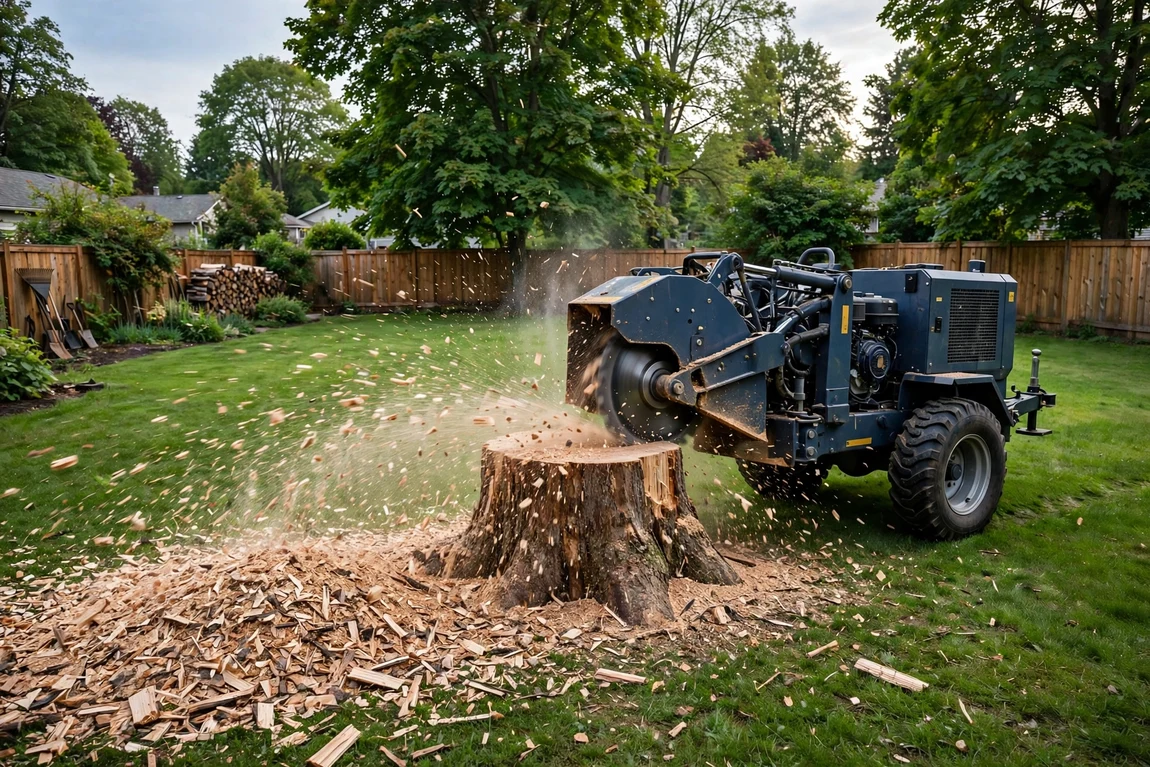
How Much Does Stump Grinding Cost on Average?
According to Angi’s 2026 stump grinding cost data, the national average is about $250 per stump. Most homeowners pay between $120 and $400 for a standard job.
Very large stumps can push the total much higher, up to about $1,600 in Angi’s figures. At the other end, most contractors apply a minimum fee of around $100 per visit, so even a tiny stump rarely costs less than that.
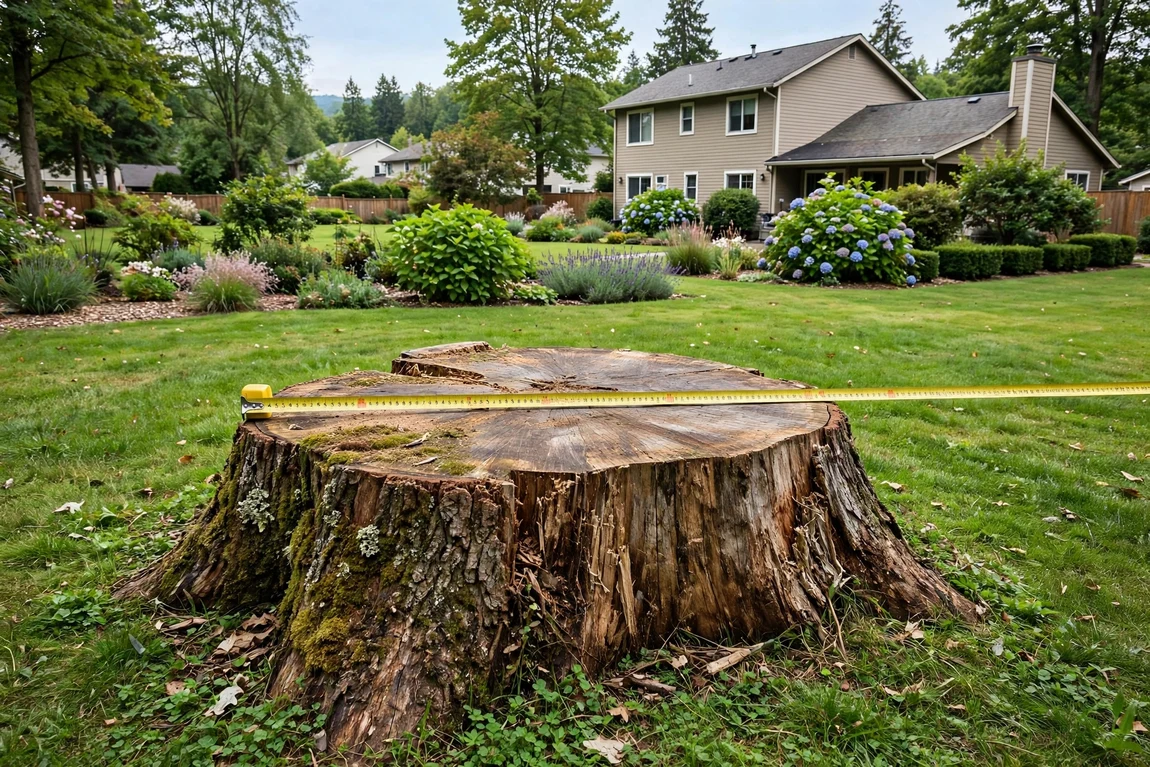
The pricing method explains the spread. Most pros charge about $2 to $5 per inch of diameter, measured across the widest part of the stump at ground level. A tape measure across your stump is therefore the fastest way to estimate your own price.
Stump Grinding Prices by Size and Quantity
Diameter and the number of stumps on the same visit are the two levers in the table below, which is built from Angi’s published diameter and quantity ranges.
| Job | Typical cost in 2026 | Notes |
|---|---|---|
| 6-inch stump | $118 to $130 | Small, young tree or large shrub |
| 12-inch stump | $124 to $160 | Common small garden tree |
| 18-inch stump | $136 to $190 | Mid-size shade tree |
| 24-inch stump | $148 to $220 | Large mature tree |
| Per diameter inch | $2 to $5 | How most pros price the job |
| First stump, minimum basis | $100 to $150 | Typical starting point per visit |
| Each additional stump, same visit | $40 to $75 | Cheaper once the machine is on site |
| Five stumps, same visit | $260 to $400 minimum basis | Per-stump price falls as you add more |
The quantity discount is worth using. Angi notes that contractors often charge about $100 to $150 for the first stump and only $40 to $75 for each additional one on the same visit, because travel and set-up are already paid for.
Before the crew arrives, take a photo of each stump with the tape measure visible across it. Sending those photos with your quote request helps the contractor bring the right machine size and give a firmer price without a separate site visit.
If a neighbour has stumps too, ask about a shared visit. Even splitting the set-up fairly can bring both households closer to the additional-stump rate than to two separate minimum charges.
Factors That Affect Cost
Knowing what sits behind a stump grinding cost quote helps you judge whether a high bid is justified or simply high.
Diameter, wood hardness and age
Diameter sets the base price, but the wood itself sets the grinding time. Dense hardwoods such as oak, walnut and maple take longer to chew through and often carry an added labour charge, while softer woods grind faster.
Age cuts the other way. An older, partly rotten stump is usually easier and cheaper to grind than a fresh, healthy one. A diseased stump is worth removing promptly anyway, because rot and blight can spread to nearby trees.
Access and terrain
A grinder needs to reach the stump. Narrow gates, steep slopes, steps and long distances from parking all add labour. Angi notes that some pros charge about $50 per hour for difficult access work, while others add a flat fee of up to $200 for a challenging site.
Clearing a path before the crew arrives is one of the simplest savings available. Move garden furniture, pots and ornaments, and make sure the gate opens wide enough for the machine your contractor plans to bring.
Cleanup, permits and restoration
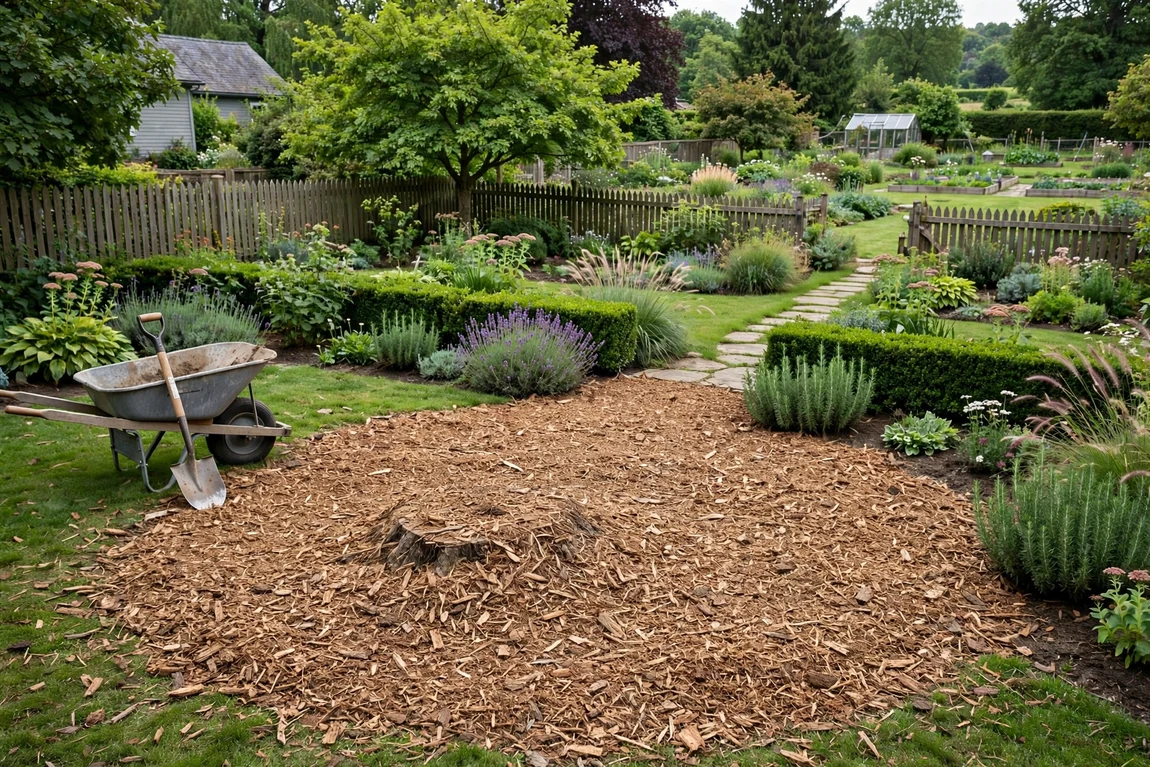
Grinding leaves a pile of wood chips and a shallow hole. Hauling debris away typically costs about $50 to $200, according to Angi, and you can save that by keeping the chips as mulch or using them to fill the hole under a layer of soil.
Permits and utility checks can add to the budget. Angi advises budgeting roughly $150 to $700 for debris hauling and permits combined on jobs where they apply, and you should always have buried lines marked before anyone grinds near them.
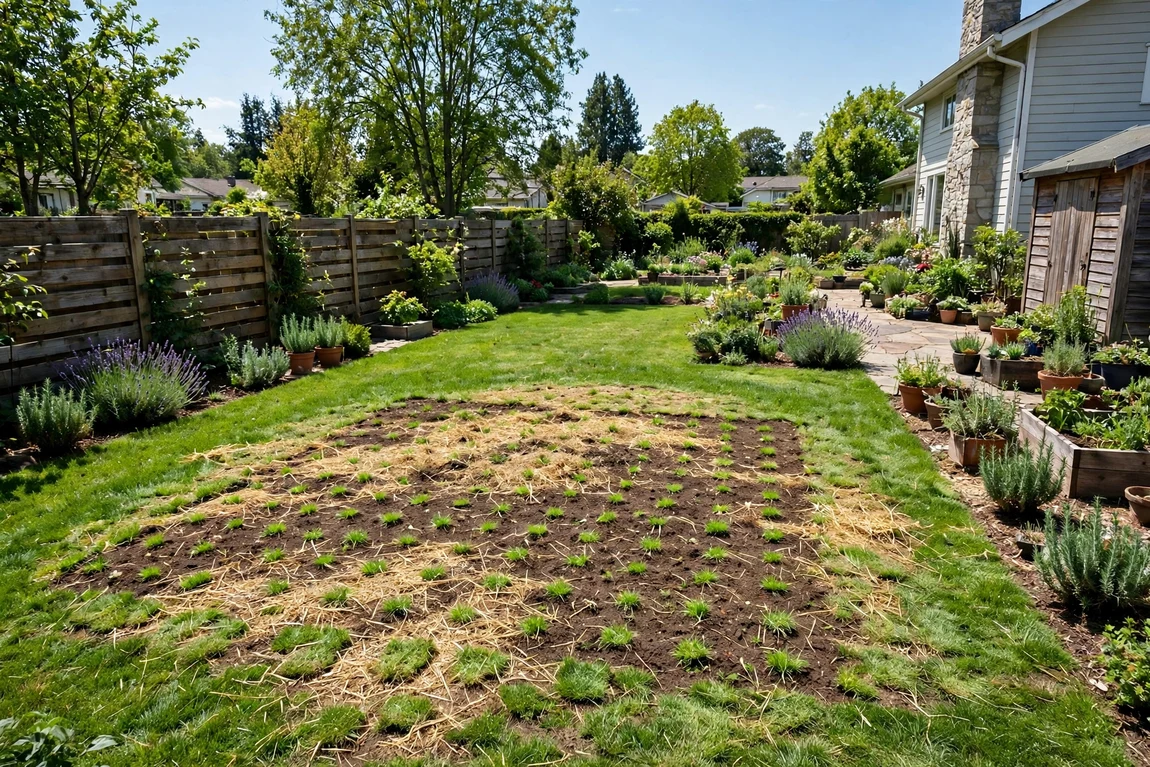
Restoring the spot costs a little more. Professional sodding runs about $1 to $2 per square foot in Angi’s data, while seeding it yourself after levelling the soil is the budget option most homeowners choose.
Location and timing
Where you live matters. In high-demand or high-cost areas, Angi notes that the base price for a single stump can rise to about $150 to $170, with per-inch rates as high as $7 from some specialists.
Timing helps too. Winter is usually the quiet season for tree work, and Angi suggests off-season scheduling can save up to about 20% on the total project cost.
DIY vs Hiring a Pro
Renting a stump grinder typically costs about $100 to $300 per day, according to Angi, while professional labour for a standard job often totals about $200 to $500. For a single average stump, that maths usually favours hiring the pro.
DIY starts to make sense when you have several stumps, good access and a full day to work. Even then, a grinder is heavy, powerful equipment: flying debris, hidden rocks and underground utilities are real hazards, and a mistake can damage property or cause injury.
Professionals bring insurance, the right machine size and experience working near fences, structures and utility lines. They also grind below ground level, which leaves the area ready for soil, seed or sod straight away.
A fair compromise is to hire the grinding and do the restoration yourself. Filling the hole, levelling, seeding and watering are straightforward garden jobs, and keeping your own stump grinding cost down that way does not compromise the safety of the machine work.
Grinding vs Full Stump Removal
Grinding and removal are different jobs. Grinding shreds the stump into chips, usually to below ground level, and leaves the deeper roots to decay naturally over time. It is fast, targeted and causes little damage to the surrounding lawn.
Full removal digs the stump and much of the root ball out. That suits small, young stumps and any spot where you plan to build, pave or plant a new tree in exactly the same place, because leftover roots can interfere with digging and foundations.
Removal costs more and leaves a bigger hole to fill. For most lawns, grinding is the better balance of price, speed and tidiness, which is why it is the default recommendation from most tree services.
Frequently Asked Questions
How is stump grinding priced?
Most contractors charge about $2 to $5 per inch of diameter, with a minimum fee of around $100 per visit. Measure across the widest part of the stump at ground level, including any flare at the base, to estimate your own stump grinding cost before you call.
How deep does grinding go?
A standard job grinds the stump below ground level, deep enough that you can cover the area with soil and grow grass over it. If you plan to plant or build in the same spot, tell the contractor in advance, because a deeper grind may be worth arranging.
What happens to the wood chips?
The chips are usually left in a pile over the hole unless you arrange removal. They make good mulch for beds and paths. Hauling them away typically adds about $50 to $200, so keeping them is an easy saving.
Should I grind a stump or leave it?
Leaving a stump invites sprouts, fungi and pests, and it remains a tripping and mowing hazard. Grinding removes those problems in a single visit, restores the lawn line, and protects nearby healthy trees from disease that can harbour in dead wood.
Measure your stump, count any others on the property, and get two or three quotes for the same visit. With the ranges above in hand, you will recognise a fair price when you see one.