

Tile can transform a bathroom, kitchen, or entryway, but the quote can be hard to read. One bid is priced per square foot, another bundles materials, and a third adds prep you did not expect. Knowing the typical tile installation cost before you compare bids makes the differences clear. Ceramic is usually the budget choice. Porcelain costs more, and natural stone sits at the top.
This guide breaks down material, labor, and prep separately. It also covers floors, walls, backsplashes, and showers, because where tile goes changes the price as much as which tile you pick.
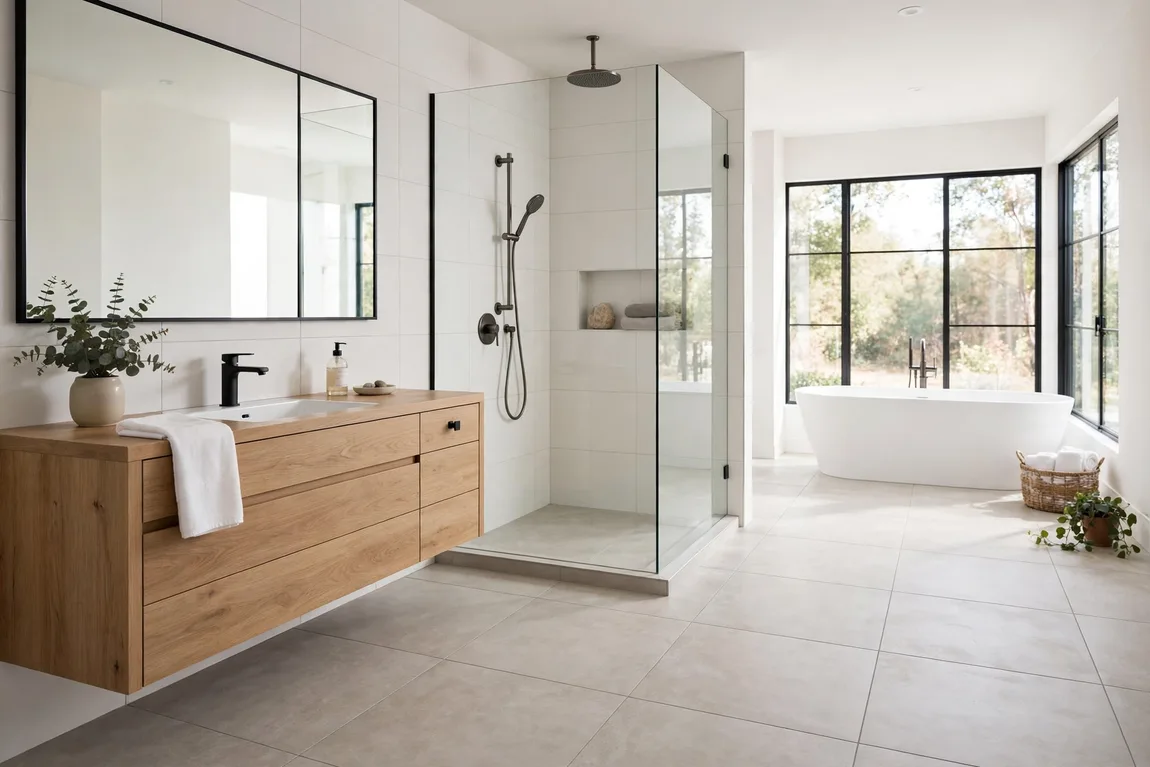
Tile Installation Cost at a Glance
The national average project is about $2,000, with most standard projects between $400 and $4,250, according to Angi 2026 data summarized in the TileHub 2026 tile pricing guide. Per square foot, most projects fall between $8 and $60 installed, including materials and labor.
Standard porcelain usually lands at $15 to $25 per square foot installed. Budget ceramic starts at $7 to $15 per square foot. Natural stone and glass often run $20 to $100 or more per square foot, depending on material and complexity.
Labor alone is commonly $3 to $22 per square foot, averaging $8 to $15. Complex patterns such as herringbone and diagonal layouts add about 15% to 25% to labor, because they need more cuts and slower, careful alignment.
| Tile Type / Project | Installed Cost per Sq Ft | Notes |
|---|---|---|
| Ceramic tile | $7 – $15 | Budget-friendly, easy to cut |
| Porcelain tile | $15 – $25 | Dense and water-resistant |
| Natural stone | $20 – $75 | Needs sealing and specialist labor |
| Glass tile | $20 – $100+ | Mostly backsplashes and accents |
| Floor tile (standard) | $10 – $32 | Straight layout on a sound subfloor |
| Kitchen backsplash | $10 – $40 | Precision cuts around outlets |
| Shower tile | $25 – $65 | Includes waterproofing demands |
| Labor only | $3 – $22 | Average $8 – $15 per sq ft |
| Old tile removal | $2 – $7 | Often quoted separately |
| Backer board / prep | $2 – $5 | Plus leveling where needed |
For a typical project example, a 200-square-foot floor at $10 to $50 per square foot installed totals $2,000 to $10,000 in HomeGuide data cited by the same guide. Small jobs often hit a minimum fee of $200 to $400, regardless of area.
Material, Labor, and Prep: Where the Money Goes
Tile material is often 40% to 60% of the total. A basic ceramic may cost $1 to $5 per square foot, while premium stone can cost many times more. Buy 10% to 15% extra tile for cuts, breakage, and future repairs.
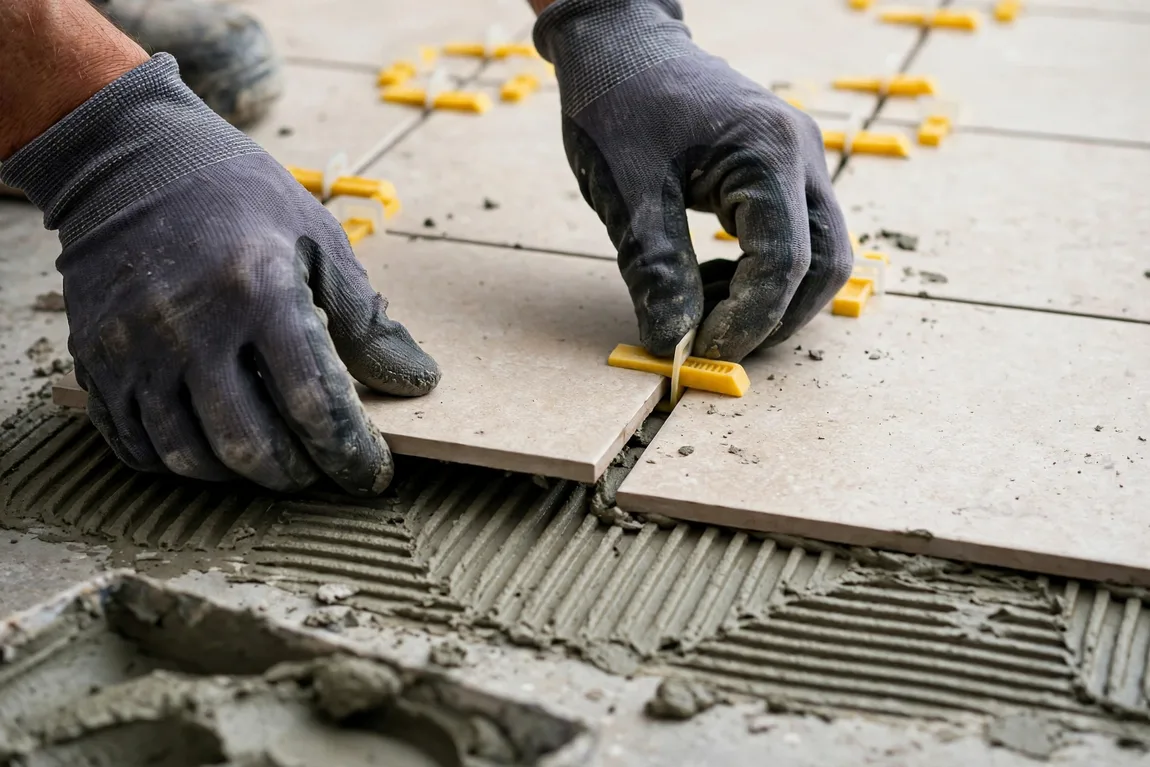
Labor is the skill cost. A straight floor layout on a flat surface is the cheapest to install. Small mosaics, large-format slabs, and patterned layouts all take longer. Large tiles also need a very flat base, or edges will sit unevenly, a fault called lippage.
Setting materials are easy to forget. Thinset, grout, spacers, backer board, and waterproofing membrane typically add $2 to $5 per square foot. In a shower, waterproofing alone can add $450 to $750 to the project.
Prep is the most variable cost. Removing old tile, repairing a subfloor, or leveling an uneven surface can add several dollars per square foot. Ask every bidder to state clearly whether demolition and prep are included or extra.
Cost by Room and Project
A bathroom floor is a common starting project. A standard 50-square-foot floor in ceramic or porcelain typically runs $500 to $1,500 all in. A large master bathroom in natural stone can reach $3,000 to $6,000 or more.
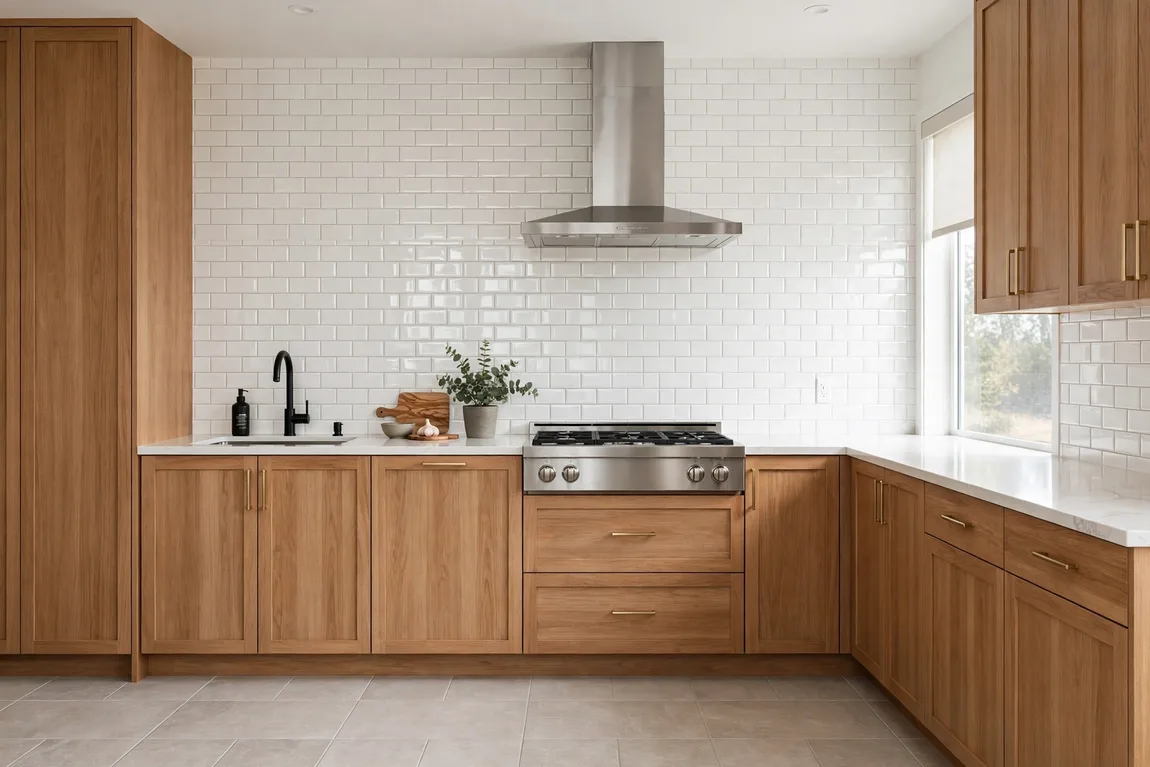
A kitchen backsplash costs more per square foot than a floor. The area is small, but every outlet, cabinet edge, and appliance needs a precise cut. Most standard backsplashes total $480 to $1,500.
A shower is the most demanding tile job in a home. The average shower project is about $2,700, with many projects between $1,800 and $5,000. Waterproofing, plumbing fixtures, niches, and tight tolerances all add time and cost.
Kitchen floors are driven mainly by size. A standard kitchen may total $800 to $3,000, while a large kitchen in premium material can climb far higher. Measure the area carefully and confirm whether bids include the tile under appliances.
Grout and finishing details also affect the final bill more than many homeowners expect. Epoxy grout costs more than standard cement grout, but it resists stains better in kitchens and showers. Metal edge trim, matching caulk, and sealing natural stone are small line items that still add up across a large room.
Measure carefully before you order. Note the length and width of each surface, then add space for cuts around doors, tubs, and fixtures. Give every bidder the same measurements and the same tile choice. Bids based on different areas or different materials cannot be compared fairly, and gaps like that are where misunderstandings usually start.
Factors That Affect Cost
The largest driver of your final tile installation cost is the combination of material and layout. A simple ceramic floor and a herringbone stone shower are both tile projects, but they are priced very differently.
Tile size and pattern. Straight-set, standard-size tile is fastest. Diagonal, herringbone, and basketweave layouts add labor. Very small and very large tiles also cost more to fit well.
Surface condition. A flat, sound subfloor keeps the job simple. Rot, cracks, or uneven areas must be fixed first, and that work is rarely visible in a showroom estimate.
Wet-area requirements. Showers and tub surrounds need backer board and waterproofing. Skipping those layers saves money briefly, then causes far more expensive water damage.
Location and access. Regional labor rates vary, and tight bathrooms or upstairs work slow a crew down. Minimum fees also raise the per-foot price of very small projects.
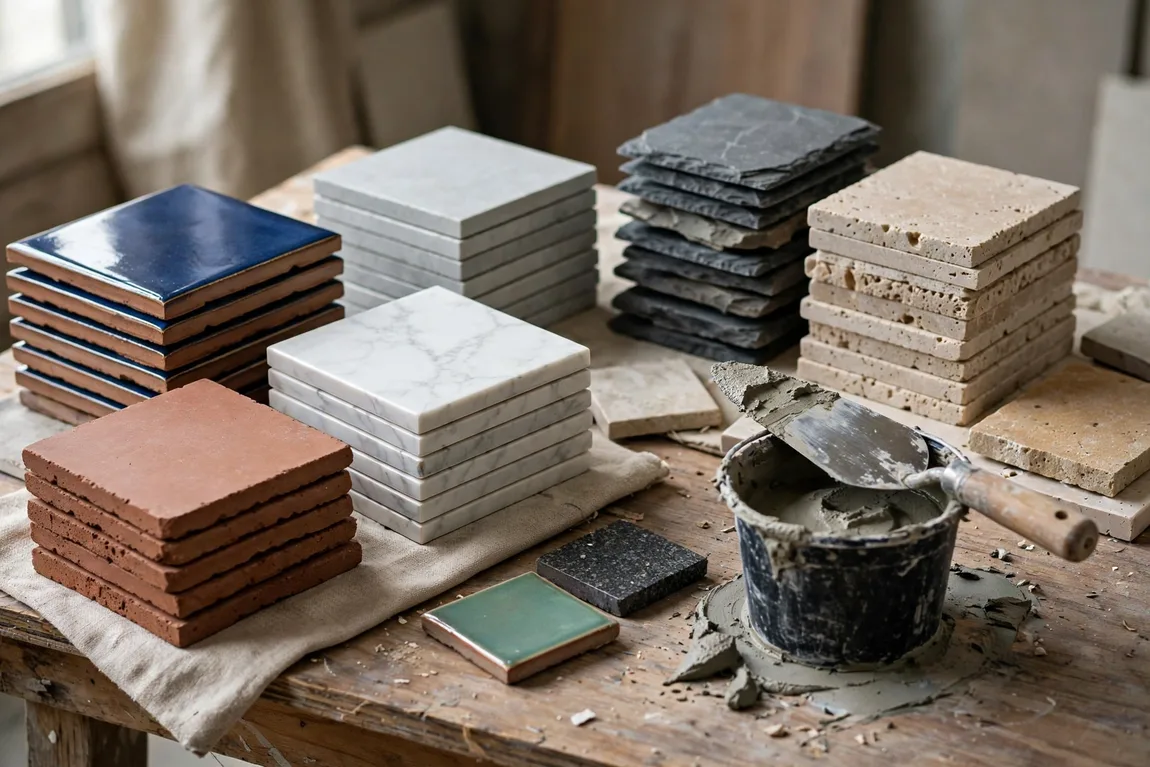
DIY vs. Professional Installation
A careful DIYer can save the labor portion on a simple floor or backsplash. Tool rental or purchase, setting materials, and extra tile for mistakes must still be budgeted. Allow more time than you expect, especially for cutting and grout work.
Professional installation makes sense for showers, stone, large-format tile, and complex patterns. A pro brings wet saws, leveling systems, and waterproofing experience. Most importantly, a pro job should come with accountability if tiles crack or loosen.
Compare the true saving. If your likely tile installation cost with a pro is mostly labor, DIY can save a lot on a simple room. On a shower, one waterproofing mistake can cost more than the labor you saved.
How to Save Without Cutting Corners
Choose the tile for the job, not just the photo. A mid-range porcelain often gives the look of stone with lower material cost, lower labor, and far less maintenance. It does not need annual sealing.
Keep the layout simple. A straight or offset pattern in a standard size installs faster than a complex pattern. Save intricate work for a small feature area, such as a shower niche or a short backsplash.
Combine small projects into one visit where possible. A backsplash and a bathroom floor done together spread the minimum fee and setup time across more work, lowering your effective tile installation cost per square foot.
Get itemized quotes from at least three installers. Each quote should separate tile, labor, setting materials, demolition, and prep. That breakdown is the easiest way to spot a missing item that will appear later as an extra.
Frequently Asked Questions
What is the average tile installation cost?
The average project is about $2,000 nationally, with most standard projects between $400 and $4,250, based on Angi 2026 data cited in this guide. Per square foot, most work falls between $8 and $60 installed.
How much does it cost to tile a bathroom floor?
A standard 50-square-foot bathroom floor in ceramic or porcelain typically costs $500 to $1,500 installed. Larger rooms and natural stone cost more.
How much is labor for tile work?
Labor is $3 to $22 per square foot, averaging $8 to $15. Floors are at the low end. Showers, backsplashes, stone, and complex patterns are at the high end.
Does tile quotes include removing old flooring?
Often not. Old tile removal commonly adds $2 to $7 per square foot. Always ask whether demolition, disposal, and subfloor repair are included in writing.
Is porcelain worth more than ceramic?
Often, yes, for floors and wet areas. Porcelain is denser and more water-resistant, so it wears well in bathrooms and busy kitchens. Ceramic remains a good, cheaper choice for walls and light-use floors.