

Effective cockroach control combines sanitation, sealing entry points, and targeted baits or boric acid. Clean up food and water sources, caulk cracks around pipes and baseboards, and place gel bait in areas roaches travel. For heavy infestations, a licensed pest control professional offers the fastest, most reliable results.
Nobody wants to flip on the kitchen light and watch a roach scurry under the fridge. It’s gross, it’s unsettling, and it makes you wonder how many more are hiding behind your walls. The good news is that cockroach control isn’t complicated once you understand what draws them in and what actually drives them out.
This guide walks you through why roaches show up, how to spot an infestation early, and which control methods work best. You’ll also learn when it’s time to stop fighting alone and call in a professional.
Why Cockroaches Move Into Your Home
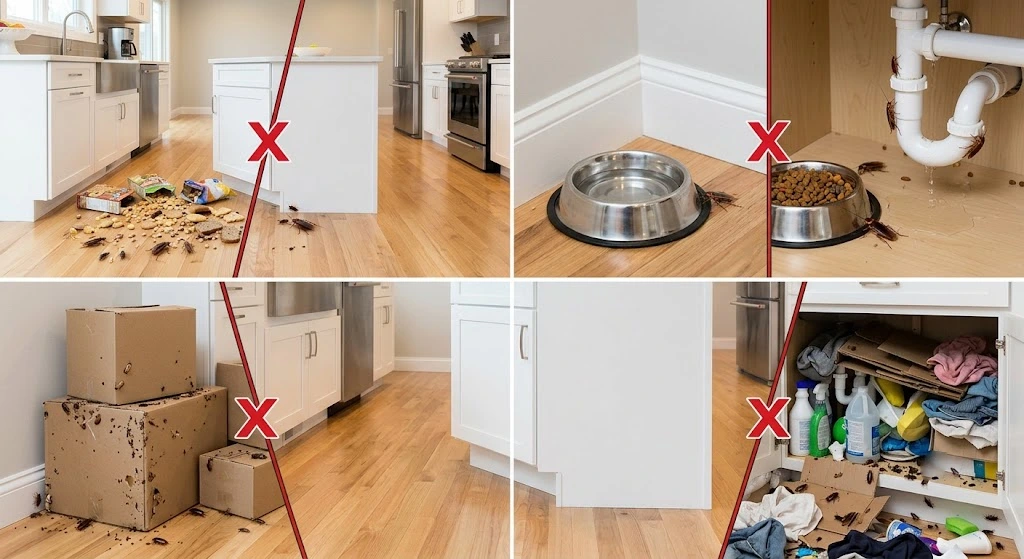
Roaches don’t care about your house. They care about three things: food, water, and warmth. Your kitchen and bathroom offer all three, which is why those rooms see the most roach activity.
A few crumbs on the counter, a dripping pipe under the sink, or a forgotten bag of pet food in the pantry can be enough to invite them in. Cockroaches also love clutter. Stacks of cardboard boxes, piles of newspaper, and cluttered storage areas give them dark, undisturbed places to hide and breed.
Once a few roaches find a reliable food source, they don’t stay few for long. A single female German cockroach can produce dozens of offspring from one egg case, and she can produce several egg cases in her lifetime. That’s how a minor sighting turns into a full infestation in just a few weeks.
Signs You Have a Cockroach Problem
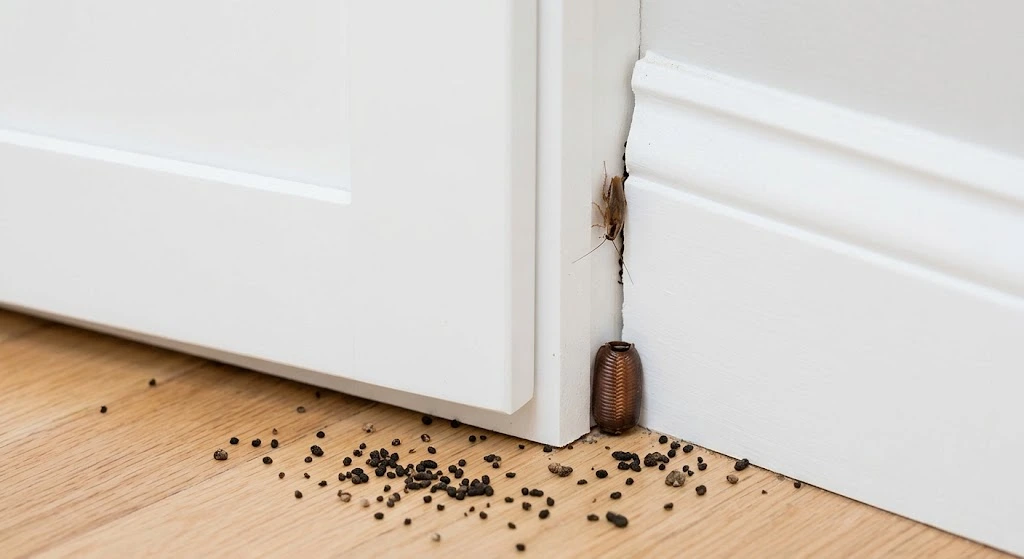
Most people don’t see roaches directly until the population has already grown. Instead, you’ll notice the evidence first. Small, dark droppings that look like ground coffee or black pepper often show up in cabinets, drawers, and along baseboards.
A musty, oily smell is another red flag, especially in larger infestations. Roaches release pheromones that build up over time and create a distinct odor in enclosed spaces like cupboards or behind appliances. You might also spot egg cases, which look like small brown capsules tucked into corners or cracks.
If you see roaches moving around during the day, that’s a strong sign the infestation is already significant. Cockroaches are nocturnal by nature, so daytime sightings usually mean their hiding spots are overcrowded and they’re being forced out to search for food.
Health Risks That Make Control Worth the Effort
Cockroach control matters for more than comfort. These pests carry bacteria like Salmonella and E. coli on their bodies as they move between trash, drains, and food prep surfaces. That contact can spread germs to countertops, dishes, and anything else they crawl across.
Roaches are also a well-documented asthma trigger. Proteins found in their saliva, droppings, and shed skin become airborne as dust and settle into carpets, bedding, and furniture. These allergens can aggravate asthma and cause allergic reactions in people who are sensitive to them, and children seem especially vulnerable to the effects. Cockroach allergen can even show up in homes with no current infestation, since the particles linger long after the roaches are gone.
This is one reason pest experts recommend low-toxicity methods when allergies are a concern. Heavy spraying can stir up dust and worsen air quality temporarily, which isn’t ideal for anyone with breathing issues already in the house.
Start With Sanitation and Sealing
Before you reach for any product, fix the conditions that attracted roaches in the first place. Wipe down counters every night, store food in airtight containers, and take out the trash regularly instead of letting it pile up. Fixing leaky pipes and drying out damp areas under sinks removes the water source roaches need to survive.
Next, seal up the gaps roaches use to get around your home. Caulk cracks around baseboards, pipes, and window frames. Add weatherstripping to doors and windows that don’t close tightly. This step matters more than people expect, because even a well-treated home will see new roaches wander in if the entry points stay open.
These habits won’t eliminate an existing infestation on their own, but skipping them means any treatment you apply will only offer temporary relief.
Gel Baits: The Most Reliable DIY Option
Gel baits are widely considered the most effective over-the-counter tool for roach control. The bait combines food roaches find irresistible with a slow-acting insecticide. A roach eats the bait, returns to its hiding spot, and dies there. Other roaches that feed on the carcass or droppings get exposed too, which helps wipe out the colony rather than just one insect at a time.
Apply small dots of gel bait along baseboards, inside cabinets, behind appliances, and near any cracks where you’ve seen activity. Avoid spraying other insecticides near the bait, since the smell can make roaches avoid it altogether. Most gel baits take one to two weeks to show a real drop in activity, so give the product time before assuming it failed.
Boric Acid and Diatomaceous Earth
Boric acid is another long-standing option for roach control. Roaches that crawl over a treated surface pick up tiny particles of the powder on their bodies, then ingest it while cleaning their legs and antennae. As long as the powder stays dry, it keeps working almost indefinitely. Apply it in a thin, barely visible layer along cracks, behind appliances, and under sinks, away from areas where kids or pets might touch it.
Diatomaceous earth works a bit differently. The powder is made from fossilized algae with sharp microscopic edges that scrape through a roach’s exoskeleton, causing it to lose moisture and dehydrate. It needs direct contact with the roach to work, and it loses effectiveness in humid conditions, so it works best in dry, hidden spots rather than damp kitchens or bathrooms.
Traps Help You Monitor and Catch Roaches
Sticky traps won’t solve an infestation by themselves, but they’re useful for figuring out where roaches are most active. Place a few traps in your kitchen, bathroom, and any other room with suspected activity, then check them after a few days. Whichever traps catch the most roaches mark your hot spots, which tells you exactly where to focus baits and sealing efforts.
Traps also give you a simple way to track progress. If trap counts drop steadily after a few weeks of treatment, your control plan is working. If counts stay high, it’s a sign you need a stronger approach or professional help.
When to Call a Pest Control Professional
DIY methods work well for small, early-stage infestations. But if you’ve sealed entry points, kept the house clean, and used bait for several weeks without seeing improvement, it’s time to bring in a professional. Large infestations, especially in apartment buildings where roaches can travel between units through shared walls and pipes, are difficult to fully resolve without commercial-grade treatment.
A licensed exterminator has access to stronger baits, growth regulators that stop roaches from reproducing, and the experience to find nests you might miss. This matters even more in homes with someone who has asthma or severe allergies, since a faster resolution means less ongoing allergen exposure.
Keeping Roaches From Coming Back
Once you’ve cleared an infestation, the work isn’t quite finished. Keep up the sanitation habits that worked the first time around. Store food properly, take out trash often, and fix moisture problems as soon as they show up.
Check your sealing job every few months, especially around pipes and vents where caulk can crack over time. A quick walk-through of your kitchen and bathroom every couple of weeks helps you catch a new problem before it turns into a full infestation again.
Cockroach control isn’t a one-time fix. It’s a combination of clean habits, blocked entry points, and the right products applied in the right spots. Stay consistent with these steps, and you’ll keep your home roach-free for the long run.