

Clusters of tiny insects on new growth can look alarming, but most gardeners can handle them without harsh chemicals. If you are learning how to get rid of aphids, start with the simplest tools first: water, pruning, and patience. Established plants often tolerate light feeding, according to UC IPM, and heavy-handed spraying can kill the very predators that keep these pests down.
This guide walks through identification, the reasons colonies explode, and a step-by-step plan that protects your plants and the beneficial insects in your yard. It also covers prevention, so the same problem does not return two weeks later.
How to Identify Aphids and the Damage They Cause
Aphids are small, soft-bodied, pear-shaped insects with long legs and antennae. UC IPM notes they may be green, yellow, brown, red, or black, depending on the species and the plant they feed on. Most have a pair of tubelike structures called cornicles at the rear, a feature that distinguishes them from all other insects.
Look for dense groups on leaf undersides, stems, buds, and tender new shoots. Aphids do not move quickly when disturbed, which helps separate them from faster insects such as leafhoppers. Winged forms appear when colonies get crowded or a food source declines, letting them spread to new plants.
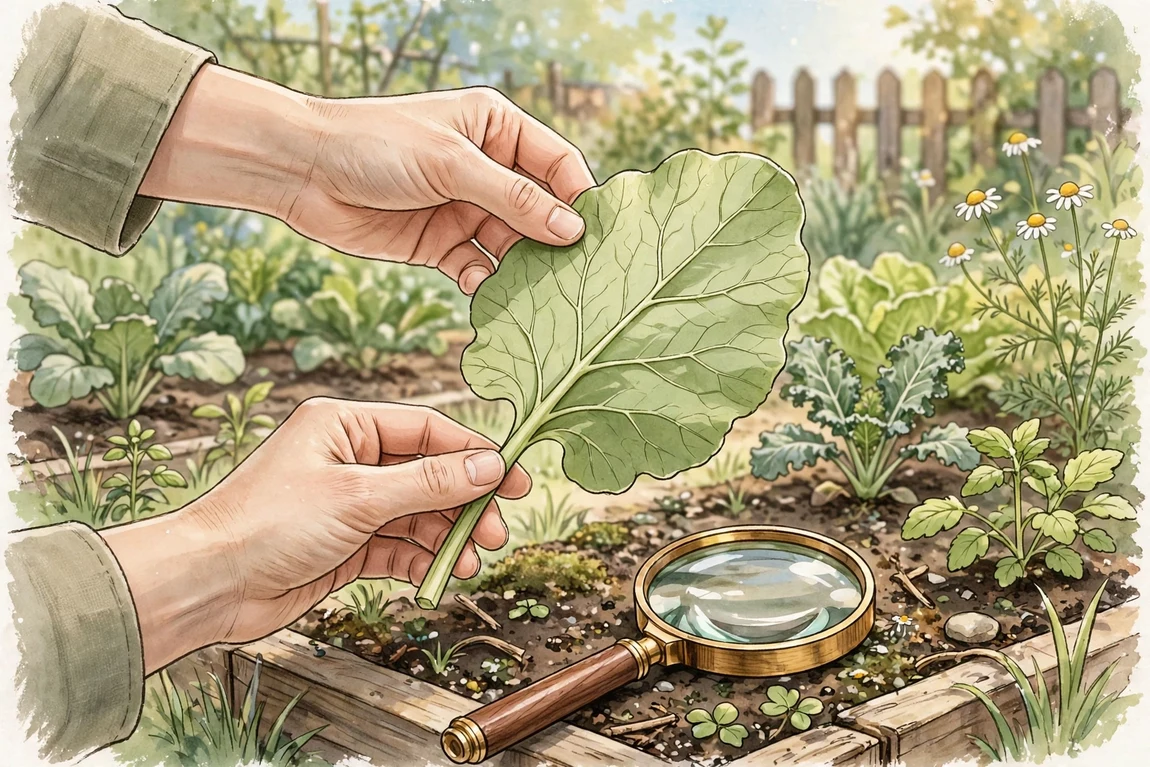
Feeding damage is usually easy to spot. Leaves may yellow, curl, or become distorted, and shoots can be stunted. Aphids also excrete a sticky substance called honeydew, which coats leaves and often turns black with sooty mold, as described in the UC IPM aphid Quick Tips guide.
Numbers matter more than presence. UC IPM says low to moderate numbers are not usually damaging in gardens or on trees, and most established plants will outgrow the damage. Seedlings, transplants, and heavily infested plants are the ones that need prompt action.
That is why identification comes before treatment. Confirming the pest, checking for curled leaves that shelter colonies, and looking for natural enemies can save you unnecessary spraying. In short, understanding the pest is the first part of how to get rid of aphids for good, rather than for a few days.
Why Aphids Keep Coming Back
Aphids reproduce with remarkable speed. In mild climates, UC IPM reports that adult females give birth to live young, often as many as 12 per day, without mating. A newborn can become a reproducing adult in seven to eight days in warm weather, so a small cluster can grow very fast.
Food drives much of that growth. Aphids feed on soft, new plant growth, and heavy feeding with nitrogen fertilizer pushes exactly that kind of tender flush. UC IPM advises gardeners not to over-fertilize and to use slow-release products instead of large, fast doses.
Ants are another hidden reason colonies persist. Ants feed on honeydew and, in return, protect aphids from predators and parasites. If ants are farming a colony on a tree or shrub, aphid numbers may stay high even after you treat the plant itself.
How to Get Rid of Aphids Step by Step
The order matters when you plan how to get rid of aphids on sturdy plants. Start with non-chemical methods, check the result after a few days, and only move to a spray product if numbers stay high and damage is continuing.
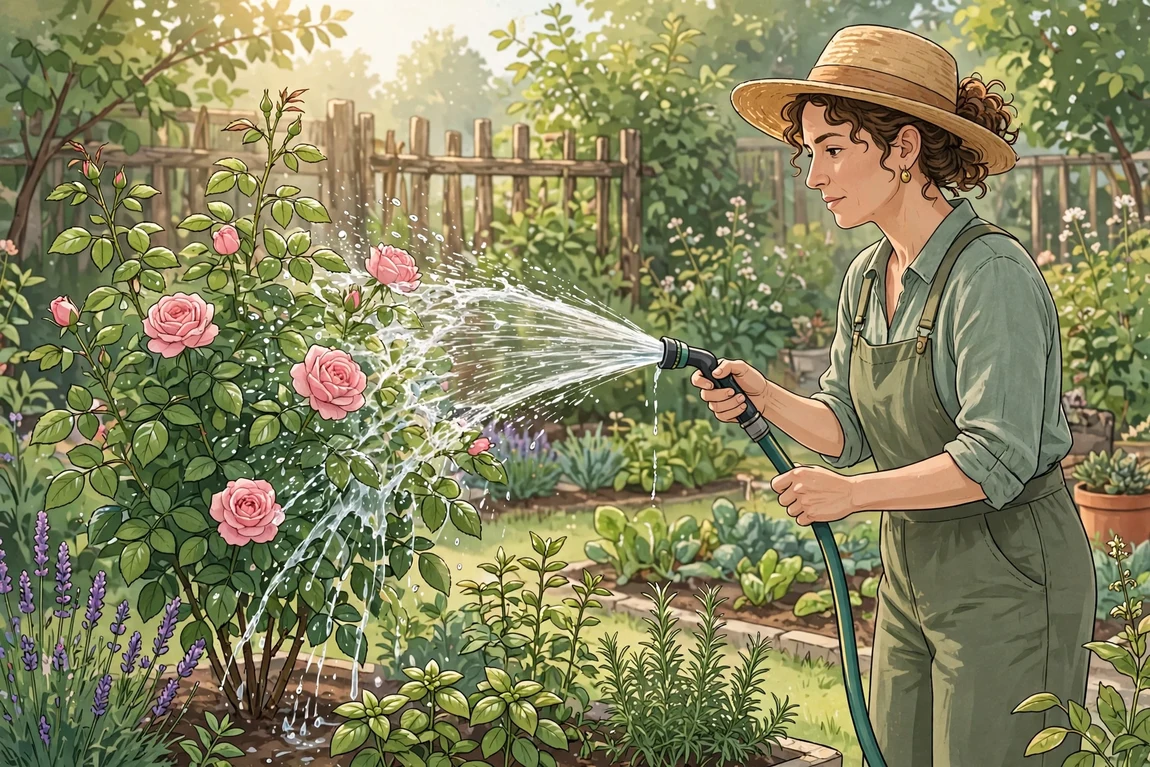
Step 1: Blast them off with water. Use a strong stream of water to knock aphids off sturdy plants, focusing on leaf undersides and stem tips. UC IPM notes that most dislodged aphids cannot climb back. Repeat every few days, early in the day, so foliage dries quickly.
Step 2: Prune out hot spots. Cut off heavily infested leaves, shoots, and any leaves that have curled tightly around a colony. Contact sprays cannot reach aphids hidden inside curled leaves, so removing those leaves works better than spraying them. Bag and bin the prunings rather than composting them.
Step 3: Check for natural enemies before you spray. Look for lady beetles, lacewing larvae, syrphid fly larvae, and the crusty, round “mummies” left by parasitic wasps. If mummies and predators are present and damage is light, waiting often lets biological control do the work for free.
Step 4: Use insecticidal soap or neem if needed. UC IPM names insecticidal soaps and oils as the best spray choices for most situations. They work on contact, so thorough coverage matters, especially under leaves.
Neem products can also help on labelled plants. Always follow label directions, and do not apply soaps or oils to drought-stressed plants or in very hot weather.
Step 5: Deal with the ants. Keep ants off plants so predators can reach the colony. For trees and woody shrubs, a sticky barrier over a wrap, never directly on thin or young bark, can block climbing ants. Removing honeydew with your water blast also makes the plant less attractive to them.
Step 6: Repeat and re-check. Soaps, oils, and neem kill only the aphids present on the day you spray, so a repeat application may be needed. Re-inspect after several days. Stop once numbers fall and new growth looks clean, rather than spraying on a fixed calendar.
Protecting Ladybugs and Other Natural Enemies
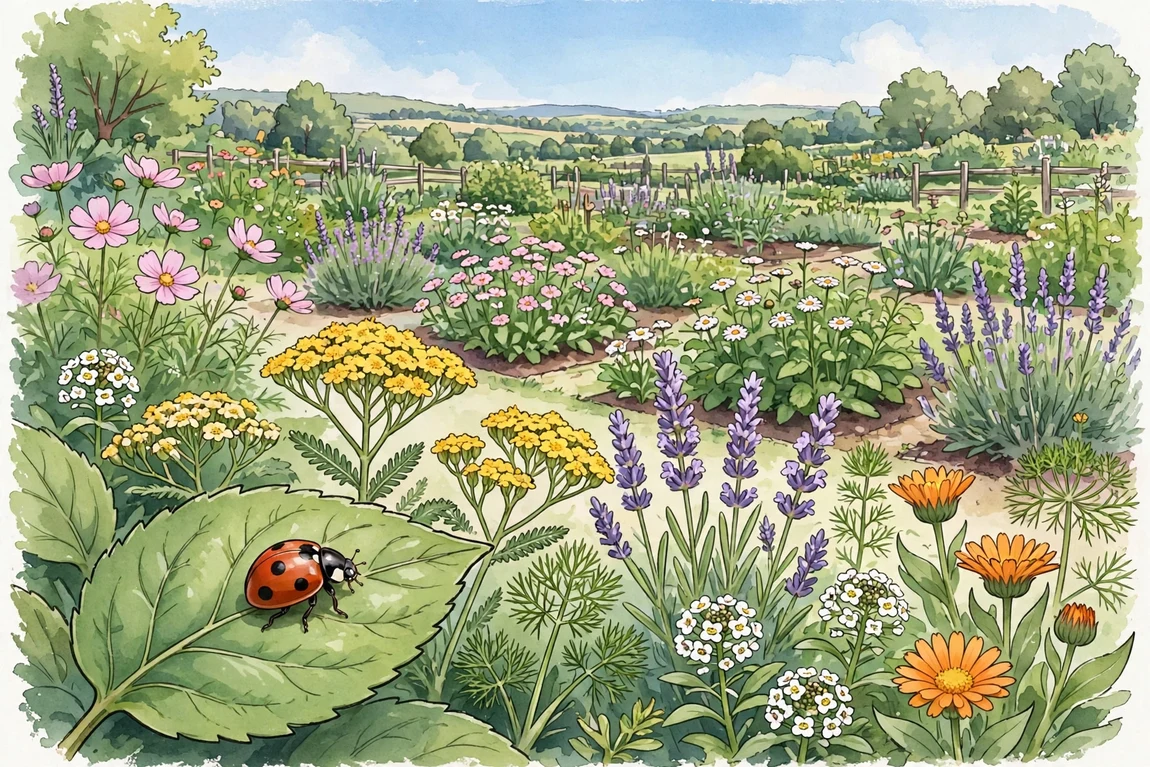
Lady beetles, often called ladybugs, are famous aphid hunters, but they are not the only help in the garden. Lacewings, syrphid fly larvae, soldier beetles, and tiny parasitic wasps all feed on or parasitize aphids, according to UC IPM. Their larvae often do most of the eating.
Broad-spectrum insecticides can undo this free control. They kill predators and parasites along with the pest, and aphid numbers can rebound faster than their enemies recover. That is one reason extension guidance puts non-chemical methods first and reserves sprays for cases where other methods are not enough.
For other small garden pests, see our guide on how to get rid of gnats, which uses a similar least-toxic, step-by-step approach.
Prevention That Stops the Next Outbreak
Prevention is the quiet half of how to get rid of aphids for the long term. Start by inspecting transplants before you plant them, so you do not bring a colony home from the nursery. Remove weeds near beds, because some weeds host aphids between crops.
Feed plants carefully. Use only as much nitrogen as the plant needs, prefer slow-release forms, and apply smaller amounts across the season. Soft, over-fed growth is an open invitation, especially on roses, vegetables, and fruit trees in spring.
Protect young plants while they are vulnerable. Row covers and other protective covers shield seedlings, and reflective mulches can help on some vegetable crops. Once plants are established and growing strongly, they tolerate light feeding far better.
Keep up a simple inspection routine. Turn over a few leaves on your most affected plants twice a week during rapid growth. Early action with water or pruning is far easier than rescuing a plant covered in honeydew and sooty mold.
DIY vs. Calling a Professional
Most home garden cases are a good DIY job. Water, pruning, and a labelled insecticidal soap handle the majority of infestations on sturdy outdoor plants, and the cost is low. The main investment is time: checking, repeating the water blast, and watching for predators.
Call a professional, or your local extension service for advice, when the problem is on a large or valuable tree, keeps returning across many plants, or may involve a virus or another pest you cannot identify. High colonies in tall trees are hard to reach safely and thoroughly from the ground.
Whichever route you choose, avoid the common trap of escalating straight to a strong, broad-spectrum product. That approach usually makes the next outbreak worse, not better, by removing the natural enemies that were holding numbers down.
Safety Notes for Sprays and Garden Products
Always follow label directions for any pesticide, including insecticidal soap, horticultural oil, and neem. The label states which plants the product may be used on, how to mix and apply it, and any waiting period before harvest on edible crops.
Frequently Asked Questions
What is the fastest way to remove aphids from a plant?
A strong stream of water is the fastest first step on sturdy plants. It knocks most aphids off immediately, and most cannot get back on. That is why extension guidance on how to get rid of aphids puts the water blast before any spray product.
Does insecticidal soap work on aphids?
Yes, when it thoroughly coats the insects. Soap works on contact and leaves no lasting residue, so you may need repeat applications. Follow the label, avoid stressed plants and very hot weather, and prune out curled leaves that a spray cannot reach.
Will ladybugs clear an infestation on their own?
Sometimes, on light to moderate infestations. Lady beetles and other natural enemies can reduce numbers substantially, especially if ants are kept away and broad-spectrum sprays are avoided. Heavy infestations on seedlings usually still need water, pruning, or soap as well.
Why do aphids come back after spraying?
Survivors hidden in curled leaves, new winged aphids arriving from nearby plants, and the loss of predators after spraying can all cause a rebound. Excess nitrogen and ant protection make a return more likely. Prevention and re-checking break that cycle.
Can aphids spread plant disease?
Yes. UC IPM notes that aphids can transmit viruses between plants on certain vegetables and ornamentals, including squash, beans, potatoes, and lettuce. Because transmission can happen quickly, removing heavily infested plants and controlling aphids early still matters, even though spraying alone cannot guarantee prevention.