

If your home is not connected to a city sewer line, your septic system quietly handles every shower, flush and load of laundry — until something goes wrong. Understanding septic tank cost before you need a repair or a full replacement helps you budget calmly instead of making an expensive decision in a panic. In 2026, prices vary widely depending on tank size, soil conditions, permits and where you live, but the ranges in this guide will give you a realistic starting point for pumping, installation and everyday maintenance.
Last updated: October 23, 2026.
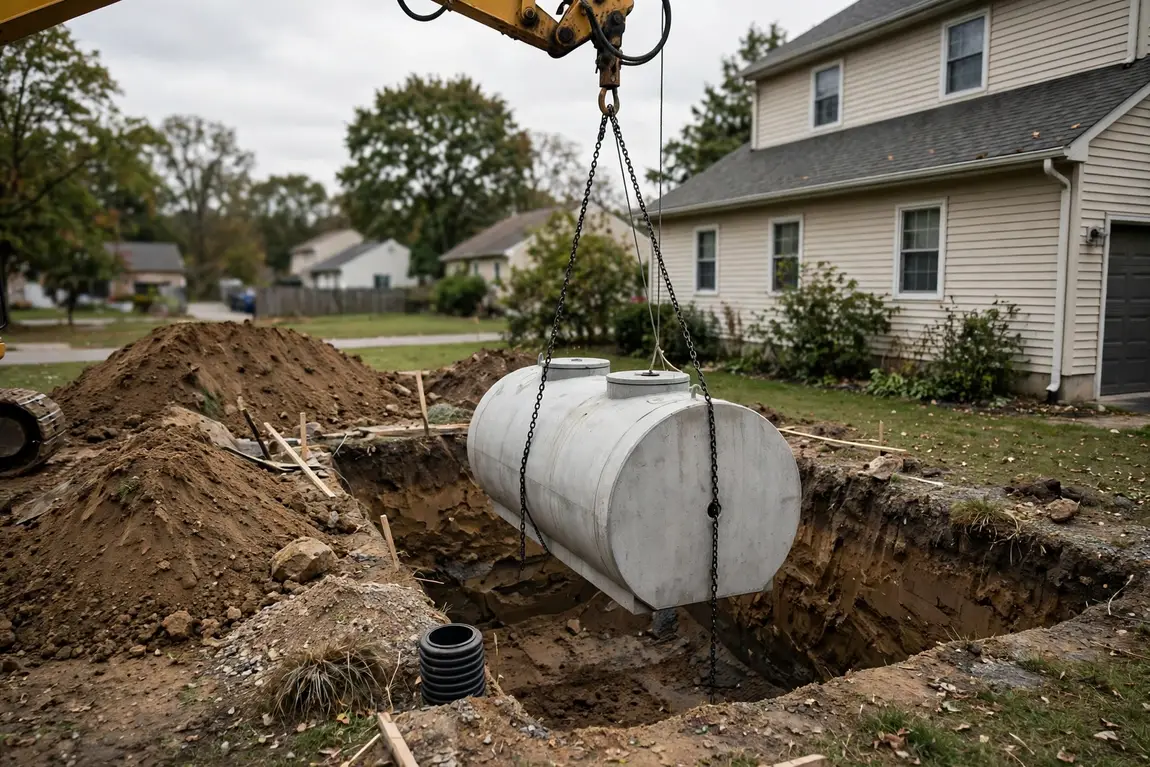
What the average septic tank cost includes
When homeowners talk about price, they are usually mixing together three very different jobs: routine pumping, a brand-new installation, and repairs to an existing system. Pumping is a maintenance visit that costs a few hundred dollars. Installation is a major construction project involving excavation, permits, a tank, a drain field and inspections, and it can run into five figures. Repairs fall somewhere in between. Keeping those categories separate is the easiest way to compare quotes fairly, because a low bid that leaves out permits, soil testing or the drain field is not really a low bid at all.
It also helps to know how a septic system differs from a municipal connection. If your home were on city sewer, a major underground failure would mean looking at sewer line repair and replacement instead. With a septic system, the treatment happens in your own yard, which gives you control over maintenance — but it also means every part of the system, from the tank to the drain field, is your financial responsibility.
Septic tank cost breakdown for 2026
The table below shows typical 2026 price ranges in the United States. These are broad national ranges for planning purposes, not quotes. Your local labour rates, soil type, groundwater level and permit rules can move a job toward the low or high end, so always get at least two or three written estimates from licensed installers before you commit.
| Service or item | Typical 2026 cost range |
|---|---|
| Septic tank pumping (1,000–1,500 gallon tank) | $300–$600 per visit |
| Septic system inspection | $200–$500 |
| Soil test / percolation test and permits | $500–$2,000 |
| New 1,000 gallon tank installed (conventional) | $6,000–$12,000 |
| New 1,500 gallon tank installed (conventional) | $8,000–$15,000 |
| Advanced or aerobic treatment system installed | $15,000–$30,000+ |
| Tank replacement only (existing drain field reused) | $3,000–$8,000 |
| Drain field replacement | $3,000–$15,000 |
| Annual maintenance and minor parts | $150–$500 per year |
How much pumping and inspection cost
Pumping is the single most important maintenance job for any septic system. Most households need it every three to five years, depending on tank size and how many people live in the home. A typical visit falls in the $300 to $600 range, with larger tanks, difficult access or long hose runs pushing the price higher. The technician removes the liquid, sludge and scum layers and checks the baffles and filters.
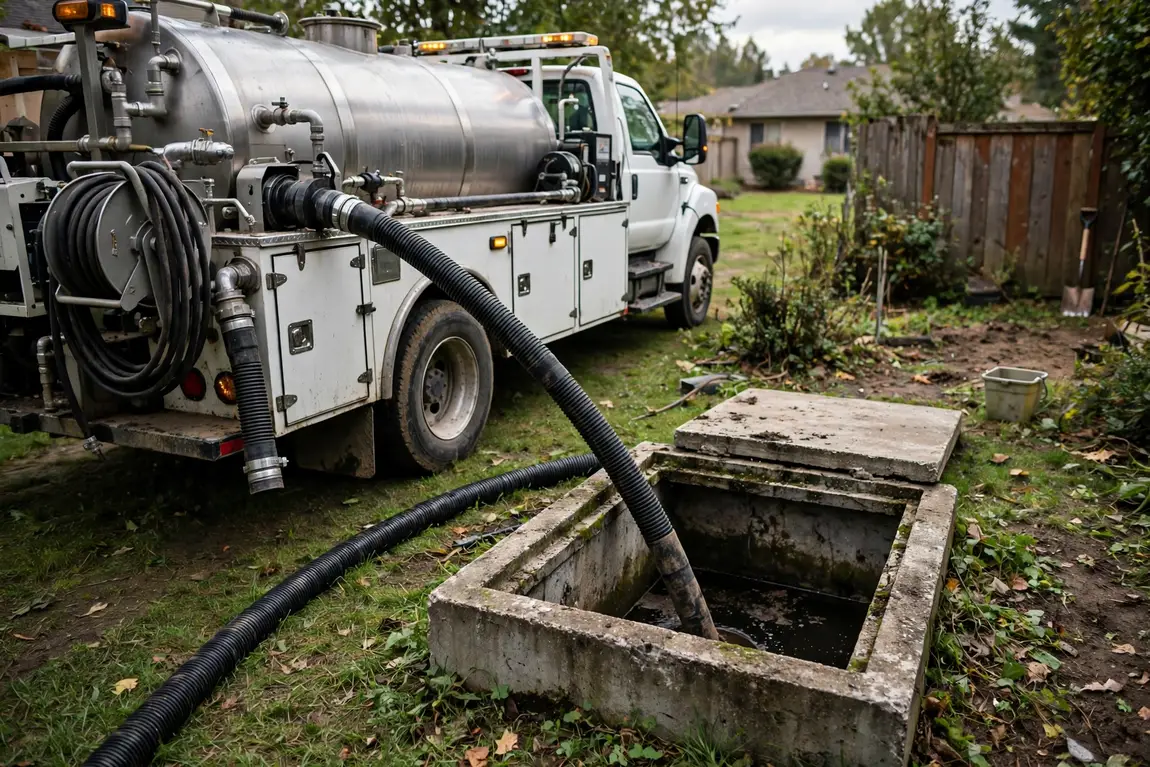
Inspections are separate from pumping and usually cost between $200 and $500. You will most often need one when buying or selling a home, after a backup, or when a local authority requires it. A proper inspection covers the tank condition, liquid levels, the distribution box and visible signs of drain field stress. Paying for an inspection before you buy a rural or older home can save you from inheriting a failing system that costs far more than the inspection itself.
What affects the price the most
Two neighbours can pay very different prices for what sounds like the same job. These are the factors that move a quote the most:
- Tank size and material: larger tanks cost more, and fibreglass or advanced treatment units cost more than basic concrete tanks.
- Soil and site conditions: rocky ground, heavy clay, a high water table or a sloped lot can require extra excavation or an engineered design.
- Drain field design: a conventional field is cheapest; mound, sand filter and aerobic systems add significant cost.
- Permits and testing: soil tests, design drawings and local fees vary by county and are rarely optional.
- Access: tight yards, fences, driveways or landscaping that limit machine access add labour time.
- Regional labour rates: installation is labour-heavy, so prices run higher in high-cost areas.
Installation costs by tank size and material
For a typical three-bedroom home, a 1,000 gallon conventional system is the most common starting point, and a complete installation commonly lands between $6,000 and $12,000. Bigger homes, or homes where the code counts bedrooms rather than bathrooms, often need a 1,500 gallon tank, pushing a full installation toward $8,000 to $15,000. Concrete tanks are durable and widely available, plastic and fibreglass tanks are lighter and easier to deliver to tight sites, and advanced aerobic systems — sometimes required where soil or lot size is limited — can take the total to $15,000 to $30,000 or more once electrical work and ongoing service contracts are included.
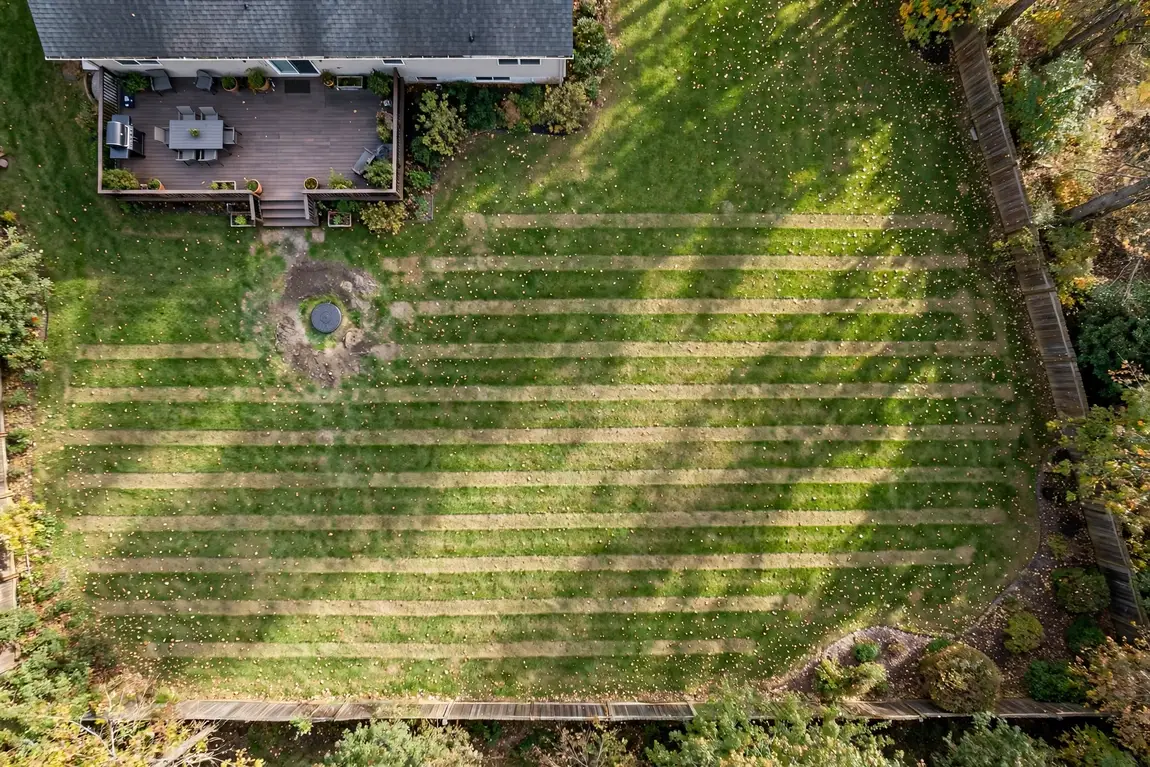
Remember that the tank itself is often only a modest share of the total bill. Excavation, the drain field, piping, soil testing, permits and grading account for most of the cost. That is why replacing only a cracked tank while reusing a healthy drain field — often $3,000 to $8,000 — is far cheaper than a complete new system.
How to keep maintenance costs down
A well-kept system can last 25 to 40 years, and the habits that extend its life are mostly free. Pump on schedule rather than waiting for a backup. Spread laundry loads through the week instead of doing them all in one day. Fix dripping taps and running toilets promptly, keep wipes, grease and harsh chemicals out of the drains, and never park vehicles or build decks over the tank or drain field. Keep a simple record of every pumping and inspection date so the next technician — and the next owner — knows the system’s history.
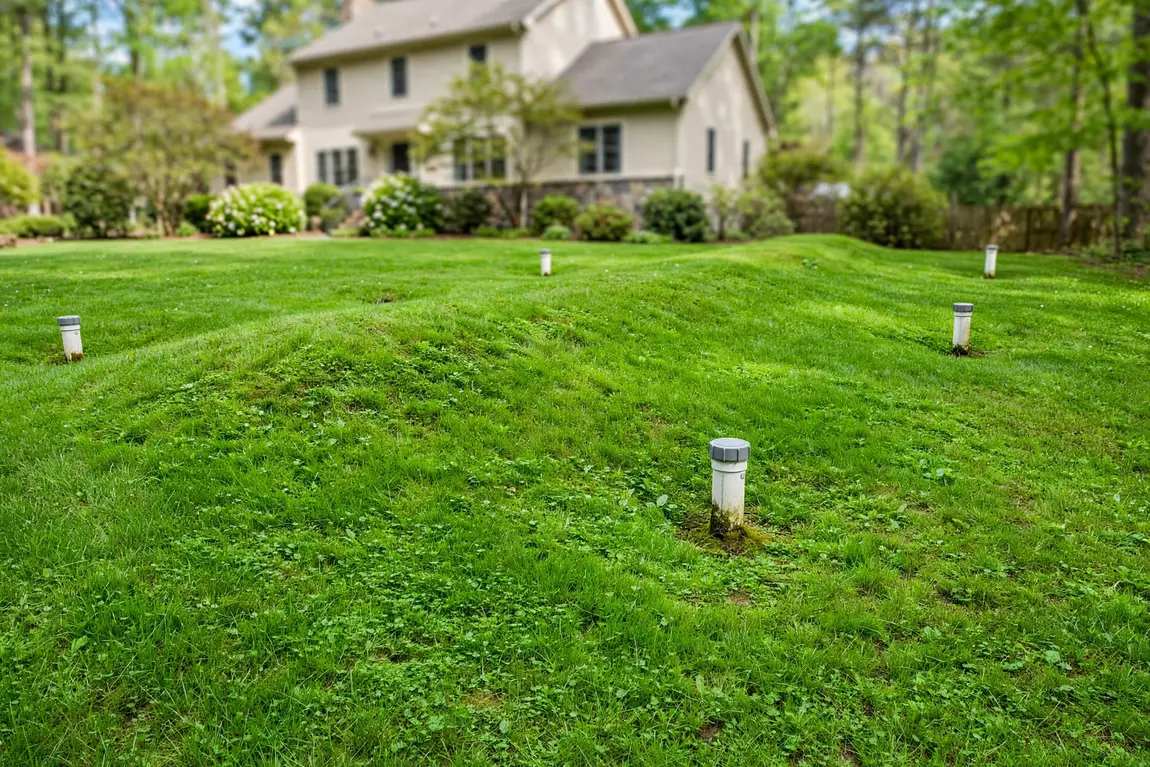
Finally, learn the early warning signs: slow drains throughout the house, gurgling sounds, sewage smells in the yard, or unusually lush grass over the drain field. Some of these overlap with the common plumbing problems that affect any home, but when several appear together in a septic home, call a septic professional before a minor issue becomes a failed drain field.
Frequently asked questions
How often should a septic tank be pumped?
Most households should pump every three to five years. Larger families, smaller tanks and heavy use of a garbage disposal shorten that interval, while a couple in a home with a large tank may safely go longer. Your pumping company can advise based on the sludge levels they find.
How long does a septic system last?
A well-installed and regularly maintained system typically lasts 25 to 40 years. The tank itself may last longer; the drain field is usually the part that eventually fails, especially if the tank was not pumped on schedule and solids were allowed to escape into the field.
Can I install a septic system myself?
In most places, no — or only partly. Most counties require licensed installers, approved designs, soil testing and inspections at several stages. Even where owner installation is technically allowed, the excavation, levelling and field layout must be precise, and a mistake can mean a failed inspection or a system that never works properly.
Does homeowners insurance cover septic replacement?
Usually not for wear, age or lack of maintenance. Some policies cover sudden, accidental damage, and some insurers offer optional service-line or septic endorsements for an extra premium. Check your policy documents before you need to claim, not after a failure.
Conclusion
Septic ownership does not have to be expensive or stressful. Budget a few hundred dollars every few years for pumping, keep water use sensible, and you will dramatically reduce the odds of facing a five-figure replacement before its time. If you are installing a new system or replacing a failing one, get the soil tested, collect at least three written quotes that itemise permits, tank, field and labour, and choose the licensed installer who explains the design clearly — not simply the cheapest number. With realistic 2026 ranges in hand, you can plan with confidence and keep your system working quietly for decades.