

A new roof is one of the biggest home improvement investments you will ever make, so understanding your roof replacement cost before you call a contractor helps you budget with confidence and spot an inflated quote fast. In 2026, most homeowners pay between $5,903 and $13,380 for a full replacement, with a national average of $9,611, according to Angi data based on 32,999 verified projects.
That is a wide range, and your final price will depend on your roof size, the material you choose, and how complex the job is. This guide breaks down the real numbers by size and material, explains what drives the price up or down, and helps you decide when a repair is enough and when a full replacement is the smarter spend.
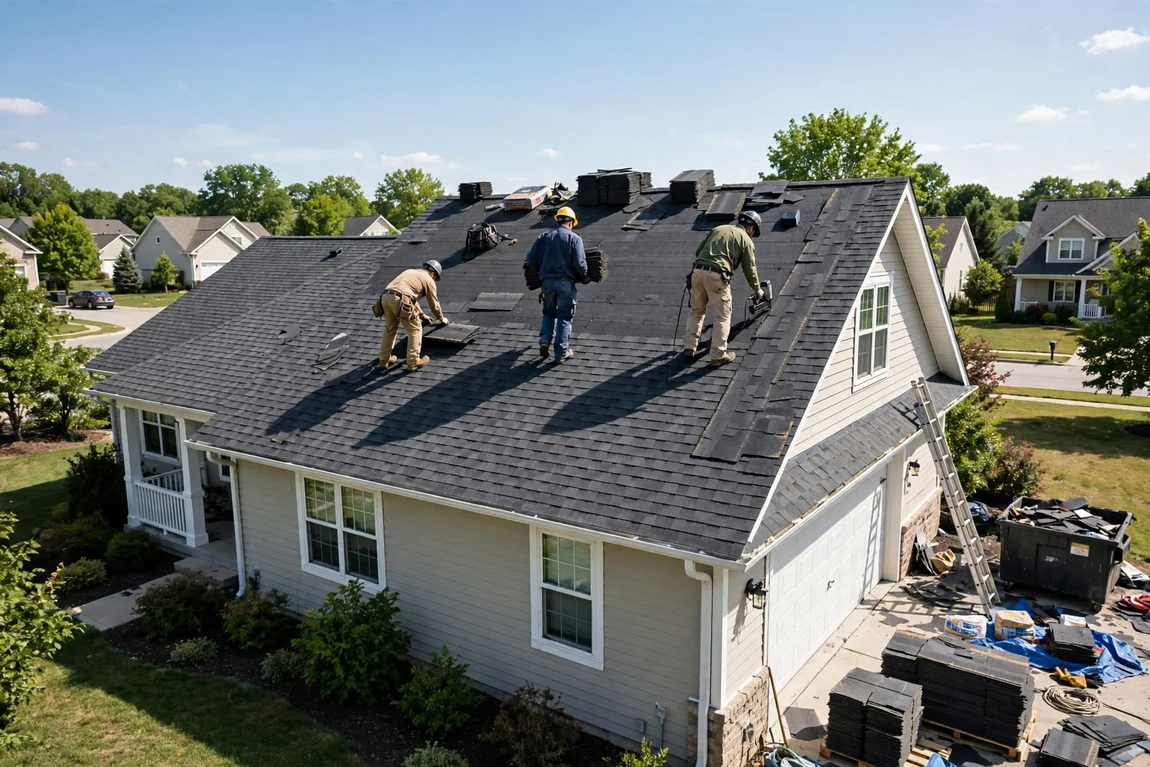
Signs It Is Time to Replace Your Roof
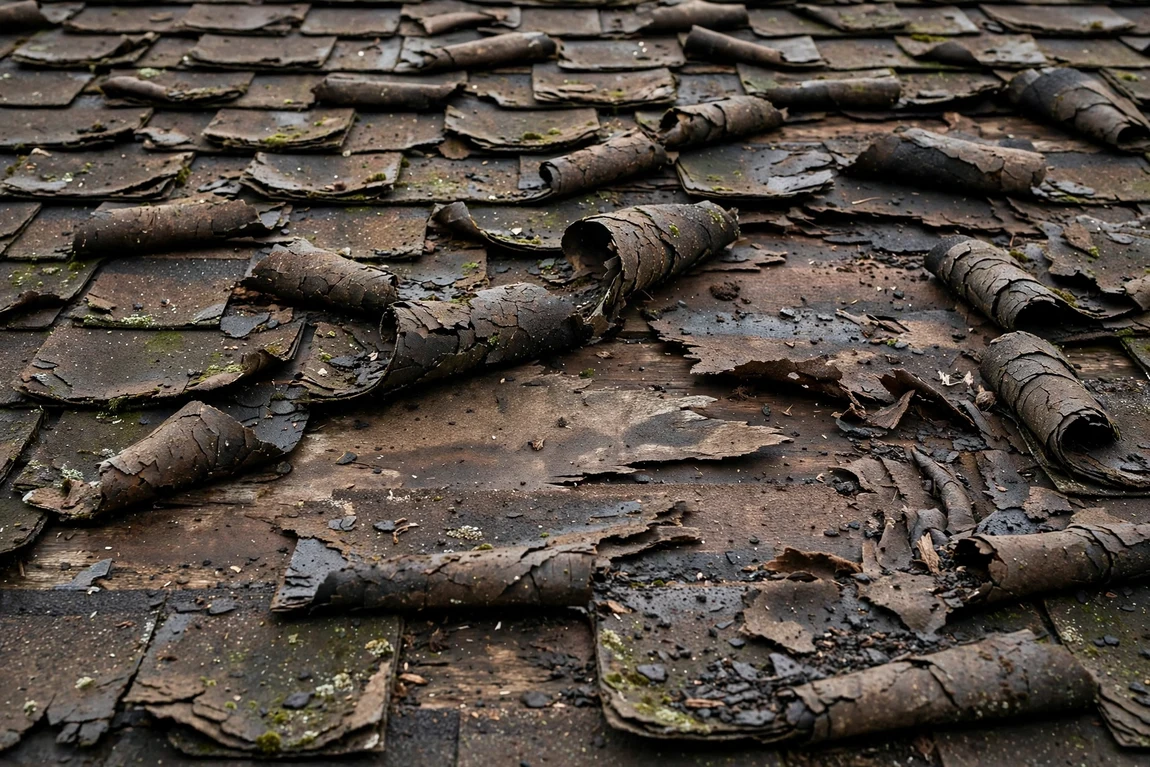
Most asphalt shingle roofs last 15 to 30 years. As a roof nears the end of that window, small problems tend to show up together rather than one at a time.
Look for shingles that are curling, cracked, or missing after every storm. Granules collecting in your gutters are another warning sign, because they protect shingles from sun damage.
Inside the house, check your attic and ceilings. Water stains, daylight showing through the roof boards, or a sagging roof deck all point to damage that patching will not fix for long.
If your roof is over 20 years old and needs repairs in several areas, replacement usually works out cheaper over time than repeated repair visits.
How Much Does Roof Replacement Cost in 2026?
The headline roof replacement cost figures come from Angi’s 2026 data: an average of $9,611, with most projects falling between $5,903 and $13,380. Per square foot, expect to pay about $4 to $11 installed, including tear-off of the old roof in most quotes.
Very large homes, steep roofs, and premium materials can push the total well above that typical range, sometimes past $30,000. Small, simple roofs on one-story homes sit at the low end.
For the full breakdown behind these numbers, see Angi’s 2026 guide to what a new roof costs, which tracks pricing from tens of thousands of verified projects.
What a New Roof Costs by Size and Material
Size and material are the two biggest levers on your quote. The table below combines Angi’s 2026 size data, charged at $4 to $11 per square foot, with its installed price ranges by material.
| Roof Size / Material | Typical Installed Cost in 2026 | Notes |
|---|---|---|
| 1,120 sq. ft. roof | $4,900 – $12,300 | Small one-story home |
| 1,565 sq. ft. roof | $6,800 – $17,200 | Average-sized home |
| 1,800 sq. ft. roof | $8,800 – $22,100 | Larger two-story home |
| 2,460 sq. ft. roof | $10,700 – $27,100 | Large home |
| Asphalt shingles | $5,800 – $20,000 | Most popular; lasts 15–30 years |
| Metal roofing | $5,700 – $25,000 | Lasts 30–100 years |
| Wood shake shingles | $16,000 – $27,000 | Natural look, more upkeep |
| Tile roofing | $8,500 – $26,400 | Lasts 50–100 years |
| Slate or high-end stone | $5,800 – $30,000 | Premium, very long lifespan |
Notice how much the material matters. On the same house, switching from asphalt shingles to tile or slate can double or triple the bill, though those materials also last far longer.
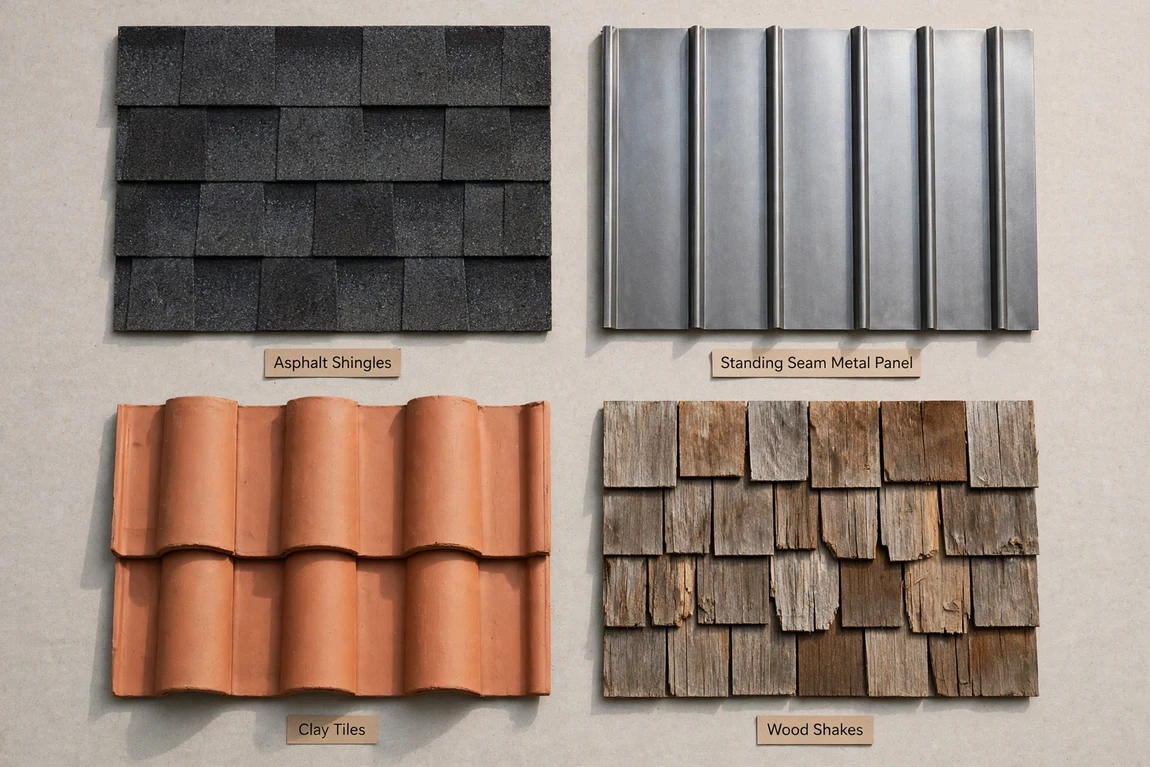
Popular Roofing Materials Compared
Asphalt shingles cover roughly four out of five American homes for a reason. They are the cheapest option to install, come in many colors, and architectural styles now last up to 30 years.
Metal roofing costs more upfront but can last 30 to 100 years and reflects heat, which helps in hot climates. It is also lighter than tile, so it rarely needs extra structural support.
Tile suits hot, dry regions and Mediterranean-style homes. Clay and concrete tile can last 50 to 100 years, but the weight means your roof structure must be able to carry it.
Slate is the premium choice, with a lifespan that can reach 200 years on the right house. Few homeowners need that much roof, but for historic homes it can be worth every dollar.
Factors That Affect the Price of a New Roof
Roof size and pitch. You pay per square foot of roof surface, not floor area. A steep pitch adds surface area and slows the crew down, and Angi notes an unusually steep roof can add $1,000 to $3,000 to the total.
Tear-off and disposal. Removing the old roof takes labor, a dumpster, and disposal fees. If the crew finds rotted decking underneath, replacing those boards adds more.
Roof complexity. Valleys, chimneys, skylights, and multiple levels all need extra flashing and careful work. A simple gable roof is always the cheapest shape to replace.
Permits and inspections. Building permits for a new roof typically run $100 to $1,400 depending on your city. A post-installation inspection costs around $240 on average and is worth it for the paper trail.
Labor and location. Roofing pros charge about $40 to $90 per hour per worker, and rates run higher in expensive metro areas. The same roof replacement cost estimate can swing by thousands of dollars between a rural county and a coastal city, which is why local quotes matter more than any national average.
Warranties. Contractor warranties typically run $500 to $2,000, and manufacturer coverage can reach $5,000 when it is not already included. Ask what each quote includes before you compare prices.
DIY vs. Hiring a Professional Roofer
Roofing is one of the least DIY-friendly projects in home improvement. The work happens at height, on a slope, with heavy materials, and a single flashing mistake can leak for months before you notice it inside.
A professional crew is bonded and insured, finishes most homes in a few days, and can offer workmanship and manufacturer warranties that DIY work cannot. Pros also know local code and permit rules.
Where you can safely save money yourself is around the edges: clearing the attic, moving patio furniture, trimming back branches, and handling yard cleanup after the dumpster leaves.
For a full tear-off and replacement, hiring a licensed roofer is the sensible call almost every time. Save the DIY energy for smaller jobs like gutter cleaning and minor shingle checks from a ladder.
Ways to Keep Your Bill Down
Get at least three written quotes with the same scope, so you are comparing like for like. Ask each roofer to itemize tear-off, underlayment, flashing, and disposal.
Schedule in the contractor’s slower season if your roof can wait safely. Late fall and winter discounts are common in colder regions.
Check your homeowner’s insurance if storm damage is the reason for the work. Policies usually exclude normal wear and tear, but covered storm damage can offset a large share of the bill.
Frequently Asked Questions
How long does a roof replacement take?
Most single-family homes take one to three days for a full tear-off and replacement. Large, steep, or complex roofs, and bad weather, can stretch the job to a week.
Is it cheaper to repair or replace?
Repair wins when the damage is small and the roof is young. A common rule of thumb: if a repair would cost 50% or more of a full replacement, replace the whole roof and reset the clock.
Does a new roof increase home value?
Homeowners typically recoup about 20% to 50% of the roof replacement cost through resale value, according to Angi. Just as important, a sound roof stops a buyer’s inspector from discounting your home.
Can I put new shingles over the old ones?
Sometimes, but a tear-off is usually better. Removing the old layer lets the crew inspect the decking, and the new roof lasts longer and looks flatter and cleaner.
What time of year is cheapest?
Late fall and winter are often cheapest in cold climates because demand drops. In hurricane and storm regions, prices spike right after major weather events, so booking early helps.
The Bottom Line
Budget around the $9,611 national average, expect $4 to $11 per square foot, and let your material choice and roof complexity guide the rest. Your final roof replacement cost will come from local quotes, and three itemized bids will tell you more than any national figure.
Get the roof inspected, confirm what your insurance covers, and do not wait until a small leak becomes ceiling damage. A sound roof protects everything under it.