

If your home was built before the 1980s, a renovation can quickly turn into a safety project. Popcorn ceilings, old floor tiles, pipe wrap, and attic insulation from that era may contain asbestos. Before you budget for new floors or a remodel, you need a clear picture of the asbestos removal cost for your home, because this is regulated work that must be priced, planned, and handled very differently from ordinary demolition.
In 2026, most homeowners pay between $450 and $6,000 for a typical abatement job, according to Angi. Removal is usually priced at $5 to $20 per square foot. Encapsulation, which seals intact material in place instead of removing it, averages $2 to $6 per square foot.
This Old House reports a similar national picture, with removal or encapsulation averaging $1,170 to $3,120. Testing comes first in almost every case. A professional inspection and lab test usually runs $250 to $800 before any abatement work begins.
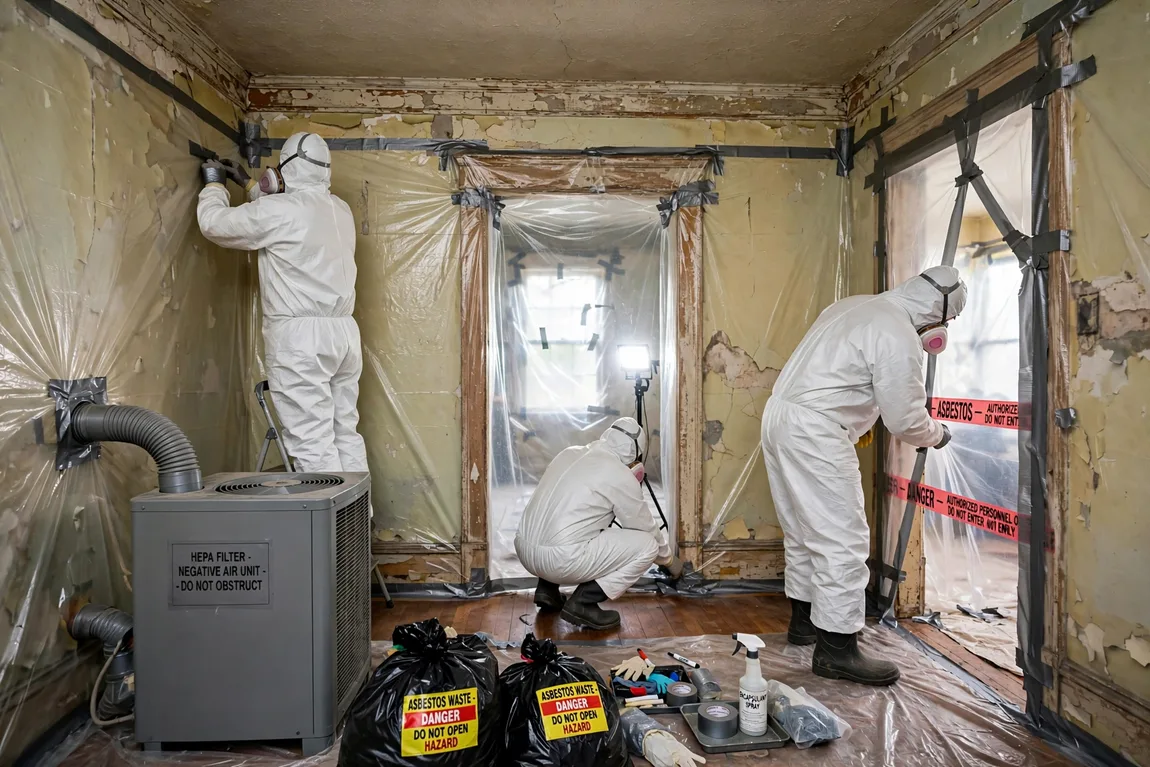
What Is the Average Asbestos Removal Cost in 2026?
The total depends first on how much material is involved and where it sits. A small area of floor tile is a very different job from a whole attic of vermiculite insulation or a house full of textured ceilings.
Interior work is the most common pricing model. Contractors seal the work area, use negative air pressure and HEPA filtration, wet the material to limit airborne fibers, and bag everything for approved disposal. That containment work is a major part of the price, even on a small job.
Exterior work can cost far more. This Old House notes that exterior projects involving siding or roofing can run $50 to $150 per square foot because of access, scaffolding, and containment needs. Always confirm whether a quote covers testing, disposal, permits, and clearance air testing, or whether those items are billed separately.
The table below summarises the ranges reported by Angi and This Old House for 2026. Use it as a budgeting guide, not as a quote. Only a site visit and lab result can confirm what is in your home.
| Project | Typical 2026 Range | Notes |
|---|---|---|
| Professional testing and inspection | $250 – $800 | Sampling and lab analysis before work starts |
| Typical removal job (single area) | $450 – $6,000 | Angi national range for most homes |
| Interior removal, per square foot | $5 – $20 per sq. ft. | Ceilings, floors, walls, and pipe insulation |
| Average removal or encapsulation job | $1,170 – $3,120 | This Old House national average range |
| Encapsulation, per square foot | $2 – $6 per sq. ft. | For intact material that can stay in place |
| Exterior siding or roofing removal | $50 – $150 per sq. ft. | Higher due to access and containment |
| Disposal | $10 – $50 per cubic yard, plus permit fees | Ask if disposal is included in the quote |
When you compare bids, look at the scope line by line. The lowest asbestos removal cost on paper may exclude disposal, clearance testing, or the replacement material you will need after the old material is gone.
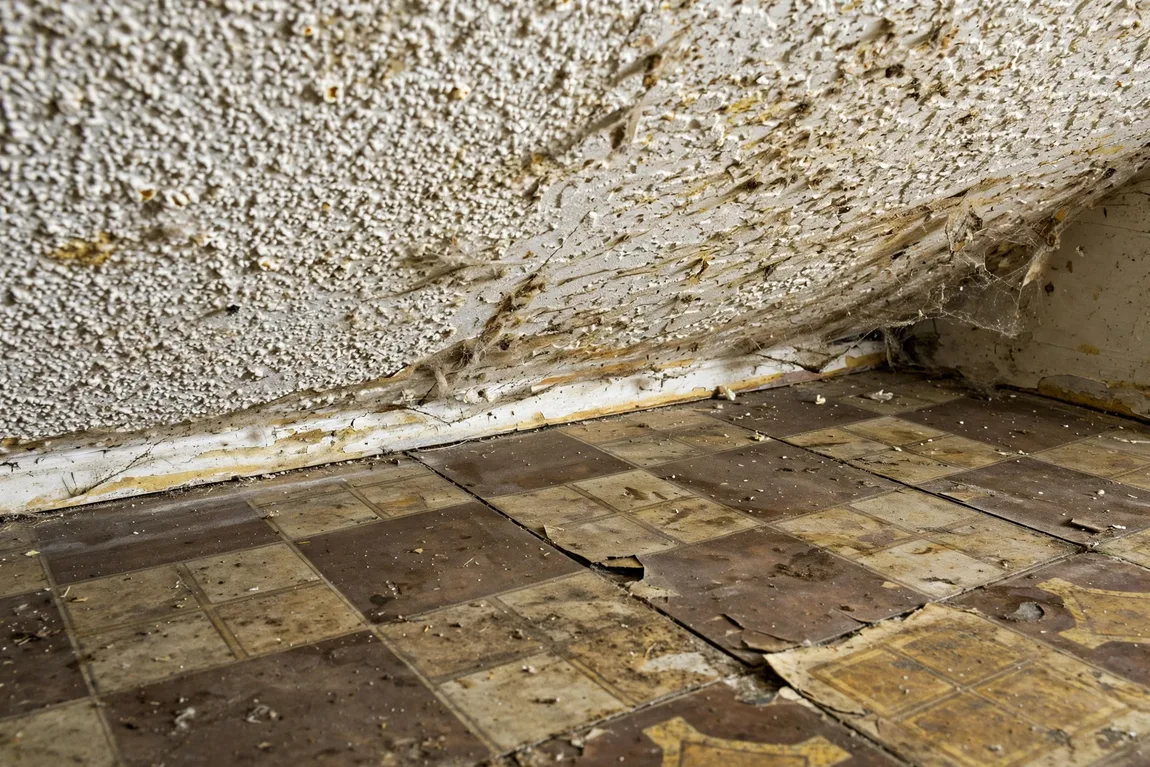
Where Asbestos Is Commonly Found
Asbestos was valued because it resisted heat and fire. Builders used it for decades in insulation, floor tiles and the mastic beneath them, textured ceilings, drywall joint compound, roofing, siding, and wrap around pipes and boilers.
You cannot confirm it by sight alone. Two ceilings that look identical can test very differently. That is why inspectors take samples and send them to an accredited lab before recommending removal or encapsulation.
Material condition matters as much as location. Intact, undisturbed material is often managed in place. Damaged, crumbling, or friable material is more hazardous because fibers can become airborne more easily. Any material in the path of a planned renovation also needs a decision before demolition starts.
Factors That Affect the Price
Size of the area. Square footage is the starting point for most quotes. Larger areas need more labour, more containment, and more disposal, even though the per-foot rate can fall slightly on bigger jobs.
Type and location of material. Floor tile with asbestos mastic, loose attic insulation, and pipe wrap all require different methods. Tight crawl spaces, high ceilings, and ductwork add time and precautions.
Removal versus encapsulation. Sealing intact material in place is usually cheaper and faster. Removal costs more, but it eliminates the material permanently and is usually required when the material is damaged or a renovation will disturb it.
Containment and air testing. Plastic sealing, decontamination areas, HEPA vacuums, and negative air machines are not optional extras on a proper job. Clearance testing after the work confirms the area is safe to re-enter.
State and local rules. Licensing, notification, permits, and approved disposal sites vary by state and city. Stricter local rules and longer disposal trips can raise the final bill.
Repairs after removal. Abatement quotes rarely include new ceilings, flooring, or insulation. Budget separately to put the room back together once clearance is confirmed.
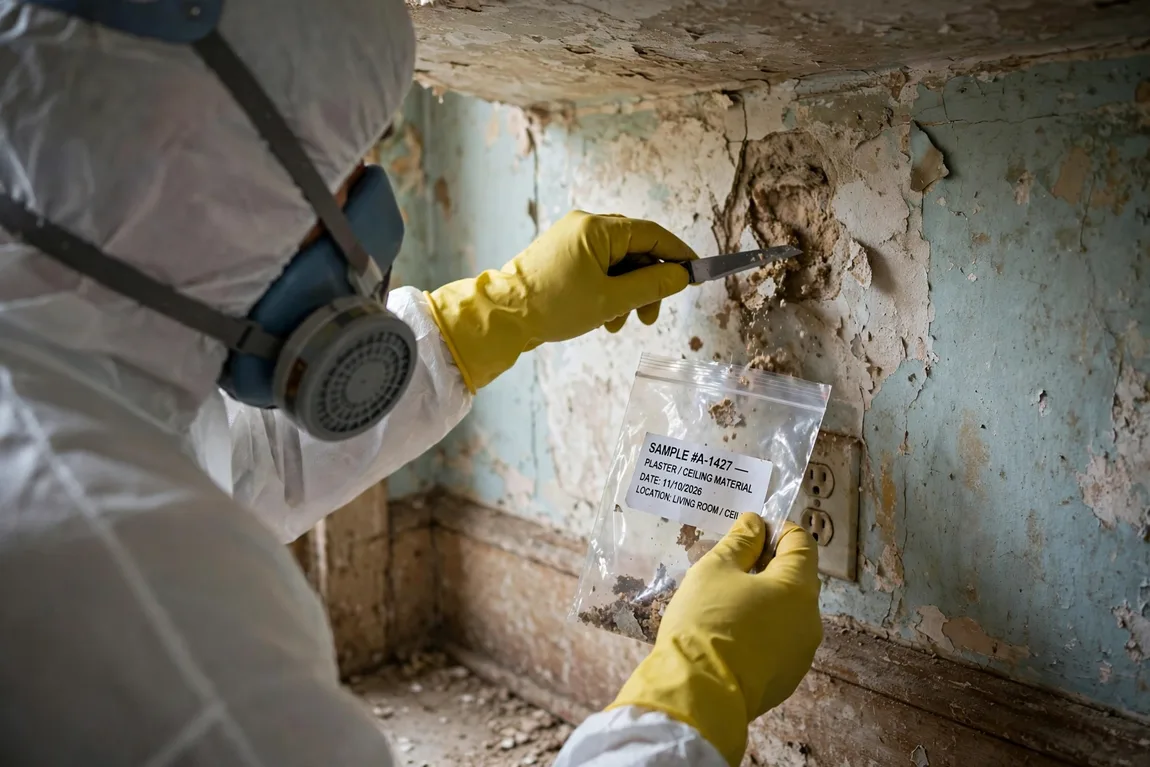
Removal or Encapsulation: Which Is Right?
Encapsulation works when the material is in good condition and will not be disturbed. A specialist applies a sealant that binds the surface and locks fibers in place. The material must then be monitored over time, and future buyers should be told it is there.
Removal is the stronger long-term answer when material is damaged, deteriorating, or in the way of planned work. It costs more up front, but there is nothing left to monitor, disclose, or work around during the next project.
A good contractor will explain both options honestly. If a material can safely be sealed, they should say so. If it cannot, they should explain why in writing before you sign, and confirm how the method changes the total asbestos removal cost for your material.
Why You Should Not DIY This Work
Homeowners should not attempt asbestos removal themselves. This is not a matter of confidence or basic DIY skill. Disturbing the material without containment can release microscopic fibers that spread through the home on air currents, clothing, and tools, and the health effects of exposure can take years or decades to appear.
Licensed professionals use respirators, protective suits, wet methods, HEPA filtration, sealed containment, and approved disposal routes. Many states require licensing for abatement contractors, and federal EPA and OSHA rules govern how the work is done, especially during renovation and demolition.
There is still a safe role for you as the homeowner. Do not sand, scrape, drill, or tear out suspect material. Keep the area undisturbed, keep children and pets away, and call an independent inspector for testing. Paying a fair asbestos removal cost to a licensed crew is far cheaper, in every sense, than contaminating the whole house with a weekend project.
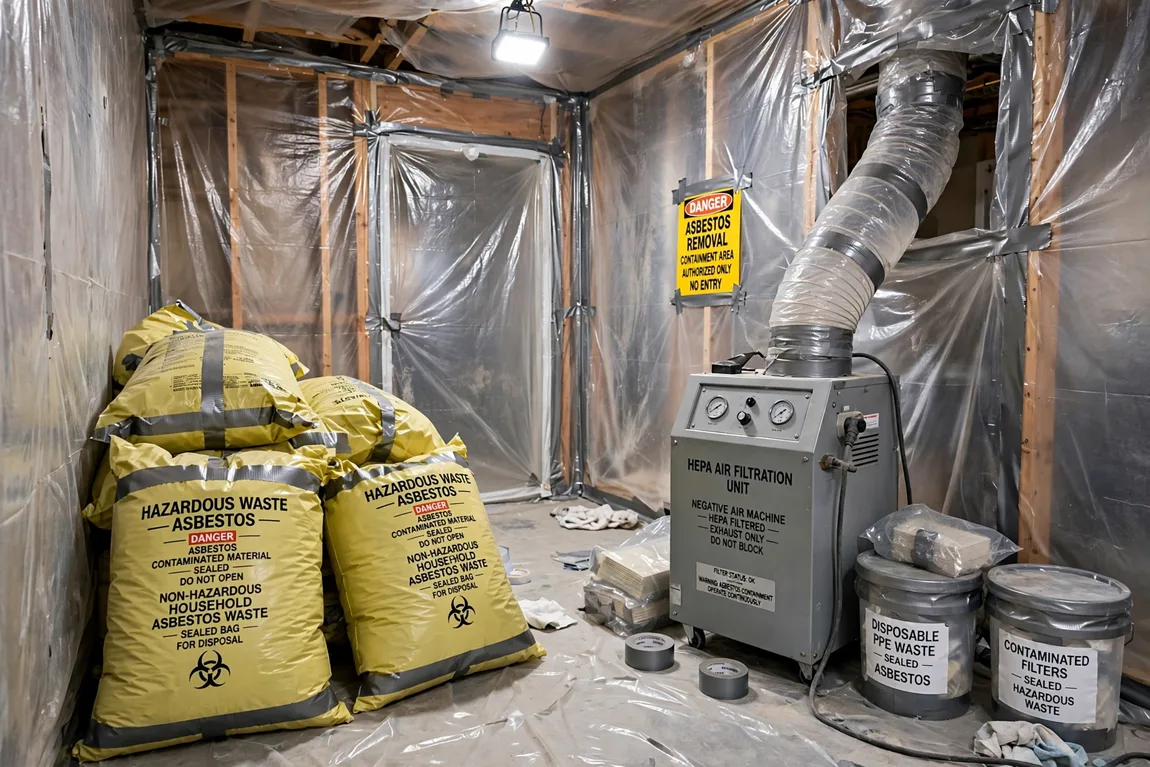
How to Hire and How to Save Safely
Hire the inspector and the abatement company separately where you can. An independent test avoids a conflict of interest. Then get written quotes from licensed, insured contractors that spell out containment, disposal, and clearance testing.
Ask for proof of state licensing and insurance, references, and written confirmation after the job that the work followed applicable regulations. Avoid any quote that is dramatically lower than the others without a clear reason. In this trade, an unusually cheap bid often means corners are being cut on safety or disposal.
You can save legitimately by asking whether encapsulation is appropriate, by bundling several small areas into one visit, and by checking whether your state or city offers assistance programmes. Never try to save by removing material yourself or by hiring an unlicensed operator.
Frequently Asked Questions
How do I know if my home has asbestos?
You cannot tell by looking. Only lab testing of a sample confirms it. Homes built before the 1980s are more likely to contain it in ceilings, floors, insulation, and pipe wrap, so test before any renovation that disturbs those materials.
Is asbestos dangerous if it is left alone?
Intact, undisturbed material generally poses a low immediate risk, which is why encapsulation is sometimes recommended. The danger rises sharply when material is damaged or disturbed and fibers become airborne, so monitor its condition and avoid drilling, sanding, or tearing it out.
Does homeowners insurance pay for removal?
Usually not. Angi notes that most policies exclude pollutants and treat removal in an older home as maintenance. An exception can apply when a covered event such as a fire or storm damages the material, so check your policy wording for your specific case.
How long does a typical job take?
Small, contained jobs can take a day or two, including setup and clearance testing. Larger or multi-room projects take longer. Your contractor should give you a schedule that includes testing, containment, removal, disposal, and the final air clearance result.
What should I ask before signing a contract?
Ask about licensing, insurance, disposal site, clearance testing, and what is excluded. One useful final check is to confirm in writing that the quoted asbestos removal cost includes containment, sealed disposal, and post-work documentation, so there are no surprise charges later.