

Flickering lights, breakers that trip for no clear reason, warm outlets, or wiring that predates modern safety codes are all signs it may be time to plan a rewire. The cost to rewire a house is one of the bigger electrical investments a homeowner makes, but it is also one of the most important for safety, insurance, and everyday reliability.
Angi puts rewiring at $2 to $4 per square foot in 2026, including labour and materials, in its guide to rewiring costs. On that basis, a 1,500 square foot home runs $3,000 to $6,000, a 2,000 square foot home runs $4,000 to $8,000, and a 2,500 square foot home runs $5,000 to $10,000.
Those figures are a starting point, not a promise. Age, access, wall construction, and whether you also need a new service panel can move a real quote well above the simple per-foot maths. This guide breaks down the ranges, the extras, and the decisions that shape a final price.
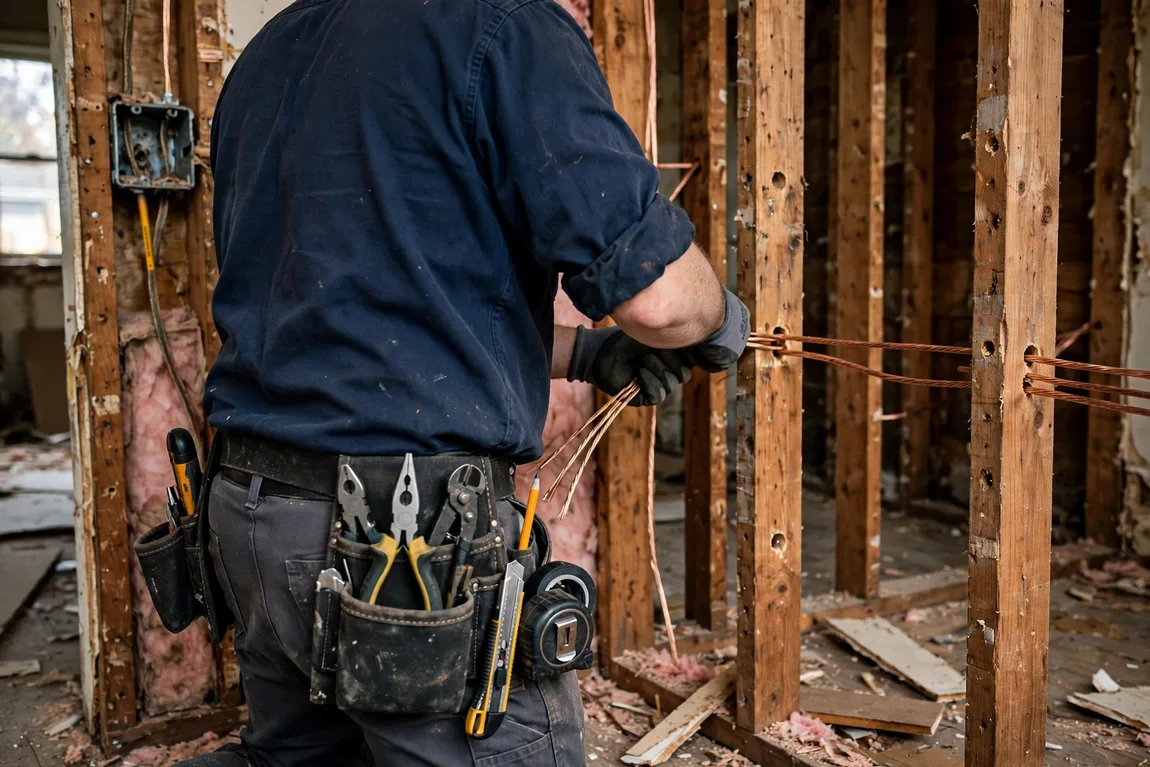
What Is the Average Cost to Rewire a House?
Most full rewires are priced by the size of the home and the difficulty of running new cable. Electricians typically charge $50 to $100 per hour, according to Angi, and a whole-house job usually takes three to ten days depending on size and access.
Partial work costs less. Rewiring one circuit, one room, or the kitchen alone can address an urgent problem without committing to the whole property at once. Your electrician can advise whether a staged approach is safe and code-compliant in your case.
The table below is built directly from Angi’s 2026 per-square-foot range. Use it to set a realistic budget range before you invite quotes, then expect each electrician to adjust for your walls, panel, and local permit rules.
| Home Size | Typical 2026 Range | Notes |
|---|---|---|
| 1,000 sq. ft. | $2,000 – $4,000 | At $2 – $4 per sq. ft. |
| 1,500 sq. ft. | $3,000 – $6,000 | Small single-family home |
| 2,000 sq. ft. | $4,000 – $8,000 | Typical family home |
| 2,500 sq. ft. | $5,000 – $10,000 | Angi calculator basis |
| 3,000 sq. ft. | $6,000 – $12,000 | Large or multi-storey home |
| New 100-amp panel | $900 – $2,000 | Suitable for smaller homes |
| New 200-amp panel | $1,500 – $2,500 | Standard for most modern homes |
| Permits and inspection | $75 – $150 permit; $100 – $125 inspection | Varies by locality |
When quotes come in, compare them against this cost to rewire a house range for your square footage and ask each electrician to list panel work, wall repairs, and permit fees separately. Apples-to-apples scope is the only fair way to compare.
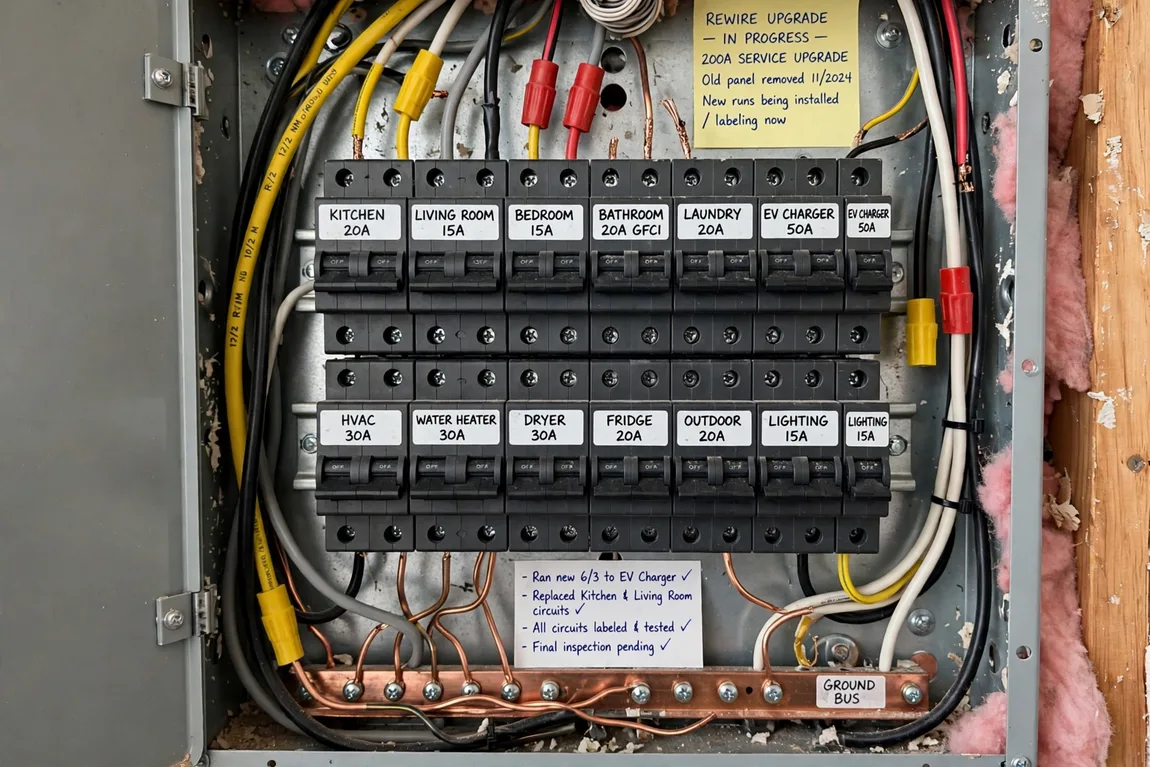
Signs Your Home Needs Rewiring
Frequent breaker trips, lights that flicker when an appliance starts, discoloured or warm outlets, and a faint burning smell are warnings to act on promptly. Turn off the affected circuit and call an electrician if you notice heat, scorch marks, or a burning odour.
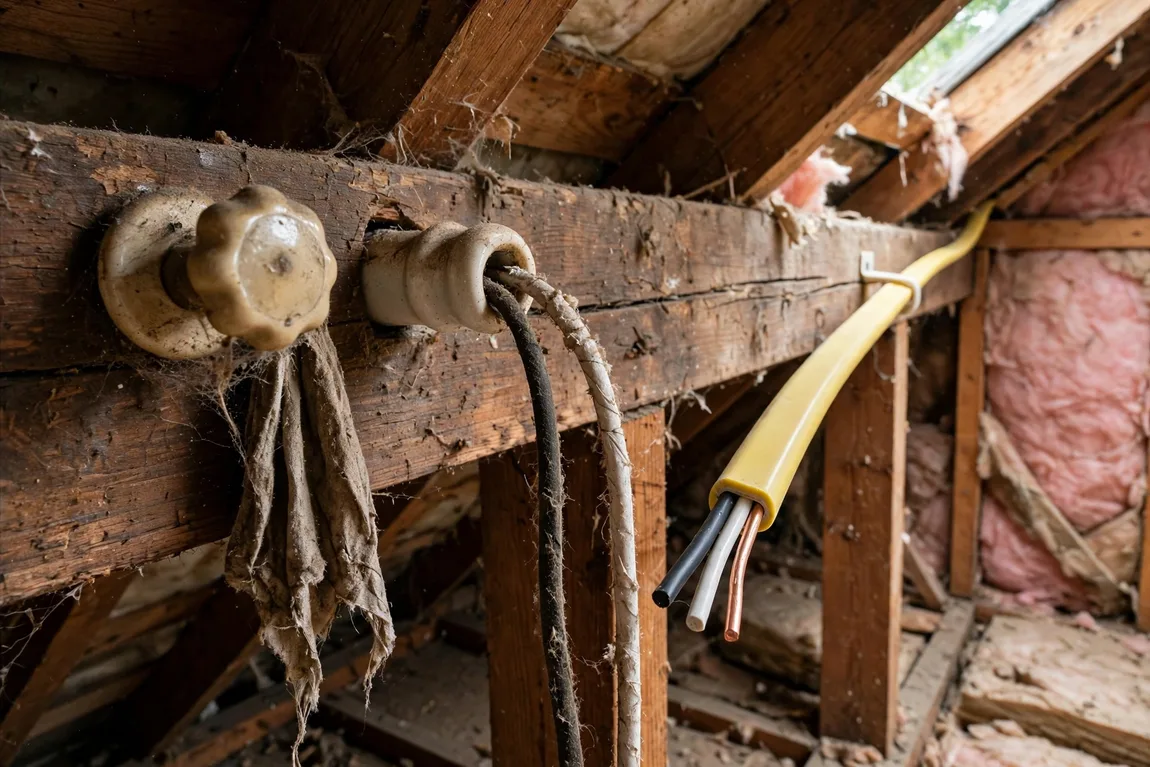
Age alone is a strong signal. Homes built before 1960 may still have wiring that was never designed for modern loads. Homes built before 1950 can still contain knob and tube wiring, which has no ground wire and is a recognised fire risk that many insurers flag.
Other clues include two-prong outlets throughout the house, a 60-amp service panel, aluminium branch wiring, and extensions or DIY additions made over many decades. An inspection can confirm which of these are present in your home.
Factors That Affect the Price
Home size and layout. More square footage means more cable, outlets, and labour. Multi-storey homes and complex layouts take longer than a compact single-storey plan of the same size.
Access and wall type. Crawl spaces, attics, and unfinished basements let electricians run cable with less damage. Lath and plaster, brick, and finished ceilings slow the work and add repair bills afterwards.
Panel and service upgrade. Many older homes need a new panel as part of the job. Angi lists $900 to $2,000 for a 100-amp panel and $1,500 to $2,500 for a 200-amp panel, which suits most modern homes with HVAC, laundry, and EV charging.
Scope and additions. Extra outlets at $100 to $185 each, new switches, dedicated kitchen and laundry circuits, and AFCI or GFCI protection all add to the total. A rewire is the cheapest moment to add them, while walls and access routes are already open.
Wall opening and making good. Opening and repairing walls can run $4 to $8 per square foot where it is needed. Ask whether your quote includes patching and painting, or whether that work is yours to arrange.
Permits, inspection, and old wiring removal. Budget $75 to $150 for permits and $100 to $125 for inspection, with higher fees in some areas. Removing knob and tube wiring can add permits of $200 to $500 and removal work of around $5,000 on older properties, per Angi.
DIY vs Hiring a Licensed Electrician
A whole-house rewire is not a DIY project. It involves live service equipment, code requirements, permits, and inspections, and mistakes can create fire and shock hazards hidden inside walls. Most local codes require a licensed electrician for this scope of work, and insurers and future buyers may ask for the paperwork.
Homeowners can still help legitimately. Move furniture, clear access to outlets and the panel, plan where you want extra sockets, and list heavy-load appliances such as hot tubs, HVAC systems, and EV chargers before the quote visit.
Leave cable runs, panel work, and circuit connections to the professional crew. A licensed electrician will also know how to complete the job with the least damage to drywall and ceilings, and the work will normally carry a workmanship warranty.
How to Save Without Cutting Corners
Get quotes from at least three electricians and compare the written scope, not just the headline number. A cheaper quote that excludes the panel, permits, or wall repair is not actually cheaper.
Start with an inspection. Sometimes targeted repairs or a partial rewire solve the safety problem at a fraction of the full cost to rewire a house, and a professional inspection is how you find out safely.
Where possible, let the crew work through crawl spaces and attics instead of opening finished walls. Bundle extra outlets and circuits into the same visit, and schedule the work while rooms are empty during a renovation if you have that option.
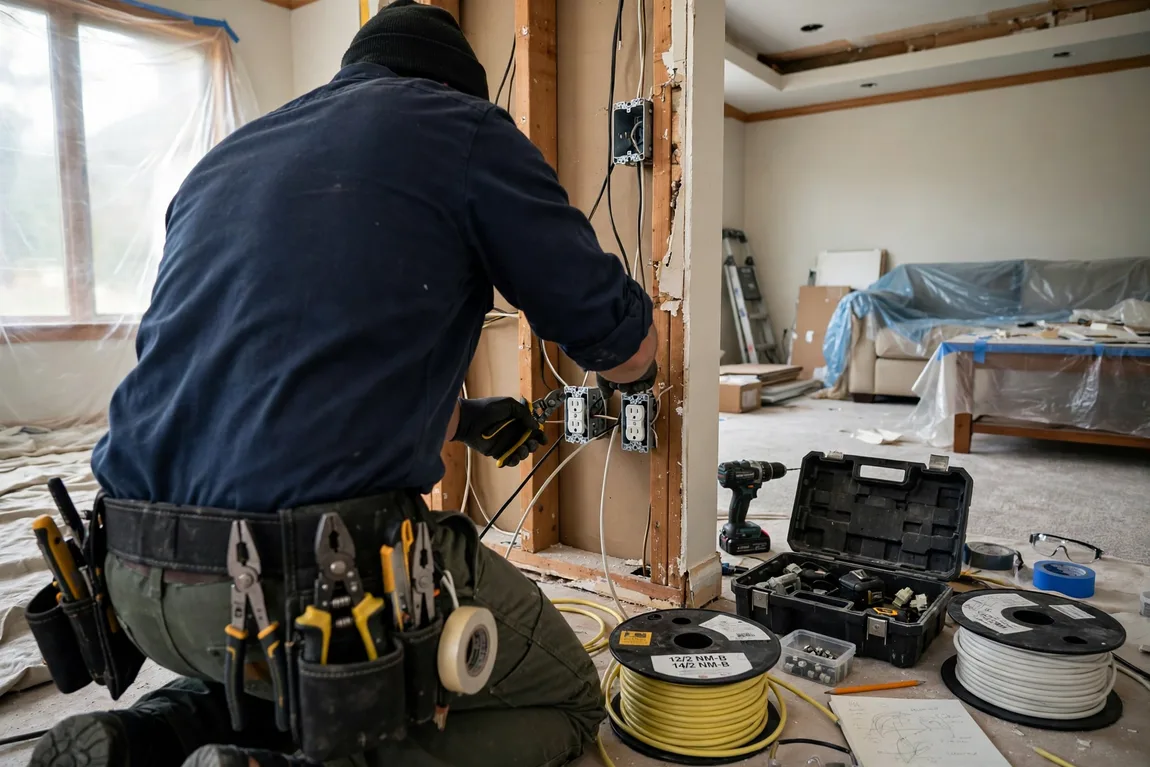
What Happens During a Rewire?
The electrician first inspects the existing system and agrees the scope, panel size, and outlet plan with you. That agreed scope is what turns a rough estimate into a fixed cost to rewire a house for your property, so read it carefully before signing. Permits are pulled before work starts, and power will be off for parts of the project, so plan for disrupted rooms and possibly a short stay elsewhere.
New cable is run, outlets and switches are fitted, and the panel is connected and labelled. Walls are patched where they were opened. A final inspection confirms the work meets code, and you should keep the certificate and paperwork with your home records.
Ask about the timeline in writing. Three to ten days is typical, but plaster walls, large homes, and panel upgrades can extend it. A clear schedule helps you plan around the noisiest and messiest days, and it gives you a firm date for the final inspection and for moving furniture and family routines back to normal once the new circuits are tested and labelled.
Frequently Asked Questions
How long does rewiring take?
Most projects take three to ten days. Small homes with good access sit at the fast end, while large, multi-storey, or plaster-walled homes take longer. Your electrician should confirm a timeline after the initial inspection of your property.
Do I need a new panel as well?
Often, yes. A 60-amp panel from the 1940s or 1950s cannot safely support modern loads. Upgrading to 200 amps is the common choice for a family home, and doing it during the rewire is usually cheaper than returning later.
Can I live in the house during the work?
Sometimes, for a phased job, but many families move out for at least part of a full rewire. Power cuts, dust, and open walls make daily life difficult. Discuss sequencing with your electrician so you can plan accommodation only for the days you truly need it.
Does rewiring add value to a home?
It removes a major objection for buyers and insurers, and it supports modern appliances, home working, and EV charging. Appraisers may not credit the full spend dollar for dollar, but documented, permitted rewiring makes an older home easier to sell and insure.
How do I get an accurate quote?
Share your square footage, the age of the home, past inspection reports, and a list of known issues and desired extra outlets. With that information, an electrician can give you a firm cost to rewire a house for your property instead of a rough per-foot estimate.