

A nest under a step or in a lawn can turn a normal yard day into a painful one. Learning how to get rid of yellow jackets safely means slowing down first: confirm the insect, find the nest from a distance, and decide whether the job is yours at all. For many nests near doors and play areas, a professional is the safest answer.
This guide follows UC IPM and NC State Extension guidance. It covers identification, why colonies grow aggressive in late summer, trapping for foragers, nest treatment at night, and the safety rules that matter most if anyone in your home has a sting allergy.
How to Get Rid of Yellow Jackets Without Getting Stung
Start with distance. Watch flight paths from several feet away, in daylight, without blocking the entrance. Wasps flying steadily in and out of one hole in the ground or a wall usually mark a nest, as UC IPM notes. Mark the spot with a stake placed nearby, not on the nest, and keep children and pets away.
Step 1: Confirm the insect. Do not treat a honey bee colony or a calm paper wasp nest as a yellowjacket nest. Identification comes first, because the right response is very different for each insect.
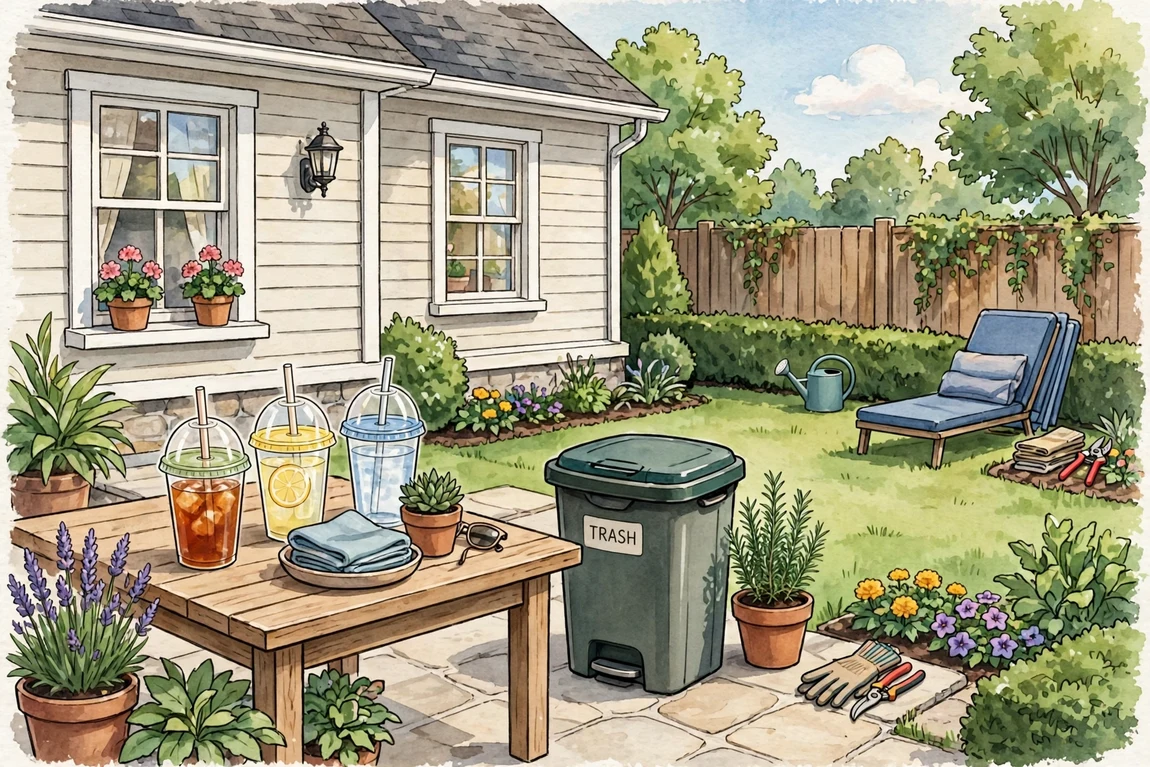
Step 2: Reduce food for foragers. Keep food and pet food covered or indoors, cover soda cans, pick up ripe fruit, and keep garbage in sealed cans emptied regularly. UC IPM stresses this step, because once wasps find food, they keep hunting that spot long after it is gone.
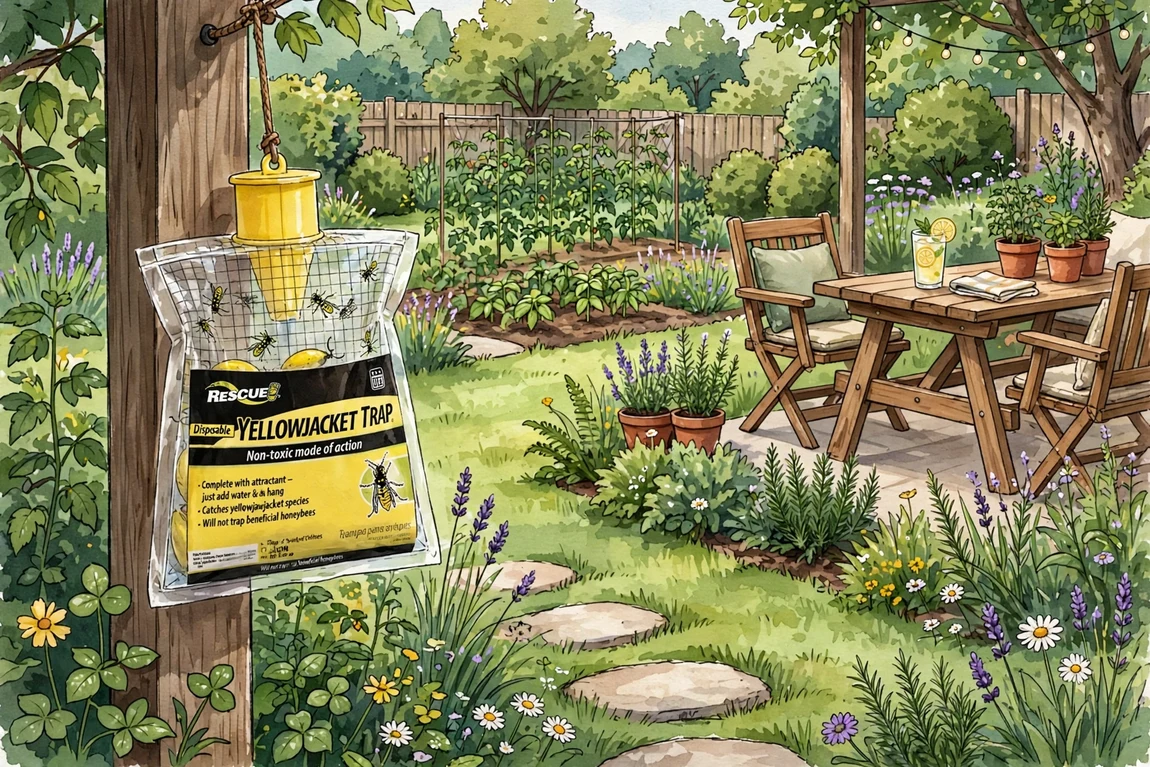
Step 3: Trap foragers away from people. Lure traps hung along the property perimeter can reduce foraging by some species around patios. Place traps away from tables and seating. A homemade meat-bait trap over soapy water can also help, but it will not eliminate a nest.
Step 4: Decide on the nest. If the nest is far from people and pets, leaving it alone until frost may be reasonable. Colonies normally live only one season. If it is by a door, in a mowed lawn, in a wall void, or near someone with an allergy, removal is usually necessary.
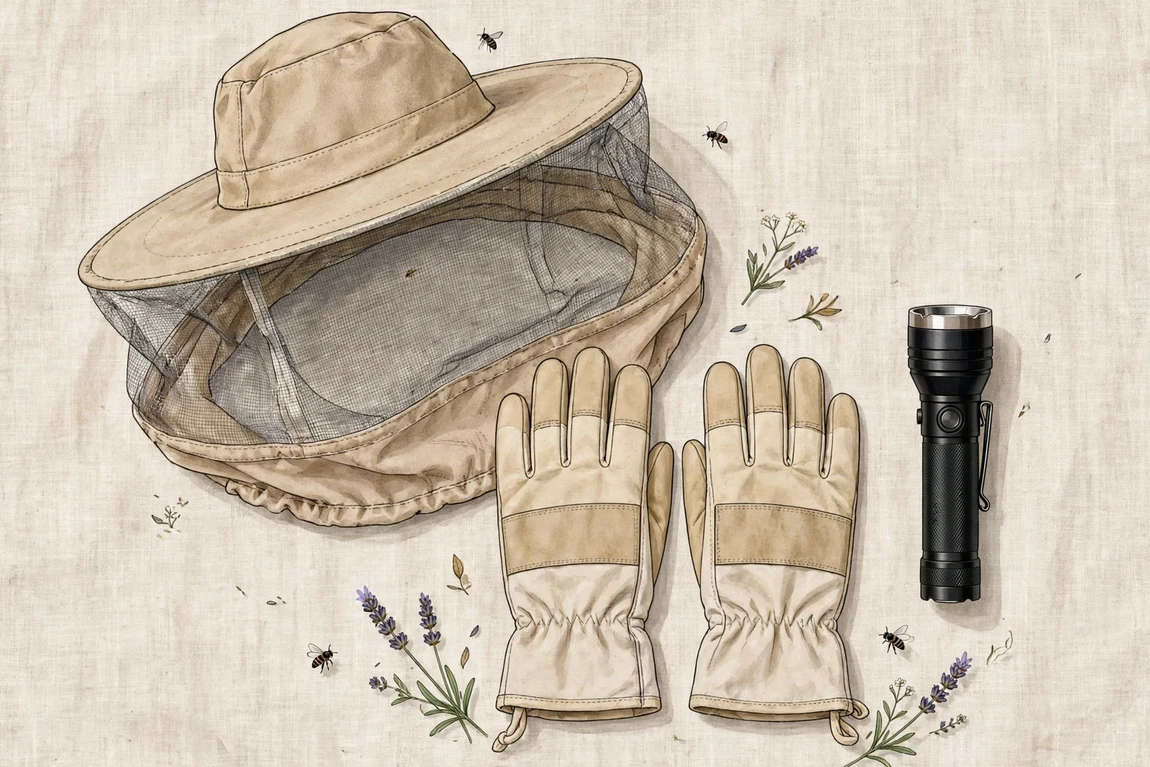
Step 5: If you treat, work at night and follow the label. NC State Extension advises that nests are best eliminated at night when wasps are inside and relatively calm, with protective clothing, and even then disturbance brings instant activity. Use only a product labeled for yellowjacket nests, applied exactly as directed, or hire a pro instead.
Never pour gasoline or other accelerants into a nest hole. NC State Extension calls that extremely hazardous and environmentally unsound. Never plug a wall-void entrance either, because that can drive wasps indoors into living spaces.
How to Identify Yellow Jackets Correctly
Yellowjackets are 1/2 to 1 inch long with jagged bright yellow and black stripes and a narrow waist that is barely visible, according to UC IPM. They are smooth and less hairy than honey bees. NC State Extension adds that they are about the size of a honey bee, but more slender and less hairy, with yellow and black markings.
Paper wasps look different on a closer, distant look. They have long, slender waists, dangling legs in flight, and open paper nests under eaves. Mud daubers are dark, thread-waisted, and build mud nests. Honey bees are hairier, less brightly striped, and usually not drawn to meat and soda.
Behavior is a clue too. Unlike most other wasps, yellowjackets scavenge human food and garbage. In early summer workers hunt protein, often other insects, to feed larvae. By late summer and fall they crave sugar, which is why they crowd picnics, cans, and fallen fruit.
For a side-by-side comparison, see our guide to yellowjackets vs. wasps. If you are also dealing with a different ground nester, our article on ground bees in the yard explains why those solitary bees are usually left alone.
Why Yellow Jackets Become a Problem in Late Summer
A colony starts in spring with one mated queen. She builds the first cells, lays eggs, and raises the first workers. Those workers then expand the nest and forage, while the queen stays inside laying eggs.
By late summer the nest is at its largest. UC IPM notes colonies can reach between 1,500 and 15,000 individuals, depending on the species. NC State Extension notes an eastern yellowjacket colony not taken over by another species may reach about 3,000 workers. Bigger colonies defend more strongly, and food becomes scarcer.
That timing explains most sting reports. Mowing, trimming, or stepping near a hidden ground entrance vibrates the nest. Workers swarm out to defend it, and unlike honey bees, yellowjackets can sting repeatedly. The sting is instantly painful, and soreness, swelling, and itching may persist for days, NC State Extension notes.
Prevention for Patios, Picnics, and Yards
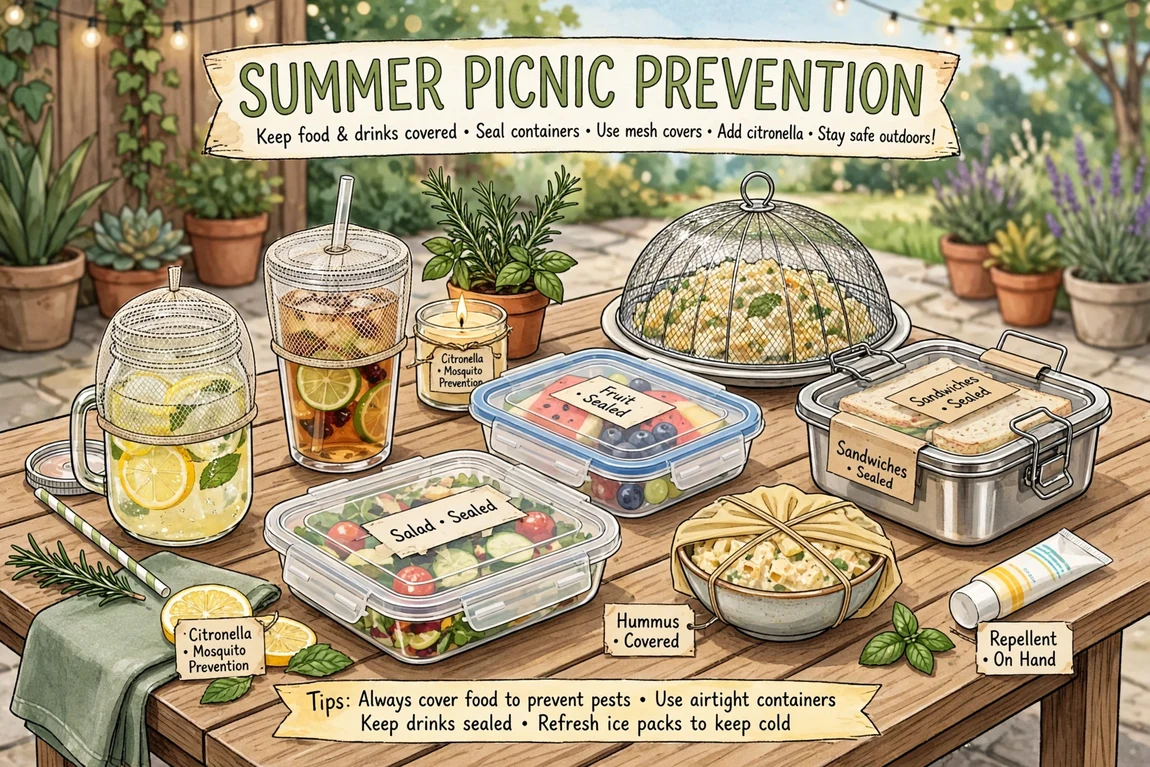
Prevention is mostly food discipline. Cover drinks, use cups with lids outdoors, and clean up spills at once. Do not leave pet food outside all day. Rinse recycling, because sweet residue in cans is a strong attractant in late summer.
Harvest fruit as it ripens and dispose of rotten fruit where wasps cannot reach it. Keep barbecue areas clean, wipe grills, and move trash cans away from eating areas when you host guests. Place traps at the edge of the gathering area, not on the table.
When you plan how to get rid of yellow jackets for the season, prevention plus early spotting does most of the work. It will not stop every forager from a distant nest, but it makes your yard far less rewarding to visit.
DIY vs. Calling a Professional
Knowing how to get rid of yellow jackets starts with separating forager control from nest control. DIY is reasonable for forager control: sanitation, covering food, and perimeter trapping. Those steps are low risk and help even when the nest is on a neighbor’s land. They are also the right first move while you watch and locate the nest.
Nest treatment is different. UC IPM says if nests must be eliminated, it is easiest and safest to call for professional help, and some areas offer mosquito and vector control district help. That advice is especially important for wall-void nests, large ground nests, and any nest you cannot approach without standing over the entrance.
Call a pro immediately if anyone in the home has a known sting allergy, if the nest is in a wall, or if a first careful attempt fails. Professionals have protective suits, long-reach tools, and products labeled for nest use. The cost is small compared with an emergency room visit.
Sting and Pesticide Safety You Must Not Skip
Some people are highly allergic to wasp stings. NC State Extension warns that without prompt medical attention, people hypersensitive to stings may die from a yellowjacket sting. If someone has trouble breathing, swelling of the lips or throat, dizziness, or widespread hives, call emergency services at once and use an epinephrine auto-injector if one is prescribed.
If a wasp lands on you, stay calm. UC IPM advises not to swat or run; wait for it to leave or gently brush it away. If wasps start stinging near a nest, leave the area as quickly as possible and do not return until things are calm.
For any pesticide, read the whole label before you open the container. Wear the protective clothing the label requires, treat only at the time of day the label and extension guidance support, and keep people and pets away as directed. In this guide, learning how to get rid of yellow jackets always includes knowing when not to treat at all.
For the full management notes, see the UC IPM guide to yellowjackets and other social wasps. It covers traps, nest decisions, and sting prevention in detail.
Frequently Asked Questions
Should I treat a nest during the day?
No. Extension guidance favors night, when most wasps are inside and calmer. Daytime treatment misses many foragers and raises the sting risk. Even at night, wear protective clothing and work cautiously, or hire a professional.
Will a trap get rid of the whole nest?
No. Traps reduce foragers around a patio or picnic area, but they do not eliminate a large colony. UC IPM notes lure traps help with localized workers, and the common lure works mainly for the western yellowjacket, not every species.
What should I do if I find a nest while mowing?
Back away, turn off or leave the mower if it is safe to do so, and keep people and pets clear. Mark the area from a distance once wasps settle. Then decide, with the allergy and location risks in mind, whether to call a pro.
Can I seal a hole in my wall where wasps enter?
Not while the nest is active. Sealing can push wasps deeper indoors. Have the nest treated first, confirm no activity remains, and only then seal the opening. Wall-void nests are a strong reason to use a licensed operator.
Do yellow jackets come back to the same nest next year?
No, they do not reuse old nests. Only mated queens overwinter in sheltered spots and start new nests in spring, often in a different place. That is why how to get rid of yellow jackets this year still needs spring prevention next year.