

A metal roof is one of the biggest home upgrades you can buy, and it is also one of the longest-lasting. Understanding metal roof cost before you collect quotes helps you compare bids fairly, choose the right material for your climate, and avoid paying premium prices for a basic system. In 2026, most homeowners pay about $5 to $18 per square foot installed for a mainstream metal roof, according to Angi, HomeAdvisor and HomeGuide ranges, while premium copper and zinc can climb well above that. This guide breaks down prices by type, size and material, and compares metal with asphalt shingles.
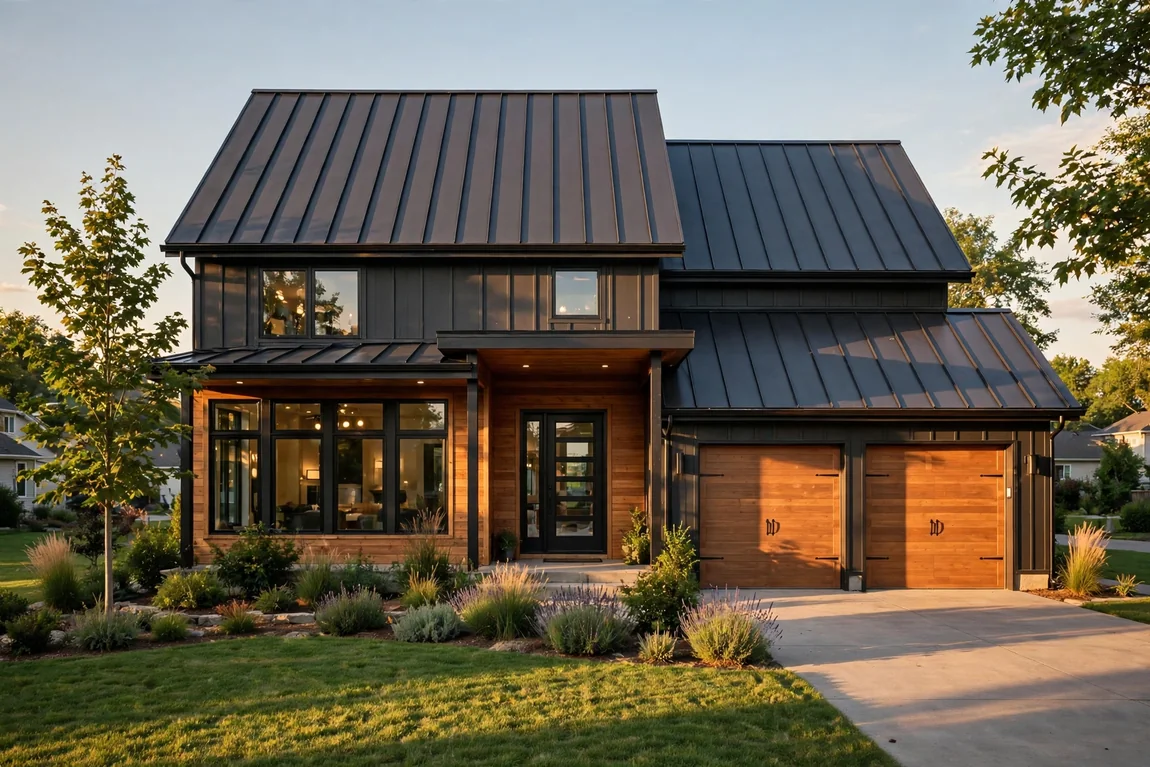
A modern home with a dark standing seam metal roof — the most popular premium residential metal system. (Illustrative image)
Metal roof cost at a glance for 2026
National cost guides generally put corrugated and exposed-fastener metal at the affordable end, standing seam and metal shingles in the middle, and copper or zinc at the top. Exact quotes vary by region, roof shape and contractor, so treat every figure here as an attributed range, not a promise.
Compare these figures with our guide to new roof cost for other materials.
What drives metal roof cost by type and material?
The panel style and the metal itself are the two biggest price drivers. Hidden-fastener systems, thicker gauges and premium metals cost more, but usually buy a longer service life.
| Metal roof type / material | Typical installed cost per sq. ft. (2026) | Typical lifespan |
|---|---|---|
| Corrugated / exposed-fastener steel | $5–$12 | 30–45 years |
| Galvanized / Galvalume steel panels | $5–$13 | 40–60 years |
| Metal shingles (stamped steel or aluminium) | $7–$18 | 40–70 years |
| Standing seam steel | $10–$16 | 40–70 years |
| Standing seam aluminium | $11–$18 | 40–70 years |
| Stone-coated steel | $10–$18 | 40–60 years |
| Zinc | $15–$30 | 60–100 years |
| Copper | $20–$40 | 70–100+ years |
Ranges synthesise 2026 figures from Angi, HomeAdvisor and HomeGuide. Local quotes may fall outside them, especially for copper and zinc.
Standing seam
Standing seam is the most popular premium system. Long panels run from ridge to eaves with raised seams and concealed fasteners, so there are no exposed screws to loosen or leak. Angi’s 2026 data puts steel at about $10–$16 per square foot installed, aluminium at $11–$18, and zinc and copper at roughly $25–$35 or more.
Corrugated and exposed-fastener panels
Corrugated and ribbed panels are the budget entry point — lighter, faster to install and widely used on homes and outbuildings. The trade-off is maintenance: exposed screws eventually need checking and replacement, and expected life is shorter than a concealed-fastener roof.
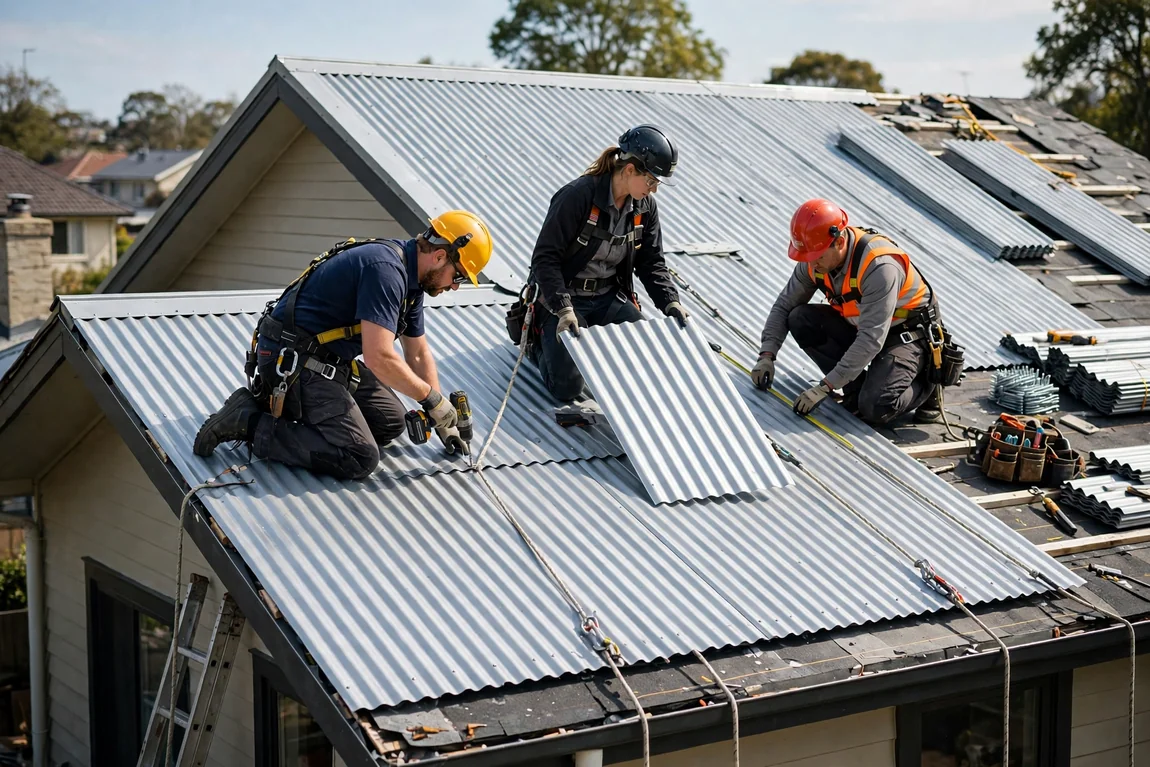
Corrugated, exposed-fastener panels are the most affordable metal option, but they need periodic fastener checks. (Illustrative image)
Metal shingles and stone-coated steel
Metal shingles are stamped to look like asphalt, wood shake, slate or tile, so they suit neighbourhoods where a panel roof would look out of place. Stone-coated steel adds a granule finish. Both sit mid-range and keep most of metal’s durability advantages.
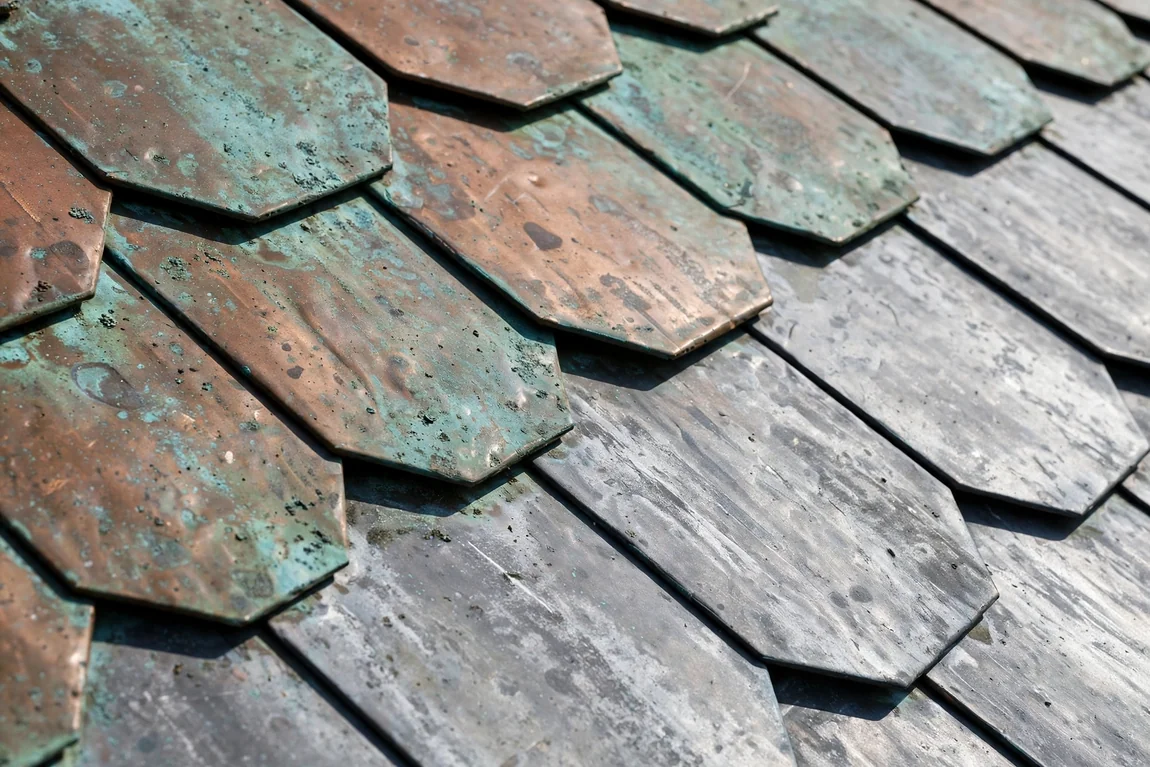
Metal shingles mimic shingle, shake, slate or tile, while premium metals such as copper and zinc develop a natural patina. (Illustrative image)
Steel, aluminium, copper and zinc
Steel is the value choice and the most common. Aluminium costs more but resists salt corrosion, so it is often preferred near the coast. Copper and zinc are architectural metals: they develop a patina, can last generations, and carry the highest costs because fewer installers work with them.
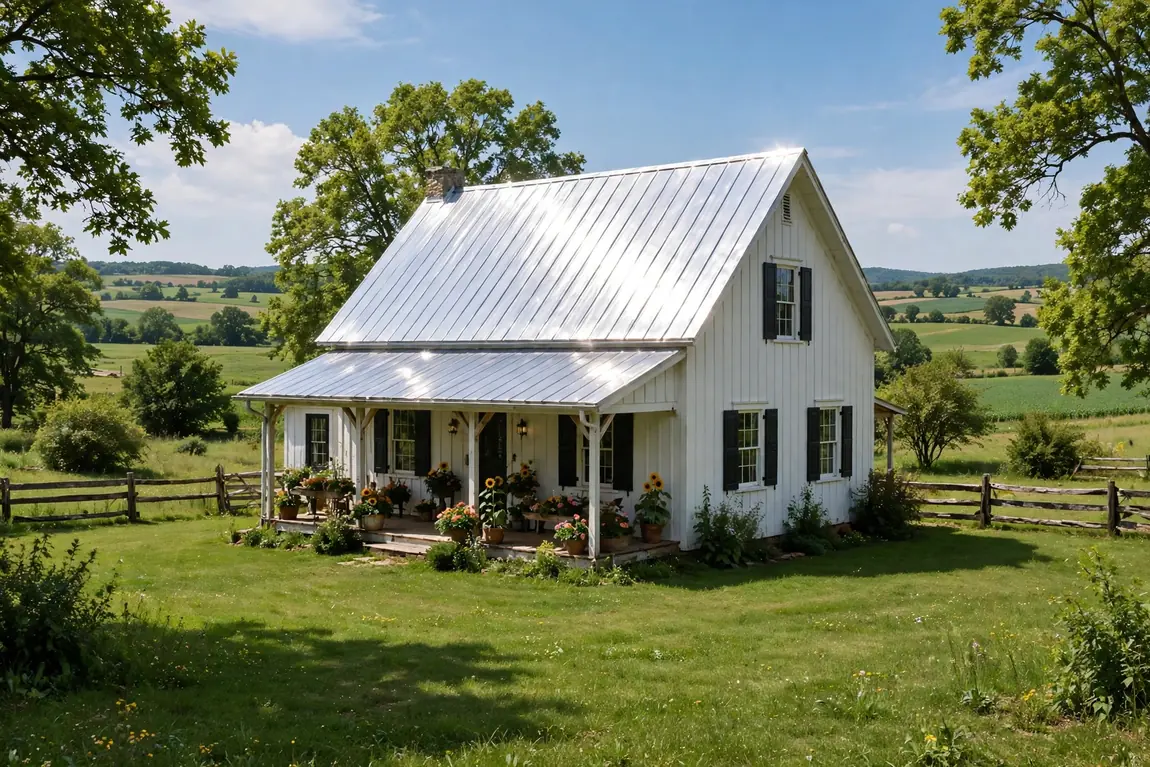
Aluminium resists salt corrosion, making it a popular choice for coastal and rural homes alike. (Illustrative image)
Typical whole-roof totals by roof size
Roof size is measured in roofing squares, where one square equals 100 square feet of roof surface — not floor area. A pitched roof is larger than the footprint below it.
| Roof surface | Corrugated steel (approx.) | Standing seam steel (approx.) |
|---|---|---|
| 1,000 sq. ft. (10 squares) | $5,000–$12,000 | $10,000–$16,000 |
| 1,500 sq. ft. (15 squares) | $7,500–$18,000 | $15,000–$24,000 |
| 2,000 sq. ft. (20 squares) | $10,000–$24,000 | $20,000–$32,000 |
| 2,500 sq. ft. (25 squares) | $12,500–$30,000 | $25,000–$40,000 |
| 3,000 sq. ft. (30 squares) | $15,000–$36,000 | $30,000–$48,000 |
These totals simply multiply the per-square-foot ranges above. Tear-off, deck repairs and premium metals will push a real project higher.
Metal roof vs. asphalt shingles
| Factor | Metal roof | Asphalt shingles |
|---|---|---|
| Installed cost per sq. ft. | About $5–$18 for mainstream systems; premium metals higher | About $3–$8, depending on 3-tab or architectural shingles |
| Typical lifespan | 40–70 years for most steel and aluminium systems | 15–30 years |
| Maintenance | Low; periodic inspection and fastener checks on exposed-fastener roofs | Moderate; replace damaged, curled or missing shingles |
| Energy performance | Reflective finishes can reduce cooling demand | Standard shingles absorb more heat; cool-rated options cost more |
| Weight | Light, roughly 1–1.5 lb per sq. ft. | Light to moderate, roughly 2–4.5 lb per sq. ft. |
Metal usually costs roughly one-and-a-half to three times as much upfront as asphalt. Over 40 to 50 years, however, a shingle roof will normally need replacing once or twice, while one metal roof can cover the whole period — so compare lifetime cost, not just the first invoice.
Factors that affect your final price
Tear-off and disposal
Removing an old roof commonly adds about $1,000–$5,000 nationally, depending on layers and disposal fees, according to Angi. Some systems can go over a single layer of shingles where code allows, but a tear-off lets the crew inspect the deck.
Underlayment and decking
High-temperature synthetic underlayment is standard under metal. Published guides put underlayment at roughly $1–$1.30 per square foot, plus about $2–$5 per square foot if damaged decking needs replacing.
Pitch, complexity and access
Steep pitches can add roughly 15%–35%, and complex designs with hips, valleys, dormers and chimneys roughly 15%–25%, because cutting, flashing and safety work take longer.
Extras and local costs
Permits often run about $250–$500, snow guards about $1,000–$4,000 in snowy regions, and labour rates vary sharply by region. Once your new roof is on, gutter protection matters too — see our guide to best gutter guards for metal roofs.
Energy savings and long-term value
Reflective metal finishes reflect solar heat instead of storing it, which can lower attic temperatures and summer cooling costs. Pairing a new roof with proper insulation improves the result further — our breakdown of attic insulation cost shows typical prices and payback periods. Metal is also recyclable, sheds snow well, carries a Class A fire rating in most systems, and may support resale value, although no guide can guarantee a dollar-for-dollar return.
DIY vs. hiring a professional
Metal roofing is generally not a DIY project. Panels must be measured, cut and seamed precisely, flashing details decide whether the roof leaks, and a small error can ruin expensive material. Working on slick metal is dangerous, warranties often require professional installation, and a failed DIY job can cost more to fix than the labour saved. Angi notes DIY might save several thousand dollars in labour on paper, but recommends professional installation for these reasons. Confident homeowners sometimes tackle a small outbuilding with corrugated panels, but for a house, hire a licensed roofer who regularly installs your chosen system.
How to save money on a metal roof
- Get at least three itemised quotes with the same panel, gauge, coating and underlayment specified.
- Consider corrugated or metal shingles instead of standing seam if your budget is tight and local code and HOA rules allow them.
- Choose steel over aluminium inland, and reserve copper or zinc for accents such as a porch or bay roof.
- Schedule work in a contractor’s slower season if your old roof can safely wait.
- Check for utility, manufacturer or energy-related rebates in your area.
- Prioritise good underlayment and flashing over upgrading the visible panel.
Frequently asked questions
How much does a metal roof cost for a 2,000 sq. ft. roof?
Using 2026 national ranges, 2,000 sq. ft. in corrugated steel works out to roughly $10,000–$24,000 installed, and standing seam steel to roughly $20,000–$32,000. Premium metals, steep pitch and tear-off can push it higher.
How long does a metal roof last?
Most steel and aluminium systems last about 40–70 years when correctly installed. Corrugated roofs are often quoted at 30–45 years, while zinc and copper can last 60–100 years or more.
Is a metal roof worth the extra cost?
It can be, if you plan to stay long term: you may avoid one or two shingle replacements, spend less on maintenance, and gain better wind, fire and snow-shedding performance. If you expect to move soon, asphalt usually makes more sense.
Can a metal roof be installed over shingles?
Sometimes — many codes allow metal over one layer of shingles, often with furring strips or approved underlayment. Your installer must check code, deck condition and warranty terms first.
Does a metal roof make a house hotter or noisier?
Not when installed correctly over solid decking and underlayment. In rain it is typically no noisier than other roofs, and reflective finishes usually reduce heat gain.