

A fresh coat of paint lifts curb appeal and protects your siding, but quotes can vary by thousands of dollars for what looks like the same job. Understanding the average exterior painting cost in 2026 helps you spot a fair price, budget for prep work, and decide whether to hire a pro or do it yourself. According to HomeAdvisor, most homeowners pay about $1,800 to $4,600, with a national average around $3,200. Larger, taller, or harder-to-prep homes cost more. This guide breaks down prices per square foot, by home size and siding type, and DIY versus pro.
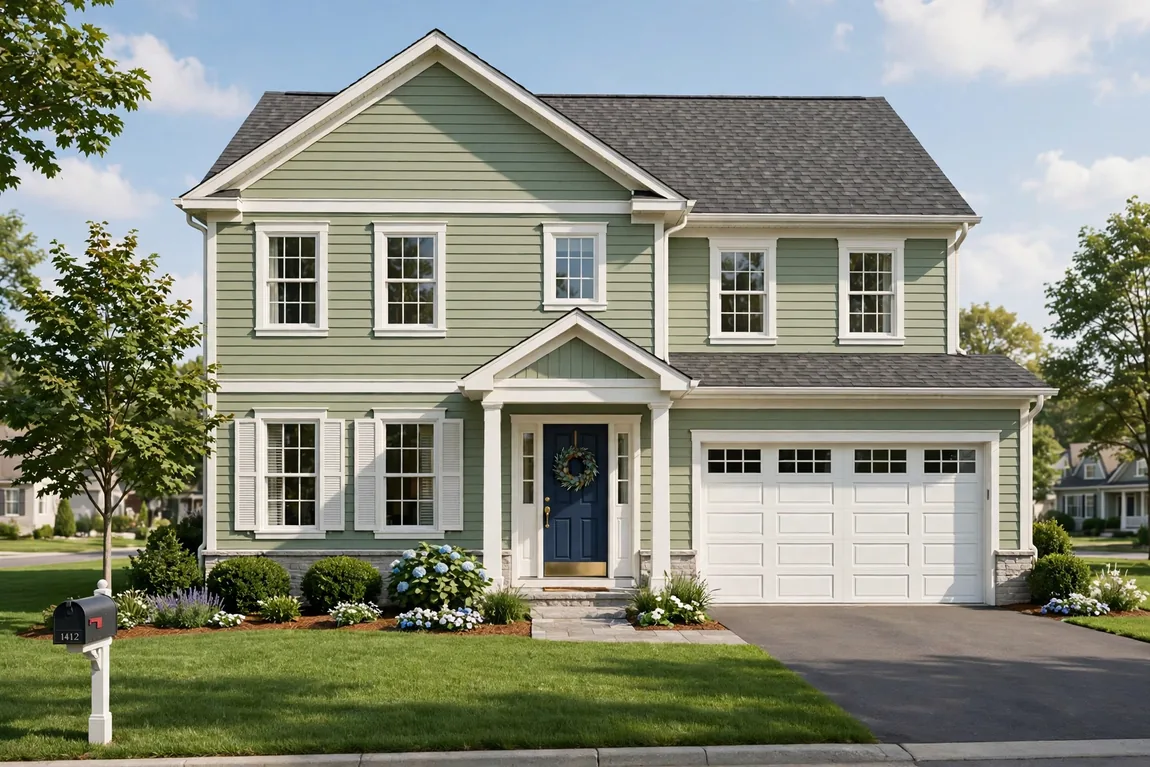
A freshly painted two-story home — the finished result most exterior painting budgets are aiming for. (Illustrative image)
Exterior Painting Cost at a Glance in 2026
HomeAdvisor puts the professional rate at about $1.50 to $4 per square foot of paintable area, and Angi publishes a similar range. Paintable area is not floor area: it is your exterior wall surface, minus windows and doors — which is why a ranch and a two-story home with the same floor area get different quotes.
Where does the money go? Labor is the largest share: cost guides put it at roughly 70% to 85% of the total exterior painting cost, because washing, scraping, sanding, masking, and priming take far longer than the finish coats. Paint, primer, and caulk make up most of the rest.
Exterior Painting Cost by Home Size and Story
The ranges below combine the per-square-foot rates published by HomeAdvisor and Angi for 2026, assuming two finish coats with standard prep. Heavy repairs or a dramatic color change will land above them.
| Home Size (Floor Area) | One Story | Two Stories |
|---|---|---|
| 1,000 sq. ft. | $1,500 – $3,500 | $2,200 – $4,000 |
| 1,500 sq. ft. | $2,250 – $4,500 | $3,000 – $6,000 |
| 2,000 sq. ft. | $3,000 – $6,000 | $4,000 – $8,000 |
| 2,500 sq. ft. | $3,750 – $7,500 | $5,000 – $10,000 |
| 3,000 sq. ft. | $4,500 – $9,000 | $6,000 – $12,000 |
Height explains the gap between the columns: HomeAdvisor notes a two-story home can cost up to 50% more than a one-story home of the same size, due to ladder and scaffolding time. Three-story homes cost more again.
Cost by Siding Type
Your siding material changes the prep, the paint, and the price. Angi’s 2026 breakdown gives these ranges:
- Wood siding — $1 to $3 per sq. ft. (about $700 to $3,000 on average): Needs scraping, sanding, and sealing, and repainting every 3 to 7 years.
- Vinyl siding — $1.25 to $3 per sq. ft. (about $600 to $3,500): One of the cheapest surfaces to paint; it usually needs little more than a wash first. Use a vinyl-safe color, as dark shades can warp panels.
- Stucco — $1.50 to $4 per sq. ft. (about $1,400 to $6,000): The texture soaks up paint and needs crack repairs plus a masonry coating.
- Brick — $1.50 to $4.50 per sq. ft. (about $3,500 to $10,500 per HomeAdvisor): Porous brick needs a masonry primer and more paint — and painting it is hard to reverse.
Fiber cement and metal usually fall between vinyl and stucco. If siding is rotted or failing, get a replacement quote too — paint only hides that for a season or two.
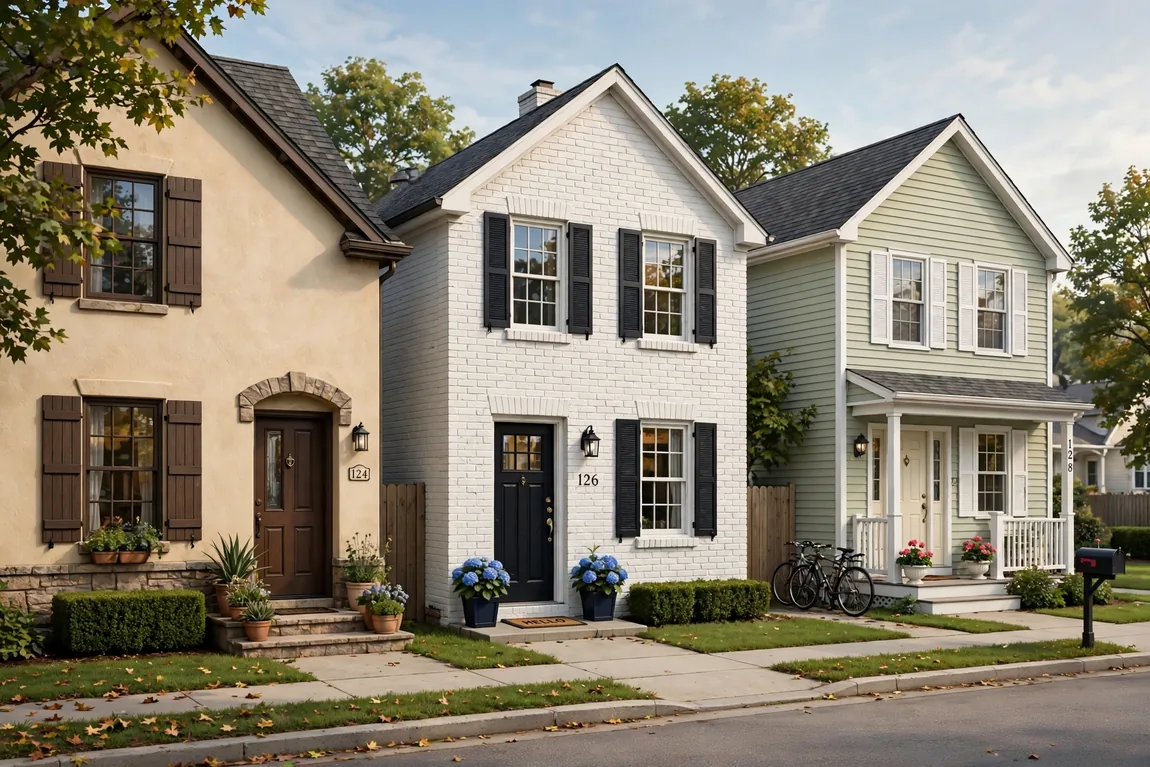
Stucco, brick, and vinyl each need different prep and paint. (Illustrative image)
Factors That Affect Exterior Painting Cost
- Prep condition: Peeling paint, cracked caulk, mildew, and damaged boards all add labor.
- Paint quality: Standard exterior latex runs about $20 to $50 per gallon per Angi; premium paints run $50 to $100 or more, but cover better and last longer. An average home needs roughly 10 to 15 gallons for two coats.
- Coats and color change: A big color change usually needs a tinted primer plus two finish coats.
- Trim and details: Intricate trim, porches, and shutters add hours of cutting-in and masking.
- Region and season: Rates are highest in large metro areas and in peak spring.
Our guide to refreshing furniture makeovers with paint shows the same wash, sand, prime, and paint sequence in miniature.
Prep Work Costs: Where Quotes Grow
Prep separates a paint job that lasts a decade from one that peels in two years. Based on Angi’s 2026 figures, expect roughly:
- Pressure washing: $200 to $450 for a typical house wash before painting.
- Scraping and sanding loose paint: $0.50 to $1 per sq. ft.
- Paint stripping where old paint is failing badly: $0.50 to $2 per sq. ft.
- Caulking around windows, doors, and joints: $200 to $500 for a home’s perimeter.
- Priming: Primer runs about $15 to $80 per gallon, plus labor to apply it.
- Siding repairs: $2 to $50 per sq. ft., from a small patch to replacing damaged boards.
Ask every bidder to list prep separately. A suspiciously low quote usually saves money exactly here — and the failure shows up a year or two later.
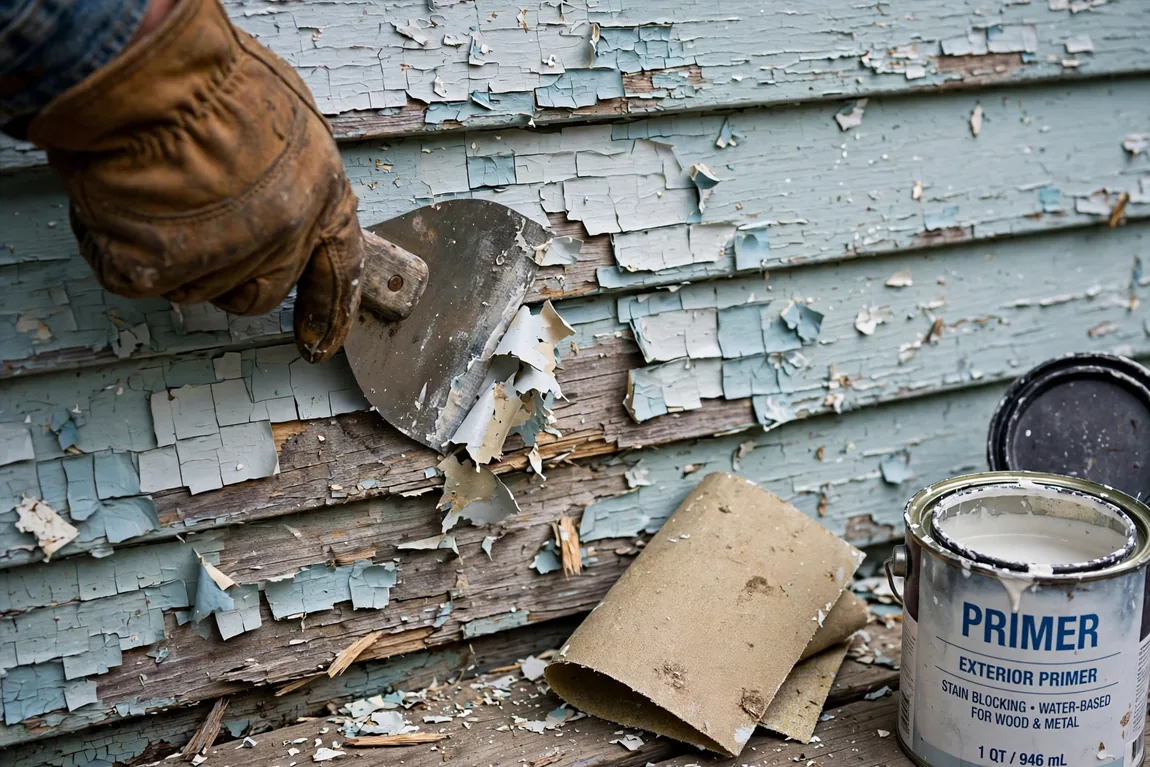
Scraping, sanding, and priming are the main reason professional paint jobs last. (Illustrative image)
DIY vs Pro: What Each Really Costs
Because labor is 70% to 85% of a professional quote, DIY looks dramatically cheaper — and on materials alone, it is. Angi puts exterior painting supplies at roughly $600 to $1,200 for an average home. Add rentals most homeowners do not own — a pressure washer at about $40 to $150, a ladder, a sprayer — and a realistic DIY budget for a one-story home is about $700 to $1,500, plus several weekends of your time.
A pro crew charging $3,000 to $6,000 for the same house finishes in days, brings scaffolding, carries insurance, and usually guarantees the work. DIY suits a one-story home with siding in good condition. Hire a pro for multi-story homes, lead-based paint on pre-1978 homes (which needs certified handling), extensive repairs, or stucco and brick.
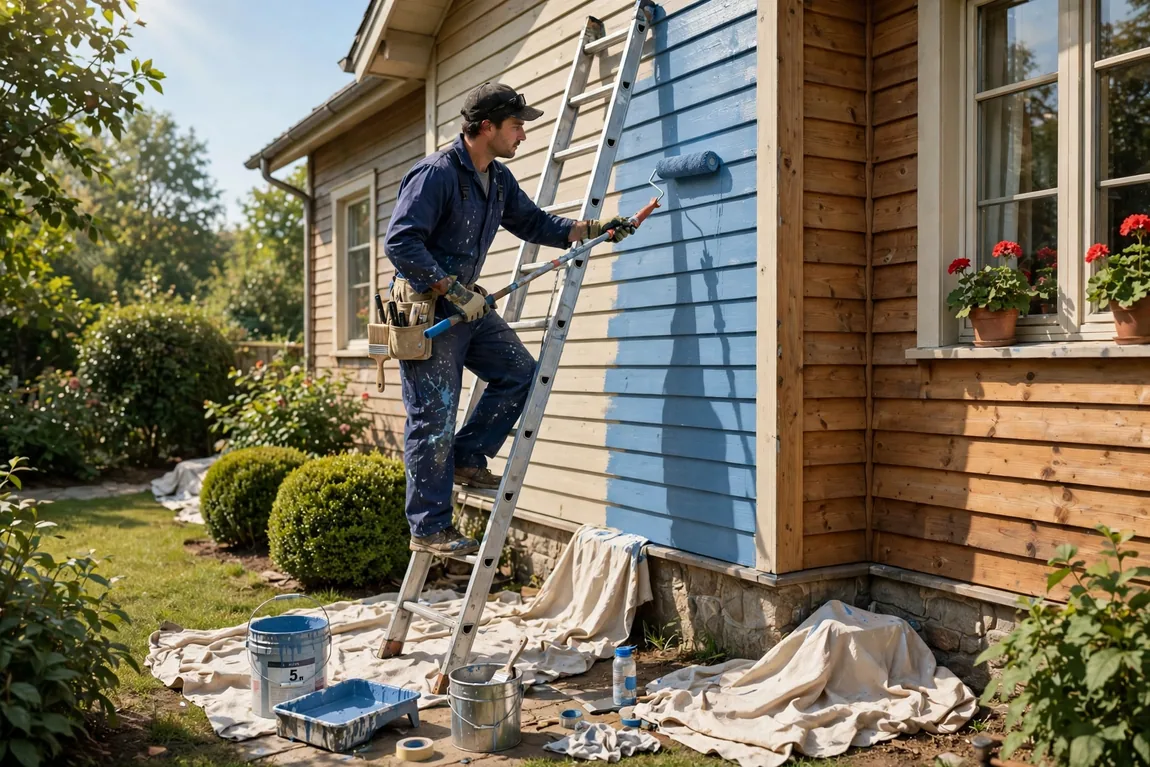
Ladder and scaffolding work is the part of the job where professional crews earn their fee. (Illustrative image)
How to Save Money on Exterior Painting
- Get at least three written quotes with prep, coats, and paint brand itemized, so you compare the same scope.
- Do the easy prep yourself: Trim shrubs away from walls, move outdoor furniture, and wash accessible walls if your painter agrees to the discount in writing.
- Keep a similar color: Staying close to the existing shade can remove a primer or third finish coat.
- Book in the shoulder season: Painters are often less booked in late fall than in May and June. Timing work alongside seasonal maintenance, such as the checks in our guide to winterizing your home, also helps you catch siding damage early.
- Do not skip primer: It is the cheapest insurance against peeling.
- Maintain between paint jobs: An annual wash and quick caulk repairs extend a paint job’s life — a routine like our room-by-room home cleaning guide, extended to siding and trim, can add years before the next repaint.
Frequently Asked Questions
How much does it cost to paint a 2,000-square-foot house exterior?
Most homeowners pay about $3,000 to $6,000 for a one-story home and $4,000 to $8,000 for a two-story home in 2026, based on HomeAdvisor’s $1.50 to $4 per square foot range. Heavy prep, premium paint, or a major color change can push the price higher.
How long does an exterior paint job last?
A well-prepped job typically lasts 5 to 10 years. Wood sits at the short end, around 3 to 7 years; fiber cement and brick can go 10 years or more.
How many gallons of paint does a house exterior need?
One gallon covers roughly 250 to 400 square feet — less on porous stucco and brick, more on smooth vinyl. An average home needs about 10 to 15 gallons for two coats, plus primer.
Is it cheaper to spray or roll exterior paint?
Spraying is faster on large, open walls and often cheaper in labor, but it uses more paint and needs careful masking. Many pros spray the body, back-roll, then brush the trim.
When is the best time of year to paint a house exterior?
Mild, dry weather is best — typically spring and fall. Most exterior paints need temperatures above about 50°F to dry and cure, and rain within 24 hours can ruin a fresh coat.
The exterior painting cost makes sense once you see it as mostly skilled prep labor, not just paint. Get itemized quotes, protect the prep steps, and choose DIY only where height and surface genuinely suit it.