

Tiny yellow ants trailing to the sink can tempt anyone to grab a spray can — and that is exactly the mistake that makes this pest worse. If you need to know how to get rid of pharaoh ants, the rule comes first: do not spray them. University of Minnesota Extension warns that insecticides can cause these ants to bud, creating new colonies.
This guide explains how to confirm the species, why bait is the only sound strategy, and how to run a patient baiting plan at home. It also covers sanitation, sealing, and the point at which a professional should take over.
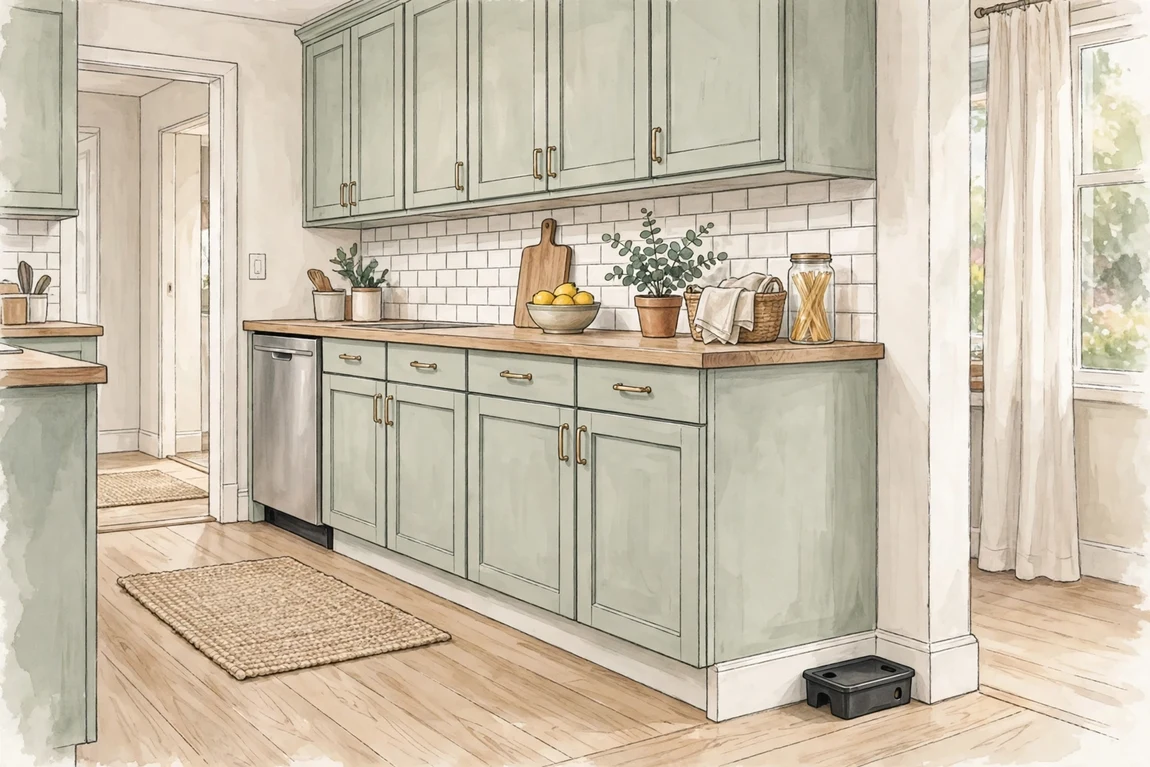
How to Identify Pharaoh Ants
Pharaoh ants, Monomorium pharaonis, are very small — workers are about 1/16 inch long, according to the University of Minnesota Extension ants guide. They are light yellow to red, with a darker thorax, a two-node petiole, no spines on the thorax, and antennae with 12 segments ending in a three-segment club.
Size alone is not enough. Minnesota Extension notes that pharaoh ants are easily confused with thief ants, and a microscope is often needed to separate the two species. If you are unsure, save a sample and ask an extension service or pest professional to identify it before you treat.
Behaviour gives strong clues. Pharaoh ants nest strictly indoors in colder states and do not survive outdoors there. They use small spaces, cracks, and crevices behind countertops and baseboards, in wall voids, and near dark, warm sites and sources of moisture, and their nests are very difficult to find.
Correct identification is not a formality here. It is the whole decision, because a treatment that is reasonable for another ant can spread this one. Confirming the species is the first step in how to get rid of pharaoh ants without multiplying the problem.
Why Pharaoh Ants Come Indoors
These ants are built for heated buildings. Minnesota Extension describes them as an imported species, probably from tropical Africa, spread around the world along commerce routes. Warmth, moisture, and a steady supply of small food scraps let a colony live indoors all year.
Unlike many ants, they do not rely on a mating swarm. New nests form by budding: when a colony becomes too large or is under stress, workers carry brood — larvae and pupae — to a new site, often with one or more queens. One hidden colony can therefore become several without ever going outside.
Kitchens and bathrooms supply everything they need. Grease films, crumbs, pet food, dripping taps, and warm voids behind appliances are all within a short trail of each other. Wall voids and plumbing chases let them move between rooms, and between flats in a shared building, unseen.
How to Get Rid of Pharaoh Ants Step by Step
The method for how to get rid of pharaoh ants is bait, patience, and no interference. Minnesota Extension states that the use of baits is the best control, and its general ant guidance adds a clear warning: do not spray an insecticide when using a bait, because spraying interferes with ants carrying bait back to the nest.
Step 1: Stop spraying, completely. Put away repellent sprays, foggers, and ant aerosols, and do not use them anywhere near trails or bait. A repellent can stress the colony into budding and can also contaminate bait placements so workers avoid them.
Step 2: Map the trails before you bait. Watch where workers travel and where they disappear into cracks, outlets, and cabinet voids. Note kitchen, bathroom, and laundry hot spots. Bait placed on an active trail is found quickly; bait placed at random is often ignored.
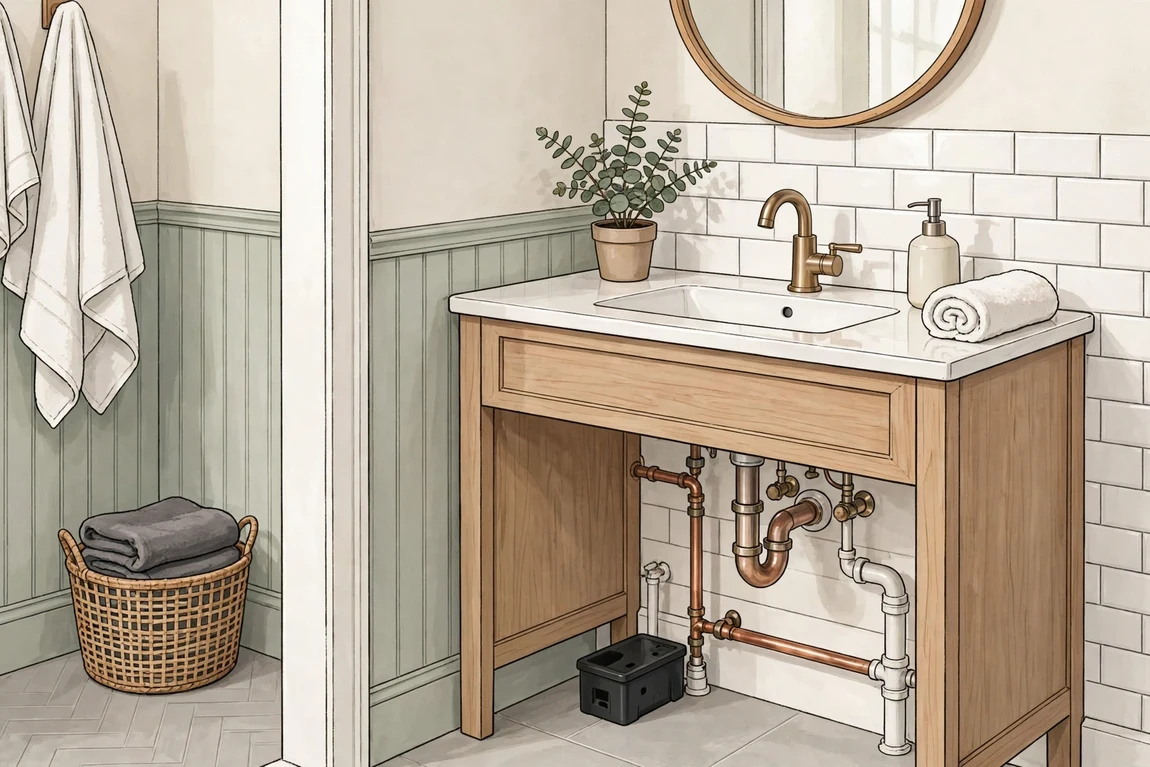
Step 3: Place bait stations on the trails. Set labelled ant bait stations right beside trails, near entry points from voids, and close to food and water activity — but out of reach of children and pets, exactly as the product label directs. Use enough placements to serve every active area you mapped.
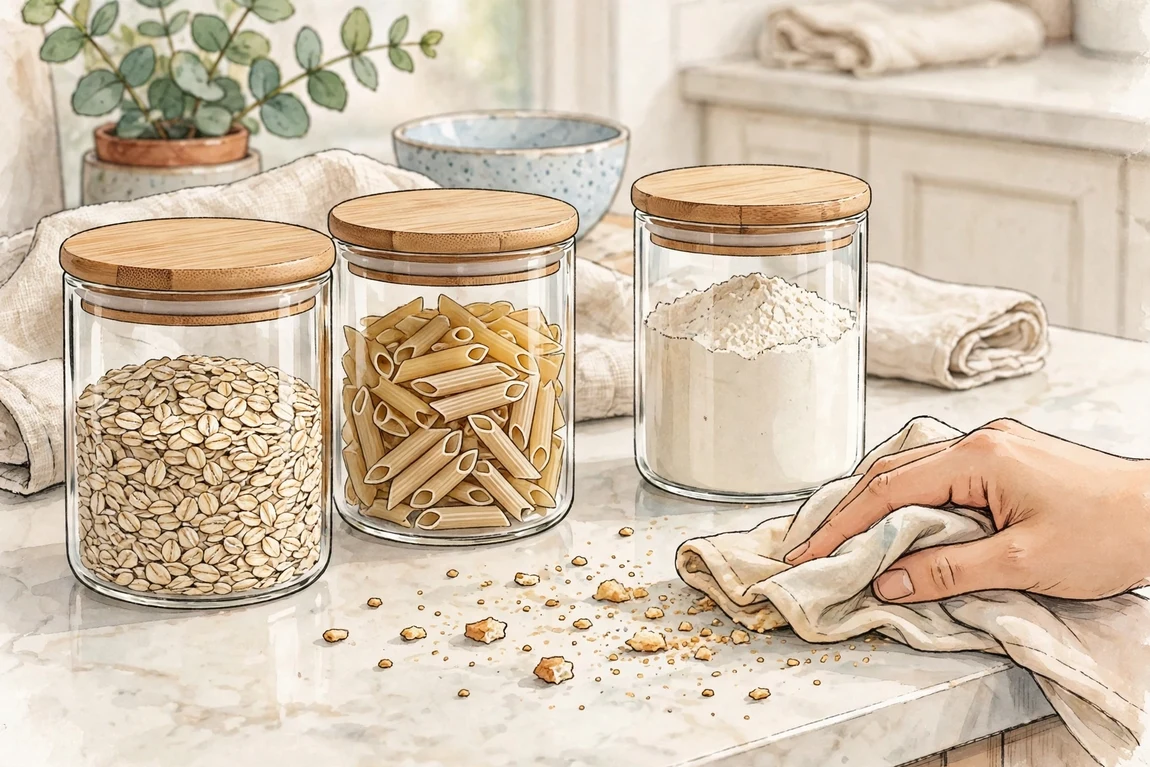
Step 4: Remove competing food. Baits work best when they are the easiest meal available. Clean grease and crumbs, store food in sealed containers, rinse recyclables, and clean pet bowls after feeding. Minnesota Extension lists sanitation as an important step to avoid attracting ants into a home.
Step 5: Leave the bait and the ants alone. Do not wipe trails away or kill workers you see feeding. Workers must carry the slow-acting bait back and share it with the colony, including the queens. Baits act slowly and may take several weeks to several months to eliminate a colony, according to Minnesota Extension.
Step 6: Refresh, monitor, and persist. Replace bait as the label directs and as stations empty, and keep a simple note of where activity is falling or shifting. A shift can mean a satellite nest needs its own placement. Stopping early, as soon as sightings dip, is a common reason colonies recover.
For background on why trails suddenly look busier during baiting, read why ant bait attracts more ants before you panic and reach for a spray.
Sanitation and Sealing That Support Baiting
Sanitation does not kill a colony by itself, but it decides whether your bait wins. Wipe kitchen surfaces daily, degrease the hob and the area behind it, and empty bins often. Fix dripping taps and dry sink areas at night, because these ants actively seek water.
Store human and pet food in insect-proof containers such as glass jars or sealed plastic containers, as Minnesota Extension advises. Pay special attention to sugar, syrups, oils, and fatty foods, which match this species’ preferences closely.
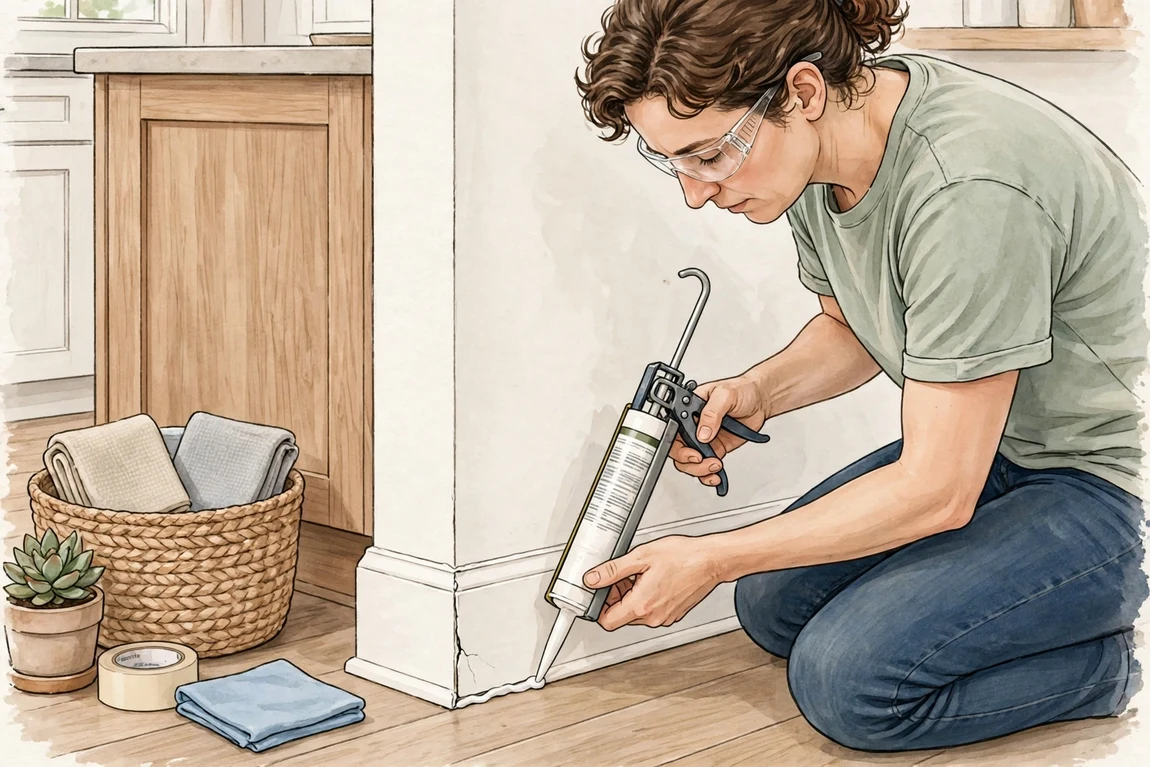
Seal cracks the ants use to enter rooms, including gaps around pipes, cables, skirting, and window frames. Minnesota Extension notes sealing may not always be practical because of the ants’ small size, so treat sealing as support for baiting, not a substitute for it.
Compare the approach with our guide on how to get rid of carpenter ants, where finding and treating a nest in wood, rather than baiting a budding colony, is the priority.
Prevention After the Colony Is Gone
Keep the habits that made baiting work. Sealed food storage, daily crumb and grease clean-up, and prompt repair of leaks remove the resources a new colony needs. Prevention is unglamorous, but for this species it is the difference between a one-off problem and a yearly one.
Inspect warm, moist hiding places regularly: under sinks, behind the fridge and dishwasher, and around bathroom pipework. Early trails are easy to bait. A colony found months later may already have budded into several voids.
Never keep a leftover repellent spray as a “just in case” response for this ant. If trails return, return to bait and identification instead. That discipline is the long-term core of how to get rid of pharaoh ants and keep them gone.
DIY vs. Calling a Professional
DIY baiting can work in a single home when the species is confirmed, trails are limited, and you can bait every active area consistently for weeks. The cost is mainly patience and discipline: no spraying, no trail wiping, and no giving up at the first dip in numbers.
Minnesota Extension is candid, however, that elimination is difficult and the service of an experienced pest management professional is highly recommended. It also notes that baits available to residents are generally not effective, while professionals have the experience and access to effective baits needed to eliminate these ants.
Call a pro sooner in apartments, shared buildings, rental properties, and food or healthcare settings. Minnesota Extension notes pharaoh ants have been known to transmit diseases such as Salmonella, which raises the stakes in sensitive premises. Coordinated, building-wide baiting is hard to arrange alone.
Ask any professional a direct question before hiring: will the plan be bait-only, with no repellent spraying? A provider who proposes spraying trails has not understood this species.
Safety Notes for Baits and Indoor Products
Always follow label directions for any bait product. Place stations exactly where the label allows, keep them away from food-preparation surfaces unless the label permits it, and keep them out of reach of children and pets.
Frequently Asked Questions
Why should I never spray pharaoh ants?
Because spraying can cause budding. Minnesota Extension states that insecticides can cause pharaoh ants to bud, creating new colonies, as workers and queens move to new sites under stress. That is why advice on how to get rid of pharaoh ants is bait-only.
How long does baiting take to work?
Expect weeks, not days. Minnesota Extension says baits act slowly and may take several weeks to several months to eliminate a colony. Keep stations fresh and in place, and do not stop just because visible activity drops.
What foods do pharaoh ants prefer?
A wide variety, especially grease and fats, plus sweets, dead insects, and items such as toothpaste and soap, according to Minnesota Extension. Preferences can shift with colony needs, which is one reason a professional may change bait types during a programme.
Can I seal cracks instead of baiting?
Sealing helps, but it rarely finishes the job alone. These ants are about 1/16 inch long and nest in countless small voids, so some routes will stay open. Use sealing and sanitation to support bait, which is the method that reaches the queens.
Do pharaoh ants bite or spread disease?
They are mainly a food-infesting nuisance in homes, but Minnesota Extension notes they have been known to transmit some diseases, such as Salmonella. That risk is a particular concern in hospitals and food settings, and another reason to take a confirmed infestation seriously.