

The first big storm is the wrong time to discover what clearing your driveway actually costs. Knowing your likely snow removal cost before winter lets you choose between paying per visit, signing a seasonal contract, or handling it yourself. In 2026, professional service averages $126 per visit, with most homeowners paying between $51 and $203, according to Angi data from nearly 6,000 verified projects.
This guide explains each pricing model, including per-inch billing, shows how driveway size changes the bill, and helps you work out which model fits your climate. It also covers de-icing add-ons and the real cost of the DIY route.
How Snow Removal Pricing Models Work
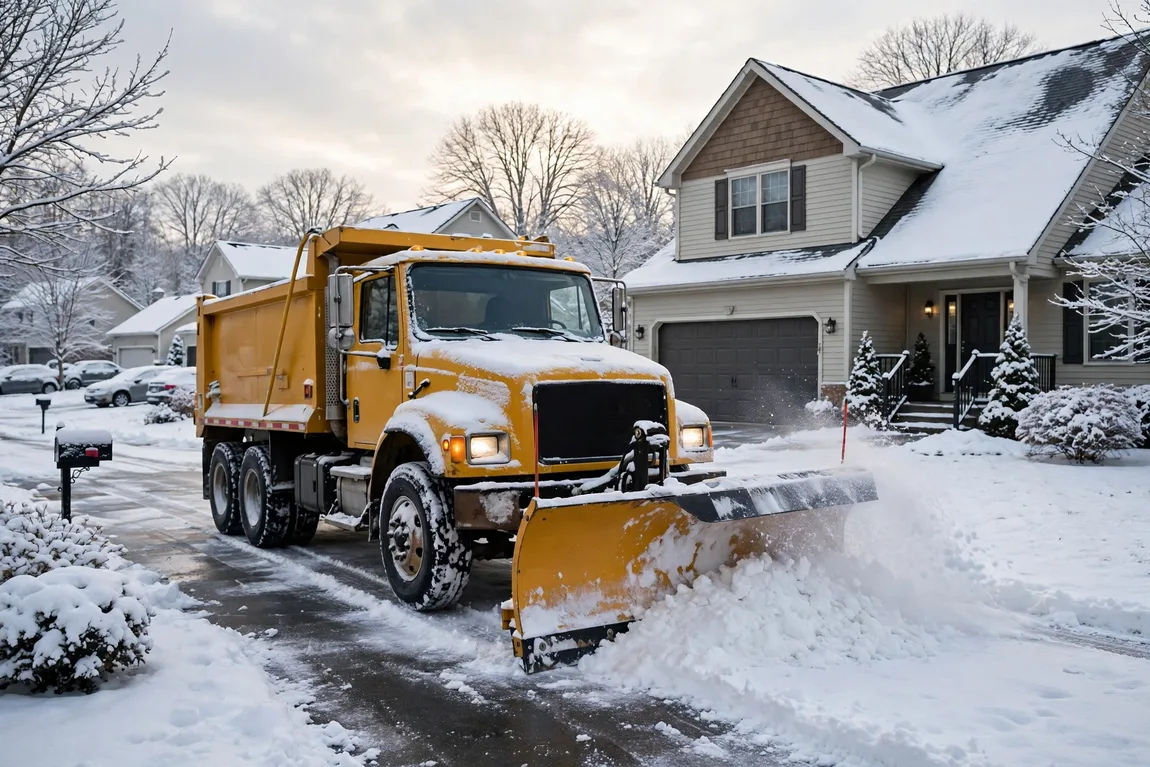
Per-visit pricing is the simplest model. Angi lists a typical charge of $40 to $100 for a driveway and front walkway per visit, with the broader national range running $51 to $203 depending on driveway size and snowfall. You pay only when it snows, which suits mild climates.
Per-hour billing runs $25 to $75 for labor, and some companies charge $0.10 to $0.25 per square foot instead. Per-event pricing, which covers a full property after one major storm, runs $75 to $200. Each model shifts the risk of a heavy winter between you and the contractor differently.
Per-inch pricing deserves a closer look. Angi lists an additional fee of $10 to $30 per inch above a base depth. A contract might include up to 6 inches in the base visit price, then charge per extra inch beyond that. A 14-inch storm can therefore cost far more than two 7-inch storms.
Seasonal contracts remove the guesswork. Angi puts residential contracts at $300 to $700 for the season, typically covering repeated visits once snow reaches a trigger depth, often around 2 inches. Commercial contracts for lots and access roads run $500 to $2,000, as detailed in the Angi snow removal pricing guide.
Snow Removal Cost by Driveway Size
Driveway size is one of the biggest price drivers, because it sets both plow time and handwork. Angi breaks the market down by the number of cars the driveway holds, and the pattern is consistent across pricing models.
A small single-car driveway runs $40 to $75 per visit, or $300 to $400 on a seasonal contract. A medium two-car driveway runs $75 to $125 per visit, or $400 to $600 per season. Those two sizes cover most suburban homes.
A large four-car driveway runs $125 to $250 per visit, or $600 to $1,000 per season. Long, steep, curved, or gravel driveways cost more at every size, because they slow the plow and often need a blower or hand finishing.
Walkways, steps, and the apron at the street are handwork in almost every quote. If a price seems unusually low, check whether walks and steps are included or billed as an add-on. The gap between a driveway-only price and a full-property price explains many quote differences.
Per-Visit vs. Seasonal Contract: Which Saves More?
The math is simple once you know your storm count. At an average of $126 per visit, a $500 seasonal contract breaks even at about four visits. If your area usually sees six or more plowable storms, the contract usually wins. If it sees two or three, per-visit billing usually wins.
Contracts buy more than visits. They buy priority: your driveway is on a route, and the crew comes automatically after each qualifying storm. In a major storm, per-visit customers calling that morning may wait a day or more, if they can book at all.
Read the contract terms before you sign. Check the trigger depth, the visit cap if any, whether salting is included, and what happens in an extreme season. Some contracts cap visits and bill extra beyond the cap, which changes the real snow removal cost of a heavy winter.
Also confirm the season dates. A contract running November through March may not cover an October or April storm. Those shoulder storms are exactly when per-visit customers and contract customers can end up paying twice.
De-Icing and Other Add-Ons
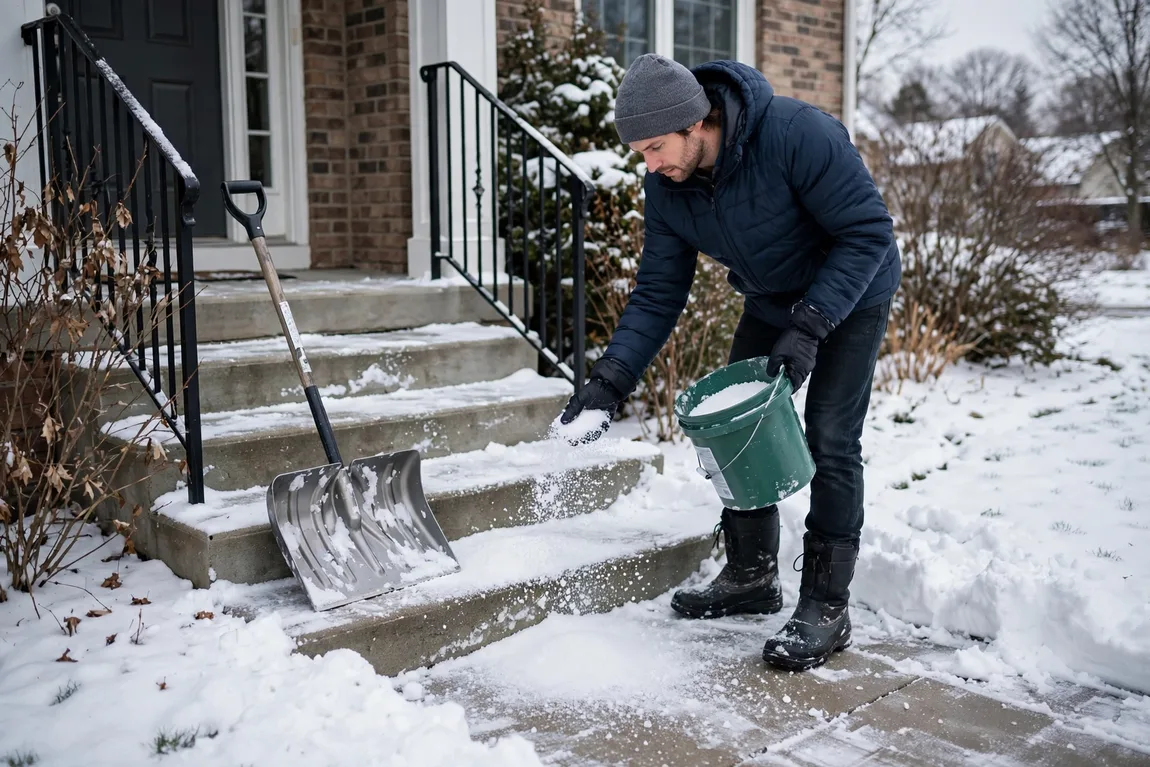
Clearing is only half the job. Angi prices rock salt at $10 to $25 per application, calcium chloride at $20 to $40, sand at $5 to $15, and eco-friendly or pet-safe blends at $20 to $50. Repeated treatments after every storm add up over a season.
Other common add-ons include roof snow removal, clearing patios and decks, hauling snow offsite when piles take over the yard, and emergency or after-hours service during major storms. Each is reasonable on its own, but together they can add 30 percent or more to a basic quote.
Roof clearing is priced separately from driveway work. Removing snow from a roof typically runs a few hundred dollars depending on roof size, pitch, and snow depth, and it matters most on low-slope roofs where drifts build up and ice dams follow. Ask for it as its own line item rather than a vague addition to the visit price, and ask whether the crew works from the ground with roof rakes or needs to climb.
Ask whether salting is included in the visit price or billed per application. That single line item is the most common source of surprise bills, especially on contracts that advertise unlimited visits but charge for every material spread.
While you plan winter services, it also pays to check the heating side of the house. Our winterizing guide covers the prep work, and our breakdown of furnace replacement cost helps if the heating system is near the end of its life.
What DIY Really Costs
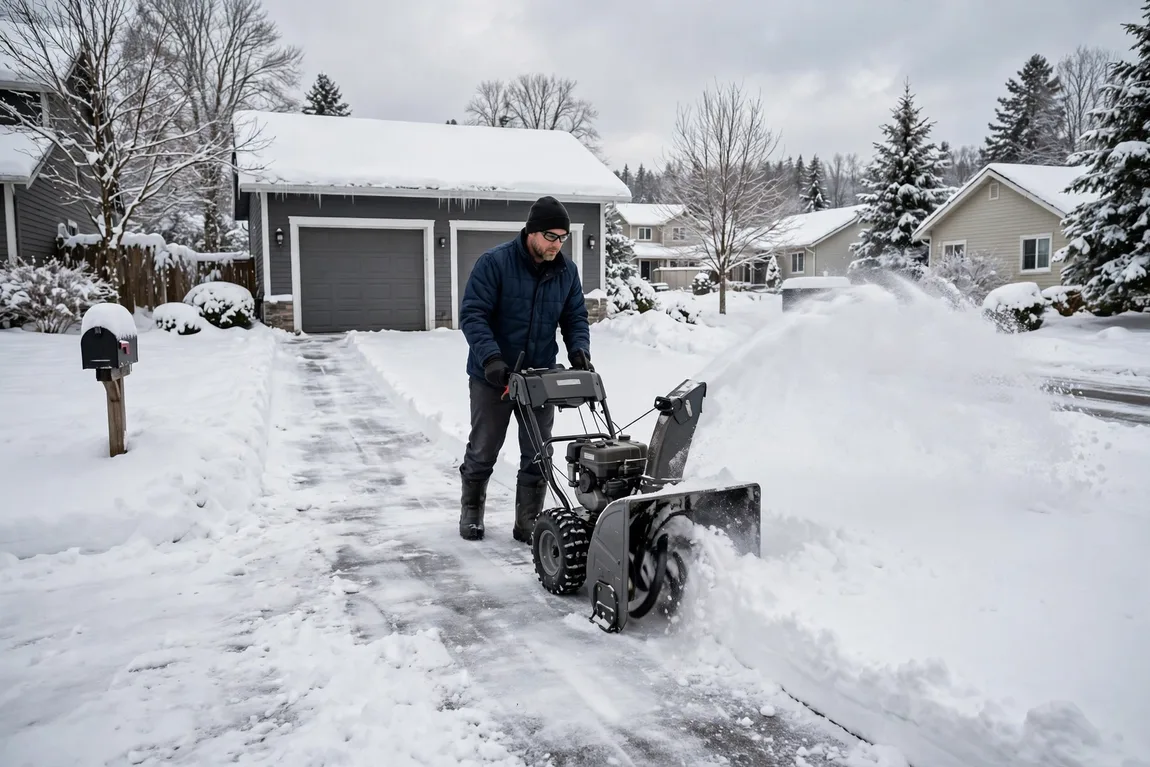
DIY looks free until you price the equipment. Angi lists shovels at $20 to $50 and snow blowers at $300 to $1,200, before fuel, maintenance, blade replacements, and storage. A good two-stage blower for a long driveway sits near the top of that range.
Time and physical strain are real costs too. Clearing a two-car driveway after a heavy storm can take an hour or more by blower, and far longer by shovel. Heart attacks and back injuries spike after major storms every winter.
DIY makes sense for smaller driveways, lighter snowfall regions, and homeowners who already own equipment. It makes less sense for long or steep driveways, homes in lake-effect zones, or anyone who must keep a clear path for medical or work reasons.
A hybrid approach works for many households: own a blower for routine storms, and keep a local company’s number for the two or three biggest events of the year. You cap your seasonal snow removal cost without betting everything on your own back.
How to Get a Fair Quote
Book early. Companies build their routes in the fall, and the best contractors in snowy markets stop taking new customers by November. A quote requested in October also tends to be sharper than one requested during a storm.
Get the scope in writing: driveway, walks, steps, apron, salting, trigger depth, and response time. Two quotes that differ by $40 a visit often differ because one includes handwork and salt and the other does not.
Confirm the company carries liability insurance. Plows can crack driveway edges, tear up lawn, and damage garage doors, and you want a clear answer on who pays for repairs before the first storm, not after it.
Frequently Asked Questions
How much does snow removal cost per visit?
Angi reports an average of $126 per visit, with most homeowners paying $51 to $203. A basic driveway and front walkway often falls between $40 and $100, while large driveways, deep snow, and handwork push the price higher.
Is a seasonal snow removal contract worth it?
Usually, yes, if your area gets five or more plowable storms in a typical winter. At the $126 average visit price, a $300 to $700 contract breaks even quickly, and it guarantees priority service during major storms when one-off bookings are scarce.
How does per-inch pricing work?
The base visit covers snow up to a set depth, and each additional inch above that depth adds a fee, commonly $10 to $30 per inch according to Angi. Deep single storms therefore cost more than the same total snowfall spread across several smaller storms.
Does snow removal include salting the driveway?
Not always. Some quotes bundle de-icing, while others charge $10 to $50 per application depending on the material. Because salting can recur after every visit, confirm how it is billed before comparing quotes on headline price alone.
Can I lower my snow removal cost without going fully DIY?
Yes. Sign a contract early for fall pricing, bundle salting at a fixed seasonal rate, keep the driveway clear of cars and obstacles so crews work faster, and handle light dustings yourself while leaving heavy storms to the pros.