

Some Beverly Hills houses are just expensive. This one is a piece of film history. The estate built in 1923 for Harry Warner — the eldest of the four brothers who founded Warner Bros. — has sold for $27.25 million, ending a listings saga that stretched across a full decade. A quick honesty note before the glamour: although the story has been recirculating in October 2026 coverage, the $27.25 million closing was already being reported as finalized earlier in 2026, by April. The sale is real; it just is not brand new — and the house, frankly, is interesting enough without pretending otherwise.
Last updated: October 22, 2026.
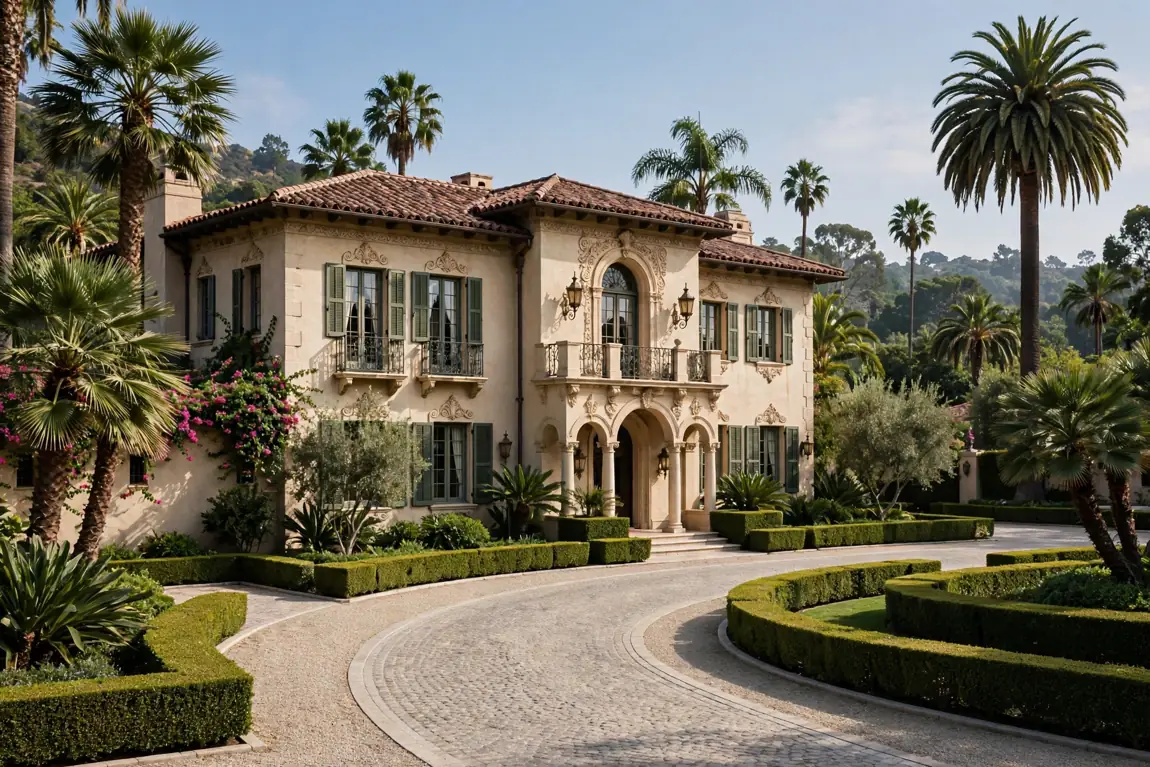
The Estate: A 1923 Paul Williams Landmark
The property sits at 1005 N. Woodland Drive in Beverly Hills, north of Sunset Boulevard — a street-to-street lot of roughly 1.1 acres with gated entrances on both Woodland Drive and Rexford Drive. Warner commissioned architect Paul R. Williams, the pioneering designer who became the first African American member of the American Institute of Architects, and Williams blended French Country architecture with Tudor elements: brick and distressed wood, diamond-pane and leaded-glass windows, hand-carved oak, and generous rooms built for entertaining.
The main residence measures about 12,000 square feet with seven bedrooms and nine bathrooms in most published accounts (exact counts vary slightly between listings). Around it: a one-bedroom guesthouse, a swimming pool and spa, a tennis court, waterfalls, a koi pond and European-style gardens.
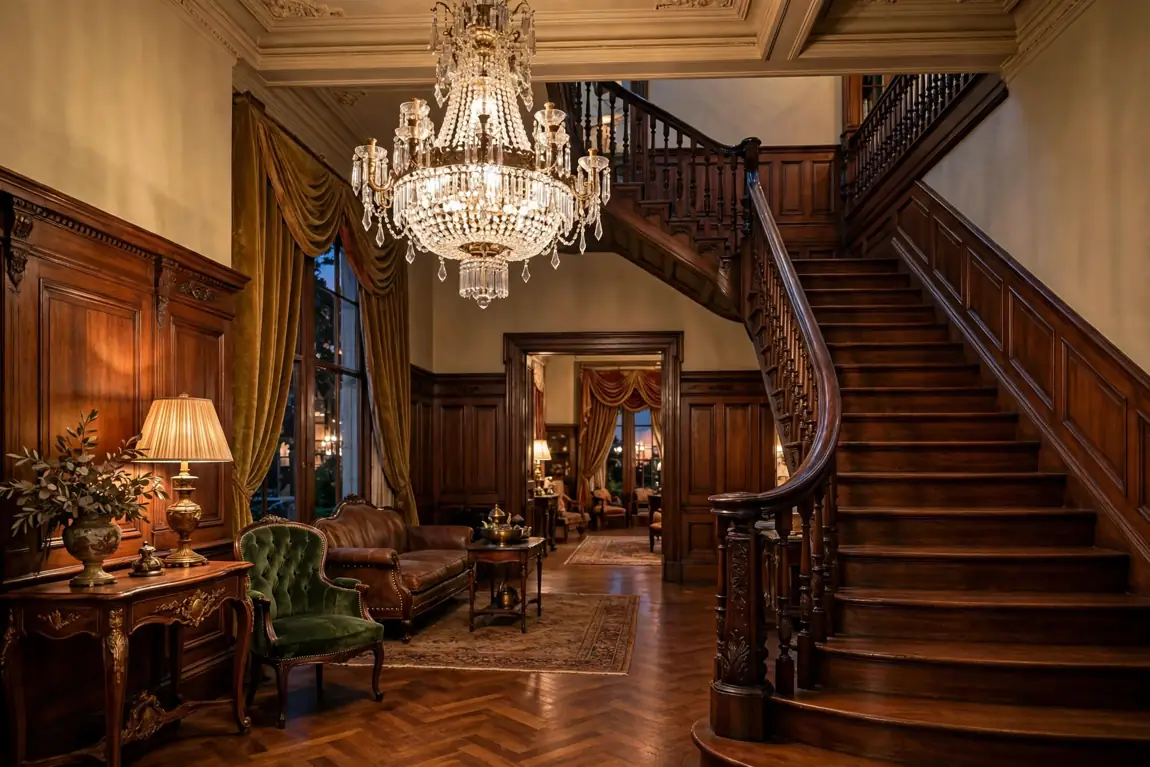
A Golden Age Address
According to property records cited by Mansion Global, Harry Warner owned the house in the 1940s, when Warner Bros. was producing era-defining films and the brothers were among the most powerful men in Hollywood. The estate’s modern chapter began in 1996, when television executive Daphna Edwards Ziman bought it with her then-husband, real estate investor Richard Ziman, and undertook a restoration deliberately aimed at recovering its Old Hollywood character.
Ziman has described finding a box of old photographs showing Warner and stars such as Ava Gardner and Marilyn Monroe at the home, and the renovation followed them: kitchen tiles hand-painted to match the photos, antique sconces, a film editing room and film vault in the basement, and a screening room whose silk velvet curtains came from an old downtown Los Angeles movie theater. Even the entertainment room’s custom leather seating was modeled on the chairs at Warner Bros. Studios.
The Guesthouse and the Marilyn Monroe Connection
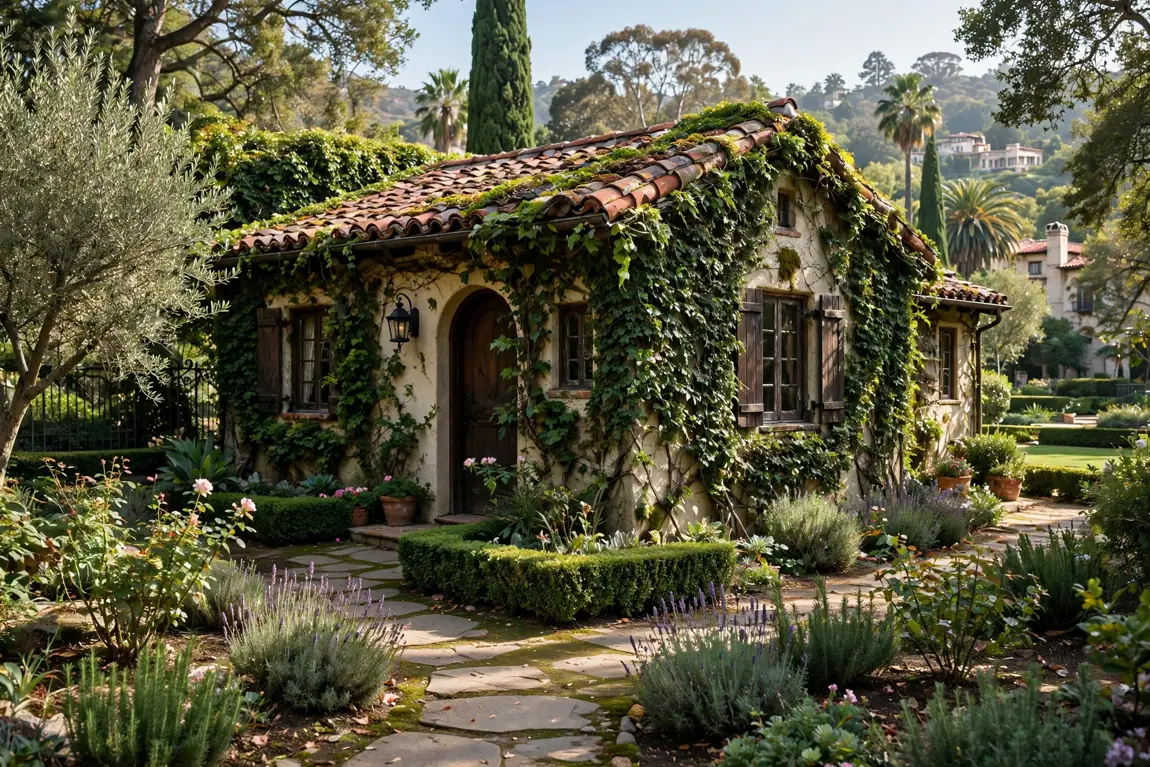
The estate’s most repeated story concerns the guesthouse. Realtor.com’s coverage of the listing described “a guest house once inhabited by Marilyn Monroe”; later real-estate reporting phrases it more cautiously — the guesthouse “has been associated with Marilyn Monroe, who is said to have stayed there” while Warner occupied the main house, and listing material has called her stay “rumored.”
That careful wording is the right one. Monroe appears in the old photographs Ziman found at the house, and she was a guest in this world — but she never owned the Warner estate, and no source cited here claims otherwise. For the home Monroe actually owned, see our tour of the Marilyn Monroe house in Brentwood, the only house she ever bought; and for another property where her connection is guest rather than owner, see the Marilyn Monroe doll house in Palm Springs.
The Sale: $27.25 Million, a Decade After the First Listing
The Zimans’ estate first came to market in 2016 at $39.999 million — a headline price that reflected its provenance as much as its square footage. It did not sell. The house returned on and off over the following years, listed at $32.5 million in one later outing and most recently asking $31.5 million.
The end came at $27.25 million — roughly $12.75 million below the original 2016 ask — in a deal reported by The Wall Street Journal and covered as a finalized closing by April 2026. The buyer’s identity has not been publicly disclosed. October 2026 stories have revived the sale as fresh news, which is how a spring closing becomes an autumn headline; the price and the property, at least, are exactly as reported.
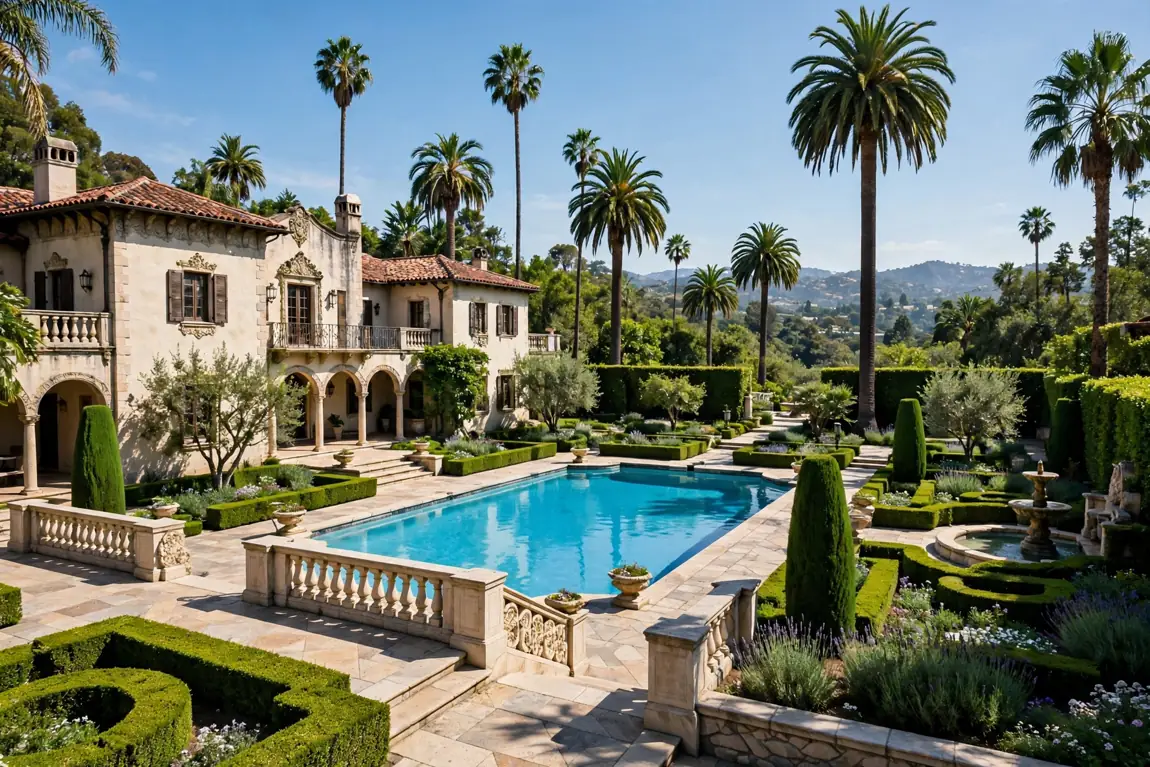
What the Price Says About Historic Beverly Hills Estates
Read one way, $27.25 million is a discount: a decade on the market, three asking prices, and a final number below all of them. Read another way, it confirms what provenance is worth.
The other famous Warner brother’s estate — Jack Warner’s nine-acre Georgian compound — sold to Jeff Bezos in 2020 for $165 million, a California record at the time. Harry’s house is smaller and less grand, yet it still commanded nearly double the price of a comparable new mansion on a similar lot, because there is exactly one 1923 Paul Williams estate built for a Warner brother. Historic Beverly Hills estates like this one — and like the Dr. Phil house in Beverly Hills, listed this month at $67.5 million — trade on a mixture of land, architecture and story. The land can be replicated anywhere in the Flats. The story cannot.
Frequently Asked Questions
When did the Harry Warner house actually sell?
The $27.25 million sale was reported as a finalized closing by April 2026, following a most recent asking price of $31.5 million. The story recirculated widely in October 2026, which is why it is sometimes presented as a new sale — it is better described as a 2026 closing that found a second wave of coverage.
Did Marilyn Monroe live in the Harry Warner house?
She is reported to have stayed in the estate’s guesthouse — coverage variously says she “once inhabited” it, “is said to have stayed there,” or was “rumored” to have stayed. She never owned the property. The only home Monroe ever owned was her final house in Brentwood.
Who bought the Harry Warner estate?
The buyer’s identity has not been publicly disclosed in the reporting on the sale. The seller was Daphna Ziman, who had owned the estate since 1996 and restored it before first listing it in 2016 at just under $40 million.
Who designed the Harry Warner house?
Paul R. Williams — one of the most important architects of classic Los Angeles, and the first African American member of the American Institute of Architects. Built in 1923, the house mixes French Country and Tudor elements and keeps original details including hand-carved oak and leaded-glass windows.
Conclusion: The Story Was the Amenity
The Harry Warner estate took ten years and three prices to sell, which tells you historic glamour is a slower market than glass-box new construction. But $27.25 million also tells you it never stopped being valuable: a Paul Williams design from the year Warner Bros. itself was incorporated, a restoration guided by photographs of the stars who partied there, and a guesthouse with a Monroe story that sellers and reporters alike handle with a careful “said to have stayed.” Whoever the undisclosed buyer is, they did not just buy 1.1 acres north of Sunset.
They bought the last chapter of a house that Hollywood’s founding generation actually lived in — and those do not come back on the market often.