

If your windows are drafty, fogged between the panes, or hard to open and close, you are probably wondering what new ones will actually cost. The honest answer is that window replacement cost depends on the frame material, the size and style of each window, and how the new units are installed — but it is not a mystery. This guide breaks down typical 2026 prices in the United States, per window and for a whole house, so you can budget with confidence, compare quotes fairly, and avoid paying for features you do not need.
Last updated: October 23, 2026.
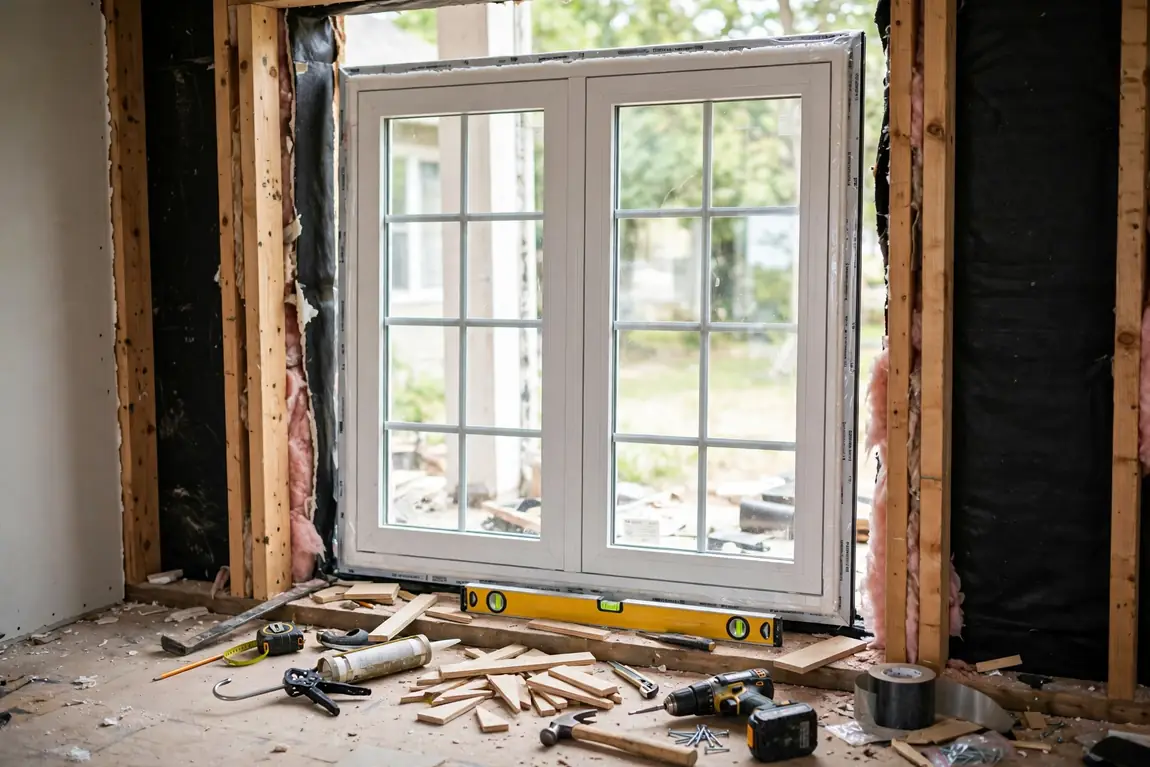
What is the average window replacement cost in 2026?
For most homeowners, the average window replacement cost in 2026 falls between $450 and $1,200 per window, including the window itself and professional installation. Basic vinyl windows in standard sizes sit at the lower end of that range, while large, custom, or premium wood and fiberglass windows sit at the higher end. Labor usually accounts for a meaningful share of the total, so the same window can cost noticeably more in a high-cost metro area than in a smaller market.
That per-window figure is the most useful starting point, but it is only a starting point. Picture windows, bay and bow windows, and oversized sliders cost more than simple single- or double-hung units. Upper-story windows, rotted frames that need repair, and homes where lead-safe work practices are required can also add to the bill. Getting at least three itemized quotes is still the best way to see where your own project lands.
Cost table: per-window and whole-house ranges
The table below shows typical 2026 ranges for a standard-size double-pane window, installed. Use it as a planning guide rather than a quote — your installer will measure, check the condition of your frames, and price the exact sizes and options you choose.
| Frame material / project | Typical cost per window (installed) | Typical whole-house cost (10–15 windows) |
|---|---|---|
| Vinyl | $450–$750 | $4,500–$11,000 |
| Aluminum | $500–$900 | $5,000–$13,000 |
| Fiberglass | $700–$1,300 | $7,000–$19,000 |
| Wood / wood-clad | $800–$1,500 | $8,000–$22,000 |
| Whole house, insert replacement | $450–$1,000 | $4,500–$15,000 |
| Whole house, full-frame replacement | $650–$1,500 | $6,500–$22,000 |

Frame materials compared: vinyl, fiberglass, wood, and aluminum
Vinyl is the most popular choice for a reason. It is affordable, low-maintenance, and a good insulator, and modern vinyl windows come in more colors than the plain white many people remember. The trade-off is that vinyl cannot be painted easily and very large units may feel less rigid than fiberglass or wood.
Fiberglass costs more, but it is strong, stable, and expands and contracts at a rate close to glass itself, which helps seals last longer. It can be painted, handles hot and cold climates well, and is a strong mid-to-premium option if you plan to stay in your home for many years.
Wood offers the warmest, most traditional look, and it is often the right choice for historic homes. Wood-clad windows pair a wood interior with a protective exterior finish. Expect the highest prices in this group, plus more maintenance over time, especially on the exterior.
Aluminum is slim, strong, and common in modern designs and warm climates. Older aluminum frames conducted heat poorly, but newer thermally broken frames perform much better. Aluminum usually prices between vinyl and fiberglass, and its narrow profiles let in a little more glass area.
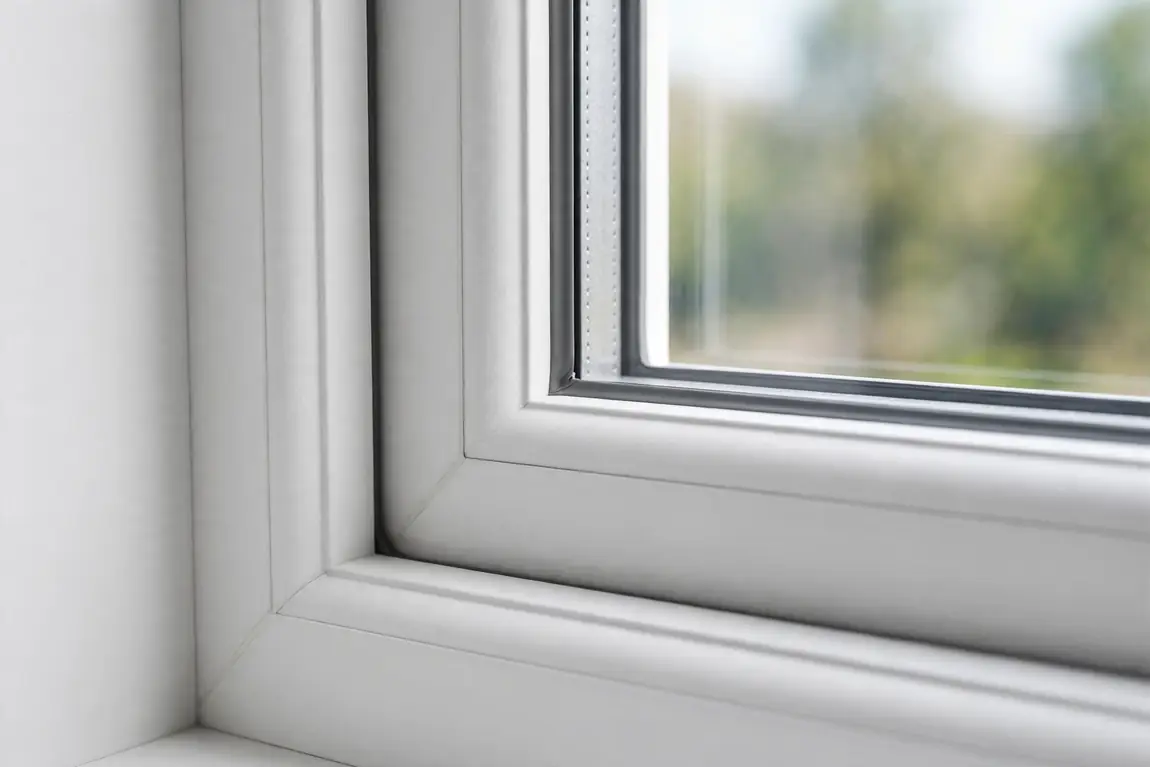
Window style matters too
Style affects both price and function. Single-hung windows, where only the bottom sash moves, usually cost less than double-hung windows, where both sashes move and tilt in for cleaning. If you are weighing those two options, our guide to single-hung vs double-hung windows explains the practical differences. Casement, sliding, and awning windows are typically mid-range, while bay, bow, garden, and custom-shaped windows cost the most because of their size, structure, and installation time.
Insert vs full-frame replacement
An insert replacement, sometimes called a pocket replacement, fits a new window into your existing frame. If that frame is square, solid, and free of rot, an insert is usually faster, less disruptive, and less expensive. You keep your existing trim inside and out, but the glass area shrinks slightly because the new unit sits inside the old frame.
A full-frame replacement removes everything down to the rough opening, including the frame and trim. It costs more and takes longer, but it lets the installer inspect for hidden water damage, add proper insulation and flashing, and restore the full glass size. If your frames are rotted, warped, or badly out of square, full-frame is usually the smarter long-term spend, even at the higher price.
Whole-house totals and energy savings
Replacing every window at once is a big project. For a typical home with 10 to 15 windows, most homeowners spend roughly $4,500 to $22,000 in total, depending on material and installation type. Doing the whole house in one project often lowers the per-window labor cost, simplifies scheduling, and gives the home a consistent look — as the finished exterior below shows.
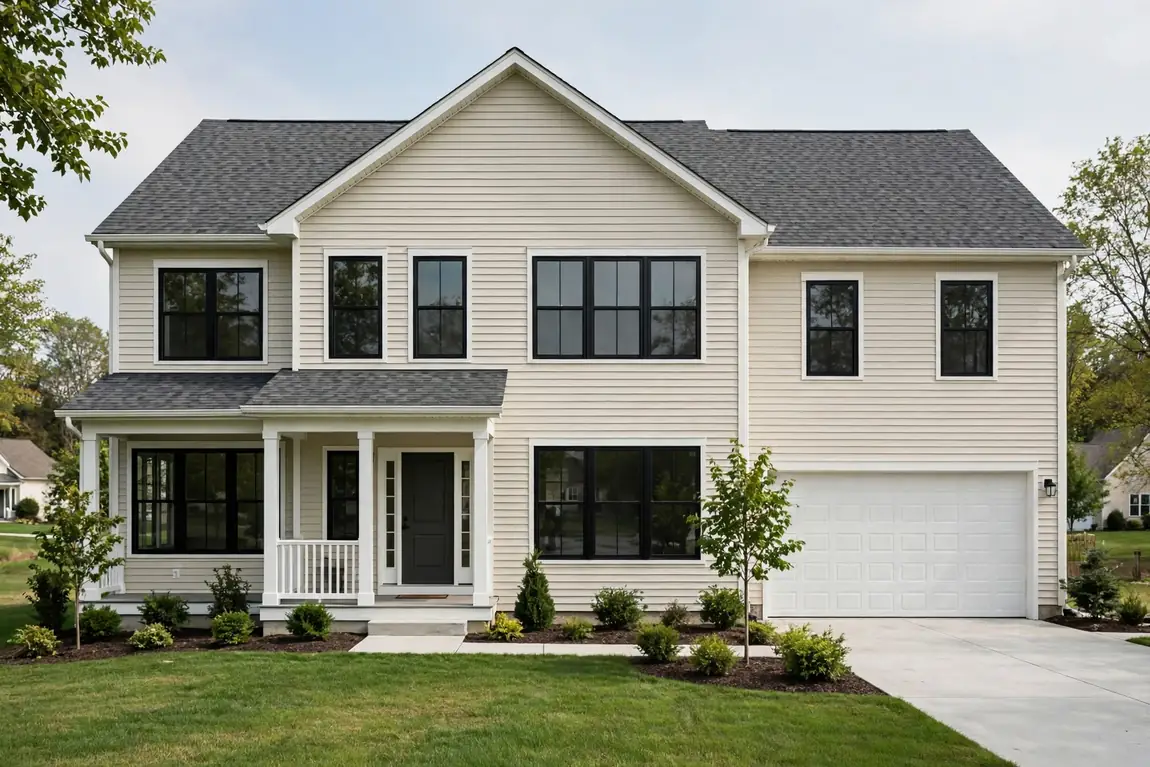
New windows can also reduce what you spend to heat and cool your home. Replacing old single-pane or leaky windows with modern double-pane, low-E, ENERGY STAR rated windows can trim heating and cooling bills noticeably — often in the range of 10% to 20% for homes with the oldest windows, though your actual savings will depend on your climate, your home, and energy prices. The comfort gains are just as real: fewer drafts, less condensation, quieter rooms, and more even temperatures. Sealing drafts around the rest of the house helps too, which is why many owners pair this project with the steps in our guide on how to winterize your home.
- Get at least three itemized quotes that separate window, labor, and disposal costs.
- Ask whether the quote is for insert or full-frame replacement, and why.
- Check the U-factor and Solar Heat Gain Coefficient, not just the brand name.
- Confirm permits, warranty terms for both the window and the installation, and who handles old-window disposal.
Frequently asked questions
How long does it take to replace windows in a house?
A professional crew can usually install an insert window in under an hour once work begins, and a whole-house project often takes one to three days. Full-frame work, repairs to damaged openings, and very large or custom windows add time.
Is it cheaper to replace all windows at once?
Usually, yes, per window. One project means one setup, one disposal trip, and more efficient labor, and some companies offer better pricing on larger orders. If the budget is tight, prioritize the worst windows and the rooms you use most, then finish the rest later.
Do new windows increase home value?
New windows are consistently among the updates buyers notice, because they improve curb appeal, comfort, and perceived maintenance. You should not expect to recover every dollar at resale, but a well-chosen vinyl or fiberglass project typically recoups a solid portion of its cost while you enjoy the comfort and savings in the meantime.
When is the best time of year to replace windows?
Installers work year-round, and each window opening is exposed only briefly during the job. Spring and fall offer the mildest weather, while late fall and winter sometimes bring shorter wait times and off-season offers — just book early enough to have the work done before the coldest weather arrives.
Conclusion
Budgeting for new windows starts with a simple range — roughly $450 to $1,200 per window for most homes in 2026 — and then gets specific: vinyl for value, fiberglass for strength, wood for character, and aluminum for slim modern profiles. Decide between insert and full-frame based on the condition of your existing frames, get itemized quotes, and weigh the energy savings and comfort alongside the upfront price. Done well, replacement windows are one of those rare projects that make your home look better, feel better, and cost less to run, all at the same time.