

A thermostat controls the most expensive system in most homes, yet many houses still run on a dial fitted decades ago. Choosing the best smart thermostats for your home comes down to three things: whether the wiring in your wall can power one, whether it supports your heating system, and whether its way of setting the temperature suits your routine. This guide claims no hands-on testing. It compares widely sold models on published specifications and typical prices, so you can check compatibility first and shop second.
The savings case is real but modest, and it helps to start with honest numbers. Heating and cooling account for nearly half of a typical home energy bill. A thermostat that reliably sets the temperature back while you sleep or work can trim that bill without any loss of comfort when you are home.
What to Look for in the Best Smart Thermostats
Compatibility comes before features. Photograph your current wiring before you order anything. Most smart models need a C-wire, the common wire that delivers continuous 24-volt power for the screen and Wi-Fi radio. Homes built in recent decades often have one. Older homes often do not, and the fix differs by brand, as the model notes below explain.
System type matters just as much. Single-stage furnaces and air conditioners suit almost every model. Heat pumps, especially with auxiliary heat, and multi-stage systems need a thermostat that explicitly supports them. Line-voltage electric baseboard heat is a separate category entirely, and most mainstream models in this guide do not control it.
Finally, decide how the schedule gets set. Learning models build one from your adjustments. Sensor-based models average temperatures across rooms. Simple models ask you to program times and temperatures yourself. None of these is best for everyone; the right one matches how regular your days are.
The Main Models Compared
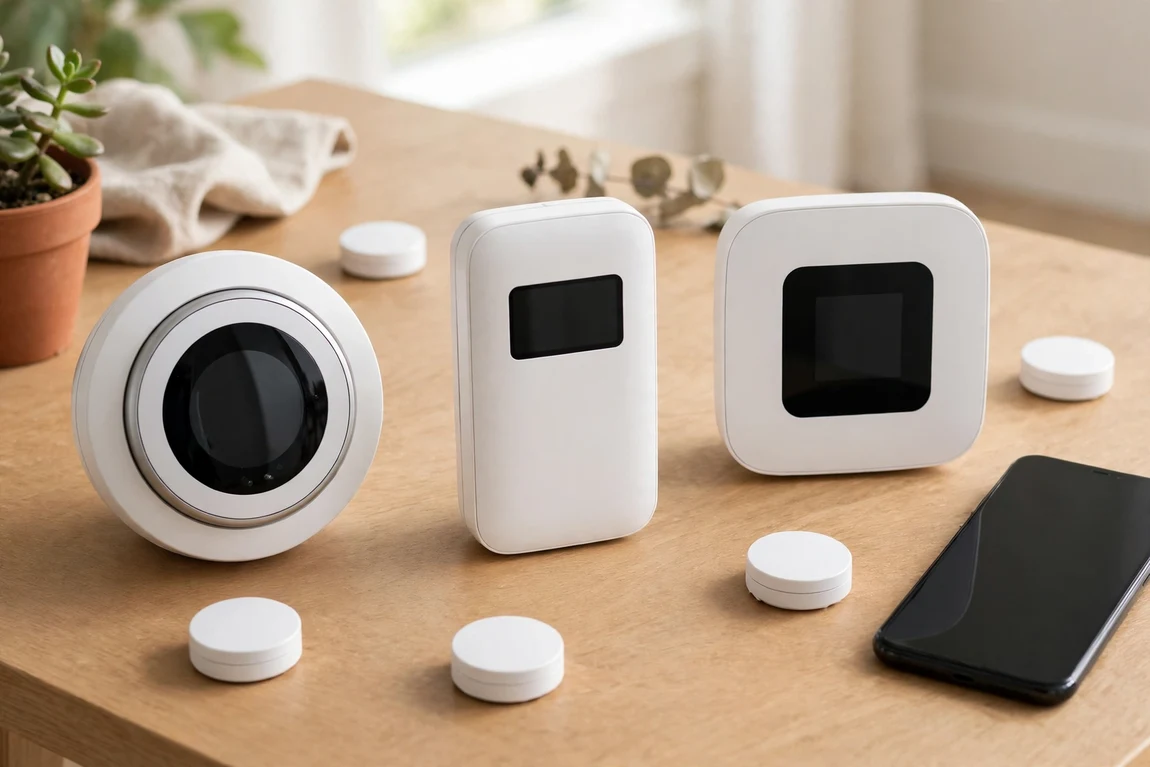
The table below compares four widely sold models using typical US prices seen in November 2026 buying-guide research. Prices move with sales and rebates, so treat them as a guide to each tier rather than a quote, and check the current price before you buy.
| Model | Best for | C-wire position | Room sensors | Typical price |
|---|---|---|---|---|
| ecobee Smart Thermostat Premium | Most homes, and hot or cold spots | Power Extender Kit included if no C-wire | One SmartSensor included | About $249–$250 |
| Google Nest Learning Thermostat (4th gen) | Set-and-forget, self-learning schedules | Usually works without one; recommended for stability | One temperature sensor included | About $279–$280 |
| Honeywell Home T9 | Large and multi-room homes | C-wire required; adapter options vary by kit | Sold separately; supports up to 20 | About $199–$200 |
| Amazon Smart Thermostat | Budget buyers in the Alexa ecosystem | C-wire required | None | About $80 |
Ecosystem support differs too. The ecobee Premium works with Alexa, Google, Apple Home and SmartThings. The Nest 4th gen centres on Google Home and Matter, without Apple HomeKit. The Honeywell T9 works with Alexa, Google and Apple Home. The Amazon model is Alexa only. Check the current specification before ordering, because platform support changes with updates.
How Much Can a Smart Thermostat Actually Save?
The most trustworthy figure comes from ENERGY STAR, because certification rests on field data from real homes rather than laboratory claims. On average, savings are approximately 8% of heating and cooling bills, or about $50 per year, according to the ENERGY STAR smart thermostat FAQ. Homes that sit empty for much of the day tend to save more.
To earn the label, a product family must show at least an 8% cut in heating run time and a 10% cut in cooling run time on national averages in that field data. That is a floor for certification, not a promise for your house. A home that is occupied all day, or one already set back carefully by hand, will usually save less than the average.
Brand claims can run higher. Google has cited independent studies of earlier Nest models saving roughly 10 to 12% on heating and 15% on cooling. Treat those as best-case figures from a different baseline, and use the ENERGY STAR average when you work out payback on any of the best smart thermostats you are comparing.
Check local utility rebates before you buy. Many utilities offer rebates on certified models, sometimes large enough to change which tier makes sense. Rebate amounts and rules vary by utility and change over time, so confirm the current offer on your own utility’s site rather than relying on a national figure.
C-Wire, Heat Pumps and Multi-Stage Systems Explained
The C-wire question decides most installations. If your wall plate has a wire connected to a terminal labelled C, you can fit almost any model. If not, your options are a model that usually runs without one, a power extender kit fitted at the furnace, or a separate adapter. Ecobee includes its Power Extender Kit in the box, which is a genuine advantage in older homes.
Heat pump owners need two specific checks. First, the thermostat must support heat pump control with auxiliary heat. Second, look for balance-point or auxiliary-heat lockout settings, which stop expensive backup heat running when the heat pump alone can cope. The Nest 4th gen highlights this control, and it can matter more than the purchase price over a winter.
Multi-stage and dual-fuel systems need matching terminals and settings. If your system is zoned, has a humidifier or ventilator wired to the thermostat, or uses proprietary communicating controls, check the manufacturer’s compatibility checker before ordering. Our heat pump installation cost guide covers the equipment side, and our furnace replacement cost guide covers conventional systems.
Features Worth Paying For, and Features to Skip
Room sensors are the feature owners praise most, because the thermostat usually sits in a hallway while people live in bedrooms. A sensor in the main bedroom lets the system average temperatures or prioritise that room at night. If your home has one cold or hot room, a sensor model is usually worth the step up.
Geofencing and occupancy sensing automate setbacks when the house empties. They work well for regular routines and less well for shift work or homes that are rarely empty. Learning schedules suit households that dislike programming. Everyone else is usually fine with a clear seven-day schedule they set once.
Be cautious with subscriptions. Some brands place extra security or automation features behind a paid plan, while core scheduling and sensor control remain free. Read what is paywalled before you buy, and factor any plan you would actually keep into the real cost. A smart thermostat pairs naturally with the devices in our guide to the best smart locks, since both reward a household that uses schedules and alerts well.
Installation: A Careful DIY Job for Most Homes
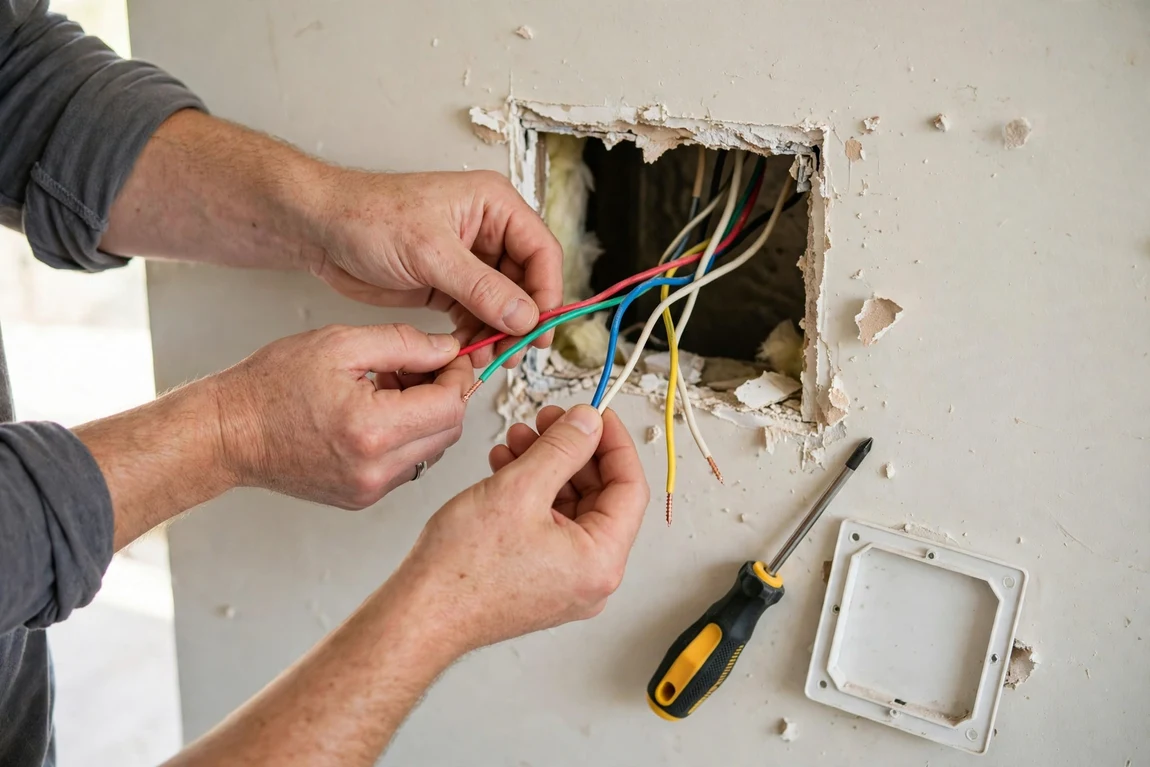
Most owners install these in about 30 to 45 minutes with a screwdriver. Turn off power to the heating system at the breaker first. Photograph the old wiring before you disconnect anything, label each wire, then follow the app’s guided setup for your exact terminal layout.
Call a professional instead if the wiring does not match the guide, if there is no C-wire and no included kit for your system, or if you have a communicating system. A short technician visit costs far less than a control board damaged by a wiring mistake in midwinter.
Frequently Asked Questions
Do I need a C-wire for a smart thermostat?
Often, but not always. Some models usually work without one, and ecobee includes a Power Extender Kit for homes that lack one. Others, including the Honeywell T9 and the Amazon model, require a C-wire or an adapter. Check your wall plate first, because it decides which of the best smart thermostats you can fit without extra work.
Will a smart thermostat work with a heat pump?
Yes, if the model explicitly supports heat pumps with auxiliary heat. Check for balance-point or auxiliary-heat lockout settings, which prevent costly backup heat from running unnecessarily. Proprietary communicating systems are the main exception and may need the equipment maker’s own thermostat.
How long does payback take?
At the ENERGY STAR average saving of about $50 a year, an $80 model can pay back in under two years, while a $250 model takes around five. A utility rebate shortens both figures. Homes that stand empty on weekdays usually pay back faster than the average.
Can I install one myself?
Most homeowners can, in under an hour, using the maker’s app and a photograph of the old wiring. Turn the breaker off first. Choose professional help for unusual wiring, zoned systems, or any setup the compatibility checker flags as unsupported.
Do smart thermostats need a subscription?
Core heating and cooling control does not, on the models compared here. Some brands charge for extra security, camera or automation features. Check what sits behind the paywall on the exact model, so the best smart thermostats on your shortlist stay good value after year one.
Check the wiring, confirm your system type, then pick the scheduling style you will actually use. Do that, and the best smart thermostats narrow to one or two clear choices for your home.